
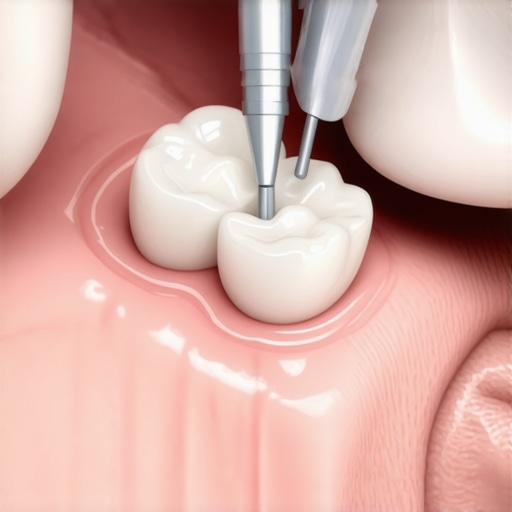

I remember the sinking feeling I got after my last teeth cleaning. The hygienist was in a rush, barely taking the time to polish my teeth properly. I left feeling like I’d just gone through the motions—no real cleaning, no thorough exam, just a quick in-and-out. It wasn’t until later that I realized how much I might have missed, and how my own health could be at risk.
Why a Rushed Teeth Cleaning Can Cost You More Than You Think
Overlooking the details during a dental cleaning isn’t just about missing a shiny smile; it can lead to missed diagnoses of early signs of decay or gum disease. When dentists or hygienists rush through your appointment, they might skip critical checks, leaving underlying problems unnoticed until they become painful or expensive to treat. Plus, a thorough cleaning removes plaque and tartar that, if left undisturbed, can cause inflammation, cavities, and even influence your overall health.
The unsettling part? Many patients, myself included early on, don’t realize they’re being shortchanged until issues escalate. Studies show that less than ideal cleaning sessions can increase the risk of plaque buildup, which is the primary culprit behind most dental problems (source: Smilez Dentist).
Have you ever left a dental appointment feeling unsatisfied, or wondered if your teeth are really as clean as they should be? If so, you’re not alone. I’ve learned the hard way that recognizing the signs of a rushed cleaning can save you from bigger problems down the road.
Are All Dental Cleanings Created Equal? Here’s What to Look For
Early in my dental journey, I made the mistake of assuming every cleaning was the same, thinking the quality depended only on the dentist’s skill. It isn’t. The way your cleaning is done—how much attention is paid to detail, whether they check your gums and oral tissues thoroughly—makes a huge difference. Want to ensure you’re getting genuine value from your appointment? Let’s dive into the warning signs that tell you your dentist might be rushing through your teeth cleaning, and what you can do about it.
Prepare for Your Appointment Like a Pro
Before your dental visit, make a checklist of any concerns, symptoms, or areas feeling sensitive. This simple step helps your hygienist target potential issues, similar to how you would prepare an agenda for a business meeting to stay focused. During my last cleaning, I took a moment to note any discomforts, ensuring I didn’t forget to mention them—resulting in a more personalized and thorough session.
Communicate Clearly with Your Hygienist
Ask specific questions about the cleaning process, such as how they remove plaque or if they check for early signs of decay. Think of your hygienist as a coach; clear dialogue ensures they tailor their approach to your needs. I once asked my hygienist to explain their technique, which made me more aware of how they use specialized tools, ensuring no spot was missed.
Observe the Cleaning Process
Pay attention to the steps your hygienist takes—are they flossing thoroughly, inspecting your gums carefully, and polishing all surfaces? A rushed cleaning often skips critical steps like gum assessment or tartar removal. During one appointment, I noticed they hurried through polishing; I politely asked them to spend more time on certain areas, leading to cleaner teeth and healthier gums afterward.
Follow Post-Cleaning Instructions Carefully
After your session, adhere strictly to advice on oral hygiene routines. This might involve changing your brushing technique or using interdental brushes. I once neglected to follow specific after-care tips and experienced minor issues; since then, I make a habit of asking for detailed instructions, which keeps my mouth healthier longer.
Schedule Regular, Not Rushed, Appointments
Don’t wait until problems worsen to visit the dentist. Aim for consistent cleanings—ideally every six months—and insist on appointments that allow ample time. Rushed sessions often miss early issues; I learned this the hard way after skipping checkups and noticing more plaque buildup. For guidance on maintaining your routine, visit this resource.
Recognize Signs of a Rushed Cleaning and Voice Concerns
If your appointment feels hurried or superficial, don’t hesitate to speak up. A good hygienist values patient feedback; approaching them confidently can improve your future visits. I once gently prompted my hygienist to slow down near my molars, which resulted in a more thorough clean and less post-appointment sensitivity.
Choose the Right Dentist for Quality Care
Research dentist reviews and ask for recommendations to find professionals committed to comprehensive cleaning standards. Remember, not all dental practices prioritize detailed examinations. I switched to a clinic that emphasizes thorough, unhurried sessions—leading to healthier teeth and greater peace of mind. If you’re considering cosmetic options or Invisalign later, a detailed cleaning sets the foundation for optimal results. Explore Invisalign benefits to understand how oral health impacts alignment treatment.
Many individuals believe that all dental procedures are straightforward, but in reality, there are nuanced pitfalls that can undermine your oral health journey. A common misconception is that cosmetic dentistry exclusively focuses on aesthetics, neglecting the importance of underlying health factors. However, advanced treatments like veneers or whitening can sometimes mask underlying issues if not approached carefully, leading to long-term problems.
Why Do Some Cosmetic Procedures Fail to Deliver Lasting Results?
In my experience, the secret lies in understanding that cosmetic procedures must be integrated with comprehensive dental care. For example, if your gums aren’t healthy, whitening or veneers might highlight existing issues rather than mask them. Studies indicate that neglecting oral health before cosmetic work increases the risk of complications and repeated treatments, which can be costly and unnecessary (source).
When it comes to teeth cleaning, many assume that frequency alone guarantees oral health. But the reality is more nuanced: the technique employed during cleanings matters immensely. Rushed or superficial cleanings can leave plaque behind, particularly below the gum line, leading to inflammation and periodontal disease. An advanced mistake is to rely solely on traditional brushing and flossing without professional intervention—thinking that over-the-counter products replace the need for professional cleanings. Properly performed cleanings not only prevent cavities but also improve the effectiveness of [Invisalign] treatment by ensuring your teeth are free of tartar and plaque that could hinder movement.
Choosing the right dentist often gets overlooked. Many patients prioritize cost over expertise, unaware that a less experienced practitioner could compromise their treatment plan. An expert dentist recognizes nuanced signs of early decay or gum disease that less seasoned practitioners might miss. For instance, subtle bleeding during probing might be dismissed by some but is crucial for early intervention, especially when preparing for cosmetic enhancements or Invisalign. To ensure quality, research reviews and consult with specialists through resources like this contact page.
Advanced patients also often assume that Invisalign results depend solely on wearing trays diligently. While wear time is critical, additional factors like tray fit, attachment placement, and proper oral hygiene greatly influence outcomes. An overlooked nuance is the role of diet; sugary or starchy foods can cause white spots or decalcification, undermining aesthetic results. For a comprehensive understanding of how lifestyle factors impact Invisalign success, explore this article.
Have you ever fallen into this trap? Let me know in the comments, and remember that mastery in dental health combines knowledge with attention to these subtle yet crucial details.Maintaining a healthy, radiant smile requires more than just routine visits—equipping yourself with the right tools can make a significant difference. I personally swear by a combination of advanced technology and proven methods to keep my teeth in top shape for years. One of my go-to items is the Sonicare DiamondClean electric toothbrush, which offers superior plaque removal and gum stimulation compared to standard brushes, thanks to its oscillating-rotating technology. This helps me maintain the effects of professional cleanings and prevents plaque buildup between visits. Additionally, I incorporate a water flosser, like the Waterpik, which effectively reaches beneath the gumline where traditional floss might miss, reducing inflammation and the risk of periodontal issues. For long-term results, I recommend using a fluoride mouth rinse regularly—it’s a simple step that strengthens enamel and guards against decay. Software-wise, I use dental tracking apps such as DentiLink to monitor my oral hygiene routines, appointment schedules, and progress over time. These tools provide reminders and insights that motivate me to stay consistent. Looking ahead, the trend is moving toward smart toothbrushes integrated with AI to analyze brushing habits and optimize technique in real-time, promising even better outcomes in the future.
How do I keep my dental tools effective over time?
Regularly replacing brush heads and tips of water flossers prevents bacteria buildup and maintains their efficacy. I also sterilize my electric toothbrush head weekly with alcohol wipes—this practice ensures hygiene and prolongs the tool’s life. Furthermore, calibrating and updating any connected apps with the latest software ensures accurate tracking and personalized feedback. Consistent care of your tools is just as vital as their initial maintenance, ensuring optimal performance long-term. For more tips on personalized dental care routines, consider exploring this resource. Investing in high-quality tools and maintaining them diligently empowers you to sustain your smile’s health and beauty well beyond the dental office. Don’t forget—pairing these tools with professional guidance is key to achieving lasting results. I challenge you to start with the Sonicare DiamondClean today, and observe how it elevates your daily oral health routine. Remember, proactive maintenance today safeguards your smile for tomorrow.
The Hidden Lessons That Changed My Approach to Dental Care
One of the biggest realizations I had was that every dental appointment is an opportunity for deeper health insights. I once thought that a quick cleaning was enough, but I learned that paying attention to subtle signs—like slight gum bleeding or uneven wear—can reveal issues long before they become obvious. Recognizing these early signals taught me the importance of advocating for thorough examinations, even during regular cleanings, to truly protect my smile.
Another lightbulb moment was understanding the value of personalized care. Not all hygienists perform the same level of detail, and trusting practitioners who prioritize comprehensive cleaning rather than speed has made a visible difference in my oral health. Prioritizing quality over convenience has really paid off, inspiring me to seek out clinics that emphasize unhurried, attentive care.
Finally, I discovered that integrating advanced tools into my routine—like electric toothbrushes with AI features and water flossers—can enhance results significantly. These tools, combined with regular professional visits, create a powerful partnership in maintaining a radiant smile. It’s a reminder that investing in the right techniques and technology turns routine care into a long-term transformation.
Tools That Have Transformed My Smile Routine
A few resources have shaped my approach to maintaining oral health. The Sonicare DiamondClean electric toothbrush, for example, offers superior plaque removal, making each brushing session more effective. I trust it because it’s backed by dental professionals and has a proven track record of improving oral health. Waterpik water flossers have become a staple for reaching beneath gums—a tough spot for traditional floss—and have helped reduce inflammation and bleeding. For ongoing motivation and habit tracking, I use the DentiLink app, which gently reminds me of appointments and tips for improving my technique. Lastly, staying informed with articles on trusted sites like Invisalign advancements keeps me inspired to pursue not just a healthy but a more confident smile. These tools and resources serve as a foundation for continuous improvement, blending technology with expert insights for truly transformative results.
Your Journey Begins Now to a Smarter Smile
Remember, your smile is worth the effort—and taking proactive steps today can lead to stunning results tomorrow. Embrace the details, invest in quality tools, and communicate openly with your dental team. The future of cosmetic dentistry and teeth cleaning is brighter than ever, and you hold the power to make the most of it. Start small, stay consistent, and watch your confidence soar. Your best smile is just around the corner—are you ready to unlock it? Share your experiences or questions below, and let’s grow together in this journey to impeccable oral health.


This post really resonates with my recent experience at the dentist. I used to assume all cleanings were pretty much the same, but I noticed a difference when I started asking more questions about the process and checking if my gums were thoroughly examined. It’s definitely surprising how much detail can be overlooked if someone is in a hurry. I’ve also started noting any discomfort or signs of sensitivity and discussing them during visits, which has improved my overall care. Has anyone else found that speaking up about specific concerns leads to a more satisfying and thorough cleaning? I think empowering ourselves with knowledge and communication skills is crucial for maintaining good oral health. Also, I’m curious, what signs should we watch for to tell if a cleaning was rushed and not as effective as it should be? This discussion has made me more mindful about how essential quality care is over convenience. Looking forward to hearing everyone’s tips on how to get the most out of dental visits.