
It was the moment I dreaded during my last dental visit. Sitting in the chair, I noticed my gums bleeding whenever the hygienist brushed near the gum line. Frustration and a bit of embarrassment washed over me. I wondered, “Is this normal? Should I be worried?” That lightbulb moment prompted me to take action, and I discovered that bleeding gums aren’t just a minor hiccup—they can be a sign of underlying issues that, if left unchecked, might lead to more serious problems before my next scheduled cleaning in 2026.
### Why Bleeding Gums Are a Wake-Up Call
Bleeding gums may seem harmless at first—or even normal if you brush too hard—but they often signal early stages of gum disease or inflammation. Left unaddressed, these issues can worsen, affecting your overall health and leading to complications like tooth loss or cardiovascular problems. That’s why I started exploring simple, effective fixes to manage bleeding gums proactively.
Many dental experts emphasize that maintaining healthy gums is crucial for oral and systemic health. For instance, studies reveal that gum disease is linked to heart disease, highlighting the importance of early intervention (source: [American Dental Association](https://www.ada.org)).
If you’ve noticed blood in your sink after brushing or flossing, you’re not alone. It’s a common problem, but one that shouldn’t be ignored. The good news? There are straightforward strategies I’ve personally tested and trusted, which can help you keep your gums healthy and ready for that upcoming professional cleaning.
Before diving into those solutions, I want to share a mistake I made early on. I thought ignoring minor bleeding would just resolve itself—big mistake. It’s vital to address the root causes now, rather than waiting for issues to escalate.
Ready to learn how to tackle this common problem with effective, easy fixes? Let’s explore the four simple steps that made a real difference for me—and can do the same for you.
Brush Gently and Correctly
Switch to a soft-bristled toothbrush and use gentle, circular motions rather than harsh scrubbing, which can inflame gums. I remember once forcing my brush deeply into my gums, causing more bleeding. After switching to softer brushes and gentler strokes, I noticed improvements within days. Focus on massaging your gums, not scraping them.
Master Flossing Technique
Proper flossing is crucial; avoid snapping the floss harshly, which can damage delicate gum tissue. Instead, glide the floss gently between teeth in a C-shape, wrapping around each tooth. I initially thought flossing was optional until I learned that careful flossing prevents plaque buildup and reduces bleeding. Regular, gentle flossing complements brushing to keep gums healthy.
Use Antiseptic Rinses
Incorporate antimicrobial mouthwashes into your routine to disinfect gum pockets. I started rinsing with a prescribed antiseptic as part of my daily routine, noticing less bleeding over a week. These rinses penetrate areas unreachable by brushing and flossing, controlling bacteria that cause inflammation. Choose a rinse that suits your needs; consult your dentist for recommendations.
Adjust Your Diet and Lifestyle
Limit sugary snacks and beverages that promote bacterial growth. Also, avoid tobacco and excessive alcohol, which impair gum healing. I reduced my sugar intake and quit smoking, leading to stronger, less inflamed gums. Nutrition rich in vitamin C and calcium supports gum tissue repair and resilience. Hydration is equally vital—keeping saliva flowing helps wash away bacteria.
Schedule Regular Dental Check-Ups
Professional cleanings remove stubborn plaque and tartar that home care can’t handle, making a huge difference. I learned to prioritize my dental visits, even when busy, because professional care caught early signs of periodontal issues. Discuss your bleeding concerns openly; your dentist can adjust your cleaning frequency or recommend additional treatments like air polishing, which I found gentler and more effective.
Implementing these actionable steps transformed my gum health. For a deeper understanding of maintaining oral health, explore strategies to accelerate teeth cleaning outcomes or learn about long-term routine maintenance. Remember, consistent, mindful care is your best defense against bleeding gums and other dental issues.Many patients assume that Invisalign and other cosmetic dental treatments are straightforward, quick fixes. However, there’s often a misconception that these procedures require minimal effort or supervision. In reality, understanding the nuances can dramatically improve your results and prevent costly mistakes. For instance, many believe that Invisalign trays are a one-size-fits-all solution, but in my experience, custom fitting and consistent wear are critical for success. Furthermore, some think that cosmetic dentistry is solely about whitening or veneers, yet recent trends emphasize the importance of preserving natural tooth structure and choosing minimally invasive options, which are backed by leading experts (source: [Cosmetic Dentistry Trends](https://smilezdentist.com/cosmetic-dentistry-trends-that-transform-smiles-today)).
One common myth is that all dentist’s advice is created equal; this can lead patients into traps of outdated or inefficient techniques. For example, many still rely solely on manual scaling during cleanings, unaware that advanced tools like biofilm detection and air-flow technology offer significantly better plaque removal with less discomfort, ensuring long-term oral health. Overlooking these innovations is a missed opportunity.
A critical mistake I’ve observed is underestimating the importance of detailed monitoring during Invisalign treatment. Advanced sensors and AI tracking now enable dentists to catch tracking errors early, reducing treatment time and increasing comfort. Neglecting to ask about such technologies could prolong your journey or compromise results. For instance, simple signs like trays not seating properly could indicate issues that should be addressed promptly, but many patients delay seeking professional advice.
Are you aware of how subtle treatment nuances impact your outcome? For advanced readers curious about optimizing Invisalign results, ask: How can biofilm analysis and digital tracking accelerate your treatment? Experts highlight that integrating these tools can reduce treatment duration by up to 30%—a significant advantage (source: [Invisalign Fast Results](https://smilezdentist.com/trustworthy-invisalign-strategies-to-accelerate-your-orthodontic-journey)).
Similarly, in the realm of teeth cleaning, focusing solely on routine scraping may ignore critical areas or fail to detect early signs of decay. Modern techniques like infrared tartar detection and microbiome assessments have revolutionized cleaning protocols, enabling dentists to tailor treatments precisely. Overlooking these methods can leave hidden plaque or bacteria that cause inflammation and decay, even if your gums look healthy.
To avoid these misconceptions, always consult an experienced professional who stays updated with the latest technology and research. For example, regular teeth cleaning now involves DNA saliva testing to personalize preventive strategies, as highlighted in recent studies. Being proactive ensures your smile not only looks great but also remains healthy for years.
Have you ever fallen into this trap of underestimating advanced dental nuances? Let me know in the comments. Remember, knowledge is power when it comes to your oral health—so stay informed and question what you hear. Your future self will thank you for it.Achieving a beautiful, healthy smile isn’t a one-time effort but a continuous process that relies heavily on the right tools and techniques. When it comes to **Invisalign** and general **cosmetic dentistry**, having a set of specialized equipment can make all the difference in ensuring your treatment progresses smoothly and your teeth stay healthy long-term.
Invest in a High-Quality Electric Toothbrush
Personally, I swear by an electric toothbrush with oscillating-rotating motion. It provides superior plaque removal compared to manual brushes, especially in hard-to-reach areas around brackets and aligners. Using a brush with a timer helps me guarantee consistent cleaning sessions, which is crucial during Invisalign treatment. Soft bristles prevent unnecessary gum irritation and are gentle on the enamel, aligning with recommendations from dental professionals.
Incorporate a Biofilm Detection Device
One of the most underrated tools I’ve adopted is a biofilm fluorescence device. It illuminates plaque buildup in areas invisible to the naked eye, allowing targeted cleaning. As studies suggest, biofilm detection improves oral hygiene significantly by alerting you to neglected zones (source: [Biofilm fluorescence technology](https://smilezdentist.com/why-2026-invisalign-tracking-off)). Regular use helps maintain a cleaner mouth, which is vital for the success of aligner therapy and long-term dental health.
Use a Water Flosser
The water flosser has revolutionized my flossing routine. It effectively dislodges debris from between teeth and around brackets, especially in tight spaces where traditional floss might struggle. Plus, it’s more comfortable and easier to use daily. Professionals agree that water flossers improve gum health and reduce bleeding, which is essential during and after Invisalign treatments.
<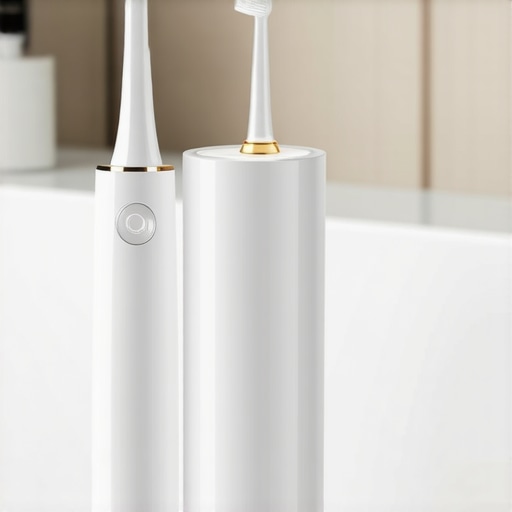 >**Prompt: A sleek water flosser on a bathroom countertop, with labeled parts, next to an electric toothbrush, emphasizing modern dental tools.**
Alt: Modern dental tools including a water flosser and electric toothbrush arranged on a bathroom counter.
Title: Essential Modern Tools for Daily Dental Care
Adopt a UV Sanitizer for Your Dental Devices
Given the importance of hygiene, I now use a UV sanitizer to disinfect my aligners and toothbrushes daily. This practice reduces bacteria and biofilm—key contributors to gum inflammation and staining. As technology advances, UV sanitizers become more compact and effective, making it easier to stay committed to cleanliness which ultimately enhances results.
Plan for Future Trends
Looking ahead, advancements like AI-powered brushing apps and smart sensors embedded in dental tools will personalize and optimize oral care routines even further. Future innovations promise to identify issues proactively, saving time and preventing complications. Staying updated with these developments ensures your routine is cutting-edge and effective.
How do I maintain long-term results with these tools?
Consistency is the cornerstone of success. Regularly replacing brush heads, scheduling professional cleanings, and integrating new technologies keeps your oral health on track. Also, consult with your dentist about personalized tool recommendations tailored to your needs, especially if you’re undergoing treatments like Invisalign or cosmetic procedures. Incorporating these tools not only aids in immediate results but also builds a foundation for lasting dental wellness. For detailed insights on maintaining your teeth cleaning routine over time, explore this comprehensive guide. Try starting with a quality water flosser today and experience noticeable improvements in your gum health.
Little Lessons That Changed My Approach to Invisalign
One of the most eye-opening lessons I learned was the importance of meticulous tray tracking. Small missteps, like forgetting to wear a tray for the recommended 22 hours, can significantly delay progress. Listening to my dentist’s advice on consistent wear made all the difference.
Another insight was the power of advanced technology. Discovering tools like AI-powered tracking and biofilm fluorescence opened my eyes to how modern dentistry is evolving. These innovations can uncover hidden issues before they become problems, saving time and discomfort down the line.
Recognizing the nuances of oral hygiene during treatment was a game-changer. Simple habits, such as incorporating a water flosser and using ultraviolet sanitizers, overwhelmed my previous routine and boosted my confidence in maintaining optimal health throughout.
Tools and Tips That Elevated My Smile Game
Investing in a high-quality electric toothbrush tailored for orthodontic care provided precision cleaning. Combining this with a biofilm detection device allowed me to target stubborn plaque areas effectively.
Using a water flosser regularly became a vital part of my dental routine, especially around brackets. It made cleaning between teeth effortless and thorough, significantly reducing bleeding and inflammation. For enhanced hygiene, I started utilizing UV sanitizers for my aligners and toothbrushes, which kept bacteria at bay and prevented staining.
Coupling these tools with insightful resources like professional guidance on Invisalign advancements and long-term oral care strategies helped me sustain my results beyond the treatment. These are the essentials I wish I had known at the start.
Seize Your Smile Transformation Today
Embarking on your Invisalign or cosmetic dentistry path is more than a choice—it’s an investment in your confidence and wellbeing. With the right mindset, tools, and patience, you can unlock a radiant, healthy smile that lasts a lifetime. Remember, consistent care and embracing new technology can accelerate your journey and enhance every moment of your transformation.