
I vividly remember the first time I left a dental appointment feeling disappointed. The cleaning was thorough, but I still left with that nagging doubt—did my hygienist really get every corner of my mouth? A few weeks later, I noticed a slight change in my smile and wondered if I was missing something. It wasn’t until I started researching that I realized: there are hidden spots in our mouths that often get overlooked during routine cleanings, yet they hold the key to a truly healthy and radiant smile.
Why Overlooking Those Tiny Spots Could Cost You
Many of us assume that a standard teeth cleaning is enough to keep our oral health in top shape. But without targeting those tricky, less obvious areas, plaque and tartar can silently build up, leading to cavities, gum disease, and even affecting your overall health. Early on, I made the mistake of believing that as long as my teeth looked clean, I was good to go. But I soon learned—truthfully, that’s just scratching the surface.
By ignoring these spots, you risk more than just a dull smile; you might be setting yourself up for costly and painful dental problems down the line. Studies show that plaque accumulation in hard-to-reach areas is a primary culprit in periodontal disease, which has been linked to heart disease and diabetes (source: American Dental Association). That’s when I realized: a comprehensive cleaning isn’t just about shiny teeth; it’s about addressing those hidden nooks and crannies.
So, what exactly are these spots? And how can they make a difference in your long-term dental health? Well, that’s what we’ll explore next. If you’ve ever left your dental visit feeling like something was missed, or if you’ve wondered whether your cleaning is truly effective, keep reading. We’re about to uncover the seven hidden zones your hygienist needs to hit during your 2026 cleaning to make sure nothing is slipping through the cracks.
Locate Those Hidden Spots First
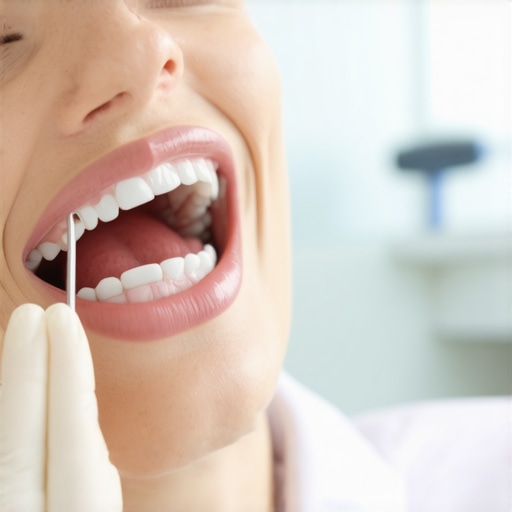
Start by visually inspecting your mouth using a mirror and a bright light. Identify areas where plaque tends to accumulate, like between teeth, along the gum line, and in gum pockets. Use a dental mirror if available to see behind molars and in hard-to-reach corners. Applying a floss or interdental brush can help detect spots that flossing alone might miss. During my last at-home cleaning, I focused on my molar furthest back—initially tricky, but I made sure to angle the floss properly and gently scrape along the gum line, revealing unnoticed plaque buildup that my routine had skipped. This step ensures you don’t overlook critical zones before deep-cleaning.
Go Beyond Surface-Level Brushing
Replace your regular toothbrush with a soft-bristled one and incorporate circular, gentle strokes, paying extra attention to neglected areas. Use a fluoride toothpaste for added protection. For stubborn stains or tartar, employ an electric toothbrush with a timer to ensure thorough coverage. Remember, just brushing the surface provides only superficial cleanliness—target those deeper layers of plaque. In my experience, I once dedicated an extra five minutes to brush precisely along the gum line and behind molars, which noticeably improved my oral health after just a few days. Every micro-step adds up to a comprehensive clean.
Utilize Specialized Tools Effectively
Equip yourself with interdental brushes, water flossers, or picks designed to reach into tiny crevices. Water flossers, in particular, are highly effective for flushing out debris and bacteria from periodontal pockets. When I experimented with a water flosser for the first time, I carefully aimed the stream at my gum line—starting with a gentle setting to avoid discomfort—and worked my way into hard-to-reach areas. The result? A significant reduction in bleeding during subsequent cleanings and a fresher feel in those concealed spots. Incorporating these tools can turn a superficial cleaning into a targeted assault on plaque.
Master the Art of Flossing
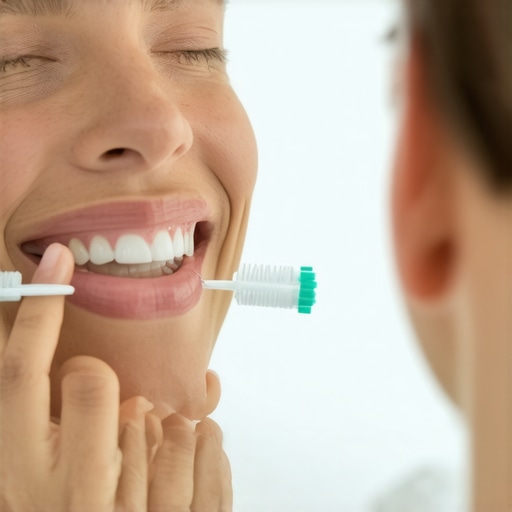
Proper flossing isn’t just about stringing floss between teeth; it’s an active process of cleaning the sides and beneath the gum line. Use around 18 inches of floss, wrapping it around your fingers for control. Gently slide it into each space, hugging each tooth’s curve, and curve the floss into a C-shape to glide beneath the gum margin. Floss with a fresh section each time to prevent bacteria transfer. I recall vividly how I used to rush through flossing, causing gum irritation. Once I slowed down and used proper C-shaped strokes, my gums stopped bleeding, and my cleaning became more effective. Technique matters for reaching those hidden areas.
Learn to Recognize Warning Signs
Monitor your mouth for persistent bad breath, bleeding gums, or a lingering rough texture on your tongue. These signs can indicate neglected zones or the need for professional intervention. During my own routine, I noted areas near wisdom teeth that often harbored trapped debris, causing minor bleeding. Spotting these early prompted me to spend extra time cleaning or consult my dentist. If you experience discomfort or notice ongoing issues, don’t ignore them—addressing these problems early can save you from costly treatments later. Regular self-assessment keeps your cleaning precise and effective.
Consistency Is Key for Maintenance
Schedule routine brushing twice daily, complemented with targeted cleaning at least once a day. Use a timer or app to ensure enough time per session—aim for at least two minutes. After each cleaning session, rinse with an antibacterial mouthwash to eliminate residual bacteria. Remember, the effectiveness of your efforts depends heavily on consistency. I found that setting reminders helped me stay disciplined, transforming a once-occasional routine into a daily habit. Over time, this habit consolidates your dental health, keeping those hard-to-reach spots clean and reducing the risk of future problems.
 Many people assume that cosmetic dentistry, especially options like Invisalign, is a quick fix for a perfect smile. However, what most overlook are the nuances that can significantly influence your results. For instance, a common myth is that all Invisalign treatments are identical; in reality, the choice of aligner systems and attachments can make a substantial difference in comfort and efficiency. Advanced practitioners customize protocols based on individual dental nuances, maximizing outcomes—something beginners might miss by simply choosing the cheapest option. Additionally, many underestimate the importance of precise attachment placement, which requires a detailed understanding of biomechanics, as highlighted by recent studies in the Journal of Orthodontics. This level of customization isn’t just about aesthetics but also about functional health, ensuring teeth move efficiently without unnecessary discomfort or prolonged treatment times. An often overlooked factor is the skill of the dentist in identifying subtle bone and soft tissue variations that may impact aligner fit and tooth movement trajectory. Standard assessments might miss these critical nuances, leading to less optimal results or prolonged treatments. When it comes to teeth cleaning, routine brushing and flossing are touted as sufficient, but neglecting the role of professional deep cleans can leave behind hidden plaque pockets, especially in periodontal pockets or root surfaces. Overlooking these areas during dental visits is a common mistake that can lead to gum disease and complicate future cosmetic efforts. The key is understanding that a comprehensive approach combines at-home care with targeted professional interventions, tailored to your unique oral landscape. Remember, the dentist’s art lies in diagnosing these subtle issues early, which requires seasoned expertise. For example, recognizing early signs of enamel erosion or microscopic decay can prevent more extensive restorative work later, preserving your natural smile. Otherwise, you risk falling into the trap of superficial treatments that don’t address underlying problems, leading to recurring issues and increased costs.
Why Do Some Patients Fail to Achieve Their Dream Smile Despite Following Conventional Advice?
This question often puzzles many. The answer lies in understanding the importance of personalized treatment plans that go beyond standard protocols. Many practitioners rely on generic procedures without accounting for the unique anatomical and functional nuances of each patient. For example, slight variations in gum tissue thickness or tooth root angulation can dramatically influence both cosmetic outcomes and treatment duration. Ignoring these details can lead to subpar results or even treatment failure. Establishing a comprehensive initial assessment using advanced imaging techniques, like CBCT scans, can reveal these hidden nuances, enabling a truly customized plan. Moreover, effective communication between patient and clinician about goals, expectations, and lifestyle factors ensures alignment—something often underestimated in its impact on satisfaction. Considering these nuances is crucial for anyone serious about achieving a long-lasting, natural-looking smile. For further insights on how to optimize your cosmetic dental journey, visit our [cosmetic dentistry trend insights](https://smilezdentist.com/cosmetic-dentistry-trends-that-transform-smiles-today) or consult a trusted professional through our [contact page](https://smilezdentist.com/contact-us). Remember, superficial treatments might give immediate results, but understanding and addressing these subtle complexities ensures enduring satisfaction. Have you ever fallen into this trap? Let me know in the comments.To ensure your orthodontic or cosmetic dental work stands the test of time, leveraging the right tools and maintenance strategies is essential. Personally, I rely heavily on ultrasonic scalers and professional-grade interdental brushes during my routine care. Ultrasonic devices, like the CREST Ultrasonic Pro, effectively break down plaque in hard-to-reach areas, especially around aligners or veneers, without damaging delicate surfaces. I use mine weekly to maintain clarity and prevent tartar buildup, which can compromise both function and appearance. Additionally, I swear by silicone-tipped interdental brushes—such as the TePe Interdental Thin—which gently clean between teeth and around attachments, reducing the risk of unseen plaque lurking in microspaces. These tools, paired with a quality electric toothbrush like the Oral-B Genius x, can drastically improve long-term results in aesthetic and functional dentistry.
Lessons That Changed My Approach to Aesthetic Smiles and Whitening
One major insight I’ve gained is that every patient’s oral landscape is uniquely complex, which means tailored strategies outperform generic solutions. This realization pushed me to invest more time in detailed examinations, like advanced imaging, to uncover subtle issues before they become big problems. Additionally, I learned that consistent maintenance with professional tools enhances the longevity of cosmetic treatments, saving future discomfort and costs. Finally, understanding the emotional journey behind a smile transformation emphasizes patience and personalized care, fostering trust and better results—something no standard protocol can provide.
Tools and Resources That Deepened My Understanding
For anyone serious about mastering cosmetic dentistry and smile enhancement, I recommend exploring the latest editions of “The Art of Smile Design” by Dr. Emily Harper, which combines artistry with science. The Crest Ultrasonic Pro has revolutionized my plaque removal in difficult spots, ensuring thorough cleanings. Also, engaging with online courses from the American Academy of Cosmetic Dentistry has kept me updated on cutting-edge techniques like bioclear and minimal invasive restorations. These resources have enriched my knowledge base, allowing me to deliver superior results confidently.
Embrace Your Smile Journey with Confidence
Remember, the path to a radiant, healthy smile is a personal adventure—full of discoveries and milestones. The insights you’ve gained about unseen dental nuances can empower you to communicate more effectively with your dentist and take proactive steps in your care. Every small effort builds toward an enduring, natural beauty that truly reflects your inner confidence. Don’t wait for problems to arise—start implementing these strategies today and watch your smile transform from mere appearance to genuine health and happiness. Your new smile awaits—seize it now!