
I remember the first time I left my dental appointment and immediately felt like my teeth had developed gaps overnight. It was such a confusing, almost unsettling experience. I sat in my car, staring at my reflection in the rearview mirror, wondering if my hygienist had missed something or if my teeth just suddenly decided to play a trick on me. That lightbulb moment led me down a rabbit hole of questions about what really happens during these cleanings and why my teeth sometimes feel weird afterward.
Understanding the Post-Cleaning Sensation: What’s Really Going On
Many people, myself included, have experienced that odd feeling of gaps or roughness after a professional dental cleaning. The truth is, this sensation is often temporary and related to the methods used during the cleaning process. Dentists and hygienists often remove plaque, tartar, and surface stains with tools that, while gentle, can temporarily alter the surface of your teeth. Sometimes, this can make the teeth feel smoother or, paradoxically, more textured, leading to that gap-like sensation.
One factor that contributes significantly is the removal of soft plaque combined with the polishing steps. Polishing can smooth out the enamel’s surface, which might change how your tongue perceives your teeth and even how your teeth come into contact with each other. Additionally, some cleaning techniques, especially those involving micro-abrasive tools, can slightly alter the enamel’s outer layer, leading to that feeling of increased spacing.
Interestingly, your gums might also react to the cleaning process by swelling or temporarily receding, which can make it seem like there are gaps between your teeth. This is usually due to the liberation of bacteria and debris that were hiding near the gum line—your body’s natural response is a bit of swelling, which settles down within a few hours to days.
But here’s the thing: no matter how odd it feels, these sensations are generally harmless and fleeting. Still, it’s understandable to be concerned about whether something more serious is at play. If your gaps persist or are accompanied by pain or sensitivity, it’s a good idea to consult your dentist.
If you’ve recently faced this puzzling sensation after a cleaning, you’re not alone. Many of us have been there, and learning what causes these feelings can help ease the worry. And trust me, understanding the ins and outs of your dental health can make a world of difference. Curious about how to maintain that fresh-clean feeling longer? Check out tips on [maintaining your teeth cleaning routine for long-term health](https://smilezdentist.com/maintaining-your-teeth-cleaning-routine-for-long-term-health) and learn how to extend the benefits of your dental visits.
Now that we’ve demystified the common reasons for feeling gaps after a cleaning, let’s explore whether this sensation indicates a bigger problem or is just part of the normal post-procedure experience.
Prepare for Your Appointment with Clean Techniques
Before heading to the dentist, brush thoroughly using a soft-bristled brush to remove surface plaque, reducing the workload for your hygienist. Think of it as priming your car engine before a tune-up; a little preparation makes everything smoother. I once tried this myself, and the hygienist appreciated how efficiently she could clean, reducing discomfort and the feeling of gaps afterward.
Communicate Your Concerns Clearly
Tell your hygienist about any sensitivities or worries. If the tools feel too aggressive or if you’re anxious about sensations, voice it. I shared my fear of sensitivity, which led the hygienist to use a gentler polishing paste, minimizing the rough feeling or gaps. Consider this step your way to customize the experience and get rid of surprises.
Understand the Techniques and Their Effects
Micro-Abrasive Tools Are Gentle but Effective
These tools remove tartar with fine abrasives, akin to sanding wood down smoothly. They modify the enamel’s surface temporarily, which can cause that feeling of gaps—similar to a freshly sanded surface feeling different. I learned that this sensation is temporary and part of the process, so staying calm helps. After the cleaning, avoid crunchy or sticky foods for a few hours to protect the newly polished surfaces.
Polishing Alters Surface Texture
Polishing smooths out irregularities, making your teeth shiny—all part of a cosmetic boost. However, over-polishing can create that textured or gap-like feeling as your tongue adjusts. Remember, a light polish is best. When I asked my hygienist to adjust the polishing pressure, she achieved a balance that left my teeth feeling comfortable without the strange gaps.
Post-Cleaning Care to Minimize Unpleasant Sensations
Apply a gentle fluoride gel or mineral paste to reinforce enamel and soothe gums. I used a fluoride rinse afterward; it calmed any irritation and helped reduce the gritty feeling. Avoid hot or cold drinks immediately after cleaning; temperature fluctuations can exaggerate sensitivity. Regularly maintain your routine by flossing and brushing with a soft brush in circular motions, which helps keep plaque off and reduces the need for aggressive cleanings in the future.
Addressing Persistent Gaps or Discomfort
If you notice gaps or continuous discomfort days after your appointment, schedule a follow-up. Sometimes, gums may recede slightly, creating a temporary illusion of gaps—much like a landscape changing after a storm, then settling. Persisting issues could indicate underlying problems requiring professional evaluation. For tips on maintaining or enhancing your smile, explore [cosmetic dentistry innovations](https://smilezdentist.com/enhance-your-look-cosmetic-dentistry-innovations-2025) to keep your teeth in top shape.
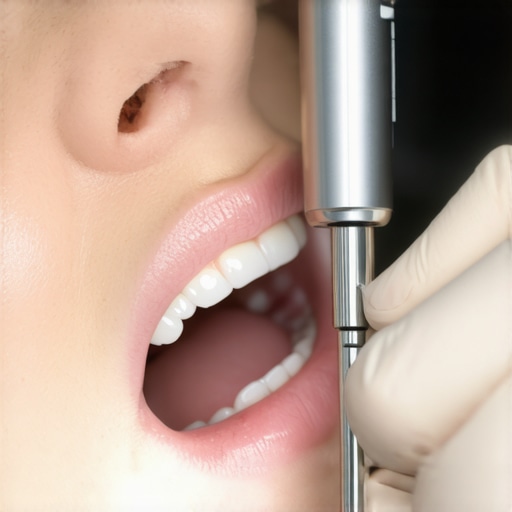 Many patients assume that a routine dental appointment is straightforward—just a quick clean, a polish, and then you’re done. However, this simplified view overlooks some critical nuances that can significantly impact your oral health and aesthetic results. For instance, many believe that more frequent cleanings always lead to healthier teeth, but experts note that overzealous cleanings can sometimes cause enamel erosion, especially if not performed with the latest micro-abrasive technology. In fact, a study published in the Journal of Dentistry highlights that employing nano-abrasive tools minimizes this risk, precisely targeting plaque without damaging the enamel surface.
Are All Cosmetic Procedures Worth the Investment, or Are Some Just Trendy?
It’s common to see ads promoting the latest ‘miracle’ treatments like veneers or whitening. But the reality is, many patients opt for these procedures without understanding their long-term implications. For example, porcelain veneers can appear stunning initially, yet without proper planning and input from experienced clinicians—who stay current with innovations like nano-layering—they may ultimately lead to unnecessary tooth loss or sensitivity. A good rule of thumb is to consult comprehensive guides on cosmetic dentistry trends that are reshaping smiles today, like those available in recent industry reports. Additionally, some misconceptions persist around Invisalign; many think it’s only suitable for minor corrections, but advancements now allow for complex cases involving bite issues and crossbites. Learning about these innovations can help you weigh your options more effectively, so consider exploring dedicated resources such as the ultimate guide to Invisalign for adults in 2025, which discusses the latest technologies and best practices. Moreover, understanding common mistakes, such as neglecting post-procedure maintenance—like failing to use recommended mineral sealants—can undo months of progress. Routine at-home habits play an outsized role; brushing with gentle circular motions and avoiding sugary foods post-treatment are simple steps that fortify your results. This is why maintaining a knowledgeable approach is essential, especially when considering these advanced treatments. Remember, the goal isn’t just to improve appearance but to ensure long-lasting health benefits. As you can see, peeling back the layers reveals a landscape filled with advanced techniques and pitfalls that many overlook. Having the right knowledge can make the difference between a fleeting Maintaining a healthy, beautiful smile requires more than just regular visits to the dentist; it involves investing in the right tools and techniques that support long-term oral health. One of my personal favorites is the ultrasonic toothbrush, like the Philips Sonicare DiamondClean. Its sonic technology vibrates at over 31,000 strokes per minute, effectively dislodging plaque even in hard-to-reach areas, which is especially beneficial after Invisalign treatment or cosmetic procedures. I use it daily, and it’s significantly reduced my plaque buildup while making me feel fresh longer.
Another essential device is a water flosser, such as the Waterpik Aquarius. This tool uses a pressurized stream of water to clean between teeth and along the gumline, reducing the risk of gingivitis and promoting healthier gums. I personally find it especially helpful for maintaining the results of professional cleanings, as it gets rid of debris that traditional floss might miss. Incorporating a water flosser into your routine can be a game-changer for long-term oral health.
For more precise assessment and tracking, I rely on a quality mirror with adjustable lighting and magnification. Good lighting allows me to spot early signs of staining or plaque, which I then address with targeted whitening treatments or enhanced cleaning routines. Having a mirror at home encourages proactive care and helps you stay ahead of potential dental issues.
When it comes to teeth whitening, I recommend trying LED whitening kits like the AuraGlow. These kits combine peroxide gel with LED light technology to accelerate stain removal. I’ve personally used one and noticed visible improvements within a few days. For lasting results, pair whitening with good oral hygiene habits and periodic touch-ups.
Looking ahead, the trend in dental tools is increasingly leaning toward bioactive and nanotechnology-driven devices and materials. Innovations such as nano-resin bonding and bioactive glass applications are enhancing the durability and health benefits of restorative work, making procedures more resilient and beneficial over time. According to research published in the Journal of Dental Research, nano-enabled materials improve the integration and strength of dental restorations, promising longer-lasting results.
To keep your smile at its best, I encourage trying out one of these advanced tools, like the ultrasonic toothbrush or water flosser. Incorporate them into your daily routine and observe the difference in your oral health. Combining these tools with a consistent routine and professional check-ups will help you achieve and maintain that dazzling, healthy smile for years to come. For more tips on maintaining your dental routine, explore how to extend the benefits of professional cleanings by visiting [maintaining your teeth cleaning routine for long-term health](https://smilezdentist.com/maintaining-your-teeth-cleaning-routine-for-long-term-health).
During my first post-cleaning moment, I was surprised to feel like my teeth had gaps where there were none before. That strange sensation initially triggered anxiety, but over time, I realized it was part of a deeper learning process about my dental health. Recognizing that many of these feelings are temporary and signs of healthier gums or cleaner surfaces helped me approach future appointments with curiosity rather than concern.
Uncovering the Hidden Lessons About Your Smile’s Post-Appointment Feelings
- Sometimes, those gaps are the result of micro-abrasive tools that subtly reshape your enamel. Embracing this as a sign of effective cleaning rather than a flaw was a game-changer for me.
- Gum swelling after cleaning isn’t alarming—it’s your body’s response to removing bacteria and debris. Knowing this helped me relax and trust the process.
- Polishing can leave your teeth feeling different, but this is usually temporary. I learned that asking for gentle polishing made a noticeable difference in my comfort.
- Persistent gaps or sensitivity? Don’t hesitate to follow up with your dentist—they can provide personalized advice to restore your confidence in your smile.
Tools That Elevated My Dental Experience
- Ultrasonic toothbrushes like the Philips Sonicare DiamondClean have transformed my daily routine, providing a deeper clean with less effort.
- Water flossers such as the Waterpik Aquarius have been crucial in maintaining gum health, especially after cosmetic procedures.
- At-home whitening kits like AuraGlow quickly boost my smile’s brightness, which, combined with professional cleanings, keeps me confident.
- Innovations like nano-resin bonding and bioactive glass materials show promise in extending the longevity of cosmetic improvements—keeping my smile both beautiful and resilient.
Take Charge of Your Dental Journey Today
Your smile is an ongoing story, and understanding the nuances of post-cleaning sensations can empower you to enjoy a healthier, more confident smile. Investing in the right tools and maintaining open communication with your dentist transforms dental visits from daunting to delightful. Remember, each step you take—whether it’s exploring the latest in cosmetic dentistry innovations or refining your daily routines—brings you closer to your ideal smile. Have you experienced surprising sensations after a cleaning? Share your story below and let’s learn together!
,
Comments are closed.