
It was a freezing winter morning when I stepped outside and immediately felt that sharp, shooting pain in my teeth whenever I took a breath of crisp, cold air. For years, I brushed off that discomfort as just a weird sensitivity—something I could ignore. But as time went on, that pain became more frequent and intense, turning simple things like stepping into an air-conditioned room or drinking a cold beverage into moments of dread.
How I Discovered the Root of My Cold Air Tooth Pain
Realizing I Wasn’t Alone in This Struggle
Many people brush off their tooth sensitivity, assuming it’s just a temporary annoyance. But ignoring it can lead to bigger problems down the line. I remember the first time I visited my dentist about this issue, feeling a mix of embarrassment and hope. Could it truly be something serious?
Early on, I made the mistake of dismissing the pain as just minor sensitivity caused by my whitening treatments. That was a rookie move. Trust me, understanding the real cause is crucial—something I learned painfully and too late at first. For more myths about dental health, I recommend checking out this guide on teeth cleaning myths.
Here’s What We’ll Cover Today
If you’re like I was, wondering why cold air makes your teeth scream, you’re in the right place. Today, we’ll unpack the exact reasons behind this discomfort and, more importantly, how you can address it effectively. No more guessing or suffering in silence. You’ll learn actionable steps you can take to reduce or even eliminate that icy pain, restoring comfort during those chilly mornings or air-conditioned bouts. Ready to reclaim your smile and comfort? Let’s dive into the core causes and practical solutions.
Pinpoint the Cause of Your Cold Air Sensitivity
The first step is understanding whether your discomfort stems from exposed dentin, enamel erosion, or gum recession. I recall noticing that my pain worsened after skipping regular check-ups. To diagnose accurately, schedule a comprehensive examination with your dentist, who might use tools like digital imaging to identify the root causes.
Adopt Targeted Oral Hygiene Practices
Use a Gentle Toothbrush and Soft Bristles
Switching to a toothbrush with soft bristles prevented further enamel wear in my case. Think of it like polishing delicate glass—gentle strokes preserve what’s fragile. Regularly changing your brush every three months also ensures optimal cleaning without damaging enamel.
Opt for Desensitizing Toothpaste
Apply a toothpaste specifically formulated for sensitivity, such as those containing potassium nitrate or stannous fluoride. My experience with this was immediate relief—like coating exposed dentin with a protective barrier. When I first tried it, I noticed a significant reduction in pain during cold mornings.
Adjust Your Diet and Habits
Limit acidic foods and beverages like citrus, soda, and vinegar, which can erode enamel—think of them as corrosive agents attacking a fortress. Instead, incorporate dairy products and high-fiber foods to strengthen teeth naturally. I also learned that avoiding brushing immediately after consuming acids helps prevent enamel erosion, as it’s like treating a delicate surface with care during vulnerable moments.
Implement Professional Treatments
Seek Fluoride Treatments and Sealants
Ask your dentist about professional fluoride applications that create a mineral-rich barrier over vulnerable areas. During my visit, a quick fluoride varnish application provided longer-lasting protection, making cold air less painful. Sealants can also shield exposed dentin, especially in molars, and are a quick, minimally invasive solution.
Consider Enamel Restoration Procedures
In cases of significant erosion, cosmetic procedures like enamel microabrasion or bonding can restore tooth surface integrity. I had a consultation where a bonding procedure smoothed rough patches, reducing sensitivity. Think of it as patching up a chipped wall to restore its strength.
Modify Your Daily Routine to Protect Enamel
Avoid using abrasive whitening products or overly aggressive brushing, which can strip enamel—treat your teeth like fine crystal. Incorporate gentle brushing techniques and use toothpaste with added remineralizing agents. My own routine change resulted in measurable improvements over weeks.
Be Consistent and Patient with Your Care
Managing sensitivity isn’t instant—it requires regular habits and patience. I kept a journal of my routine, noting reductions in pain, which encouraged me to stick with it. Remember, small changes compounded over time lead to significant relief.
If you want to explore further preventive strategies or cosmetic options that can bolster your dental health, check out this guide on cosmetic dentistry innovations.
<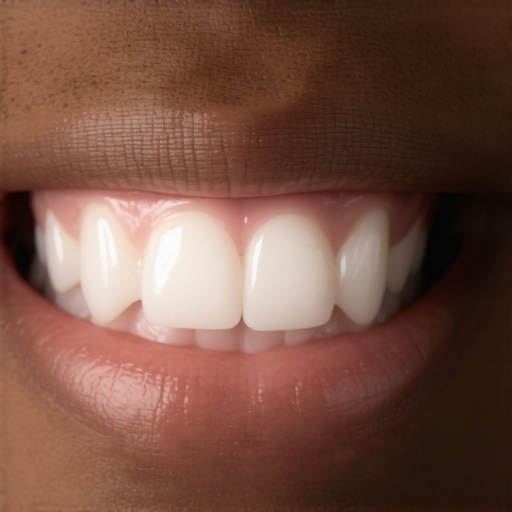 }Many patients believe that Invisalign and other cosmetic dental procedures are quick fixes or require minimal effort, but this oversimplification can lead to costly mistakes. A prevalent myth is that Invisalign aligners can be worn intermittently without strict adherence, when in reality, achieving desired results hinges on wearing them for 20-22 hours daily—something many underestimate. In my experience, neglecting the importance of consistent wear can significantly delay treatment progress. Additionally, some think that cosmetic dentistry is solely about aesthetics, but advanced procedures like enamel microabrasion or nano-bonding also play restorative roles, as highlighted in cosmetic dentistry innovations. A common trap is believing that all dental products labeled ‘sensitive’ or ‘whitening’ are equally effective; however, not all contain active ingredients like potassium nitrate or stannous fluoride proven to mitigate discomfort or prevent enamel erosion. For example, using abrasive whitening pastes can worsen sensitivity rather than improve it. When considering teeth cleaning, many assume more frequent cleanings mean better health—yet, overzealous scraping might thin enamel if not done correctly. Professional cleanings using latest techniques, as discussed here, can prevent issues without damaging enamel. An advanced misunderstanding is that cosmetic procedures like veneers are permanent and risk-free; however, improper case selection or not maintaining oral hygiene can lead to failures or the need for replacements. Recognizing these nuances can save you time and money. The key is to work closely with a knowledgeable dentist who understands these complexities. Remember, every smile is unique, and a one-size-fits-all approach often falls short. Do you think you’ve fallen for any of these misconceptions? Share your experiences in the comments. For more detailed insights, visit this comprehensive guide on teeth cleaning myths.
Keeping Your Smile in Top Shape with the Right Tools
Maintaining optimal dental health over the years requires more than just regular visits to your dentist. Investing in high-quality, specialized tools can make a significant difference in preserving your smile, especially if you’re undergoing treatments like Invisalign or cosmetic dentistry. I personally recommend a few select items that have proven invaluable in my routine. Firstly, a smart electric toothbrush equipped with pressure sensors is essential. I use the Oral-B Genius X because it provides real-time feedback, alerting me when I’m applying too much force—crucial since excessive pressure can wear down enamel over time. Secondly, a hydro toothbrush like the Waterpik Sonic-Fusion combines water flossing with brushing, helping to reach areas traditional brushes might miss, especially around Invisalign attachments or veneers.
Additionally, investing in a digital mirror with built-in lighting enhances visibility during routine checks, allowing me to catch early signs of wear or staining. For software, I utilize professional-grade dental monitoring apps that track my oral hygiene progress and notify me of upcoming appointments or areas needing improvement. Combining these tools with consistent habits ensures that my dental health remains resilient, even amidst ongoing cosmetic procedures.
Predicting Future Trends: Remineralization and Smart Monitoring
The future of dental maintenance seems poised for integration of AI-driven diagnostics and bioactive materials. Techniques like enamel remineralization using nano-hydroxyapatite gels could soon become standard for repairing early erosion. Also, wearable devices that monitor pH levels and biofilm accumulation in real-time may revolutionize daily care, making preventive care more personalized and effective.
How do I maintain these tools over time?
Regular cleaning and timely replacement are vital for ensuring the efficacy of your dental tools. For electronic devices, I follow manufacturer guidelines, using appropriate cleaning agents to prevent buildup and damage. For example, toothbrush heads should be replaced every three months to maintain optimal plaque removal, aligning with recommendations discussed in this article on post-cleaning habits. Moreover, keeping your hydropower devices free from mineral deposits prolongs device life and prevents bacterial growth. I set reminders to check and replace parts periodically, preventing equipment from becoming sources of contamination or inefficiency.
Embracing advanced tools and adopting consistent maintenance routines can significantly prolong the benefits of treatments like Invisalign and cosmetic dentistry. For further insights on integrated approaches, you might explore the latest trends in cosmetic dentistry. Don’t hesitate to try out an electronic toothbrush with pressure sensors—it’s a game-changer for long-term results—and see how it can improve your daily routine and preserve your smile for years to come.
What I Wish I Knew When I First Faced Cold Air Discomfort
- Learning that tooth sensitivity can signal early enamel erosion saved me from more severe issues later. My lightbulb moment was realizing that ignoring pain isn’t smart—it’s a sign to consult your dentist promptly.
- Realizing that using a gentle toothbrush and specific desensitizing pastes made an immediate difference helped me regain confidence during chilly mornings. Small adjustments can lead to big relief.
- Understanding that professional treatments like fluoride applications and enamel sealants are game-changers encouraged me to seek expert advice without delay.
- My biggest insight was that ongoing routine modifications and patience are essential. Immediate results are rare, but persistence pays off, and your comfort improves over time.
- Finally, I discovered that being informed about myths and treatment options is power—empowering me to make the best choices for my dental health and avoid costly mistakes.
Tools and Resources That Transformed My Approach
- Smart electric toothbrushes with pressure sensors—trust me, they prevent enamel damage caused by brushing too hard. Check out models like the latest in smart tech.
- Hydro toothbrushes such as Waterpik units—these ensure thorough cleaning around Invisalign attachments and reduce plaque buildup that can worsen sensitivity.
- Educational guides and webinars—like the comprehensive latest trends in cosmetic dentistry, which help me stay ahead of new treatment options.
- Professional monitoring apps—they help keep my routine consistent and alert me about upcoming appointments, ensuring I don’t overlook crucial preventive steps.
Your Path to a Pain-Free Smile Starts Now
Taking control of your dental health, especially sensitivity to cold air, is a journey worth starting today. The future holds exciting innovations like remineralization gels and bioactive materials that could make sensitivity a thing of the past. Remember, your smile is your best accessory—invest in it with patience and the right tools.
Comments are closed.