
I remember the first time I grabbed a glass of water after my dentist told me I needed to watch my saliva flow, only to be greeted with that persistent dry sensation. It felt like my mouth was mocking me, feeling dry despite all that hydration. I’d sip water, but the dryness stubbornly stayed, leaving me frustrated and downright puzzled. If you’ve experienced this too, you’re not alone. This frustrating feeling can sneak in unexpectedly, even when you’re doing everything right.
Why Does My Mouth Feel Dry Even After Drinking Water?
The truth is, dry mouth, or xerostomia, can happen for several reasons—medications, dehydration, or underlying health issues. But what surprised me early on was realizing that hydration alone isn’t always enough to fix it. I used to think that drinking more water was the magic cure, but I learned that the problem often lies elsewhere—like with your salivary glands not producing enough saliva or the quality of that saliva changing.
One mistake I made in the beginning was ignoring the role of my medication side effects. Many common prescriptions for allergy, anxiety, or blood pressure can diminish saliva flow. So, if you’re wondering, “Why does my mouth feel dry even after drinking water?” it might be worth consulting your healthcare provider about your medications.
What’s more, dry mouth isn’t just uncomfortable. It can lead to tooth decay, bad breath, and gum disease if left unchecked. That’s why understanding its root causes is crucial, especially if you’re considering cosmetic dentistry options or Invisalign, where a moist mouth helps maintain oral health and the longevity of dental work. To dive deeper into the connection between oral health and overall well-being, check out this comprehensive article on how regular teeth cleaning can prevent major issues.
In the upcoming sections, I’ll share practical steps and lifestyle changes that helped me and many others combat dry mouth effectively. Whether it’s adjusting medication, dietary tweaks, or innovative dental treatments, there are solutions that can bring relief. So, if this sounds familiar, read on—because understanding the why is the first step toward reclaiming comfort in your smile.
Sharpen Your Brushing Technique
Start with a soft-bristled toothbrush and a fluoride toothpaste. Hold the brush at a 45-degree angle to your gums and use gentle, circular motions—think of polishing a delicate surface rather than scrubbing a stubborn stain. Once, I caught myself pressing too hard during a morning rush, which led to gum soreness. I switched to a softer brush and lighter strokes, and within days, my gums felt healthier.
Integrate Flossing Into Daily Habits
Flossing isn’t just about removing debris; it stimulates your gums and prevents plaque buildup that can lead to gingivitis. Use about 18 inches of floss, wind it around your fingers, and slide it gently between teeth. When I started flossing correctly—using a gentle sawing motion—I noticed less bleeding and fresher breath. For hard-to-reach areas, consider floss picks or water flossers as effective alternatives.
Optimize Your Dental Routine with Proper Tools
Replacing your toothbrush every three months maintains cleaning efficacy. Electric toothbrushes with timers ensure you spend enough time on each area. I invested in a sonic model, which made a noticeable difference in removing surface stains. Additionally, consider using dental picks or interdental brushes for tight spaces; they can be game-changers in maintaining oral health.
Mind Your Diet and Hydration
Limit sugary and acidic foods that erode enamel and fuel bacteria growth. Rinse with water after meals to wash away food particles and stimulate saliva production—your mouth’s natural cleanser. I started drinking more water consciously, and over time, my dryness symptoms diminished. Saliva is vital; it neutralizes acids and helps remineralize teeth, fighting off decay.
Schedule Regular Dental Check-Ups
Professional cleanings remove tartar that you can’t reach at home. During visits, discuss personalized strategies for improving oral health or cosmetic enhancements. I had my hygienist perform an ultrasonic cleaning, which unearthed stubborn plaque, leaving my teeth noticeably brighter. Regular visits also help catch issues early, preventing costly repairs later.
Leverage Advanced Dental Technologies
Emerging treatments like bio-mineral glazes strengthen enamel, making it more resistant to decay. For those considering Invisalign or cosmetic dentistry, proper preparation through these innovations ensures better outcomes. I explored options at my dentist’s office, discovering treatments that enhanced my smile’s durability and appearance. Learn more about cosmetic dentistry innovations here.
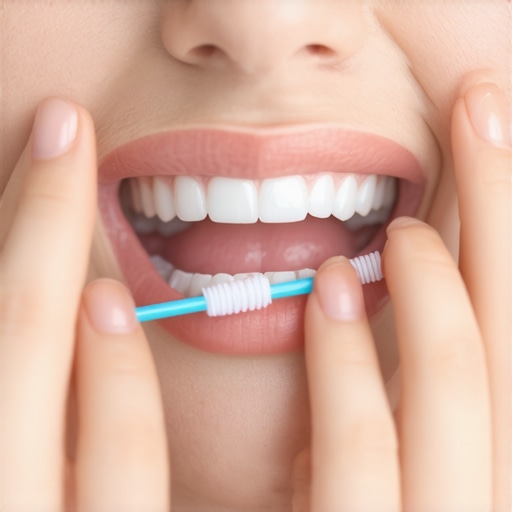 Many people believe that teeth cleaning is merely about scrubbing away plaque, but the reality is much more nuanced. A widespread misconception is that frequent cleanings can replace daily oral hygiene—however, professional cleanings are supplements, not substitutes, for consistent at-home care. Overlooking this can lead to over-reliance on dental visits, potentially neglecting daily habits that prevent issues altogether. For instance, some assume that reading glowing reviews about certain cosmetic procedures guarantees perfect results, but the expertise of the dentist and understanding of individual anatomy play crucial roles—success isn’t purely about the latest trends. A common trap in cosmetic dentistry is believing veneers or whitening can fix underlying structural problems; superficial solutions may mask symptoms but won’t address root issues, leading to eventual complications like misalignment or sensitivity. When considering Invisalign, many think it’s just about shifting teeth — but advanced factors like bite dynamics, jaw joint health, and facial aesthetics are deeply intertwined. Ignoring these can cause long-term discomfort or suboptimal outcomes. Moreover, some assume that Invisalign treatment is universally suitable without comprehensive assessment; yet, the complexity of each case demands personalized planning to avoid delays or revisions. Interestingly, research from the American Journal of Orthodontics reveals that improper attachment placement or inadequate understanding of individual bone density can lead to longer treatment times or relapses, emphasizing the need for expert guidance—more than just aligner wear. An essential nuance often missed is that maintaining results from cosmetic procedures requires ongoing care, including specific maintenance routines and regular check-ups. For instance, after whitening, the corrected brightness might fade if dietary habits aren’t adjusted or if sensitivity isn’t managed properly. Consider the misconception that professional cleanings can undo damage from poor diet or habits; in reality, they can only remove superficial stains and plaque but can’t compensate for ongoing harmful behaviors. For those seeking long-term success, integrating lifestyle modifications with professional advice is vital. Remember that each dental technology or technique has its subtleties—such as how lasers are used for gum contouring or how nano-bonding materials differ in durability. Choosing the wrong approach without understanding these nuances might result in unnecessary costs or compromised results. As you navigate your dental journey, always question common assumptions and seek detailed information—because the true mastery of oral health lies in understanding these hidden complexities. Have you ever fallen into this trap? Let me know in the comments. For an in-depth look at current trends transforming the field, check out [this article on cosmetic dentistry trends](https://smilezdentist.com/cosmetic-dentistry-trends-that-transform-smiles-today). To learn about selecting the best Invisalign options tailored to your lifestyle, visit [this resource](https://smilezdentist.com/choosing-the-best-invisalign-options-for-your-lifestyle). And remember, ongoing maintenance is the secret to preserving your radiant smile for years to come.Maintaining a bright, healthy smile over the years requires more than just routine brushing—investing in the right tools can make all the difference. One of my favorite devices is the Sonicare DiamondClean electric toothbrush, which I personally use to ensure thorough plaque removal and gentle gum care. Its timer settings help me dedicate the recommended two minutes per session, and the multiple brushing modes address specific needs like whitening and gum massage. When it comes to interdental cleaning, I swear by the Waterpik AquaReach water flosser. Unlike traditional floss, it quickly clears debris from hard-to-reach areas and stimulates gum tissue, reducing inflammation. For me, the water flosser became essential, especially with my Invisalign trays, as flossing manually was more cumbersome. To track my oral health progress, I rely on the Dental Monitoring app, which syncs with my dentist’s office. This software allows my dentist to review my ongoing results through photos I upload, catching potential issues early. Looking ahead, technology is trending toward AI-powered diagnostics and 3D imaging, which will enable even more personalized and precise dental care. How do I maintain my dental tools over time? Regularly replacing brush heads every three months is vital to prevent bacterial buildup. For my electric toothbrush, I also disinfect the head weekly using isopropyl alcohol. The water flosser’s reservoir is cleaned monthly with vinegar to prevent mold, and the device hardware is stored in a dry place to avoid bacterial growth. These small maintenance routines extend the life of my tools and keep them working effectively. As dental technology continues advancing, expect tools to become smarter and more integrated into our daily routines, reducing the need for invasive procedures. I recommend trying out the Sonicare DiamondClean in your routine—its advanced sonic technology offers a superior clean, and over time, it helps prevent the emergence of cavities and gum disease. Make sure to also schedule regular professional cleanings, as they complement these tools by removing tartar buildup and addressing issues that home devices can’t reach. For more insights into maintaining your smile, explore [this article on maintaining your teeth cleaning routine for long-term health](https://smilezdentist.com/maintaining-your-teeth-cleaning-routine-for-long-term-health). Remember, the key to lasting results is consistency—your tools are only as good as how you use and care for them every day.
Over time, I realized that achieving a healthy, beautiful smile isn’t just about the tools or treatments—it’s about understanding the nuances and embracing continuous learning. The most valuable insights often come from unexpected sources or personal experiences that challenge common beliefs.
What I Wish Someone Told Me About Maintaining My Smile
- Consistent daily habits, like gentle brushing and flossing, make a bigger difference than occasional deep cleanings. Skipping the routine sets the stage for problems that no professional visit can fully undo.
- Choosing the right tools matters. Investing in a high-quality electric toothbrush and water flosser transformed my oral health more than any other single change, proving that technology can be an ally, not just a gadget.
- Friendly, open communication with your dentist unlocks personalized solutions. Asking questions about treatments, materials, or lifestyle impacts helped me tailor my dental care and avoid one-size-fits-all approaches.
- Mindful diet choices—limiting sugary snacks, acidic drinks, and staining foods—work synergistically with hygiene routines. Small adjustments in what I consume reduced my whitening efforts’ frequency and enhanced overall health.
- Understanding that cosmetic procedures like Invisalign require ongoing commitment outside the appointments—in wearing aligners as prescribed and maintaining good oral hygiene—was key to sustaining results long-term.
Tools That Changed My Perspective on Dental Wellness
- Advanced diagnostic tech, like 3D imaging and AI-based assessments, gave me clearer insights into my oral health status and set realistic expectations for treatments—these are now becoming standard in modern dentistry, as explained in this article on latest trends in cosmetic dentistry.
- Professional-grade whitening systems, combined with proper maintenance, helped me keep my smile bright without overdoing it, thanks to expert guidance I read about in cosmetic dentistry insights.
- Personalized Invisalign planning, supported by innovative tools, minimized discomfort and improved alignment outcomes. To explore options tailored to your lifestyle, see this resource on Invisalign choices.
- Regular professional cleanings keep my home routines effective—more than just quick visits, they’re opportunities for expert advice and early detection, echoing the importance shared in preventative care.
Keep Pushing Forward—Your Dental Future Awaits
Remember, maintaining a stellar smile is a journey, not a one-time task. Embrace every opportunity to learn, invest in quality tools, and stay engaged with your dentist. The effort you put today paves the way for a healthier, more confident tomorrow. Don’t hesitate to start small—consistent actions lead to meaningful transformations. Your journey toward optimal dental health and an inspiring smile begins now.
Have you discovered a particular routine or tool that made a difference in your dental care? Share your experience below—I’d love to hear what’s worked for you!
**