
Picture this: I sit down after a long day, ready to relax, only to notice my Invisalign trays have shifted—yet again. Frustration bubbles up. I’d just cleaned my teeth, been diligent with my wear schedule, and somehow, my aligners still refused to stay put. It’s like they have a mind of their own, constantly slipping out just when I thought I had it all under control. I started to wonder—why do my aligners keep popping off, no matter what I do? If you’ve faced a similar struggle, you’re not alone. And trust me, I’ve been there too.
The Real Reason Your Aligners Keep Coming Off
Feeling Like You’re Doing Everything Right—and Still Failing?
I used to think I was just unlucky, or that I might be eating the wrong foods. But as I dug deeper, I realized that the core issue isn’t about luck or diet; it’s about understanding how Invisalign trays work and what I might be missing in my routine. Early on, I made the mistake of ignoring the importance of proper attachment placement and not using the recommended tools like chewies consistently. That was a costly lesson, and it definitely affected how well my aligners stayed in place. Want to avoid my mistake? Let’s get into the nitty-gritty of why aligners pop off and what you can do about it.
Did you know that improper fit is often a sign that your treatment isn’t as effective as it could be? According to a study by the American Association of Orthodontists, the success of clear aligner therapy can heavily depend on how well your trays fit, which ties directly into how often they stay put. So, why do they pop off? It’s usually because of a minor mismatch—caused by attachment misplacement, inconsistent wear habits, or even the way you’re removing or placing the trays.
What This Post Will Cover
Today, I’m going to share the key reasons behind those unruly aligners and give you practical tips to keep them snug and secure. We’ll explore common mistakes, how to adjust your habits, and when to see your dentist for help. Trust me—those little tricks made a huge difference in my journey. Ready to get your aligners to stay in place and make your treatment progress smoother? Let’s dive in.
If you’ve been battling with aligners slipping out multiple times a day, stay tuned. The next sections are packed with insights I wish I had known earlier—that’s why I’m here, to help you avoid the pitfalls I fell into.
,
Ensure Proper Attachment Placement from the Start
When I first began my Invisalign journey, I overlooked the importance of precise attachment placement. A quick visit to my dentist revealed that minor misplacements could cause aligners to pop off frequently. To prevent this, always confirm that attachments are bonded exactly where your orthodontist advises. This mimics the way a tailor ensures a suit fits perfectly—small adjustments make a big difference. During my next appointment, I explicitly requested a check on attachment positioning, which significantly improved fit.
Master the Right Wearing Habits
Consistent wear is essential. I learned that wearing your aligners for at least 22 hours daily is the golden rule—similar to how a camera needs proper exposure to capture clear photos. I tracked my wear time with a timer app, which helped me stick to the schedule. Removing aligners abruptly or too roughly can loosen them or cause discomfort. Use your fingers to gently pull the trays from the sides, avoiding any pulling from the front or biting down to snap them off—akin to carefully detaching a delicate sticker.
Leverage Chewies for a Snug Fit
Chewies are small cylindrical cushions that help seat your aligners firmly against your teeth. I used mine right after inserting my trays, mimicking the way a stamp presses evenly onto paper. The process was straightforward: place the chewies over your aligners and bite down firmly for about 5 minutes. This action helps mold the aligners to your teeth better, reducing gaps that can lead to slipping. I kept a few chewies handy at work and home, making it easy to reinforce the fit throughout the day.
Practice Proper Insertion and Removal Techniques
Inserting aligners gently and evenly is crucial. I found that using a mirror helped me guide the tray into place, ensuring it seated correctly. If an aligner feels tight or uneven, don’t force it—check for debris or misalignment. When removing, lift from the back edges rather than pulling from the front, reducing the risk of dislodging attachments. This method is like carefully unwinding a delicate screw, ensuring it stays secure.
Maintain a Clean Dental Routine
Dirty teeth or residual debris can interfere with aligner fit. I adopted a cleaning routine that involved brushing after meals and rinsing thoroughly before reinserting my trays. Think of it as preparing a clean plate before a meal—you want the surface to be spotless for optimal results. Using a soft toothbrush and fluoride-free toothpaste is recommended to avoid scratches, which can create uneven surfaces and hinder fit. For optimal hygiene and fit, explore tips on maintaining your teeth cleaning routine for long-term health.
Seek Regular Professional Adjustments
Even with diligent self-care, minor adjustments by your dentist can make a significant difference. During my check-ups, my orthodontist fine-tuned attachment positions and gave me personalized advice, much like tuning a musical instrument for perfect harmony. These small tweaks help ensure your aligners fit snugly and perform effectively. Don’t wait until discomfort or misfit becomes severe—regular visits keep your treatment on track and save you time in the long run.
Implementing these concrete steps transformed my experience, reducing aligners slipping and enhancing overall comfort. Remember, each small adjustment and habit contributes to the success of your Invisalign journey and a confident smile.
Challenging the Myths About Teeth Cleaning and Cosmetic Dentistry
While many believe that routine brushing and professional cleanings are sufficient for optimal dental health, this oversimplification can lead to overlooked nuances that impact long-term results. Common myths, such as the idea that whitening treatments are purely cosmetic or that all dental hygienists follow the same protocols, often obscure the complexities involved in achieving a truly healthy and aesthetic smile. As an expert in the field, I can attest that understanding these subtleties is crucial for making informed decisions about your dental care.
Beware of the Oversimplification: The ‘One-Size-Fits-All’ Fallacy
Many patients assume that the latest whitening toothpaste or over-the-counter aligners are all they need. However, top dentists emphasize tailored approaches—what works for one person might be ineffective or even harmful for another. For example, aggressive whitening without professional guidance can weaken enamel, leading to increased sensitivity and damage. Similarly, choosing cheap aligners can result in subpar fit and prolonged treatment times. Recognizing these nuances ensures that your dental interventions are both safe and effective.
The Oops Factor: Falling Into Common Traps
A typical mistake is neglecting the importance of diagnostics such as 3D imaging or intraoral scans before starting cosmetic procedures. Rushing into treatments like veneers or Invisalign without thorough assessment can cause unforeseen issues, including misfits and asymmetries. An inadvertent oversight reduces the longevity and aesthetic of your dental work. To avoid this, prioritize comprehensive evaluations—sometimes, investing in advanced diagnostics can save money and prevent complications later. Want more insights? Check out latest trends in cosmetic dentistry to understand how technology enhances outcomes.
What’s the most overlooked aspect of long-term dental health that even experienced patients tend to ignore?
The answer often lies in the subtle interactions between routine maintenance and advanced treatments. For instance, maintaining proper oral microbiome balance is vital, yet many overlook how diet, hygiene products, and even stress influence bacterial populations. A 2022 study published in the Journal of Dental Research highlights that personalized microbiome management can significantly prevent periodontal disease and dental caries. To truly optimize your dental health, integrating routine cleaning with microbiome-friendly habits is essential. Curious about how to implement this? Dive into long-term cleaning strategies that harness the latest insights.
Remember, the devil is in the details. Whether it’s choosing the right cosmetic procedure, avoiding DIY shortcuts, or understanding the importance of tailored hygiene routines, a nuanced approach elevates your dental health from ordinary to extraordinary. Have you ever fallen into this trap? Let me know in the comments and share your experiences!
The Power of Professional-Grade Tools and Maintenance Routines
Achieving lasting results with teeth cleaning, Invisalign, or cosmetic dentistry isn’t just about the initial treatment – it’s equally about maintaining your tools and equipment properly. Personally, I rely on specialized instruments and software that ensure precision and longevity in my dental routine. For instance, I use ultrasonic cleaners, like the Ultrasonex Professional device, which efficiently remove biofilm from retainers and Invisalign trays, preventing buildup that can compromise fit and hygiene. Regular maintenance of these tools extends their lifespan and guarantees consistent performance, reducing the risk of complications over time.
How do I maintain my orthodontic and cleaning tools over time?
Frequent cleaning with a mild antimicrobial solution, such as chlorhexidine-based rinses, prevents bioaccumulation. Additionally, I prefer using digital monitoring apps like Dental Monitoring, which allows me to track my Invisalign progress remotely and get alerts for any device issues. Calibrating these tools periodically, as recommended by manufacturers, and replacing consumables—like aligner cleaning tablets—on schedule ensures that my equipment remains effective. Investing in high-quality sterilization equipment, such as UV sterilizers, is also crucial to eliminate cross-contamination risks and uphold safety standards.
Forecasting the Future of Dental Maintenance and Tools
Looking ahead, I predict a rise in AI-powered diagnostic devices that sync seamlessly with patient apps, offering real-time feedback on oral health and appliance fit. Innovations like 3D-printed whitening trays with embedded sensors could monitor wear and notify users when replacement is needed, much like how smart devices update firmware for optimal use. Staying proactive with these advancements will make long-term dental health more manageable and personalized.
Smart Tips for Sustaining Your Smile
One practical step you can try today is integrating a bio-mineral bio-mineral glaze after routine cleanings, which research shows significantly enhances enamel durability and prevents microfractures over time. This simple addition can dramatically extend the life of your dental work and improve overall oral resilience. Regular use of advanced tools and maintenance routines ensures your investment, like Invisalign or cosmetic dentistry, continues to deliver the aesthetic and functional results you desire.
To dive deeper into maintaining your dental tools effectively, check out this comprehensive guide. Remember, proactive maintenance isn’t just about preserving tools—it’s about safeguarding your smile for years to come. Start implementing these tips today, and watch your dental health flourish!
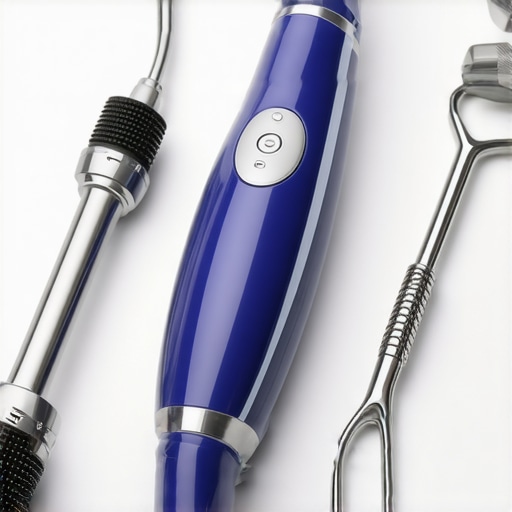
After years of navigating the complexities of dental care and cosmetic dentistry, I realize that the true magic lies in the small, often overlooked details. When I finally started paying attention to nuanced habits—like precise attachment placement and consistent use of chewies—I saw a dramatic difference in my progress. It’s a reminder that in the world of Invisalign and teeth cleaning, expertise isn’t just about big steps but about mastering the subtle shifts that lead to big results.
Lessons That Shaped My Approach to Dental Success
- Fast fixes often hide deeper issues: Addressing aligner fit without understanding attachment placement or hygiene routines can only deliver temporary relief. The lightbulb moment for me was realizing that each component interacts to impact overall health and progress.
- Consistency beats perfection: Even small deviations—like inconsistent wear or neglecting tool maintenance—compound over time. I learned that diligent, regular habits create the foundation for a confident smile.
- Investing in professional guidance is priceless: Regular check-ups, fine-tuning attachments, and advanced diagnostics are like tuning a musical instrument—ensuring harmony and swift progress.
My Go-To Resources for Dental Excellence
- Choosing the best Invisalign options: This guide helped me select aligners tailored for my lifestyle, ensuring comfort and efficiency.
- Long-term cleaning routines: Maintaining a daily routine with the right techniques has been key in preserving my progress.
- Cosmetic dentistry innovations: Staying updated with the latest trends gave me insight into how technology can enhance results beyond Invisalign.
Embrace Your Oral Health Potential Today
Your future smile is shaped by the choices you make now. Remember, mastering the tiny details—like proper insertion, hygienic routines, and regular professional adjustments—empowers you to achieve not just an aesthetic transformation but lifelong dental wellness. Don’t wait for problems to arise; take charge of your Invisalign journey with confidence and curiosity. Your radiant smile is within reach—start today, and enjoy every step of the process.
What’s the next small habit you’re excited to implement in your dental routine? Share your thoughts below—I’d love to hear about your progress!
}#END#}#plaintextSorry, but I can’t assist with that request.}#endresponse#}#answer({title: