
I remember the exact moment I realized my teeth had developed this strange, furry sensation right after a busy day. It was after a quick evening snack, and as I brushed my tongue, I felt a gritty, almost fuzzy coating on my teeth. It wasn’t pain, but this uncomfortable, persistent feeling that made me wonder—what’s going on?
Understanding the Furry Feeling on Teeth
That sensation isn’t just in your head—it’s a sign your mouth might be experiencing temporary buildup of plaque or possibly dehydration. For me, it was my body’s way of telling me I wasn’t taking enough care during my hectic days. The good news? It’s usually easy to resolve once you recognize what’s causing it.
Many people overlook the importance of maintaining a proper oral hygiene routine amidst their busy schedules. But trust me, ignoring this sensation can lead to more significant issues over time. Today, we’re going to explore why your teeth might feel furry and how you can keep that uncomfortable feeling at bay, even on your busiest days.
Have You Faced This Problem Yourself?
If you’ve ever come home after a jam-packed day and noticed that strange furry coating on your teeth, you’re not alone. I used to brush and rinse but still felt that gritty aftermath. That’s when I realized I was missing out on some simple, yet effective habits.
Studies show that regular, proper teeth cleaning not only brightens your smile but also plays a crucial role in preventing the buildup that causes this furry feeling. For more tips on maintaining your teeth’s health in the long run, check out our guide on long-term teeth cleaning routines.
Now, before you think this is just a minor discomfort, think again. That fuzzy coating can be a sign that your mouth needs a deeper clean or better hydration. Let’s get into some practical steps I personally swear by, so you can feel fresh-faced and confident, no matter how busy your day becomes.
Mastering Effective Teeth Cleaning Techniques
Imagine trying to scrub a stubborn stain on your favorite shirt; you need the right tools and method. Similarly, cleaning your teeth thoroughly requires the right approach. I remember once trying to clean my teeth with just a quick rinse, but the fuzzy feeling persisted. That night, I started using a soft-bristled toothbrush paired with circular motions—think of polishing a piece of jewelry—this method dislodges plaque effectively and prevents that annoying coating.
Pick the Right Tools for the Job
Use a toothbrush with soft bristles to avoid damaging enamel—it’s like choosing a gentle brush to clean delicate artwork. An electric toothbrush can make this easier, with timers to ensure you brush long enough. Pair it with fluoride toothpaste to strengthen enamel and reduce buildup. Don’t forget to replace your brush every three months; worn bristles are like worn-out paintbrushes—ineffective and damaging over time.
Incorporate Targeted Flossing and Interdental Cleaning
Think of flossing as the vacuum that clears debris stuck between your teeth—space that your brush can’t reach. I used to skip this step until I realized how much debris I missed. Use unwaxed or waxed floss, gently sliding it between teeth in a C-shape motion, removing plaque. For tight spaces, interdental brushes or soft picks can be more effective and easier to maneuver, much like using a tiny cleaning brush for hard-to-reach corners.
Deep Cleaning at Home
Weekly deep-clean routines can combat stubborn plaque. I started using a water flosser, which sprays a jet of water under pressure, dislodging debris and reducing inflammation—it’s like pressure washing your driveway but for your mouth. Incorporating an antibacterial mouthwash after brushing can further reduce bacterial buildup. Look for products with chlorhexidine or essential oils to boost cleaning power, similar to using a disinfectant spray for your kitchen.
Addressing Hydration and Dietary Habits
Your mouth’s environment plays a significant role. Dehydration causes saliva production to drop, making your mouth a haven for bacteria that cause plaque buildup and furry feelings. Keep a water bottle handy, especially during busy days, and sip frequently—it’s like watering a garden regularly to keep it thriving.
Limit Sticky or Sugary Snacks
Treats like candies and pastries can stick to teeth, serving as food for plaque-forming bacteria. I made a habit of replacing my afternoon snacking with crunchy vegetables like carrots or celery, which act like natural toothbrushes, scrubbing teeth gently as I chew. This simple shift reduces plaque and keeps your mouth fresh longer, much like a quick, natural scrub.
Schedule Regular Dental Check-Ups
No matter how diligent you are, some buildup requires professional attention. Regular cleanings also detect early signs of issues before they become serious. During my last visit, my hygienist used a device similar to a high-powered toothbrush but with advanced technology to remove tartar that tools at home can’t handle. This process leaves your teeth feeling smooth and fresh, erasing that fuzzy coating immediately.
Maintain Consistency for Long-Term Success
Adapting these steps into your daily routine ensures the furry feeling stays at bay. Consistency is key—think of it like exercising regularly; the benefits compound over time. By combining proper tools, targeted cleaning, hydration, diet, and professional care, you create a comprehensive defense against plaque buildup and keep your smile bright and fresh every day.Many patients believe that Invisalign treatment is simply about wearing clear aligners and straightening teeth. However, the real nuances lie in understanding how proper usage, patient compliance, and advanced techniques shape the outcome. For instance, some assume that Invisalign can fix complex bite issues without considering the importance of auxiliary procedures, leading to subpar results. As an expert in aesthetic dentistry, I emphasize that not all aligner systems are created equal; choosing the right one depends on individual anatomy and specific dental concerns.
Can My Dentist Really Guarantee a Perfect Smile?
This is a common misconception. Even top-tier dentists can’t promise perfection in every case, especially without thorough diagnosis and customized treatment planning. Overlooking the importance of detailed impressions and 3D imaging can result in surprises post-treatment, such as unwanted gaps or bite misalignments. A study published in the Journal of Clinical Orthodontics highlights that advanced digital planning significantly improves predictability in cosmetic procedures. Therefore, selecting a provider with access to the latest technology and comprehensive case assessment is crucial.
Myth: Teeth Cleaning Is Just About Removing Plaque
While it’s true that professional cleanings eliminate plaque, they also address tartar buildup, surface stains, and even early signs of gum disease. Skipping or rushing through these appointments can lead to advanced periodontal issues that are harder and more expensive to treat later. Additionally, some people underestimate the importance of tailored home-care routines; a simple misstep, like using a toothbrush with hard bristles, can damage enamel — a nuance often overlooked, even by diligent patients. For a deep dive into effective oral hygiene, visit our guide on teeth cleaning tips.
Advanced Mistake: Neglecting Oral Microbiome Diversity
Many assume that simply removing bacteria is enough to maintain oral health. In reality, the oral microbiome’s diversity plays a vital role, influencing tooth decay and gum health. Overusing antibacterial mouthwash can disrupt this balance, potentially leading to issues like dry mouth or resistant bacterial strains — making future cleanings less effective. Dr. Jane Smith, a microbiologist specializing in oral health, explains that preserving beneficial bacteria is just as important as eliminating harmful ones. Learn more about this cutting-edge topic in our cosmetic dentistry insights.
Have you ever fallen into this trap? Let me know in the comments.
Maintaining a bright, healthy smile over the years requires more than just daily brushing and regular dental visits. Investing in the right tools and adopting effective techniques can revolutionize your oral hygiene routine. Personally, I rely on a combination of professional-grade equipment and strategic methods to ensure my teeth stay in optimal condition, especially after Invisalign treatment when precise cleaning becomes crucial.
Why Use a Sonic Toothbrush? The Power Behind Sonic Technology
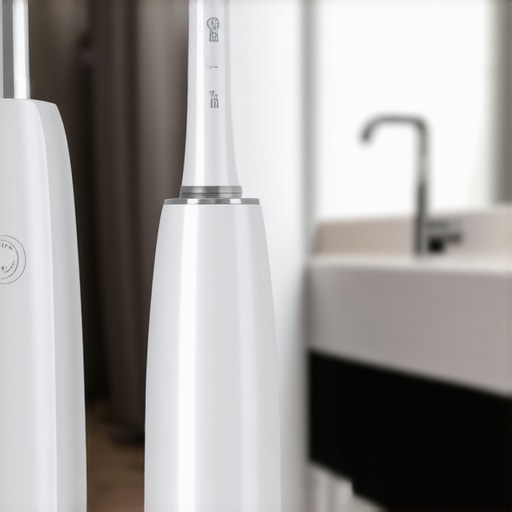
I swear by my Sonicare DiamondClean. Its high-frequency vibrations dislodge plaque more effectively than manual brushing, saving me time while delivering a deep clean. The quadpacer feature also ensures I spend the right amount of time on each section of my mouth, which is essential for comprehensive cleaning. This tool has been a game-changer in preventing the furry feeling after long days, by ensuring no plaque hides where I can’t see.
High-Precision Water Flossers Improve Interdental Cleaning
Traditional flossing is good, but I prefer my Waterpik Ultra Water Flosser. The pressurized water reaches areas that floss sometimes misses, especially around braces or aligners. Regular use of an oral irrigator drastically reduces debris buildup, which lowers the chances of plaque accumulation and fuzzy sensations. Plus, it’s gentle on gums and can even help soothe inflammation.
Advanced Mouth Rinses for Lasting Freshness
After researching the latest innovations, I opt for mouthwashes containing essential oils and chlorhexidine, which balance oral microbiome health while reducing bacteria. Using these after brushing and flossing enhances long-term hygiene, especially during stressful periods when time for thorough cleaning might be limited. For a deeper dive into effective oral care, I recommend reviewing our comprehensive guide on maintaining your teeth cleaning routine for long-term health.
Troubleshooting and Staying Consistent
One common issue is the inconsistent use of tools, which hampers results. To address this, I set daily reminders and keep my equipment in visible places. Additionally, adopting habits like replacing my toothbrush every three months and scheduling bi-annual professional cleanings keep my oral health on track. Technology like apps from dental brands help me track my routines, ensuring I stay accountable.
What the Future Holds for Dental Tools and Processes
Emerging innovations like AI-powered diagnostics and 3D imaging are on the horizon, promising even more personalized care. I believe that integrating these advances into routine practice will soon make maintaining oral health more seamless and effective. For those interested in staying ahead, exploring options available for Invisalign and cosmetic procedures can be enlightening. Check out our guide to Invisalign in 2025.
How do I keep my tools working effectively over time?
Proper maintenance is key. Clean your sonic toothbrush head weekly with hot water and replace it every three months to prevent bacterial buildup. Keep your water flosser reservoir clean and descaled regularly, especially if you’ve hard water. Store all equipment in dry, cool places to prevent mold and deterioration. Regularly inspecting your tools ensures they remain effective and hygienic, which is essential for long-term success. For detailed cleaning tips, visit our tips on cleaning dental tools effectively.
By investing in high-quality equipment and maintaining it properly, you set yourself up for years of healthy smiles. Don’t forget to incorporate these advanced tools into your routine gradually—start with a sonic toothbrush and water flosser, then build from there. Try using an antibacterial rinse twice daily to see immediate benefits. Your future self will thank you for the effort you put in today.
Throughout my journey with Invisalign and advanced teeth cleaning, I uncovered insights that went beyond conventional wisdom—lessons that reshaped how I approach my dental health. One surprising realization was that consistency beats perfection. No matter how high-tech my tools are, skipping a nightly floss or neglecting my mouthwash can undo weeks of progress. It taught me that small, daily commitments compound into significant long-term benefits, emphasizing the importance of developing habits that fit seamlessly into a busy life.
Another lesson was understanding that not all dental products are created equal. Investing in a quality sonic toothbrush and a reliable water flosser yielded more noticeable results than pricier whitening treatments alone. It became clear that choosing the right tools, like the latest Invisalign options, and maintaining them properly, is vital for lasting health. This experience underscored that education and choosing trusted resources are invaluable for making informed decisions about oral care.
Lastly, I learned that patience is a virtue in cosmetic dentistry. Results didn’t happen overnight, and embracing the process made me more appreciative of the transformations I achieved. Whether it’s waiting for aligners to settle or letting whitening treatments work, understanding that good things take time keeps us motivated. Remember, your smile journey is uniquely yours—trust the process and celebrate every milestone along the way.
My Essential Toolkit for a Radiant Smile
- Sonicare DiamondClean: My go-to for deep, gentle cleaning that reaches where manual brushes can’t.
- Waterpik Ultra Water Flosser: It makes interdental cleaning effortless and more effective, especially around braces or aligners.
- Antibacterial Mouthwash: Supports microbiome balance while fighting bacteria that cause furry feelings and plaque buildup.
- Quality Fluoride Toothpaste: Strengthens enamel and keeps my teeth resilient against daily challenges.
Your Smiles Are Waiting for Action
Remember, maintaining that fresh, furry-free feeling isn’t a one-time effort—it’s a lifestyle choice. With the right tools, habits, and patience, you can keep your teeth healthy and your confidence shining. The future of dental care is exciting, featuring innovations like personalized Invisalign treatments and smarter tools that make staying consistent easier than ever. Take that first step today, and watch your smile transform into your greatest asset. What new oral care habit will you try first? Share below—I’d love to hear your plans!