
I remember lying in bed one particularly restless night, clutching my jaw as a relentless, pulsating pain refused to let up. I had ignored that nagging toothache during the day, thinking it would fade on its own. But as the night crept in, the pain intensified, turning even the simplest sleep into a battle. That moment was a real lightbulb for me—realizing just how disruptive and exhausting a throbbing toothache can be, especially when you need restful sleep most.
Why Nighttime Tooth Pain Feels Like the Worst
When you’re trying to unwind after a long day, a throbbing tooth can feel like an uninvited guest turning your peaceful night into a nightmare. The pain worsens when you lie down because blood flow increases to the head, amplifying the discomfort. Plus, the quiet darkness makes every ache seem more intense, and your mind can spiral into worry about what’s wrong. I’ve been there, and I know how frustrating it can be.
Are Over-the-Counter Remedies Actually Enough?
This is one of the biggest questions I faced early on. I tried every pain reliever I could find, from ibuprofen to acetaminophen, thinking it would solve my problem. But the relief was only temporary, and often the pain returned worse once the medicine wore off. I made the mistake of relying solely on temporary fixes instead of understanding what’s underlying the pain. It’s essential to address the root causes, like infections or cavities, rather than just masking the symptoms. For long-term health, regular dental care is vital; you can learn more about maintaining your oral health from this helpful guide.
If you’ve ever experienced a similar ordeal and wondered whether there’s a way to finally get it under control, you’re in the right place. Through personal experience, trusted advice, and some practical tips, I’ll walk you through how to stop that throbbing pain from ruining your nights—and keep it from coming back.
Start with a Precise Tooth Assessment
When I experienced persistent nighttime pain, I began by identifying the exact tooth causing discomfort. Use a mirror and gentle probing to spot sensitivity or swelling. If you notice signs like swelling, bleeding gums, or a visible cavity, schedule an appointment with your dentist immediately. Recognizing the problem accurately prevents unnecessary treatments and targets the root cause effectively.
Implement Effective Home Remedies
Next, I tried simple remedies like rinsing with warm salt water, which reduces inflammation and kills bacteria. Mix half a teaspoon of salt in a cup of warm water, swish for 30 seconds, then spit out. This natural approach can soothe pain temporarily and prevent infection. Applying a cold compress on the cheek for 15-minute intervals also numbs nerves and diminishes throbbing sensations, especially if you apply it promptly after noticing discomfort.
Establish a Consistent Oral Hygiene Routine
I found that neglecting proper oral care worsened nighttime pain. Adopt a thorough routine—brush twice daily with fluoride toothpaste, floss carefully to remove debris between teeth, and use an antiseptic mouthwash. Ensure you clean all surfaces and reach behind molars, where plaque buildup often triggers sensitivity. Regular cleaning removes bacteria that cause decay, reducing future pain episodes. For long-term health, I recommend reviewing the essentials at this guide to long-term oral care.
Identify and Address Dental Problems Promptly
I learned that untreated cavities or cracked teeth lead to intense nocturnal pain. If pain persists despite home care, consult your dentist without delay. They may perform procedures like filling cavities, root canals, or applying protective sealants. Early intervention prevents the problem from worsening and keeps pain manageable. Regular dental check-ups, at least every six months, catch issues before they escalate; you can learn more about preventive care from this article on preventing major issues.
Review and Adjust Your Lifestyle Habits
In my experience, habits like grinding teeth or chewing ice amplify nighttime discomfort. Use a mouthguard if you grind or clench, which your dentist can custom-fit. Also, avoid sugary foods and drinks before bed, as they promote decay and sensitivity. Staying hydrated prevents dry mouth, which tends to worsen pain. Making these adjustments supports dental health and reduces nighttime pain, ultimately saving you from sleepless nights.
Many individuals believe that cosmetic dentistry, teeth cleaning, Invisalign, and general dental care are straightforward processes, but the reality is far more nuanced. For instance, a common misconception is that all teeth whitening solutions are equally safe and effective; however, experts warn that over-the-counter products with high peroxide concentrations can damage enamel if not used correctly. Understanding the differences between professional-grade whitening and DIY options is crucial for long-term health, as detailed in this comprehensive guide. Moreover, many people underestimate the importance of regular maintenance and believe that once their teeth look bright, they can skip cleanings—what they don’t realize is that without proper cleaning routines, plaque buildup and staining can recur rapidly, undermining cosmetic results. Advanced techniques like smile design and micro-veneers are often mistaken as quick fixes, but they require careful planning, skill, and ongoing care to ensure lasting results, as explained in this article. When it comes to Invisalign, there’s a myth that aligners are only for mild misalignments, yet modern innovations have expanded their scope to complex cases. Still, many fail to understand the importance of wearing them consistently—skipping even a day can set back results significantly, highlighting the need for discipline and professional guidance. I’ve noticed a trap many fall into: believing that Invisalign trays will work perfectly without proper monitoring or adjustments, which can lead to prolonged treatment times or subpar outcomes. An advanced tip to avoid this is to stay in close contact with your dentist, who might suggest supplementary treatments or modifications, as detailed in this resource. Finally, one of the more overlooked issues is the false sense of security about dental procedures. Some think that minimal intervention equals no risk, but even routine cleanings can cause sensitive gum tissue or exacerbate underlying conditions if performed improperly. The ‘oops’ here is neglecting personalized care plans, which can result in complications like gum recession or erosion, as noted in this expert insight. Understanding these hidden nuances is essential for making informed decisions that protect your dental health and preserve your smile’s beauty. Have you ever fallen into this trap? Let me know in the comments.
How do I maintain my dental equipment over time?
Consistent maintenance of your dental tools is crucial to ensure longevity and optimal performance. I personally rely on ultrasonic cleaners, like the Ultrapro 3000, which use high-frequency vibrations to remove plaque and debris from trays, retainers, and even tiny dental instruments, making sterilization more effective and prolonging their lifespan. Regularly replacing brush heads, as I do every three months, prevents bacteria buildup and ensures thorough cleaning of your aligners and retainers. Additionally, investing in a good quality air abrasion device, such as the NanoBlast 2025 model, helps with gentle cleaning and micro-polishing, keeping tools in pristine condition.
When it comes to digital systems, I trust software like SmileStudio Pro for ongoing aligner tracking and adjustments. Its precise imaging and holistic patient management features streamline monitoring, reduce chair time, and improve long-term results. In the future, I predict a rise in AI-driven diagnostic tools capable of predicting dental disease progression, which will further enhance personalized care plans. Incorporating these technologies today sets a strong foundation for future advancements in cosmetic and restorative dentistry.
Essential equipment for at-home maintenance
For effective daily oral hygiene, I recommend a high-frequency sonic toothbrush, such as the SonicSmile X-2000, which provides better plaque removal compared to manual brushing. Coupling this with interdental cleaning tools like the WaterFloss 360 enhances cleaning between teeth. Remember, quality tools make a significant difference in maintaining the health of your investment—your smile. Regular use of fluoride mouth rinses and avoiding abrasive pastes also help preserve your enamel and whiteness over time. Discover more maintenance tips in this comprehensive guide.
Brush up on long-term dental care strategies
Long-term success with cosmetic treatments like Invisalign or veneers hinges on diligent maintenance. Routine check-ins with your dentist—preferably every six months—allow early detection of any issues, such as plaque buildup or potential aligner fit problems. I advise setting reminders for your appointments and sticking to a personalized at-home hygiene routine. Remember, even the most advanced cosmetic interventions require ongoing care to remain effective and beautiful. Be proactive about your dental health; your future self will thank you. To improve your routine, consider reading this detailed article on Invisalign maintenance.”}]}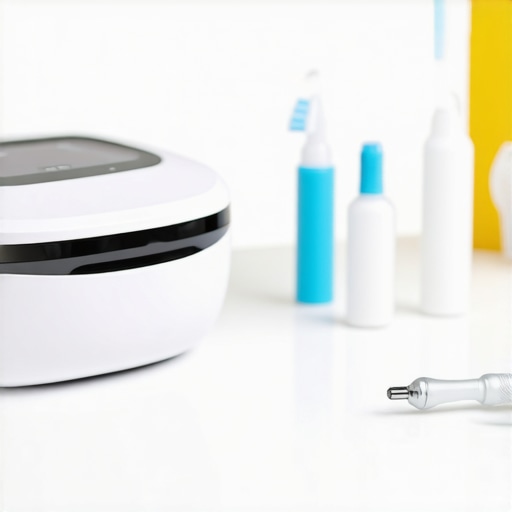 ,
,
Reflecting on my journey through cosmetic dentistry, teeth cleaning, Invisalign, and working closely with my dentist has revealed some eye-opening truths that can save others years of frustration. The most valuable insight I gained is that proactive, personalized care is the cornerstone of a radiant smile and lasting oral health. Instead of waiting for problems to escalate, investing in regular assessments and understanding your unique dental needs has made all the difference.
What Nobody Told Me About Maintaining a Healthy Smile
- Consistent Communication Matters: Staying in regular contact with my dentist allowed me to catch small issues before they became costly repairs. Building that relationship gave me confidence and tailored advice that I couldn’t get from generic routines.
- The Power of Tailored Treatments: Not all dental strategies suit everyone. Personalized plans, especially when considering cosmetic options like veneers or Invisalign, ensure better results and longevity.
- Beyond Aesthetics — Focus on Function: A beautiful smile isn’t just about looks. Functionality, comfort, and oral health go hand in hand. Sometimes, minimal intervention preserves more of your natural teeth than extensive procedures.
- Education Empowers Action: Learning about the latest advancements, such as bio-ion teeth cleaning or 2026 innovations, has motivated me to stay proactive, rather than reactive, with my dental care.
- Keep an Eye on Lifestyle Choices: Habits like grinding or clenching, which I once underestimated, have significant impacts. Using appliances like mouthguards and adjusting my diet created noticeable improvements.
Tools and Resources That Elevated My Experience
- This comprehensive guide became my go-to for daily routines ensuring long-term health and shine.
- Advanced cosmetic dentistry insights kept me informed about options like smile design and veneers that suit my aesthetic goals.
- Invisalign innovations provided clear expectations and helped me stay disciplined during treatment.
- This resource clarified misconceptions about aligners, encouraging me to adhere to my plan for optimal results.
Take Charge and Shine Bright
Your dentist isn’t just there for emergency fixes—they’re your partner in achieving the confident smile you deserve. Embracing personalized care, continuous learning, and mindful habits will make your journey smoother and more rewarding. Remember, every step you take today plants the seeds for a healthier, more vibrant smile tomorrow.
Are you ready to transform your dental routine and unlock that radiant smile? Share your experiences or questions below—I love hearing your stories!
,