
I remember the first time I experienced it—sitting in the dentist’s chair, excited for my Invisalign journey, only to feel a strange wobbliness in my front teeth. It was unsettling, almost alarming, like a sign that something was going wrong. But as it turns out, that sensation is more common than you might think among Invisalign wearers.
If you’ve recently switched to a new tray and noticed your front teeth feeling loose or wobbly, you’re not alone. This sensation can trigger worry—should I be concerned? Is my treatment progressing correctly? Today, I want to share what I’ve learned from personal experience and dental insights to help you understand why this happens and what steps you can take to manage it confidently.
The Truth About Tooth Looseness During Invisalign Transitions
Many Invisalign users report feeling a temporary looseness or movement in their front teeth when changing to a new aligner. This isn’t necessarily a sign of damage or a setback; rather, it can be part of the natural process of teeth shifting into their desired position. When a new tray applies pressure, your teeth may temporarily feel less stable as they’re being gently nudged into alignment.
It’s important to recognize that our teeth are anchored in the jawbone with periodontal ligaments—tiny fibers that allow movement during orthodontic treatment. Slight movement or sensation of looseness indicates that the treatment is doing its job. However, feeling persistent or severe mobility might require attention, so keeping in touch with your orthodontist or dentist is key.
Early in my Invisalign journey, I made the mistake of ignoring this feeling, thinking it was just normal. But I learned that being aware of your body’s responses and maintaining open communication with your dental professional can make all the difference. For further understanding, check out [this comprehensive guide to Invisalign for adults in 2025](https://smilezdentist.com/the-ultimate-guide-to-invisalign-for-adults-in-2025), which discusses common sensations during treatment.
Now, if this is resonating with you and you’re wondering whether this looseness is something to worry about or just a normal part of the process, I promise we’ll explore that next. The goal is to equip you with practical steps to navigate this experience with clarity and confidence.
Apply Gentle Pressure and Maintain Consistency
When you notice your front teeth feeling wobbly after swapping aligners, gently pressing with your fingertip can help validate the looseness. I recall a time I gently pressed on my teeth during a switch; it provided immediate reassurance that the movement was normal. Be consistent with your daily schedule; wearing trays for the recommended 22 hours ensures steady progress and minimizes unnecessary mobility.
Use Chewies to Ensure Proper Tray Seating
Chewies are small cylindrical cushions designed to seat your aligners snugly against your teeth. I kept a stash nearby and bit down on them for a few minutes after inserting each tray. This technique promotes better contact, reducing gaps that could cause perceived looseness. Proper seating is vital—if your aligners aren’t fitting well, the pressure can cause your teeth to wobble more than expected.
Limit Hard and Sticky Foods During Adjustments
Hard foods can exert sudden forces, making teeth feel more unstable. I avoided crunchy snacks right after changing trays, opting instead for softer alternatives like yogurt or steamed vegetables. Sticky foods can dislodge aligners or create uneven pressure, so steering clear prevents additional movement or discomfort.
Maintain Oral Hygiene to Support Proper Healing
Healthy gums and tissues help teeth respond predictably to orthodontic forces. I adopted a stricter routine, brushing twice daily and flossing carefully—especially around brackets and attachments. Proper cleaning prevents inflammation that can worsen mobility, as seen in cases where inflamed gums cause teeth to feel loose. For tips on effective cleaning, refer to these teeth cleaning tips.
Communicate with Your Orthodontist Promptly
If the wobbliness persists or worsens, don’t delay reaching out. I called my orthodontist after a few days of continued looseness; they examined and assured me it was part of the normal movement phase. Keeping them informed prevents unnecessary worry and allows tailored advice or adjustments to your treatment plan. Additionally, they might suggest an in-office check or minor modifications to your trays.
Avoid Excessive Force or Self-Remedies
Resisting the urge to force your teeth back into place prevents damage. I learned this the hard way when I tried to stabilize a loose tooth by biting harder on my aligners—it only increased discomfort. Trust the process and your dental team’s guidance. If you’re interested in deeper insights about managing Invisalign sensations, explore here.
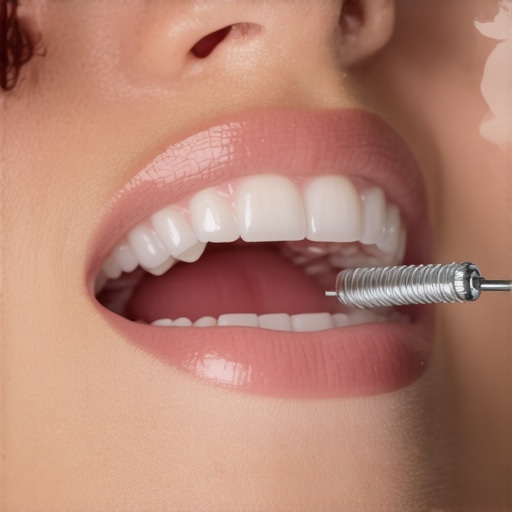
Many believe that a quick dental check-up or flashy cosmetic procedures are enough to ensure long-term oral health. However, this misconception overlooks critical nuances that distinguish truly effective dental care from superficial fixes. For instance, the common myth that whitening or veneers permanently solve aesthetic issues is misleading; underlying problems like enamel erosion or gum health often persist unnoticed. Grasping these hidden aspects requires a deeper understanding of advanced dental practices and the science behind them.
One frequent trap is assuming that routine teeth cleaning alone can prevent all dental maladies. While regular cleanings, as discussed in this guide, are vital, they don’t address deeper issues like occlusal imbalances or microfractures that can cause long-term damage. Overlooking these nuances can lead to costly restorative procedures later on. Most people underestimate the importance of comprehensive diagnostics—including digital scans, 3D imaging, and intraoral cameras—that reveal problems invisible to the naked eye.
Are cosmetic enhancements truly worth the risk of overlooking underlying issues?
Many enthusiasts believe that a Hollywood smile achieved through veneers or bleaching makes everything perfect. Nonetheless, improper application or neglect of underlying decay can result in irreversible damage, as explained in this detailed analysis. It’s essential to consider that cosmetic dentistry is most successful when integrated with functional correction and comprehensive diagnostics.
Additionally, some assume that Invisalign outranks traditional braces, but the reality is more complex. It’s not just about clear aligners; understanding the advanced mechanics of treatment, such as the importance of attachment placement and compliance, is critical. For a deeper insight, check this expert overview.
Beyond treatment choices, there’s often a misconception that teeth whitening is risk-free. The reality is that overuse or improper techniques, like using high-concentration whitening agents without supervision, can harm enamel, leading to sensitivity or even irreversible damage. To avoid falling into this trap, consult your dentist about safe, personalized whitening options.
Understanding these hidden nuances in dental care empowers you to make informed decisions and avoid unnecessary pitfalls. Always remember that effective oral health management combines routine maintenance with advanced diagnostics and personalized treatment plans. To get comprehensive tips on maintaining your smile, visit this resource.
Have you ever fallen into this trap? Let me know in the comments!
Keeping your dental health in top shape over the years requires more than just routine visits; it demands the right tools and consistent maintenance rituals. As someone dedicated to maintaining a brilliant smile, I’ve personally tested and adopted specialized equipment and methods that have proven effective in ensuring long-term results. One essential tool I swear by is an ultrasonic electric toothbrush with a timer. Unlike manual brushes, ultrasonic brushes can disrupt plaque more efficiently and help prevent tartar buildup, which is especially vital following cosmetic procedures like veneers or whitening treatments. I prefer models like the Oral-B Genius X because they incorporate pressure sensors that alert me if I’m brushing too hard, preventing gum recession and enamel wear. Additionally, using fluoride-based mouth rinses like ACT or Sanqueor helps reinforce enamel, especially if you’re prone to sensitivity after whitening or aligner wear. A consistent, daily flossing routine with a Water Flosser offers superior interdental cleaning compared to traditional floss, reaching areas that toothbrushes can’t easily access. I personally favor the Waterpik Ultra, as it gently flushes out debris while massaging gums, contributing to overall oral health. For tracking progress and staying disciplined, I utilize dental health apps such as Dental Monitoring, which allows me to scan my teeth and receive feedback from dental professionals remotely. These apps can identify early signs of issues like plaque accumulation or gum inflammation, enabling prompt action before problems escalate. Looking ahead, the trend is moving toward integrating smart technology into daily dental care—think sensors embedded in aligners or toothbrushes that transmit data to apps for personalized advice. Predicting the future, I believe these innovations will make maintenance easier and more precise, reducing the need for frequent dental visits and empowering patients to take control of their oral health.
How do I maintain my dental tools and ensure they stay effective over time?
Regularly replacing brush heads—about every three months—is crucial for optimal cleaning. I also sterilize my electric toothbrush heads and Water Flosser nozzles weekly using UV sanitizing devices. Proper storage in dry, clean cases helps prevent bacterial buildup. Furthermore, I schedule quarterly check-ups with my dentist to have my tools or techniques reviewed and calibrated if needed. Incorporating these habits guarantees that your tools provide maximum benefits and keep your smile shining brightly for years. For more detailed insights on maintaining your dental equipment, check this comprehensive resource.
The Hidden Lessons Behind Every Wobble
One of the most surprising insights I uncovered during my Invisalign journey was that the sensation of loose or wobbly front teeth isn’t necessarily a cause for alarm. Instead, it often signals that your teeth are responding as they should—gently shifting into their new positions. This realization was a game-changer for me, reminding me that patience and awareness are vital in orthodontic treatments.
Another lesson I learned is the importance of trusting your dental professional’s guidance. Instead of panicking when feeling unexpected mobility, reaching out for a consultation provided clarity and reassurance. Over multiple adjustments, I came to understand that minor mobility can be a natural part of the process, as long as it’s monitored and within healthy limits.
Lastly, I discovered that maintaining consistent oral hygiene and proper tray seating, like using chewies, significantly reduces unnecessary discomfort and perceived looseness. These small practices foster confidence that your treatment is progressing smoothly, emphasizing that attentive self-care complements professional care perfectly.
My Favorite Resources for Navigating Invisalign and Dental Care
When I began exploring deeper into Invisalign and cosmetic dentistry, I found this comprehensive guide invaluable. It condenses years of experience into practical tips, making complex treatment options easier to understand.
For maintaining my oral health routine, this resource offered innovative techniques that I now incorporate daily. Additionally, I trust this site for insights into emerging cosmetic dentistry trends, helping me stay proactive about my smile’s aesthetics.
Collectively, these tools empower me to make informed decisions, blending knowledge from authoritative sources with personal experience to achieve a healthy, beautiful smile.
Keep Moving Forward: Embrace Your Dental Journey
Remember, exploring your dental health and embracing treatments like Invisalign can be transformative. Future innovations will continue to make this journey more comfortable and personalized. So, don’t be discouraged by early sensations—your persistence and proactive care will lead you toward a confident, radiant smile.
What has been your biggest surprise during your Invisalign or dental care experience? Share your story below—I’d love to hear how you’ve tackled unexpected changes.
Comments are closed.