
It was a sunny afternoon when I caught a glimpse of my reflection and noticed something alarming — my gums seemed to be creeping away from my teeth. At first, I brushed it off as simple aging, but as weeks went by, the gap became more noticeable. I felt a wave of panic — could this be permanent? Was surgery my only option?
Why Gum Recession Is More Than Just A Cosmetic Issue
Gum recession isn’t just about a less-than-perfect smile; it can lead to sensitive teeth, increased risk of cavities, and even tooth loss if left untreated. I learned that this condition often results from gum disease, aggressive brushing, or genetic factors. The scariest part? It’s often silent until noticeable symptoms appear. That’s why catching it early and understanding how to stop your gums from receding without surgery can save your health and wallet.
Research indicates that preventing gum recession focuses heavily on maintaining good oral hygiene and avoiding harmful habits. A study published in the Journal of Periodontology highlights how daily plaque control and reduced inflammation significantly slow down gum loss (source).
Are You Falling for These Myths About Gum Health?
Looking back, one mistake I made early on was overzealously brushing my teeth — thinking more was better. It turns out, brushing too hard can damage gums and exacerbate recession, something I *really* wish I’d known sooner. That little slip-up made me more determined to find honest, non-surgical ways to protect and restore my gums.
So, if you’ve noticed your gums receding or feel sensitive when you brush or eat hot/cold foods, you’re not alone. The good news is, there’s hope — and I’m here to share *what* worked for me. Ready to learn the practical approach to halt gum recession and keep your smile healthy? Let’s dive in!
Refine Your Daily Oral Hygiene Routine
Start by adjusting how you brush. Use a soft-bristled toothbrush and gentle, circular motions instead of vigorous back-and-forth scrubbing. I once caught myself brushing harder thinking it would clean better; however, this damaged my gums further. Switch to a tooth brushing technique called the Bass method, which targets plaque without harming delicate gum tissue. Regular practice of this method can significantly reduce recession progression.
Incorporate Anti-Inflammatory Practices
Focus on reducing inflammation that can accelerate gum loss. Rinse with a warm saltwater solution after brushing—dissolve half a teaspoon of salt in a cup of warm water. I tried this after my last cleaning, and the soothing effect helped decrease gum soreness and swelling. Consistent use can promote healing and protect your gums from further recession.
Tackle Plaque Before It Causes Damage
Scheduling regular professional cleanings is vital. Aim for a deep cleaning at least twice a year, or more if recommended. During your appointment, ask your hygienist to use advanced tools like pulsed-light plaque scans (details here), which identify plaque buildup before it hardens into tartar. I once neglected these appointments, and my gum health suffered; now, I prioritize these treatments to prevent recession.
Explore Non-Surgical Cosmetic Options
If recession has exposed root surfaces, consider non-invasive cosmetic treatments like gum grafts or tissue regeneration. Technologies like graphene bonding (see how this works) promote healthy tissue growth without surgery. I visited my dentist for a consultation, and the minimally invasive procedures offered a practical alternative to surgery with quick recovery times.
Adjust Lifestyle Habits Underlying Gum Loss
Eliminate habits that worsen recession—smoking, excessive alcohol, or aggressive flossing. Smokers often experience slower gum healing; quitting improves outcomes. Similarly, being mindful not to over-floss is essential; applying gentle pressure prevents damaging delicate tissue. I had to break my compulsive flossing habit after realizing it was harming my gums. Mindfulness in daily routines preserves gum integrity over time.
Stay Consistent with Follow-Ups and Maintenance
Maintaining your gum health requires ongoing attention. Visit your dentist regularly for checkups and cleanings. After implementing the above steps, I found that sticking to scheduled visits and home care routines was key to halting my gum recession. Use dental products recommended by your dentist, and consider adding specially formulated toothpaste or mouth rinses to bolster your efforts.
Leverage Cosmetic & Technological Advances
Emerging trends in cosmetic dentistry, such as bio-ion salts (more about this technique), provide non-invasive ways to strengthen enamel and promote tissue regeneration. I explored these options and found they complement traditional care, giving me more control over my gum health. Combining these innovations with good habits accelerates healing and prevents further recession.
Many people believe that cosmetic dentistry is primarily a luxury or superficial change, but in reality, it plays a crucial role in long-term oral health and function. A widespread myth is that all whitening treatments or veneers are equally effective and safe; however, not all procedures suit every individual. Knowing the nuances, such as the importance of selecting the right material and technique, can prevent costly mistakes. For instance, some think that Invisalign is just about straightening teeth quietly, but the technology behind its customization involves complex 3D imaging and material science that ensures optimal results and comfort, as highlighted in this detailed guide.
Another misconception is that professional teeth cleaning is merely about removing surface stains. In contrast, modern cleanings involve advanced tools, like pulsed-light plaque scans, which identify and treat issues before they manifest visibly (learn more). Over-relying on DIY methods or neglecting regular visits can lead to unnoticed plaque buildup, resulting in deeper decay or gum recession.
A common pitfall is underestimating the importance of tailored treatment plans. Many assume that a one-size-fits-all approach works, but personalized assessments considering genetic, environmental, and lifestyle factors are critical. For example, individuals prone to tartar build-up might require more frequent professional cleanings or specific preventive strategies, as discussed in this resource.
In the quest for a perfect smile, some skip consultation with experts, believing that cosmetic options like veneers or whitening are straightforward. But, improper preparation or choices can lead to irreversible damage or aesthetic dissatisfaction. It’s essential to consult skilled professionals who understand these subtleties to avoid costly reversals.
Finally, many think that once procedures are done, no further maintenance is necessary. Yet, long-term success depends on diligent home care combined with routine professional evaluations. Consistent flossing, mindful diet, and follow-up treatments sustain the benefits of cosmetic dentistry, avoiding advanced issues like gum recession or enamel erosion.
Remember, the world of dental care is nuanced, and staying informed helps you make smarter choices. Have you ever fallen into this trap? Let me know in the comments! For comprehensive insights, check out latest trends in cosmetic dentistry.
Investing in Precision Tools for Dental Maintenance
Maintaining optimal oral health, especially after cosmetic procedures, demands more than just good brushing habits. I personally rely on a suite of advanced tools and software to monitor, evaluate, and enhance my dental routine. One game-changer has been the use of bio-ion salts during cleaning sessions, which help rebuild enamel and reduce sensitivity (source). This scientific approach ensures my teeth stay stronger and healthier over time.
Beyond that, I utilize pulsed-light plaque scans—an innovative technology that detects plaque buildup before it hardens into tartar, making routine cleanings more effective and less invasive. My dentist has integrated this into my regular visits, allowing for early intervention and long-term preservation of my gum tissue and enamel. Think of it as a ‘health GPS’ for your teeth, guiding targeted treatments before problems escalate.
How do I maintain my dental equipment and software over time?
Regular calibration and updates are crucial. I schedule biannual check-ins for my dental devices, and I update any associated software to ensure optimal performance. For instance, I make sure my Invisalign tracking app is always current, which helps me stay on top of my treatment progression. Staying updated also guards against potential bugs and security vulnerabilities—much like keeping your smartphone and laptop protected and efficient.
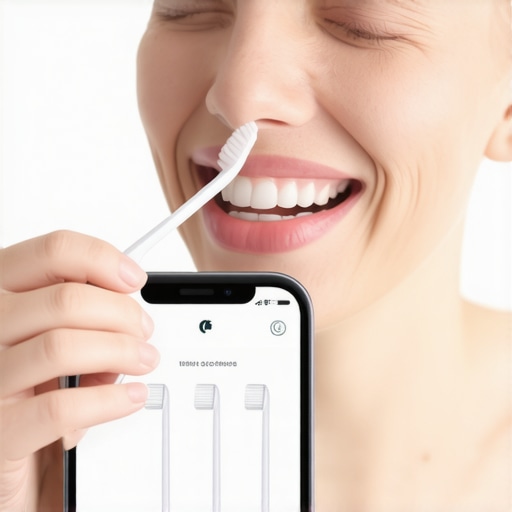
In addition, I incorporate specialized toothbrushes like sonic toothbrushes. I favor models that come with Bluetooth connectivity, allowing me to monitor my brushing habits via dedicated apps. This real-time feedback loop—combining technology and routine—has significantly improved my overall oral hygiene.
Anticipate Future Trends in Dental Maintenance
Looking ahead, I predict that AI-driven diagnostics and personalized oral care programs will become standard. Imagine toothbrushes that automatically adjust intensity based on your gum sensitivity or early detection systems that alert you to potential issues long before symptoms arise. Companies are already making strides with smart sensors embedded into dental appliances, providing continuous health data. Such innovations will make long-term maintenance more seamless and tailored, reducing the need for invasive interventions.
What’s the key to long-lasting results from your dental tools?
Consistent usage paired with staying informed is essential. For example, I follow trusted sources like cosmetic dentistry trends to learn about new devices and techniques. Don’t forget to replace or service your tools as recommended—sensors, brush heads, or software updates. This proactive maintenance ensures your investment continues to serve your smile effectively.
Finally, if you’re looking to optimize your home routine, consider trying a guided oral health app that uses deep learning algorithms to tailor brushing and flossing advice. Combining high-tech tools and informed practices keeps your smile shining bright, long after your initial treatments. Remember, a tech-savvy approach today paves the way for healthier smiles tomorrow!
Lessons That Changed My Approach to Smile Care
- Embracing gentle techniques: I discovered that soft brushing with the Bass method not only preserves my gums but also prevents recession. Overzealous scrubbing was a rookie mistake I made early on, and learning to be gentle turned my routine around.
- Holistic habits matter: Quitting smoking and moderating alcohol had a profound impact. These lifestyle changes addressed root causes of recession that no mouthwash could fix, reminding me that oral health extends beyond toothbrushes and floss.
- Technology as a trusted ally: Incorporating pulsed-light plaque scans and bio-ion salts transformed my dental maintenance from reactive to proactive. These innovations reveal issues before they worsen, giving me peace of mind and a healthier smile.
Tools That Elevated My Dental Routine
- Sonic toothbrushes with Bluetooth integration: I swear by these for real-time feedback on my brushing habits, ensuring I never miss spots or brush too hard. They make daily care feel both clever and effective.
- Deep-clean gel and specialized floss: Combining these with regular professional cleanings strengthens my defenses against plaque buildup and gum recession. Trusted brands recommended by my dentist keep my routine consistent and results lasting.
- Educational resources and expert blogs: Staying updated through trusted sites like these keeps me informed of emerging trends, helping prevent misconceptions and guiding my choices.
Keep Your Smile Bright: An Invitation to Act
Your journey to healthy, recession-free gums doesn’t stop here. By integrating smart habits, employing the right technology, and staying informed, you too can protect your smile naturally and effectively. Don’t wait for symptoms to emerge—be proactive.
What small change are you willing to make today that could prevent gum recession tomorrow? Share your thoughts below and let’s support each other’s journey to better oral health!