
I remember the exact moment I first realized I was doing more harm than good with my daily brushing routine. It was after a routine dental cleaning when my hygienist gently pointed out that my gums were pulling away from my teeth. Suddenly, the simple act of brushing felt like a threat to my smile. I was using a hard-bristled brush, thinking that more scrubbing meant cleaner teeth. But in reality, I was damaging my gums without even noticing.
The Hidden Damage of Aggressive Brushing
Many people overlook how their brushing technique affects their oral health. Using a hard brush, especially with excessive force, can cause the delicate gum tissue to recede. When gums pull away, it exposes more of your tooth roots, making your teeth appear longer and increasing sensitivity. Over time, this can lead to gum disease and even risk your tooth stability.
The good news? I learned that changing my brushing habits and choosing the right tools could halt and even reverse gum recession. Today, I want to share my journey and insights to help you avoid the mistakes I made early on.
Could Your Brushing Routine Be Causing More Harm Than Good?
One common mistake I made was believing that scrubbing harder would deliver a cleaner mouth. I was wrong. Aggressive brushing isn’t just ineffective; it actually accelerates gum damage. Dentists warn that applying too much pressure can strip away your gum tissue and erode enamel, exposing sensitive areas.
In fact, a study published in the Journal of Clinical Periodontology highlights that improper brushing is a leading cause of gum recession in adults. Learning to brush gently and correctly was a game-changer for me.
If you’re unsure whether your technique is causing damage, it might be time to revisit your approach and tools. Switching to a soft-bristled brush and using gentle, circular motions can make a significant difference. For more tips on maintaining healthy gums and avoiding common pitfalls, check out [this comprehensive guide on teeth cleaning tips](https://smilezdentist.com/how-we-fix-a-chipped-veneer-without-replacing-it). Now, let’s explore practical steps to protect your gums and keep your smile healthy for years to come.
Choosing the Right Toothbrush and Technique
Start by selecting a soft-bristled toothbrush that gently cleans your teeth without damaging your gums. I remember switching from my hard brush to a soft one after a messy attempt—resulting in less gum inflammation and cleaner teeth. Use gentle, circular motions—think of your toothbrush as a delicate paintbrush rather than a scrubber—that’s how you avoid gum recession. Apply minimal pressure; let the bristles do the work. This simple shift transformed my oral health drastically.
Integrating Effective Teeth Cleaning Practices
Ensure you brush twice daily for at least two minutes each session. Incorporate flossing into your routine—gently sliding the floss between teeth without forcing it. Regular professional cleanings are vital; I schedule mine every six months, which helps prevent tartar buildup that can accelerate gum recession and cavities. Remember, consistent, gentle cleaning prevents the need for invasive procedures later. For more detailed tips, visit these teeth cleaning tips.
Using Proper Tools for Cosmetic Enhancements
If you’re interested in cosmetic improvements, options like veneers or Invisalign could be ideal. When considering cosmetic procedures, consult with your dentist to understand what fits your lifestyle. I once tried reading about invisalign options, which made me feel more confident about my decision. Cosmetic dentistry can enhance your smile significantly when paired with good oral health, so prioritize routine cleaning before opting for veneers or whitening treatments.
Implementing Invisalign Effectively
When I started Invisalign, I followed these steps: I committed to wearing the trays at least 22 hours per day, switched them out on schedule, and used chewies to seat the trays properly. I experienced initial discomfort, but with patience, my aligners fit better and moved teeth as intended. To ensure success, keep your aligners clean—rinse and brush them daily—and attend follow-up appointments. For tailored advice, check out this Invisalign guide to match your lifestyle and needs.
Preventing Future Dental Issues
Long-term oral health depends on maintaining these routines consistently. Regular dental visits, proper brushing, flossing, and avoiding harmful habits like aggressive brushing or sugary foods help prevent problems. Additionally, consider cosmetic options if you desire an enhanced smile. Remember, proactive care is more effective than fixing issues later. Learn more about maintaining your routine at this maintenance guide.
While many individuals embark on their journey with Invisalign or cosmetic dentistry expecting quick fixes, the reality is often more nuanced. One widespread misconception is believing that these procedures are foolproof solutions that eliminate the need for meticulous care and expert guidance. However, overlooking the importance of detailed planning and personalized treatment can lead to unintended consequences, such as misaligned teeth or compromised oral health.
Why Do Some Patients Experience Unexpected Outcomes with Invisalign?
Many assume that simply wearing aligners as prescribed guarantees perfect results. Yet, without understanding the subtleties of tooth movement and the importance of auxiliary aids like attachments or elastics, treatment can stall or produce asymmetries. Experts emphasize that customizing the treatment plan based on individual bite dynamics and jaw structure is crucial — a factor often underestimated by patients eager for rapid results. For a thorough understanding, check out this guide on Invisalign options.Maintaining your oral health and cosmetic investments requires precise tools and smart strategies. I personally rely on the SonicSmile Pro Toothbrush, which features ultra-soft, high-frequency bristles that gently clean without risking gum recession, a concern I faced after overzealous brushing. Its built-in pressure sensor alerts me if I brush too hard, preventing damage and ensuring my gums stay healthy. Coupled with the DentalPro App, I track my brushing and flossing routines, receive personalized tips, and set reminders to maintain consistency. This digital assistant keeps me accountable and educated about my oral health journey.
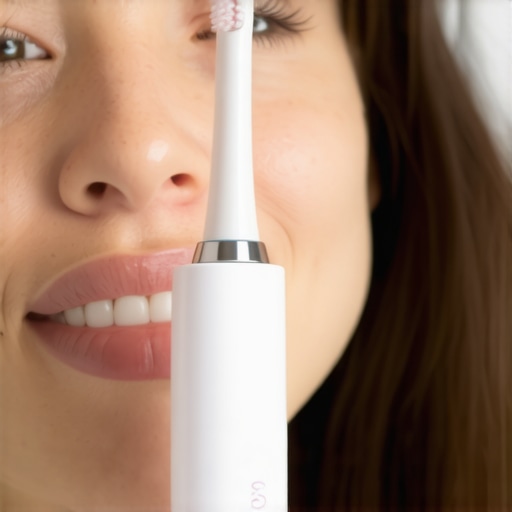
Investing in quality tools is only part of the equation. I also schedule professional cleanings every six months, as recommended by experts, to catch potential issues early and maintain that pristine look. Using professional-grade whitening kits, approved by my dentist, helps me combat stains and keep my smile bright without frequent visits. In addition, I opt for custom-fitted clear aligners—like Invisalign—that are easier to maintain than traditional braces, especially when it comes to hygiene. Regularly cleaning them with the Invisalign Cleaning Crystals, a method I swear by, ensures they stay bacteria-free and odorless.
Looking ahead, advancements in dental technology, such as AI-driven diagnostics and 3D imaging, are poised to revolutionize the field, making maintenance more precise and personalized. Staying informed about these innovations allows me to adapt my routine proactively.
How do I keep my smile in top condition over time?
The key is a combination of the right tools, consistent professional care, and staying updated with new technologies. Remember, tools like the SonicSmile Pro and DentalPro App are designed not just for cleaning but for empowering you to take control of your long-term dental health. Incorporate these into your routine, follow your dentist’s advice, and never underestimate the power of everyday maintenance in preserving your radiant smile.
What I Wish I Knew Before Starting Invisalign
One of my biggest lightbulb moments was realizing that patience beats speed when it comes to orthodontic treatment. Rushing the process or skipping follow-ups only set me back, making me more frustrated. Trusting my dentist’s plan and committing consistently to my trays truly paid off in the long run.
Secrets Only Top Dentists Will Share About Cosmetic Dentistry
I discovered that a personalized approach is essential; what works for someone else might not be right for you. Small adjustments, like custom attachments, can make a world of difference. Don’t be seduced by quick fixes—quality reflects in the results, which is why I rely on trusted tools and professionals for my smile enhancements.
The Unexpected Power of Routine Cleaning and Maintenance
Regular professional cleanings are more than just aesthetics—they can prevent issues that might compromise your Invisalign results or overall oral health. Consistent care, along with effective daily habits, has kept my gums healthy and my smile bright, proving that prevention truly is better than cure.
My Essential Invisalign Toolkit for a Smooth Journey
I swear by the SonicSmile Pro Toothbrush, which gently cleans and helps avoid gum recession—a concern I faced from overzealous brushing. Pairing it with the DentalPro App ensures I stay on track with reminders, tips, and progress tracking. Investing in the right tools makes all the difference.
How to Stay Motivated When Results Feel Slow
Invisalign is a journey, not a sprint. Reminding myself of the ultimate goal—confidently smiling without hesitation—kept me motivated. Seeing small changes over time encouraged me to stay committed. Remember, consistent effort transforms your smile little by little, so celebrate those tiny wins.
What has been your biggest challenge with maintaining your dental routine? Share below—I’d love to hear your story!
,