
Have you ever caught a whiff from your Invisalign trays that sent you scrambling for fresh breath spray or gum? I remember the moment I first noticed that unmistakable smell—it hit me during a meeting, and I instantly felt self-conscious. It was a lightbulb moment that made me realize something needed to change. If you’ve been battling that stale, saliva-y odor, you’re not alone. Many Invisalign wearers face this pesky issue, and it can really dampen your confidence and enjoyment of the treatment.
But here’s the good news: I’ve found three effective strategies that have completely transformed my experience. These methods are simple, practical, and, best of all, they actually work. Today, I promise to share with you exactly how to keep your Invisalign trays smelling fresh—so you can smile confidently without worrying about that unpleasant aroma.
Why Your Invisalign Might Smell Like Old Saliva
Before jumping into solutions, let’s talk about why this happens in the first place. When you wear Invisalign, saliva, bacteria, and plaque can build up on the trays, creating a perfect environment for odors. The trays are like tiny petri dishes if not cleaned properly, trapping moisture and bacteria that produce that foul smell over time.
A common mistake I made early on was neglecting regular cleaning, thinking rinsing with water would suffice. But the bacteria lurking on those surfaces can multiply quickly, especially if you don’t dry and disinfect the trays thoroughly. Interestingly, according to top dental experts, neglecting proper cleaning is one of the leading causes of bad odor and even dental issues down the line. For a deeper dive into common teeth cleaning myths—which could be affecting more than just your Invisalign smell—you might want to check out this resource from top dentists: Teeth cleaning myths debunked.
So, why does it matter now? Well, aside from the obvious confidence boost, maintaining fresh trays is crucial for oral health. Bacteria that fester on your Invisalign can contribute to gum issues, cavities, and even bad breath outside the trays. Imagine going to an important event or job interview and feeling embarrassed because of a noticeable odor—no thanks!
In the next sections, I’ll walk you through the three tried-and-true methods I personally use to keep my Invisalign smelling perfect. These tips are practical, easy to do, and will save you from those awkward moments. Ready to say goodbye to that stale saliva scent? Let’s get started and make your Invisalign experience as fresh and comfortable as it deserves to be.
Master the Art of Cleanliness with Daily Rinses
Start by rinsing your trays with lukewarm water immediately after removal, much like rinsing a paintbrush to prevent paint from drying and hardening. I once forgot this step during a hectic morning—my trays smelt terrible by evening. After I adopted a routine of quick rinses, the odor disappeared. For extra freshness, soak your trays in a mixture of water and a few drops of antibacterial mouthwash or denture cleaner twice a week, mimicking the way dental professionals disinfect tools.
Scrub and Disinfect Regularly to Eliminate Bacteria
Use a soft-bristled toothbrush and a gentle, fluoride-free toothpaste to clean each tray thoroughly, as if polishing a gemstone to bring out its sparkle. I remember carefully scrubbing my Invisalign trays one Sunday morning, getting into all the nooks and crannies—this simple act drastically cut down on bad smells. Incorporate specialized cleaning tablets designed for clear aligners to disinfect deeper, similar to sterilizing medical instruments. This prevents bacterial buildup that causes unpleasant odors and maintains your trays’ transparency.
Dry Completely Before Storing
Ensure your trays are completely dry before placing them in their case. Think of it like storing your favorite pair of sunglasses—moisture invites mold and bacteria, leading to odors. After cleaning, I used a lint-free cloth to pat my trays dry and let them air out briefly. Avoid wrapping them in towels or paper towels, which can trap moisture. Storing them in a breathable case keeps them fresh and odor-free until next use.
Implement a Weekly Deep Clean
Set aside time each week for a more thorough cleaning process. Soak your trays in a mixture of equal parts water and white vinegar for 15-30 minutes to break down mineral deposits and bacteria, mirroring the way dentists use vinegar rinses as a natural disinfectant. After soaking, brush gently to scrub away residual molecules. An easy tip from my routine is using an old toothbrush to reach tricky spots, ensuring no buildup remains, much like cleaning dental appliances thoroughly to prevent plaque and odor.
Watch Your Diet and Oral Hygiene Habits
Limit foods and drinks that cause staining and odor, like coffee and garlic, much like maintaining good oral hygiene practices outside of Invisalign care. Brush your teeth after meals and before inserting trays to minimize food particles and bacteria. I found that chewing sugar-free gum and drinking plenty of water also help neutralize mouth odors, reducing bacteria transfer onto the trays. Regular flossing and dental checkups further support the goal of fresh, odorless trays.
Use Natural Odor Absorbers
Place trays or their case in proximity with odor-neutralizing options like baking soda or activated charcoal, which absorb smells naturally. I kept a small container of baking soda nearby and noticed a significant reduction in lingering odors. This simple addition acts like a sponge, trapping bad smells before they become noticeable. Remember, consistency is key—these small steps accumulate for long-term freshness.
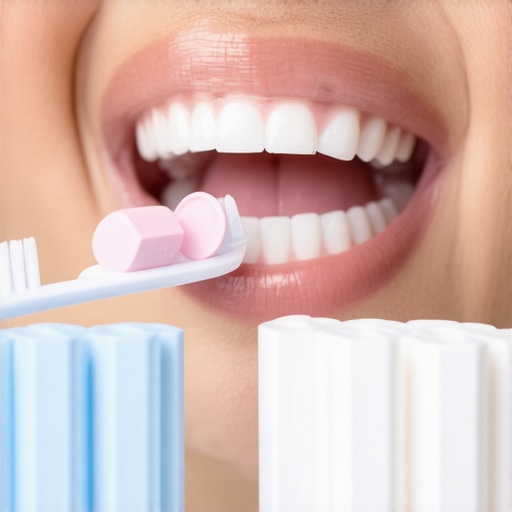 Many people assume that visiting the dentist is solely about addressing cavities or whitening teeth. However, misconceptions run deep, and understanding the nuances can significantly impact your oral health. One widespread myth is that professional cleanings are purely cosmetic. In reality, as highlighted in studies by top dental researchers, regular cleanings are key to preventing gum disease and systemic health issues. Learn more about teeth cleaning myths.
Another common error concerns Invisalign treatment. Many believe it’s just a cosmetic fix, but advanced insights reveal that Invisalign can also correct bite issues and align jaws properly, reducing long-term dental problems. To explore this further, check out why Invisalign is the future of orthodontics.
A trap worth avoiding is over-relying on DIY whitening or cleaning. While tempting, improper techniques can damage enamel or exacerbate existing problems. The key is to consult with a professional who can customize a safe, effective plan tailored to your needs. For detailed guidance, visit maintaining your long-term oral health.
What about cosmetic dentistry? Many think it’s purely vanity. In truth, contemporary procedures like veneers and bonding not only improve aesthetics but also restore function and prevent further decay. Discover the latest trends at cosmetic dentistry innovations.
An advanced point to consider is how improper brushing technique can cause gum recession, not just plaque buildup. This nuanced understanding helps in choosing softer brushes or correct brushing angles. For expert tips, see why gums recede despite good hygiene.
Make sure to stay informed and question common beliefs. Do you ever fall into these traps? Let me know your experiences in the comments. Remember, choosing the right dental practices is a cornerstone of lifelong oral health and confidence.
Maintaining optimal dental health over the long term requires more than just good habits; it demands the right tools and consistent routines. As someone deeply invested in premium dental practices and cosmetic dentistry, I’ve curated a set of equipment and methods that have revolutionized my oral care routine and can do the same for you. From advanced cleaning devices to specialized software, these tools ensure your smile stays bright, healthy, and aligned, minimizing issues and maximizing results.
Precision Cleaning with Ultrasonic Devices
One of my go-to tools is the ultrasonic toothbrush, like the Sonicare DiamondClean. The high-frequency vibrations effectively dislodge plaque and bacteria deep between teeth and along the gumline, surpassing manual brushing in efficiency. I personally notice reduced gum bleeding and fresher breath after incorporating ultrasonic brushing into my daily routine. These devices are especially useful for Invisalign wearers, aiding in removing bacteria that can cause odor and decay without risking damage to aligners.
Professional-Grade Disinfection Tools
For deeper cleaning, I recommend investing in a UV-C sterilizer designed specifically for dental appliances. Devices such as the SteriPEN can sanitize aligners, retainers, and even toothbrushes within minutes. Regular disinfection prevents bacterial buildup that could lead to odor or dental issues. As studies indicate, UV sterilization effectively reduces microbial presence, supporting better oral hygiene and appliance longevity. Learn more about maintaining your routine.
Advanced Software and Scheduling for Consistency
Staying on top of appointments and routine care can be challenging. That’s why I use dental management apps like Dental Monitoring, which sync with your dentist’s system to remind you of cleaning schedules, track progress, and even provide virtual consultations. These tools help me adhere to my long-term plan, ensuring consistent cleaning and appointment attendance, which are critical for lasting results.
Where the Trend Is Going
Looking ahead, I predict a surge in AI-powered dental tools that customize cleaning routines based on individual habits and oral conditions. Such innovations will provide personalized guidance, empowering patients to take more control and achieve better long-term health outcomes. Additionally, integrated systems combining AI diagnostics with at-home tools may soon enable real-time monitoring of oral health, alerting you to issues before they escalate.
How do I keep my tools effective over time? Dive Into Proper Maintenance
To ensure your advanced dental tools continue working optimally, regular maintenance is crucial. Rinse ultrasonic brushes thoroughly after each use, replace brush heads every three months, and sanitize your devices weekly with UV sterilizers. Software updates for management apps should also be installed promptly to benefit from new features and security patches. Remember: like any high-precision instrument, neglect leads to diminished performance. Trust me, maintaining your equipment properly prolongs their lifespan and keeps your smile at its best. For detailed guidance, explore this resource. Practice this diligently, and your long-term results will be far more successful.
Start integrating one of these tools today—such as upgrading to an ultrasonic toothbrush or scheduling regular sterilizations—and watch how your dental health improves over time. Remember, staying proactive with the right equipment and maintenance sets the foundation for a lifetime of confident smiles.
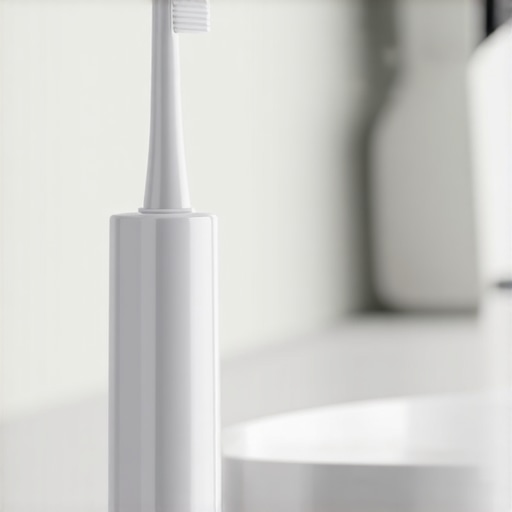
Environmental factors and tool upkeep play a vital role in long-term dental health. Proper storage, cleaning, and timely replacements prevent buildup and ensure your tools perform at their best. For example, inspecting your Invisalign trays regularly and replacing worn components can prevent discomfort and maintain alignment efficacy. In the future, I see more intelligent devices that learn your habits and suggest precise actions, making dental care more personalized and effective. To stay ahead, consider investing in quality tools now and committing to their upkeep—your smile will thank you.
Lessons That Changed My Approach to Smiles
One of my biggest lightbulb moments was realizing that consistent cleaning routines are not just about fresh breath but about preserving your investment in a beautiful, healthy smile. Neglecting the deeper cleaning steps led me to experience lingering odors and even minor gum irritation, teaching me that superficial rinses aren’t enough. I also discovered that investing in advanced tools like ultrasonic toothbrushes and UV sterilizers was a game-changer, saving me time and ensuring long-term safety. Moreover, I learned that personalized digital apps for scheduling appointments and tracking progress kept me committed and prevented lapses that could compromise results. Lastly, understanding that myths—like only visiting the dentist when something hurts—are false, motivated me to adopt proactive habits for lifelong oral health.