
Ever sat in the dentist’s chair, watching that tiny shade guide flicker against your teeth, and wondered if they got it right? I remember the moment vividly. After spending years battling stained and chipped teeth, I finally decided to get veneers. But when they arrived, I couldn’t help but feel a pang of disappointment — the shade looked just a tad off, and I worried everyone would notice the difference. That lightbulb moment made me realize how critical matching a veneer to your natural tooth color truly is. If you’re like me, you’ve probably felt that mix of excitement and anxiety during the shade selection process.
Why Getting the Perfect Veneer Shade Matters More Than You Think
Choosing the right shade for a veneer isn’t just about aesthetics; it plays a significant role in your confidence and how you feel when you smile. Imagine biting into something dark or a berry, only to see your veneer stand out as if it’s glowing in the night. Frustrating, isn’t it? The subtle differences in tooth color can make or break your smile’s natural appearance. A mismatch can lead to that uneasy feeling of ‘I don’t quite look right,’ which can affect your self-esteem for days.
Skeptical About How Precise Shade Matching Really Needs to Be?
I used to think a shade is just a shade — but I learned the hard way that even a slight mismatch can be glaring under certain lights. Early in my cosmetic journey, I made the mistake of trusting a quick visual match without understanding the importance of lighting conditions or the natural translucency of teeth. As a result, my veneers looked grayish in some lights and overly bright in others. This oversight was a wake-up call. You might be surprised to learn that professional shade matching involves a lot more than just picking a color from a guide. The process considers lighting, translucency, and even how your teeth look when you smile naturally. Want to avoid the pitfalls I faced? Keep reading, and I’ll walk you through how to achieve that seamless blend, ensuring your veneers look natural no matter the occasion.
Choose Your Lighting Conditions Carefully
Start by assessing your natural tooth color under natural daylight. Before visiting your dentist, examine your teeth outside, near a window, to get an accurate sense of their shade. I once attempted shade matching during my lunch break under fluorescent office lights, which made my teeth look brighter than they actually are. This mistake led to a mismatch that only became obvious once I saw the veneers in natural light. Remember, lighting can drastically affect color perception, so always verify your teeth’s shade in natural surroundings.
Use the Shade Guide Methodically
Ask your dentist for a standardized shade guide, which features a range of tooth colors. Hold the guide against your teeth and compare directly, making sure to look from multiple angles and in different lighting conditions. I once skipped this step and relied solely on my visual impression, resulting in a mismatch with my surrounding teeth. To prevent this, I took the guide outside on a sunny day, then compared it with my teeth to make a more informed choice. This step refines your judgment and reduces subjective error.
Pay Attention to Translucency and Gloss
To achieve a natural look, consider the translucency and gloss of your teeth. Natural teeth aren’t uniformly opaque; they vary across the surface. I once neglected this, selecting a shade that looked perfect on the guide but appeared flat and unnatural on my teeth. To mimic this, ask your dentist to evaluate your teeth’s translucency, which affects how light passes through. Incorporate this into your choice by choosing a shade that matches the depth and glow of your current teeth.
Match Your Veneers to Your Smile Dynamics
Match the shade taking into account your smile in motion. When I finally matched my veneer shade, I smiled in a mirror and noticed that the shade looked different when I fully smiled versus when I was just showing my front teeth. My dentist recommended checking the shade while you are smiling naturally. This accounts for how light and shadows play across your teeth, ensuring a seamless integration with your overall appearance.
Test the Match with Multiple Lightings
Before finalizing, view the shade under various lighting sources—sunlight, incandescent bulbs, and fluorescent lights. I learned this the hard way when my veneers looked fine in natural light but appeared mismatched indoors. To avoid surprises, I took a photo of my teeth in different lighting and compared the shades. Doing so helps ensure your veneers blend perfectly in all environments.
Communicate Clearly with Your Dentist
Express your expectations and the specific shade you prefer. Bring physical samples or photos that exemplify the shade you want. During my consultation, I showed my dentist a photo of my ideal smile, which helped them understand my vision better. Clear communication prevents misunderstandings and ensures both you and your dental team are aligned on the perfect shade choice.
Regularly Review and Adjust Over Time
Remember, teeth can change color due to aging, diet, or habits. I periodically compare my veneers with my natural teeth, especially after increasing coffee intake. If you notice a disparity developing, discuss options with your dentist. Regular checks keep your smile consistently radiant and natural-looking.
While many assume that visiting the dentist and sticking to routine cleanings are enough for perfect oral health, there’s a wealth of nuances that dental professionals understand deeply, which many patients often miss. One common myth is that all cosmetic dentistry is purely superficial. In reality, procedures like veneers or whitening can significantly influence long-term oral health and even impact your bite if not carefully planned. For instance, aggressive whitening without assessing enamel health can lead to increased sensitivity or damage, contradicting the common belief that more whitening means better results. (Learn more about teeth whitening pitfalls in our detailed analysis.) Another overlooked aspect is how *invisible aligners*, such as Invisalign, require strict adherence beyond just wearing them. Missing a day or not following the prescribed plan can shift teeth unexpectedly, creating complex corrections that might have been avoidable. To see how advanced planning and patient compliance make or break these treatments, check out [The Ultimate Guide to Invisalign for Adults in 2025](https://smilezdentist.com/the-ultimate-guide-to-invisalign-for-adults-in-2025). A frequent trap many fall into is assuming that teeth cleaning is just about aesthetics. In truth, professional cleanings are a frontline defense against gum disease and systemic health issues. In fact, neglecting proper cleaning techniques can result in unintended consequences, such as recession or enamel erosion. For evidence-based insights, visit our article [Teeth Cleaning Myths Debunked](https://smilezdentist.com/teeth-cleaning-myths-debunked-by-top-dentists). An advanced concern involves the *use of dental tools*—the types and techniques used during procedures are tailored to individual needs, and improper use can cause micro-damage over time. Dentists are trained to balance effective cleaning with conservation of tooth structure, an expertise often underappreciated. Never underestimate the importance of your provider’s skill in avoiding unnecessary trauma.
What subtle signs indicate that your dentist might be missing underlying issues during routine procedures?
Sometimes, practitioners overlook early indicators of periapical infections or cracks, which may appear as minor discomfort but can escalate if ignored. Regularly, systemic factors like vitamin deficiencies cause symptoms such as bleeding gums or sensitivity, which are mistaken as isolated oral hygiene issues. Recognizing these signs early requires a nuanced understanding of oral-systemic links, an area where expert dentists excel. To explore how nutritional factors impact dental health, see [The Truth About Bleeding Gums and Vitamin Deficiencies](https://smilezdentist.com/the-truth-about-bleeding-gums-and-vitamin-deficiencies). So, the takeaway is that effective dental care isn’t just about routine; it involves understanding complex interplays, precision in execution, and personalized strategies. Have you ever fallen into this trap? Let me know in the comments.
Keeping Your Smile in Top Shape: Essential Tools and Strategies
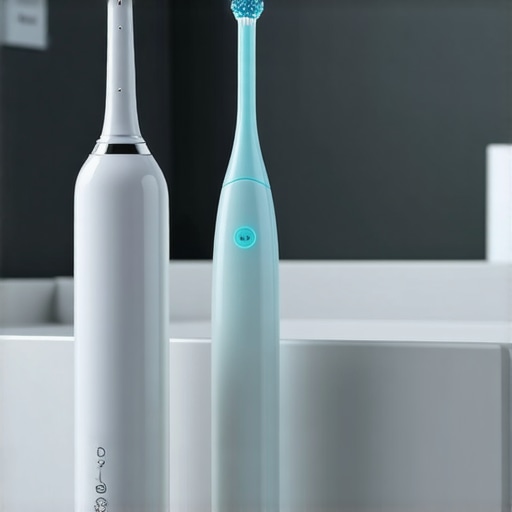
Maintaining a healthy and beautiful smile over the years requires more than just routine visits to your dentist. It involves investing in the right tools and adopting effective habits that support your dental health in the long run. One of my go-to instruments is a high-quality electric toothbrush, such as the Sonicare DiamondClean. I personally prefer it because of its pulsating technology, which provides a superior plaque removal compared to manual brushes, especially around implants and veneers. Regular use of this device has significantly reduced my tartar buildup and gum inflammation.
Another crucial tool I recommend is a water flosser, like the Waterpik Aquarius. It’s particularly beneficial for cleaning hard-to-reach areas and around braces or aligners. I find it helps me maintain interdental hygiene efficiently, reducing the risk of cavities and periodontal issues. Adopting a timer—either a basic kitchen timer or an app—ensures that you brush and floss for the recommended durations, making your routine more effective.
What’s the Future of Dental Maintenance Tools?
Innovations such as AI-powered toothbrushes are emerging, offering real-time feedback on brushing habits and pressure applied. Companies are integrating biometric sensors that monitor gum health or detect early signs of decay, promising a proactive approach to dental care. Staying informed about these developments can help you adapt and choose tools that align with future trends.
How do I maintain Invisalign treatments over time?
Proper care of your Invisalign aligners involves regular cleaning with a soft toothbrush and mild soap or Invisalign cleaning crystals—never use toothpaste, which can scratch the plastic. Storing them in their designated case when not in use prevents loss or damage. Additionally, adhering strictly to wearing schedule and replacing attachments as advised by your dentist ensures consistent results. Regular check-ins help your orthodontist monitor progress and address any issues early. For detailed advice on lifestyle adjustments during Invisalign, consider reviewing how to choose the best Invisalign options and keeping your aligners and oral hygiene routine optimal.
Remember, consistency is key. The more diligent you are with these tools and tips, the more durable and natural your dental results will remain. Trying out a water flosser combined with a sonic toothbrush can be a game-changer for maintaining your aesthetic investments like veneers, crowns, or implants. So, arm yourself with these tools and take charge of your long-term dental health.
Finding that perfect harmony between your natural teeth and cosmetic enhancements is a journey filled with subtle nuances and unexpected lessons. One of the most impactful insights I discovered is how often overlooked factors, like the way light interacts with your teeth at different times of day, can make or break the illusion of a natural smile. For instance, I used to think that a good shade match was solely about color; now I understand that translucency and surface gloss play equally vital roles. Being aware of these elements has empowered me to communicate more effectively with my dentist, ensuring my veneers not only look good under salon lights but truly blend into my everyday environment.
Another eye-opener was realizing the importance of patient feedback during the shade selection process. Instead of trusting the dental professional alone, I learned to observe how my smile appeared in photos, under various lighting conditions, and when I laughed naturally. This comprehensive approach dramatically improved the accuracy of my shade choice, saving me from that awkward adjustment phase later on. It’s a reminder that your eyes, combined with honest self-evaluation, are invaluable tools in achieving the most authentic smile.
Finally, I uncovered the seamless connection between routine dental practices and cosmetic results. Regular polishing, scale, and cleanings don’t just keep your teeth healthy — they set the perfect canvas for cosmetic procedures to shine. When my oral health was top-notch, my veneers looked radiant much longer, reinforcing that a proactive approach to overall dental care amplifies the beauty of cosmetic enhancements. Embracing this holistic perspective transformed my smile journey from a one-time event into a lifelong commitment to confidence and health.