Ever had a simple teeth cleaning turn into a sleepless night? There I was, sitting in my dentist’s chair, feeling fresh and proud of myself for sticking to my routine, only to be hit with an inexplicable, persistent throbbing in my gums. It was as if my mouth had declared some sort of mini-war after what should’ve been a straightforward procedure. That unsettling ache stayed with me long after the cleaning ended, leaving me frustrated and worried.
Realizing I Wasn’t Alone with This Dilemma
This led me down a rabbit hole of research, talking to dental professionals and digging into what causes this post-cleaning discomfort. It turned out, I wasn’t alone—many people experience similar issues, but few are aware of why it happens or how to manage it effectively. Part of the confusion comes from a common misconception that a professional cleaning should always be quick and painless. But the reality is, sometimes, we can experience temporary gum sensitivity or throbbing that feels just as intense as a toothache.
Understanding the reason behind this pain is crucial. It can be caused by multiple factors, such as minor gum inflammation, the removal of tartar exposing sensitive areas, or even the body’s natural inflammatory response to cleaning. Interestingly, according to studies, up to 70% of patients report some degree of discomfort after deep cleaning procedures, especially if they have underlying gum issues or heightened sensitivity (source).
Have You Faced This Problem Too?
If you’ve ever wondered why your gums decide to throb hours, or even days, after a routine scrape, you’re not imagining it. And if you’re tempted to just tough it out, I understand—the discomfort can be genuinely discouraging. But here’s the good news: there’s a way to reduce this pain and protect your gums in the long run.
In this article, I’ll walk you through the common causes for post-cleaning pain and share practical, proven tips to keep your gums healthy, comfortable, and free from unnecessary suffering. Believe me, with just a few adjustments, you can make your next visit smoother and more comfortable. So, let’s dive into the steps that will help you turn a dreaded experience into a manageable part of your dental care routine.
Apply Cold Compresses Promptly for Immediate Relief
After experiencing gum throbbing, I immediately pressed a cold pack against my cheek, simulating the sensation of holding a cold, damp cloth to soothe the inflamed area. This step constricts blood vessels, reducing swelling and numbness, which can significantly decrease pain. Keep the cold compress on for 15-minute intervals, with 10-minute breaks in between, to prevent frostbite. This simple technique provides quick relief and helps control initial discomfort.
Choose Gentle Oral Care Products to Prevent Further Irritation
I swapped out my harsh whitening toothpaste for a gentle, fluoride-rich option, similar to how you’d choose a soothing lotion for sensitive skin. Look for products labelled for sensitive gums or containing potassium nitrate. Regularly using these reduces irritation, giving your gums a chance to heal. Avoid abrasive brushes or rough flossing, which can worsen soreness, and instead opt for ultra-soft toothbrushes and gentle floss motions.
Maintain a Proper Oral Hygiene Routine to Speed Healing
Consistency is key—so I committed to a gentle, thorough cleaning twice daily, ensuring I didn’t neglect my gums while avoiding aggressive scrubbing. Rinse with an alcohol-free, antiseptic mouthwash to decrease bacterial buildup and promote healing. Implementing a routine similar to regular maintenance helps prevent infection and fosters tissue recovery, reducing pain over time.
Use Natural Anti-Inflammatory Remedies for Long-Term Comfort
I incorporated rinsing with warm salt water several times daily, which acted like a natural antiseptic and reduced inflammation. Dissolve a teaspoon of salt in a cup of warm water; swish thoroughly for 30 seconds before spitting. This technique is akin to managing minor cuts with salt—they heal faster and with less pain. Consistent use helps soothe soreness and minimizes the risk of infection, leading to more lasting relief.
Adjust Your Diet to Support Healing and Minimize Discomfort
I avoided spicy, acidic, or very hot foods, opting instead for soft, cool options like yogurt and smoothies. Think of your gums as a delicate wound—harsh foods act like sparks that aggravate the injury. Incorporating nutrient-rich, soft foods supplies essential vitamins and minerals to boost tissue repair. Staying hydrated also helps flush out toxins and maintain oral moisture, which calms inflamed tissues.
Follow Professional Advice to Prevent Future Problems
Finally, I scheduled a follow-up with my dentist to discuss my post-cleaning discomfort, ensuring there’s no underlying issue. Regular dental visits—at least twice a year—are like scheduled tune-ups for your car, preventing minor issues from escalating. They can also provide personalized tips based on your oral health history, helping you manage or avoid post-cleaning pain altogether. Remember, proactive professional care is the cornerstone of ongoing oral wellness.
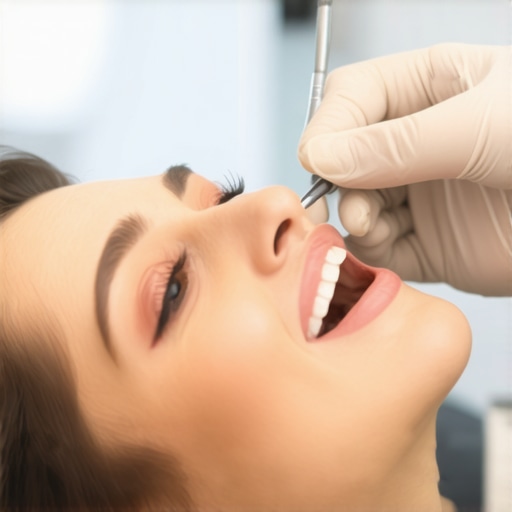 Many patients walk into a dental office with common beliefs about procedures like Invisalign, cosmetic dentistry, or routine teeth cleaning, which, upon closer inspection, can be misleading or incomplete. While the basics are well-known, the real expertise lies in understanding the subtleties, myths, and pitfalls that can hamper your oral health journey.
For instance, a prevalent misconception is that all teeth whitening treatments are equally safe and effective. However, not all whitening products are suitable for every type of enamel. Over-the-counter options might seem convenient, but they often lack the potency and control needed for safe results, especially if you have pre-existing enamel issues. Professional whitening, on the other hand, incorporates protective measures and personalized approaches, which many overlook, risking sensitivity or uneven results. The key is understanding the appropriate treatment tailored to your specific needs, backed by dental research and clinical experience.
How Deep Do Your Expectations Go About Invisalign’s Capabilities?
Many believe Invisalign can correct every orthodontic concern with little to no discomfort, but this oversimplification can lead to unrealistic expectations. In reality, complex cases may require traditional braces or supplementary treatments. The advanced technique of aligning teeth with clear aligners involves precise planning using digital scans and sophisticated software. Interestingly, recent innovations have expanded Invisalign’s scope, but awareness of its limitations is crucial. For example, issues like significant bite discrepancies or severe crowding might not be fully addressable with Invisalign alone. Dentists often recommend combining treatments or opting for alternative options for optimal results, which is a nuance many patients overlook. For an in-depth understanding, check out the latest trends that are transforming smiles today and discover what Invisalign truly offers in 2025.
Another hidden aspect is the common mistake of ignoring the importance of consistent follow-up visits. Regular checkups are not just about maintenance; they are essential for monitoring treatment progress, detecting early signs of complications, and making necessary adjustments. Skipping these appointments could jeopardize your results or prolong treatment time. Likewise, there is a trap in assuming that dental hygiene sessions are purely cosmetic. Routine teeth cleaning plays a pivotal role in preventing major issues like periodontal disease, which can influence the success of cosmetic procedures or aligner treatments. This underscores the importance of viewing dental care holistically — as a foundation for both health and aesthetic enhancement.
Moreover, did you know that some cosmetic procedures might inadvertently harm your natural teeth if not performed correctly? For example, poorly executed veneers or bonding can damage underlying enamel or cause uneven bite patterns. It’s essential to seek experienced practitioners who understand the nuances of these treatments. The secret to long-lasting, natural-looking results is a combination of expert execution and tailored aftercare routines. A good rule of thumb is to question whether your provider balances aesthetics with functional integrity — a detail that can make or break your smile longevity.
In summary, mastering the complex layers of cosmetic dentistry and routine maintenance involves more than face value knowledge. From understanding the true potential of Invisalign to avoiding common pitfalls in teeth whitening and recognizing the importance of professional oversight, these nuances can significantly influence your dental health outcomes. Stay curious, ask your dentist about these subtleties, and remember that the most advanced care involves dissecting the details others might overlook. Learn more about common teeth cleaning myths here. Have you ever fallen into this trap? Let me know in the comments.
To ensure your dental procedures like Invisalign or cosmetic treatments stand the test of time, having the right tools and a solid maintenance routine is crucial. Over the years, I’ve refined my dental care arsenal with specific equipment and digital resources that make ongoing maintenance more effective and less stressful. Let me share what I personally recommend for long-term success.
Invest in an Ultra-Soft, Interdental Brush for Precise Cleaning
While flossing is essential, I find that using an interdental brush with ultra-soft bristles allows for deeper cleaning between teeth, especially around Invisalign attachments or veneers. I prefer brands like TePe or GUM because their small sizes and gentle bristles clean effectively without risking gum damage. Regular use prevents plaque buildup in hard-to-reach areas, which is vital for maintaining both aesthetics and health.
Utilize a Digital Timer and App to Keep Track of Oral Hygiene Routines
Consistency is key, but it’s easy to lose track of time—especially when focusing on brushing and flossing. I use smartphone apps such as Brush DJ or Dental Monitoring, which remind me to brush for the recommended two minutes and even guide my technique. These tools often include tutorials on proper brushing angles and pressure, ensuring I don’t inadvertently cause gum recession or abrasion, particularly after cosmetic procedures. As technology advances, digital monitoring will likely become standard in personalized dental care routines, optimizing long-term results.
Incorporate an Electric Toothbrush with a Pressure Sensor
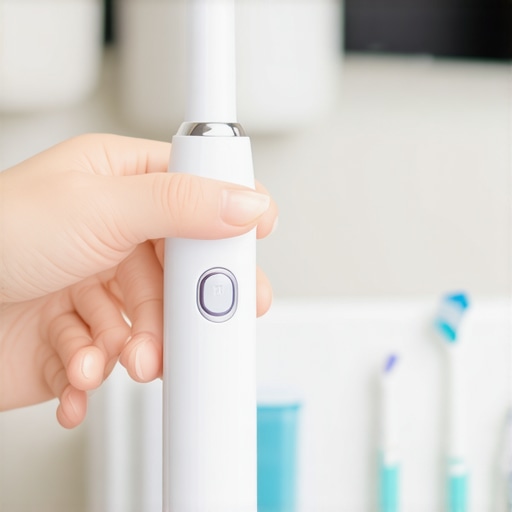
Manual brushing, while traditional, can sometimes be too aggressive—leading to gum recession and sensitivity. My preferred choice is an oscillating-rotating electric toothbrush with a built-in pressure sensor, such as the Oral-B Genius series. The sensor alerts me when I’m applying excessive force, which is especially important if you’re wearing Invisalign or have recently undergone enamel whitening. Consistent gentle cleaning helps prolong treatment outcomes and keeps your gums healthy without irritation.
Prioritize Quality Dental Software for Professional Monitoring
Beyond at-home tools, I recommend leveraging professional software platforms like Dental Monitoring or 3Shape’s TRIOS software. These enable your dentist to remotely assess your progress, spot potential issues like plaque buildup or attachment loosening early, and adjust treatment plans accordingly. Regular virtual check-ins using these platforms can save time and help catch problems before they escalate, safeguarding your investment in cosmetic or orthodontic work. As digital dentistry continues to evolve, staying connected with professional insights enhances your long-term smile sustainability. Check out this resource for more about professional monitoring benefits.
Predicting the Future: Why Smart Tools Will Shape Dental Care
Looking ahead, the integration of AI-powered diagnostics and IoT-connected devices promise to personalize and streamline maintenance routines further. Imagine smart toothbrushes that analyze your brushing patterns and send data directly to your dentist or apps that recommend specific flossing techniques based on your plaque accumulation patterns. Staying ahead with these innovations means preserving your cosmetic and functional results longer and reducing the need for revamp procedures.
How do I maintain my dental tools and routines over the years?
Proper care involves regular replacement of toothbrush heads (every 3-4 months), cleaning interdental brushes after use, and updating your digital app settings as your treatment progresses. Additionally, scheduling periodic professional reviews can help reset your routine and ensure your tools align with your evolving dental needs. For instance, when using floss or brushes post-Invisalign, ensure you’re gentle and thorough to avoid loosening attachments or damaging restorations.
To get started on enhancing your maintenance routine, I highly recommend trying an electric toothbrush with a pressure sensor. By combining this with diligent use of interdental brushes and digital tracking apps, you set yourself up for a resilient, beautiful smile that endures long-term. Remember, ongoing care is the cornerstone of lasting results—so equip yourself with the right tools and habits today.
For more expert insights and tailored advice, don’t hesitate to reach out to your dental professional. Your smile deserves the best care, now and into the future.