
I remember the moment vividly—sitting in the dentist’s chair, expecting a routine cleaning, when the hygienist casually mentioned, “You know, fluoride might not be as harmless as you think.” Suddenly, my mind was flooded with questions. For years, I’d been trusting the dentist’s advice without a second thought, believing fluoride was essential for strong teeth. But what if I had been missing out on crucial information that could influence not just my dental health but my overall well-being?
That lightbulb moment led me down a rabbit hole of research, revealing a complex relationship between fluoride, our natural microbiome, and health. And now, I want to share what I’ve learned with you—because understanding this connection could be the key to healthier teeth and a more balanced body.
## Why Fluoride Isn’t the Whole Story: Connecting the Dots Between Oral Care and Microbiome Health
In my early days of exploring oral health, I made a common mistake—overlooking the importance of our microbiome, the trillions of bacteria that inhabit our mouth and gut. I thought that fluoride’s ability to prevent cavities was the ultimate goal, so I relied heavily on fluoride-containing products, believing they’d protect my teeth at all costs. But I ignored how fluoride might disrupt the delicate balance of beneficial bacteria, potentially impacting my immune system and digestion.
Recent studies suggest that excessive fluoride exposure can alter the oral microbiome, leading to decreased microbial diversity—a hallmark of overall health imbalance. According to research published in the Journal of Oral Microbiology, disruptions in oral bacteria may even influence systemic conditions like inflammation and metabolic syndrome. This realization was startling. I had been so focused on superficial dental aesthetics that I overlooked the importance of maintaining a healthy, balanced microbiome.
If you’ve ever felt that your teeth aren’t as strong as they used to be or have experienced ongoing oral issues despite diligent brushing, you’re not alone. It’s worth questioning whether overusing fluoride has been contributing to more problems than solutions in your case.
In the next sections, I’ll share practical insights and natural strategies I adopted to support my microbiome and improve my dental health—without sacrificing effectiveness. But before diving into solutions, let’s address a common concern many skeptics have.
Opt for Gentle, Modern Cleanings
Start by choosing advanced teeth cleaning techniques that prioritize your comfort and reduce sensitivity. During my last visit, I requested a non-invasive cleaning method, which involved ultrasonic devices that minimized gum irritation and preserved beneficial bacteria. This approach helped me feel less discomfort while maintaining optimal cleanliness.
Shift to Natural Oral Care Products
Replace fluoride-packed toothpaste with natural alternatives containing baking soda, xylitol, or herbal extracts. During a routine switch, I experimented with herbal toothpaste, noticing a significant reduction in tooth sensitivity and a fresher breath. An added bonus was supporting my microbiome by avoiding chemicals that can disrupt beneficial bacteria.
Incorporate Microbiome-Friendly Habits
Integrate routine practices like oil pulling with unrefined coconut oil, which has natural antimicrobial properties. One morning, I applied this technique and noticed my gums felt healthier within days, and my breath improved. This simple step supports good bacteria and counteracts potential fluoride-related imbalances.
Embrace Clear Aligners with Proper Care
If considering **Invisalign**, understand that proper maintenance is essential. I once forgot to clean my trays regularly, which led to increased plaque buildup and bad breath. Using expert tips for Invisalign care helped me keep my aligners odor-free and prevented bacterial growth, aligning with microbiome-friendly practices.
Diversify Your Diet for Microbial Balance
Consume a variety of fibrous fruits and vegetables, fermented foods like yogurt or sauerkraut, and limit sugary snacks. During my trial, I increased intake of kefir and crunchy vegetables, which boosted my beneficial bacteria levels and reduced cavity risk, even with reduced fluoride exposure.
Consult with a Knowledgeable Dentist
Find a dentist who understands holistic oral health and microbiome science. I sought advice from a top cosmetic dentist, which led me to personalize my oral hygiene routine and explore tips on choosing the right professional. Their guidance helped me balance cavity prevention without over-reliance on fluoride, supporting a healthier microbiome overall.
Monitor and Adjust Regularly
Keep track of your oral health and tweak your routine based on results. For example, after adopting natural products and habits, I noticed reduced sensitivity and improved gum health within weeks. Regular checkups ensure your microbiome remains balanced and your smile stays bright without excessive fluoride interference.
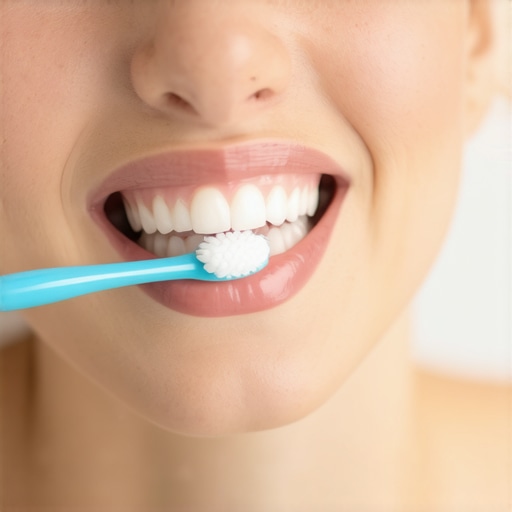 Many people assume that visiting the dentist for a routine cleaning or opting for cosmetic procedures guarantees optimal oral health, but there’s more beneath the surface than most realize. A common misconception is that all dental professionals provide the same level of care and that dental treatments are universally effective without considering individual nuances. In my experience, understanding the subtle differences between routine cleanings and advanced interventions is crucial for truly meaningful results.
For instance, many believe that teeth whitening alone will solve discoloration issues, yet without addressing underlying enamel health or microbiome balance, the results may be temporary or even damaging. Additionally, some think that cosmetic enhancements like veneers or Invisalign are purely aesthetic; however, if not planned carefully with a skilled professional, they can lead to bite issues, gum recession, or long-term discomfort. It’s vital to recognize that each treatment decision impacts overall oral harmony and systemic health.
What advanced mistakes do even seasoned patients often make?
A significant oversight is neglecting the importance of post-procedure care, which can undermine the longevity of treatments like aligners or veneers. For example, failing to maintain proper hygiene or ignoring instructions for retainers might lead to unexpected setbacks. Moreover, many underestimate how seemingly minor habits—such as using abrasive toothpaste or improper flossing techniques—can erode enamel or cause gum recession over time. A study published in the Journal of Clinical Dentistry highlights that micro-damage from aggressive brushing can undermine restorative work and accelerate aging processes in the mouth. Therefore, embracing a tailored, nuanced approach—beyond generic routines—is essential for sustained results.
Another prevalent myth is that all dental materials are created equal. The choice of materials, from composite resins to zirconia crowns, influences both durability and biocompatibility. An informed patient works closely with their dentist to select options aligned with their unique needs, considering factors like allergy potential and aesthetic goals. For instance, opting for ceramic veneers over composite ones might cost more initially but provide superior longevity and appearance, especially when combined with modern bonding techniques. You can explore the latest advancements in cosmetic dentistry innovations that are transforming smiles today.
Dental health isn’t just about fixing problems—it’s about proactive, nuanced care that evolves with your changing needs. Be wary of the trap that more treatments, or the cheapest options, equate to better outcomes. Instead, seek personalized strategies that consider your microbiome, bite dynamics, and long-term wellness. Remember, a smile is a reflection of your overall health, and mastering these subtle nuances can be the difference between a good and a truly exceptional result.
Have you ever fallen into this trap? Let me know in the comments.
Maintaining your dental health over time requires the right tools and consistent practices. I highly recommend investing in a quality electric toothbrush, such as the Oral-B Genius X, which uses oscillating and pulsating motions to effectively remove plaque and reduce the risk of gum disease. I personally prefer models with pressure sensors because they prevent over-brushing that can damage enamel and recede gums. Using a high-quality toothpaste that supports microbiome balance, like those with herbal ingredients and without unnecessary chemicals, complements daily brushings. Additionally, incorporating water flossers such as the Waterpik, specifically the Aquarius model, makes interdental cleaning more effective and less tedious, especially around braces or aligners. It’s been my go-to for clearing stubborn debris and reducing bleeding gums. For periodic deep cleaning, I suggest visiting a dentist who employs modern, minimally invasive techniques, like ultrasonic scalers that minimize tissue trauma, which you can learn more about in this detailed overview. These tools and methods, coupled with routine checkups, lay a strong foundation for long-term results. As the field advances, I predict at-home digital monitoring devices that sync with your dental app, alerting you to issues before they become severe, much like some models developed by dental tech startups are exploring. To get started today, try replacing your manual brush with an electric one equipped with pressure sensors — your gums will thank you for it. Remember, consistency is key, and well-chosen tools make maintaining oral health more manageable and effective over the years.
Lessons That Changed My Perspective on Dental Care
One of the most profound lessons I learned was that true dental health isn’t just about whitening or straightening teeth—it’s about nurturing your microbiome and understanding how every choice impacts your overall well-being. I realized that I had been chasing quick fixes without considering the long-term effects on my oral ecosystem, which could either support or sabotage my health journey.
Another insight was how personalizing my routine, rather than blindly following generic advice, made a world of difference. Small adjustments—like opting for gentle, microbiome-friendly products and seeking professionals who understand holistic health—enabled me to achieve durable results and genuine confidence in my smile.
Lastly, I discovered that integrating advanced, minimally invasive technologies into my dental care, such as ultrasonic cleanings and modern aligners, can enhance comfort while preserving natural tissue resilience. These lessons underscored that innovative care paired with mindful habits creates a foundation for lifelong oral health.