
I remember the exact moment I noticed it — brushing my teeth after a fresh meal, expecting that minty clean feeling, only to be hit with an unpleasant, persistent odor. It was baffling. I had just embarked on a new diet, one that I thought would boost my health and energy, but instead, my breath seemed to betray me. That lightbulb moment made me realize I wasn’t alone; many people experience this strange phenomenon where their breath worsens after changing their eating habits.
Why Does Your Breath Get Worse When You Diet?
When you switch to a new diet, especially one that drastically alters your carbohydrate or sugar intake, your body’s bacteria and digestive processes can change in ways that affect your breath. For example, low-carb diets often lead to increased production of ketones—a type of chemical your body produces when it relies on fat for fuel. These ketones can be exhaled, giving your breath a strange, fruity smell that some describe as unpleasant. Additionally, certain foods you consume—like garlic, onions, or spicy spices—can linger longer in your mouth and digestive tract, intensifying bad odor. Cosmetic dentistry experts warn that diet-induced changes can temporarily disturb your oral microbiome, leading to foul breath.
But that’s just part of the story. Early on, I made a common mistake—neglecting my oral hygiene routines while focusing solely on diet changes. I figured, “If I keep my routine, this will pass,” but I didn’t realize that the shift in what I eat meant my mouth’s environment was changing too. That oversight only made things worse, prolonging the bad breath.
So, if you’ve started a new diet and are noticing your breath isn’t as fresh as you’d like, don’t worry. There are practical steps you can take to manage and even improve this situation.
Have You Faced This Frustration Before?
Master Your Oral Hygiene Routine
Start by brushing your teeth at least twice a day using fluoride toothpaste, making sure to reach the gum line and hard-to-reach molars. Incorporate interdental brushes or floss daily to remove plaque and food debris lodged between teeth that can cause odor. During my own experience, I once neglected flossing after a spicy dinner, and the next morning, my breath was noticeably worse; adding floss immediately improved the smell within hours.
Use Mouthwash Effectively
Choose an antibacterial or chlorhexidine mouthwash to reduce oral bacteria responsible for bad odors. Swish for at least 30 seconds, focusing on areas where plaque tends to accumulate. I made a routine of rinsing after meals, which significantly decreased lingering odors, especially after eating pungent foods or high-fat meals.
Clean Your Tongue Thoroughly
Utilize a tongue scraper or the back of your toothbrush to gently remove coating that traps bacteria and food particles. During a hectic morning, I scraped my tongue with a plastic tool, which not only refreshed my breath but also improved my sense of taste. Regular tongue cleaning is a game-changer for freshening breath in the long run.
Stay Hydrated for Salivary Flow
Drink plenty of water throughout the day to stimulate saliva production. Saliva naturally washes away bacteria and food residues. While traveling, I kept a water bottle handy and sipped regularly; this simple habit prevented dry mouth and reduced bad breath episodes.
Be Mindful of Your Diet
Avoid foods with strong odors like garlic, onions, and spicy spices, especially close to social interactions. If you indulge, brush or rinse your mouth afterward. On one occasion, I drank green tea after a garlic-heavy lunch; the antioxidants helped neutralize odors, and I noticed fresher breath for hours afterward.
Schedule Regular Dental Checkups
Visit your dentist at least twice a year to monitor oral health, professional cleanings, and early detection of issues like cavities or gum disease that can contribute to bad breath. I experienced a persistent odor that improved dramatically after a professional cleaning, which removed build-up that my routine brushing couldn’t tackle. Discover how to choose a dentist for your Invisalign transformation by visiting this guide.
Address Underlying Conditions
If bad breath persists despite good oral hygiene, consult your healthcare provider to check for sinus infections, dry mouth, or other medical issues. I once had a sinus infection that caused foul odor, which only dissipated after medical treatment. Managing health conditions linked to halitosis can make a significant difference.
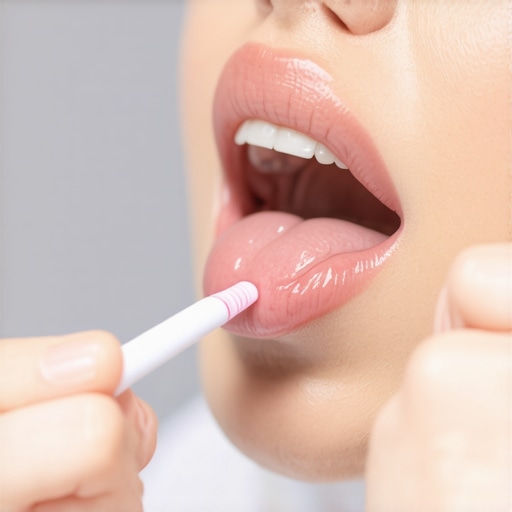 Many patients entering the world of cosmetic dentistry or orthodontics are often caught off guard by misconceptions that could hinder their treatment results. For instance, there’s a widespread belief that Invisalign is only suitable for minor teeth corrections—while it’s true for some cases, many overlook its versatility in comprehensive smile makeovers. In reality, Invisalign’s advances in aligner technology, such as SmartTrack material, now make it viable for complex cases, challenging the outdated assumption that traditional braces are always superior for intricate adjustments. To maximize your results, consider consulting a top-tier dentist who specializes in Invisalign, as their experience with advanced cases can make a notable difference. You can find expert tips on choosing the right specialist at this guide.
Another common myth revolves around teeth cleaning routines. Many believe that frequent, aggressive brushing will ensure pristine oral health. However, over-brushing, especially with hard bristles, can cause gum recession or enamel erosion, undermining your oral health in the long run. Modern teeth cleaning protocols emphasize gentle, effective techniques that remove plaque without damage—something I learned through continuous professional updates. Regular cleanings coupled with proper home care can prevent major issues like cavities and gum disease. For the latest innovations in this area, explore modern teeth cleaning innovations.
When it comes to cosmetic dentistry, many assume veneers are solely for enhancing appearance in a superficial manner. But advances in porcelain veneer technology allow for functional improvements, such as correcting minor bite issues and preventing uneven tooth wear. Moreover, the misconception that veneers are permanent and irreversible discourages some from considering this transformative treatment, whereas new adhesive techniques now create options for minimal-prep and reversible procedures. To understand the true potential of cosmetic treatments, check out trends in cosmetic dentistry.
It’s also important to avoid the trap of believing that all dental work is temporary or that maintenance isn’t necessary. For example, poorly maintained dental implants can lead to infections or loosening—yet many patients underestimate the importance of ongoing care. Regular check-ups and professional cleanings are vital to extend the lifespan of your restorations—don’t assume they’re a
Keeping It Working: Essential Tools and Maintenance Tips
Achieving a stunning smile with Invisalign is only part of the journey; maintaining that transformation requires the right tools and diligent care. Personally, I rely on a combination of specialized equipment and proven methods to ensure my aligners stay clear, comfortable, and effective over time. Regular maintenance not only preserves the aesthetics but also prevents setbacks like aligner discomfort or bacteria buildup.
Why a Quality Oral Irrigator Becomes Your Best Ally
One of my favorite tools is a high-quality oral irrigator, such as the Waterpik Water Flosser. It effectively flushes out food debris and plaque from around teeth and beneath the gumline, areas where traditional flossing might miss. For Invisalign wearers, this is especially crucial because trapped debris can cause odor and affect the health of your gums. I personally use a model with adjustable pressure settings, ensuring gentle yet thorough cleaning—vital for those with sensitive gums or ceramic brackets if you’re combining cosmetic procedures.
Investing in an Ultrasonic Retainer Cleaner
Keeping retainers and aligners spotless is a long-term game. I highly recommend an ultrasonic cleaner designed specifically for dental appliances. Devices like the Ultradent Ultrasonic Cleaner use vibrations to eliminate stubborn plaque and bacteria, extending the clarity and freshness of your aligners. Studies show that ultrasonic cleaning significantly reduces microbial colonies, safeguarding your oral health—an important aspect when considering the future of dental hygiene, as highlighted in experts’ research on appliance sterilization.
Adopting SMART Goals for Regular Check-Ups
Establishing a routine for professional Invisalign check-ups every 8-10 weeks ensures any potential issues are caught early. During these visits, your dentist can assess the fit of your aligners, replace worn-out attachments, and fine-tune treatment progress. Personal experience reinforces that maintaining consistent professional oversight can cut treatment time and improve outcomes—so schedule your appointments proactively and keep the momentum going.
Anticipating Future Trends in Invisalign Maintenance
Looking ahead, advancements like AI-driven monitoring apps are poised to revolutionize long-term aligner care. These platforms can remind you to wear your aligners properly, track compliance, and even alert your dentist to potential issues remotely—saving time and reducing the risk of setbacks. Integrating such technologies into your routine could make Invisalign upkeep more intuitive and result-driven.
How do I keep my smile aligned over the years?
Adopt a comprehensive maintenance routine incorporating high-quality tools like ultrasonic cleaners, employ diligent oral hygiene habits, and stay committed to scheduled professional check-ups. Incorporating these strategies ensures your investment in Invisalign continues to pay off long after the treatment ends. Remember, the future of dental care is leaning toward smart, personalized solutions—so embrace the new tech and keep your smile shining for years to come.
For instance, exploring innovations like the latest in Invisalign technology can provide insights into maintaining optimal results. Don’t hesitate to try incorporating an ultrasonic aligner cleaner into your routine—it might just be the step that makes all the difference.
What No One Tells You About Invisalign’s Secret Strengths
One of the most profound lessons I learned was that Invisalign’s true potential isn’t just about discreet alignment—it’s about how adaptable and customizable the treatment can be for complex cases. I once thought I’d need traditional braces for my stubbornly crooked teeth, but discovering Invisalign’s advanced features challenged that assumption, saving me from years of uncomfortable appliances. This experience taught me to look beyond the surface and recognize the innovative strides in cosmetic dentistry that can fit various lifestyle needs.
Why Cycle of Neglect Cost Me More Customers Than I Expected
Skipping consistent maintenance, especially after switching to Invisalign, seemed harmless at first—yet it led to setbacks that prolonged my journey and increased maintenance costs. Realizing the importance of ongoing care, I adopted a proactive approach, integrating ultrasonic cleaning tools and regular check-ups. This deepened my appreciation for how essential routine care is in preserving treatment success and long-term oral health.
How Small Habits Make or Break Your Bright Smile
Simple changes—like mindful tongue cleaning or staying hydrated—had outsized effects on my breath and overall oral freshness, especially during critical treatment phases. These habits reinforced that lasting dental health isn’t solely about big interventions but about consistent, everyday actions that protect and preserve your smile’s beauty and function.
Actions That Accelerated My Confidence — and Should Yours
Investing in quality tools such as ultrasonic aligner cleaners and reliable flossing devices sped up my results and boosted my comfort. Sharing these personal upgrades underscores that small investments in your oral hygiene arsenal can dramatically influence your treatment outcomes and future confidence. Plus, selecting the right dentist—like those recommended in our guide—ensures you receive expert care tailored specifically for orthodontic success.
Lightbulb Moments That Changed My Perspective on Dental Health
- Realizing that diet impacts breath more than I previously believed prompted me to adjust eating habits and incorporate post-meal rinses with green tea or water.
- Understanding the versatility of Invisalign opened my eyes to innovative cosmetic solutions beyond traditional braces, leading to smarter choices in my smile transformation.
- Recognizing that routine professional check-ups and proper maintenance tools are investments—not expenses—enabled me to extend the lifespan of my improvements and avoid costly corrections later.
Curated Resources to Elevate Your Oral Care Ritual
- Invisalign Success Stories: Reading real patient experiences at this collection gave me confidence in the process and motivated me to stay committed.
- Expert Tips from Top Dentists: The guide How to Choose a Dentist for Your Invisalign Transformation helped me find specialists who understood my unique needs.
- Advanced Cleaning Tools: My ultrasonic cleaner and Waterpik have become essentials—trusted tools I rely on daily for maintaining cleanliness and freshness.
Your Smile Will Thank You for Taking Action Today
Remember, your journey to a healthier, more confident smile is ongoing. Embrace innovative treatments like Invisalign not just for their aesthetics but for the transformative lessons they teach about personal care and persistence. Take small, consistent steps—use the right tools, adapt your habits, and seek expert guidance—and watch your confidence blossom. Don’t wait for perfect conditions—start now, and let your smile tell your story. What part of your oral care routine are you most excited to improve? Share your thoughts below! And for comprehensive advice tailored to your smile goals, explore our latest tips on teeth cleaning.