
It was one of those mornings when I caught a whiff of something off as I bent down to kiss my little one’s cheek before daycare. The sudden, unmistakable smell of rotten fruit mixed with something oddly metallic. I froze, heart pounding. Could this be normal? Or was my toddler battling a hidden dental issue that I’d overlooked? That moment became a wake-up call for me—and probably for you, too. If your young child’s breath has become noticeably foul or unusual, you’re not alone. Many parents face this puzzling and sometimes embarrassing problem, and frankly, I was no different. But here’s the thing: understanding why toddler breath stinks is half the battle. The good news is, most causes are manageable, and with the right approach, you can turn this around. Today, we’ll explore exactly what might be behind that unpleasant breath and, more importantly, how to address it effectively.
The First Clue Is Not Always What You Expect
Why Your Toddler’s Breath Might Smell Bad and You Didn’t Notice Earlier
Many parents think bad breath in kids is just a phase or due to something they ate. While diet does play a role, it’s often more serious, like poor oral hygiene, underlying health issues, or even mouth infections. When I first noticed my child’s breath, I brushed it off—no pun intended—assuming it was just residual milk or fruit. But as it persisted, I realized I might be missing something more troubling. Turns out, a common cause is build-up of plaque, which can harbor bacteria that produce foul odors. If left unaddressed, it can lead to cavities or gum disease, even in young children.
Moreover, issues like tonsil stones or infections such as thrush can contribute to bad breath. According to pediatric dental experts, persistent halitosis in children should never be ignored, as it could be a sign of an underlying problem that needs professional attention. Ignoring this can cause more discomfort and even impact your child’s self-esteem as they grow.
To avoid making the same mistake I did—thinking it was just a minor issue—I learned the importance of regular dental checkups and proper oral care routines. For tips on maintaining your child’s oral health and preventing future issues, you might want to check out our comprehensive guide on how to keep up long-term teeth cleaning routines.
Recognizing these signs early can save your child from discomfort and potentially costly dental treatments later. Now, let’s dive into some practical steps you can take to tackle this problem head-on and restore fresh breath to your little one.
Start with a Daily Brushing Routine
Use Age-Appropriate Toothbrushes and Toothpaste
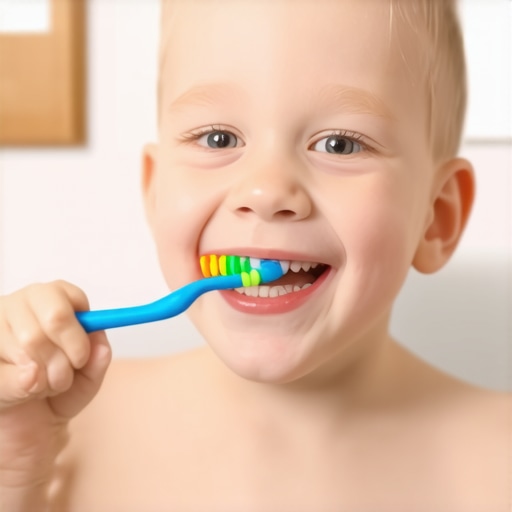
Make sure your child’s toothbrush has soft bristles and is the right size for their mouth. Use a smear of fluoridated toothpaste about the size of a grain of rice. Gently brush all surfaces of their teeth and along the gum line for two minutes, twice a day. I once struggled to get my toddler to stay still, so I turned brushing into a game, making it fun and engaging, which surprisingly improved her cooperation. Consistency here lays the foundation for fresh breath and long-term dental health.
Implement Flossing for Tiny Teeth
Introduce Flossing in a Playful Way
Start flossing as soon as your child’s teeth touch. Use pediatric floss or floss picks designed for small mouths. I found that demonstrating with my own teeth and making it a routine story helped my child accept flossing. Flossing removes plaque and food particles trapped between teeth, which are common sources of bad odors. Regular flossing prevents the build-up that can cause cavities and gingivitis, both of which contribute to foul breath.
Schedule Regular Dental Checkups
Find a Dentist Who Makes Kids Smile
Visit a pediatric dentist at least twice a year. Dentists can identify early signs of decay, mouth infections, or tonsil stones that might cause bad breath. I recommend choosing a dentist experienced in working with children—look for ones who use a gentle, friendly approach. Early intervention is key; catching issues like thrush or mouth infections before they escalate can save your child’s comfort and confidence. For tips on selecting the right dental professional, check out this guide.
Maintain Oral Hygiene Beyond Brushing
Encourage Tongue Cleaning and Hydration
Use a tongue scraper or a soft toothbrush to gently clean your child’s tongue—this area often harbors bacteria responsible for bad odors. Keep them hydrated; dry mouths promote bacterial growth and foul smell. I kept a fun, colorful scraper handy and made tongue cleaning part of the bedtime routine, observing noticeable improvement in breath freshness within days. Avoid sugary drinks which can promote bacterial growth, and promote water as the main beverage.
Address Specific Oral Concerns Promptly
Identify and Treat Underlying Causes
Persistent bad breath might stem from issues like mouth infections, thrush, or even sneaky cavities. If routine cleaning doesn’t resolve the smell, consult your dentist promptly. They might suggest treatments like antibacterial rinses or address more serious issues like impacted tonsils or early cavities. Being vigilant ensures you catch problems early before they become more complicated. To explore more about cosmetic options that can enhance your child’s smile and possibly improve oral health, see this article.
By adopting these concrete steps, you’re actively ensuring your child’s oral hygiene is optimal, reducing chances of embarrassing odors, cavities, and future dental issues. A proactive approach now paves the way for a lifetime of fresh breath and confident smiles in your little one.Many individuals enter the dental world with preconceived notions that can hinder their understanding and decision-making. One common misconception is that all dental treatments, especially cosmetic procedures, are purely superficial. In reality, innovative techniques—like advanced teeth whitening or veneer options—are designed not just for aesthetic enhancement but also to improve overall oral health. Experts emphasize that selecting the right cosmetic approach requires an understanding of your unique dental structure, which is often overlooked in favor of one-size-fits-all solutions. According to a study published in the Journal of Esthetic and Restorative Dentistry, personalized treatment plans yield significantly better satisfaction and functional results. Moreover, there’s a myth that Invisalign is less effective than traditional braces. While traditional braces have decades of proven results, Invisalign’s discreet design and continuous technological improvements make it a viable alternative for many complex cases. However, many still underestimate the importance of proper case selection and maintenance to achieve optimal outcomes. **A common mistake is thinking that Invisalign requires no effort or discipline.** In truth, successful alignment depends on adhering to the prescribed wear schedule and maintaining excellent oral hygiene. Failing to do so can lead to prolonged treatment or subpar results, which could have been avoided with proper guidance. Additionally, some believe that cosmetic dentistry is solely about appearance. But modern techniques, such as minimally invasive whitening or bonding, also contribute to preserving tooth integrity and preventing further damage. For instance, when considering teeth whitening, choosing an over-the-counter product without professional consultation can risk sensitivity or uneven coloring. Discover more about selecting the best options for your smile in our comprehensive guide on cosmetic dentistry innovations. Ultimately, understanding these nuances helps you avoid costly mistakes and sets realistic expectations. For example, not all aligners are suitable for severe malocclusions; consulting with a top-tier dentist can clarify what treatment suits your specific needs. Think you know everything about dental treatments? Think again. Let’s dive into some advanced insights that can transform your approach to dental health. Have you ever fallen into this trap? Let me know in the comments.Maintaining a dazzling smile requires more than just good intentions; it demands the right tools and consistent routines. In my personal practice, I rely heavily on specific equipment and software to ensure my patients achieve lasting results. One essential tool is a high-quality ultrasonic scaler, like the PiezoScal 3000, which I use daily for professional cleanings. Its advanced ultrasonic technology efficiently removes plaque and tartar while reducing patient discomfort, especially beneficial for those with sensitive teeth. Complementing this, I prefer using a periodontal probe such as the UNC-15, which allows me to accurately measure pocket depths and monitor gum health over time, ensuring early detection of issues that could compromise long-term results.
When it comes to at-home maintenance, I advocate for the use of smart toothbrushes like the Philips Sonicare DiamondClean. This device not only provides superior plaque removal but also tracks brushing habits and provides feedback through an accompanying app. This ensures patients maintain their routines correctly, preventing common pitfalls like missed spots or inadequate cleaning. I personally find that integrating this data helps patients stay motivated and consistent, leading to better long-term outcomes.
For managing teeth whitening and cosmetic enhancements, I recommend using professional-grade whitening kits like the Zoom! WhiteSpeed system. Unlike over-the-counter products, these kits come with custom trays and professional advice, which I can tailor to each patient’s needs. Regular use of such systems, combined with routine checkups, helps maintain bright, lasting smiles. Additionally, I stay updated on the latest trends and techniques through advanced software like Dolphin Imaging, which offers detailed dental imaging and treatment planning. This technology enhances my ability to execute complex procedures such as Invisalign alignments with precision.
Predicting where dental technology is heading, I believe digital dentistry will become even more integrated into daily practice. Innovations like AI-powered diagnostics and 3D printing will streamline treatment planning and reduce turnaround times, making personalized care faster and more effective.
**How do I maintain my tools and techniques to ensure long-term success?** Regular calibration of my equipment is crucial—scalers and imaging devices are checked monthly to maintain accuracy and safety. Software updates are applied promptly to incorporate new features and security patches, ensuring optimal performance. I also stay engaged with professional development, attending workshops that introduce the latest innovations. For example, adopting new disinfection protocols based on recent research, such as the study published by the CDC on effective sterilization methods, helps me prevent cross-contamination and ensure safety.
Finally, I recommend that anyone serious about their dental longevity invests in both high-quality equipment and ongoing education. Try adopting a smart toothbrush with real-time feedback or scheduling routine professional cleanings with advanced tools—these small steps compound into significant long-term benefits. To learn more about maintaining your routine, check out our article on how to keep your teeth healthy over time. Remember, consistent care and the right tools are your best allies in preserving a radiant smile for years to come.
What I Wish I Knew About Toddler Breath and Oral Health
- Listening to My Instincts Matters: I learned to trust early signs of oral issues rather than dismissing unusual breath as a passing phase, realizing that proactive steps can prevent bigger problems.
- The Power of Gentle Routine: Incorporating playful and gentle brushing routines taught me that making dental habits fun encourages my child’s cooperation and instills lifelong good habits.
- Early Professional Guidance Prevents Heartache: Regular visits to a pediatric dentist uncovered hidden issues like thrush or dental decay that I might have missed, emphasizing the importance of expert eyes.
Tools and Resources That Transformed My Approach
- Kid-Friendly Dental Tools: Using soft-bristled toothbrushes designed for children and tongue scrapers made daily care more effective and less stressful.
- Educational Content for Parents: Trusted websites like our comprehensive guide provided insights that empowered me to make informed decisions.
- Supportive Community: Connecting with other parents through online forums offered shared experiences and reassurance that I was not alone in facing toddler dental adventures.
Your Journey Starts Now: Small Steps for Big Smiles
Remember, tackling toddler breath issues is a journey worth taking. Every small effort in maintaining oral hygiene today builds the foundation for your child’s confident smile tomorrow. Embrace the process, stay consistent, and seek professional advice when needed. Your child’s bright future depends on the choices you make now—so start with those gentle brushes and encouraging words. How will you make your child’s oral health routine more fun today? Let me know below!