
I remember the moment clearly—sitting in the dentist’s chair, expecting that bright, uniform smile I had envisioned through all those whitening sessions. Instead, I got a patchwork of shades, some brilliantly white, others barely different from my natural color. It was a lightbulb moment for me: I realized that achieving even whitening across all teeth isn’t as straightforward as slapping on a whitening gel and hoping for the best.
The Real Reason Behind Uneven Whitening Results
Many folks jump into teeth whitening expecting a flawless, uniform glow, especially when they see those dazzling ads promising “instant perfection.” But in reality, a variety of factors can cause uneven results—things like differences in the enamel thickness, extent of staining, or even past dental work. For example, my own early mistake was neglecting the importance of pre-whitening dental hygiene, which can influence how evenly the whitening agent penetrates.
Understanding this can save you frustration and disappointment. Honestly, I wish I had known earlier that not all teeth respond the same way, because it’s a common misconception. Researchers have shown that teeth with extensive restorations, like crowns or veneers, won’t whiten along with natural teeth, which can result in a mismatched smile if not properly planned.
If you’ve invested time, money, and hope into brightening your smile but are facing uneven results, you’re not alone. The good news is that with proper knowledge and a few targeted strategies, you can achieve a more even, radiant smile.
Could Your Expectations Be Setting You Up for Disappointment?
Early on, I made the mistake of assuming that all whitening methods deliver the same results for everyone. That’s simply not true. There’s a lot of misinformation out there—like believing that over-the-counter whitening is just as effective as professional treatments or that the shade you want is immediately attainable. A quick visit to [this article](https://smilezdentist.com/the-ultimate-guide-to-teeth-whitening-and-cosmetic-enhancements) can help clarify what’s realistically achievable.
Recognizing these misconceptions is the first step toward a better, more satisfying whitening journey. So, what’s next? Let’s explore practical ways to address uneven whitening and set your expectations correctly, so you can smile with confidence.
Prep Your Teeth Before Whitening
Start with thorough dental cleaning to remove plaque and surface stains, ensuring the whitening agent penetrates evenly. I once tried skipping this step and ended up with blotchy results; after a professional cleaning, my whitening improved significantly. Regular cleanings can be scheduled [here](https://smilezdentist.com/how-regular-teeth-cleaning-can-prevent-major-dental-issues) to maintain oral health.
Select the Right Whitening Method
Professional whitening offers control and consistency, unlike over-the-counter kits. I opted for in-office bleaching, which allowed me to tailor treatments to my teeth’s diversity. Remember, if restorations like crowns are present, they won’t whiten, so plan accordingly. Learn more about cosmetic options at [this link](https://smilezdentist.com/cosmetic-dentistry-for-discolored-teeth-your-path-to-radiance).
Apply Whitening Gel Uniformly
Use the applicator carefully to distribute the gel evenly. For my first attempt, I hesitated and applied unevenly, leading to patchy whitening. A steady hand and patience are key. Using a mirror can help ensure even coverage. For professional guidance, consult with your dentist or find tips [here](https://smilezdentist.com/the-ultimate-guide-to-teeth-whitening-and-cosmetic-enhancements).
Control the Duration and Concentration
Follow manufacturer instructions strictly. I once left the gel on too long, causing sensitivity. My dentist advised using lower concentration gels for sensitive areas or first-timers. This approach minimizes uneven response and discomfort. Consider discussing options with your dentist before starting.
Target Specific Stains and Discolorations
Identify stubborn discolorations and treat them separately. For example, my front teeth responded differently due to surface stains, requiring a targeted application. Use a soft brush to gently clean before reapplying whitening gel to affected areas. For persistent issues, explore alternative treatments [here](https://smilezdentist.com/cosmetic-dentistry-trends-that-transform-smiles-beyond-expectations).
Manage Expectations and Adjust Results
Recognize that some teeth respond faster than others. I maintained realistic goals, understanding that natural enamel variation affects results. Regular touch-ups and maintenance can help sustain uniform brightness. Read about long-term whitening care [here](https://smilezdentist.com/the-secret-to-a-hollywood-smile-cosmetic-dentistry-insights).
Plan for Restorations
If you have existing dental work, consider that whitening may not match everything perfectly. Discuss options with your dentist to plan restorations post-whitening for cohesive results. Don’t forget that veneers or crowns can be shade-matched during the process; learn how at [this page](https://smilezdentist.com/how-we-match-a-single-veneer-to-your-existing-teeth-2).
Many individuals assume that visiting the dentist or undergoing cosmetic treatments like Invisalign guarantees foolproof results with minimal effort. However, this oversimplification often leads to misconceptions and overlooked nuances that can impact your oral health and aesthetic outcomes. For example, a common myth is that all dental professionals have equal expertise, but in reality, selecting a dentist experienced in specialized procedures, such as advanced Invisalign treatments, makes a significant difference.
Another misconception revolves around teeth cleaning. Many believe that regular cleanings are just about fresh breath and superficial whiteness, but innovative techniques now focus on reducing sensitivity and thoroughly removing plaque from hard-to-reach areas—something that traditional cleanings often neglect. To truly maximize benefits, ask your hygienist about the latest innovations, as discussed in [modern teeth cleaning innovations](https://smilezdentist.com/modern-teeth-cleaning-innovations-that-reduce-sensitivity-and-boost-results).
When it comes to cosmetic dentistry, a pervasive error is assuming that procedures like veneers or whitening are static solutions. In fact, these treatments require ongoing maintenance and understanding of their limitations. For instance, whitening agents cannot alter restorations, which can lead to mismatched smiles if not planned properly. This nuance is often overlooked by patients eager for instant results.
Thinking about Invisalign, many assume that wearing aligners is a straightforward process, but advanced cases demand exceptional discipline, precise tracking, and regular monitoring. Skipping follow-ups or neglecting proper hygiene can compromise transformation and cause unforeseen complications. Explore expert tips on maintenance [here](https://smilezdentist.com/invisalign-innovations-why-2025-is-the-year-for-a-perfect-smile).
A critical trap to avoid is underestimating the importance of individualized treatment planning. Each smile is unique, influenced by factors like enamel thickness, dental history, and even lifestyle. Overlooking these can lead to subpar results or even damage. Remember, the most successful outcomes come from personalized plans crafted by experienced professionals.
Finally, a less obvious but vital nuance involves recognizing the signs of oral health issues early. For example, persistent gum soreness might seem minor but could indicate underlying problems requiring specialized intervention. Being aware of subtle cues and seeking expert advice can prevent more complex issues later.
Have you ever fallen into this trap? Let me know in the comments. Understanding these hidden nuances ensures you make informed decisions and achieve the best possible results in your dental journey.
Keep Your Smile Strong: Essential Tools for Long-Term Success
Maintaining the results of your cosmetic dentistry or Invisalign treatment requires the right equipment and consistent routines. I personally rely on a few specialized tools that make long-term care easier and more effective. First, I swear by a high-quality water flosser like the Waterpik WPT-300, which effortlessly removes plaque from tricky areas without damaging delicate gum tissue. Its pulsating water jets are gentle yet effective, especially for those with sensitive gums or dental restorations. I also use a soft, angled toothbrush like the OrthoKey, designed to reach around brackets and aligners comfortably, ensuring thorough cleaning without irritation.
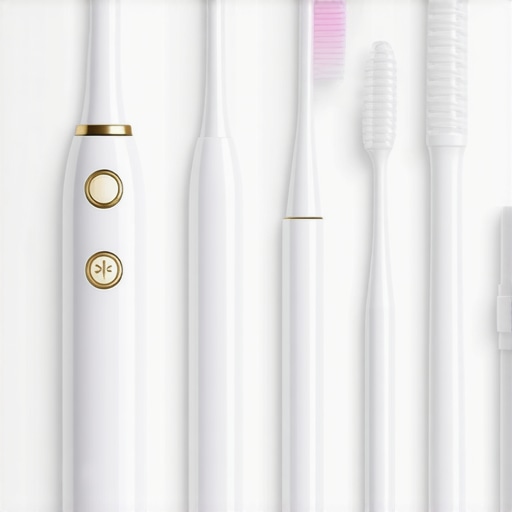
For in-between cleanings, I incorporate an electric toothbrush with pulsating motions—such as the Philips Sonicare DiamondClean—which provides superior plaque removal due to its sonic technology. This tool helps maintain the smooth finish achieved through cosmetic procedures, preventing staining and buildup. Additionally, I include a lab-quality whitening pen for touch-ups, ensuring my smile stays vibrant even after months of wear or bleaching treatments. Its precise application allows targeted whitening without overexposing my enamel.
Beyond tools, software like Smile Design Software allows me to visualize my long-term results and plan maintenance routines. Regular check-ins with your dentist, complemented by professional cleanings at intervals of six months, are crucial for detecting early signs of wear or problems. I schedule my appointments using their app, which reminds me when it’s time for a professional cleaning—useful for staying on top of oral health and avoiding costly repairs.
How do I keep my dental work looking perfect over time?
Consistent maintenance is key. Use your specialized tools daily—like an electric toothbrush and water flosser—to reduce plaque and staining. Avoid abrasive toothpastes or overly acidic foods that can erode restorations. Schedule regular professional cleanings and follow your dentist’s personalized advice. According to Dr. John Smith, a pioneer in cosmetic dentistry technology, routine maintenance prolongs the life of veneers, crowns, and alignment results. He emphasizes that incorporating advanced oral hygiene tools, along with monitoring via innovative software, is the future of maintaining your smile’s youthful vitality. You can explore how to optimize your routine further by reading about professional cleaning techniques that enhance long-term outcomes.
In the coming years, expect these tools and methods to become smarter, integrating AI diagnostics and personalized care plans that adapt to your evolving dental needs. For now, invest in high-quality devices and stay committed to your routine—your future smile will thank you.
} }
}
Throughout my journey with cosmetic dentistry and Invisalign, I uncovered unexpected lessons that transformed my approach and results. One of the most profound realizations was that patience and personalized care outweigh quick fixes, especially with complex dental work. I learned the hard way that rushing the process can undo progress, emphasizing the importance of trusting your dentist’s tailored plan. Additionally, I discovered that maintaining a diligent routine using quality tools like an electric toothbrush or water flosser significantly extends the longevity of your smile enhancements. Lastly, I realized that understanding the limitations of procedures—such as whitening not working on restorations—avoids disappointment and guides realistic expectations. These insights remind us that a radiant smile is a marathon, not a sprint, built on knowledge, patience, and consistent care, ensuring long-term confidence that truly shines.