
One evening, I caught myself in a panic, watching my toddler vigorously suck his thumb as he slept. It hit me—I was trying to force him to stop, but I had no real plan, just vague fears and frustration. That moment was my lightbulb moment. I realized that understanding the ‘why’ behind thumb-sucking can help us parents turn this challenge into an opportunity for healthier habits.
Why We Struggle to Break Toddler Thumb-Sucking (And Why It Matters)
Thumb-sucking is more common than we think. It’s a soothing, natural reflex that many toddlers cling to, especially during stressful times or moments of boredom. But here’s the thing: persistent thumb-sucking can lead to dental issues like misaligned teeth or bite problems if it continues beyond the toddler years. I can tell you from experience—early suppression efforts often backfire, making the habit stronger or more secretive.
Is Trying to Stop Thumb-Sucking Really Worth the Hassle?
I used to believe that sheer willpower and constant nagging were the keys. Turns out, that’s a big mistake. I once tried the old ‘yucky-tasting’ nail polish trick, thinking I was clever. Instead, it created more anxiety, and my son started hiding his thumb even more. A trusted source mentions that forcing habits can backfire and emphasizes a gentle, understanding approach instead. (Learn more about common mistakes parents make and how to avoid them here.)
So, what do we do? How do we encourage our little ones to ditch the thumb without causing tears or resentment? That’s what we’re going to explore together next. If you’ve faced this delicate battle, keep reading—I’ve been there, and there is hope.
Ensure you’re ready for practical solutions that are both kind and effective, grounded in understanding rather than enforcement. We’ll look at gentle strategies that respect your child’s emotional needs while guiding them toward healthier habits.
Start With Gentle Observation and Patterns
Identify when your child tends to suck their thumb; is it during specific times like bedtime or boredom? Once recognized, gently notice these moments without immediate intervention. For example, I once logged my son’s thumb-sucking for a day, noticing it spiked during transitions between activities. This awareness guided me to prepare comforting alternatives during those times.
Introduce Comfort and Distraction Techniques
Replace the soothing feeling of thumb-sucking with alternative comfort objects, like a soft blanket or stuffed animal, especially at night. I tried giving my son a textured cloth during bedtime routines, which kept his hands busy and reduced the urge. Distractions such as drawing or squeezing a stress ball during quiet moments can also divert attention away from thumb-sucking.
Use Positive Reinforcement
Reward progress with praise or small incentives. Set achievable goals, like days without thumb-sucking, and celebrate successes to motivate your child. I implemented a sticker chart, where after three days without thumb-sucking, my son earned a new book. This approach shifted the focus from punishment to encouragement.
Gradually Reduce Habits During Stressful Moments
If your child resorts to thumb-sucking during stressful times, teach coping skills such as deep breathing or cuddling a favorite toy. During a stressful day at preschool, I encouraged my child to take deep breaths when he felt the urge, which over time decreased the dependence on thumb-sucking as a stress outlet.
Maintain Consistent and Supportive Communication
Explain gently why they should reduce thumb-sucking, emphasizing health benefits. Use simple language, like “Your teeth will grow strong and straight.” Sharing stories or books about children overcoming habits can also reinforce positive change. I read a story about a bear who stopped sucking his paw, which resonated with my son and motivated him to try.
Consult Dental Professionals for Guidance
Seek advice from a dentist familiar with early childhood habits. They can provide tailored strategies or even suggest devices if necessary. I visited my dentist, who explained that gentle encouragement often works best and advised avoiding harsh restrictions. Sometimes, professional input can clarify misconceptions and alleviate parental anxieties.
Remember, patience is key. Each small step creates a foundation for long-term success and healthier habits for your child.
Many patients believe that brushing vigorously or using whitening toothpaste alone guarantees a healthy, sparkling smile. However, these common perceptions overlook the nuanced realities of dental care. For instance, aggressive brushing can erode enamel and recede gums, paradoxically increasing sensitivity and vulnerability to decay. Instead, gentle yet thorough cleaning combined with professional scaling is far more effective, as highlighted in recent innovations in teeth cleaning techniques here.
Another misconception revolves around cosmetic dentistry. Many assume that procedures like veneers or whitening are superficial fixes. In reality, experienced cosmetic dentists assess underlying functional issues—such as bite alignment or enamel health—that could compromise aesthetic results long-term. Skilled practitioners meticulously plan treatments to enhance both form and function, ensuring lasting outcomes. For example, choosing the right cosmetic options is essential, and consulting top cosmetic dentistry insights this resource can help set realistic expectations.
When it comes to Invisalign, the widespread myth is that it’s just about invisibility. While discreet, Invisalign’s effectiveness heavily depends on precise patient compliance and understanding of advanced aligner care. Overlooking the importance of wearing aligners the prescribed 20-22 hours daily is a common mistake that can lead to extended treatment times or subpar results. To truly optimize your clear aligner journey, learning about the latest innovations here is invaluable.
For the savvy patient, it’s crucial to recognize that not all dental advice suits every individual. Many people fall into traps by blindly following generic tips without understanding their own dental nuances. For example, some may use charcoal toothpaste believing it’s universally safe, but it can damage enamel if used excessively. Recognizing these pitfalls is vital—so I recommend reading about common teeth cleaning myths here.
### Are you aware of the risks of overdoing whitening treatments?
Overwhitening can cause irreversible enamel damage and heightened sensitivity. Expert guidance and tailored treatment plans are essential, especially for those with already sensitive teeth. Regular consultations with your dentist can prevent these pitfalls and help choose the safest, most effective approach tailored to your needs.
In conclusion, understanding the complexity behind teeth cleaning, cosmetic procedures, and aligner therapy helps disengage from misconceptions that may hinder your dental health. Let me know in the comments if you’ve ever fallen into any of these traps or have questions about your own dental journey. Prioritize informed decisions for a radiant, healthy smile.
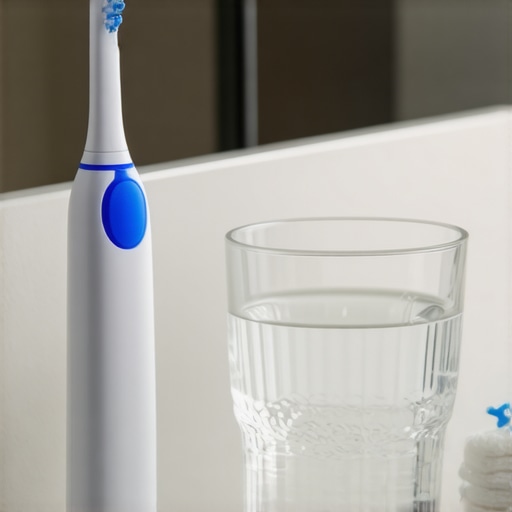
Maintaining your dental health over time requires more than just daily brushing and flossing; it calls for using the right tools and adopting effective routines that support your goals. One essential piece of equipment I personally swear by is a high-quality electric toothbrush with a timer and pressure sensor. Brands like Sonicare or Oral-B not only scrub away plaque more effectively than manual brushes but also help prevent overbrushing—a common mistake that can damage enamel. I recommend choosing a model with Bluetooth connectivity and app integration, which allows you to track your brushing habits and receive feedback for improvement. Additionally, a water flosser such as the Waterpik enhances interdental cleaning, reaching areas traditional floss may miss, especially around braces or dental implants. Regularly using such tools makes a significant difference in long-term outcomes, reducing the risk of cavities and gum disease.
Beyond equipment, investing in professional maintenance is crucial. Scheduling semi-annual cleanings and check-ups allows your dentist to catch issues early and suggest personalized preventive measures. For those with sensitive teeth, I recommend products like sensitive toothpaste and desensitizing gels, alongside gentle cleaning techniques. These innovations are constantly evolving, and staying informed helps you adapt and optimize your routine. In the future, I predict that advancements like AI-powered devices will further tailor your oral care, providing real-time analysis and custom recommendations, making maintenance even more effective.
How do I maintain my dental appliances and aligners over time?
Keeping your Invisalign trays or other appliances in top condition involves dedicated cleaning and proper handling. I suggest using a gentle, non-abrasive cleaning solution—regular denture or aligner cleaners work well—and avoiding hot water, which can deform plastics. Regularly inspecting your aligners for cracks or buildup ensures they perform effectively and avoids discomfort or delays. Implementing a routine of nightly cleaning and storage is a simple yet powerful habit that prolongs the lifespan of your dental devices. Moreover, avoid eating or drinking colored beverages while wearing aligners to prevent staining. For comprehensive guidance, I recommend exploring these expert tips tailored for long-term aligner care.
Remember, consistency is key, and combining the right tools with regular professional oversight creates a strong foundation for lasting results. Don’t hesitate to try some of these advanced cleanup techniques today—your smile will thank you for it!
Looking ahead, digital integration and smarter monitoring devices will make maintaining dental health more seamless than ever. Stay proactive and informed, and consult with your dentist about the latest innovations tailored for your lifestyle and needs.
What I Wish I Had Known Before Starting My Dental Care Adventure
Early on, I underestimated how much oral health truly influences confidence and overall well-being. Discovering that gentle routines and informed choices outperform harsh habits was a game-changer for me. I learned to prioritize preventive care, realizing that consistent, personalized strategies make all the difference over time.
Tools That Reshaped My Approach to Dental Wellness
Investing in quality electric toothbrushes with timers and sensitive modes transformed my cleaning habits. I also found that water flossers provided superior plaque removal compared to traditional floss, especially around braces and implants. These tools, recommended by dental professionals, became essential in my routine, ensuring long-term health and comfort.
Embracing the Emotional Side of Dental Care
Feeling anxious about dental visits is common, but acknowledging that emotional comfort is key helped me stay consistent. Using calming techniques, choosing compassionate dentists, and educating myself about procedures reduced my fears. Building trust with professionals who value my overall health turned tooth care into a positive experience.
Curated Resources for Your Smile Evolution
For reliable insights, I trust Invisalign innovations—they highlight future-forward treatments that can transform your smile seamlessly. The latest in cleaning tech has helped me reduce sensitivity without sacrificing effectiveness. Books like Cosmetic Dentistry Insights broaden understanding of aesthetic options, inspiring confidence. Lastly, staying connected through top cosmetic pros ensures I receive tailored advice for lasting results.
Your Smile Odyssey Starts Today—Take That First Step
Every small decision contributes to a brighter, healthier smile. With the right knowledge and tools, you can elevate your dental care from routine to transformative. Embrace this journey, knowing that each effort leads to renewed confidence and well-being. Remember, your best smile is yet to come—begin today, and let your journey inspire others to prioritize their oral health with warmth and enthusiasm.
What’s the one dental habit you’ve been meaning to improve? Share your thoughts below—I’m here to help you succeed!
,