
Ever had that moment during a routine dental visit when the dentist mentions your wisdom teeth and suddenly your mind races? Maybe you felt a strange pressure or a dull ache that you brushed off as nothing. I remember the lightbulb moment when I realized how misjudging my wisdom teeth almost led me to unnecessary pain. It’s a common experience — we ignore subtle signs, assuming they’ll just go away. But when it comes to impacted wisdom teeth, ignoring the symptoms can mean more discomfort and even costly dental procedures down the line.
Why Spotting Impacted Wisdom Teeth Matters Right Now
You might think, “My teeth are fine,” but impacted wisdom teeth often hide behind the scenes, lurking with potential problems that only surface when it’s too late. Impacted teeth are those that don’t fully emerge into the mouth, often trapped beneath the gum line. They can cause everything from jaw pain to infections or misaligned teeth. Recognizing early signs can save you from evolving discomfort and significant dental work later.
Research shows that around 70% of teenagers and young adults have at least one impacted wisdom tooth, and many are unaware until complications set in. It’s like trying to fix a leak only when the ceiling starts to sag — better to catch it early. I wish I had known this earlier; I spent months with nagging headaches and achy jaws because I didn’t realize my wisdom teeth were impacted until I visited my dentist for a regular cleaning. That mistake — overlooking early symptoms — made me wish I’d been more attentive to my body’s signals and more proactive about my oral health. You can read more about the importance of regular teeth cleaning and early detection [here](https://smilezdentist.com/teeth-cleaning-secrets-how-regular-care-boosts-oral-health-at-any-age).
Could It Be Impacted? Common Signs to Watch For
Now, let’s get into how you can tell if your wisdom teeth are impacted — because the signs aren’t always obvious. Think about persistent jaw stiffness, swelling around the back of your mouth, or even bad breath that doesn’t improve with brushing. Sometimes, impacted wisdom teeth cause discomfort that feels more like a dull ache than sharp pain, making it easy to dismiss. Recognizing these subtle clues is key to determining whether you should see your dentist for an evaluation.
Over the years, I’ve learned that early detection relies on paying attention to your body’s whispers, not just waiting for a scream. If you’ve noticed any of these signs, it might be time to consult with a dental professional who understands the nuances of impacted teeth. And if you’re unsure about how to choose the right dentist for this kind of assessment, my tip is to look for specialists with a focus on cosmetic and restorative dentistry [here](https://smilezdentist.com/finding-a-dentist-who-gets-your-smile-tips-from-top-cosmetic-pros). Up next, I’ll guide you through simple steps to confirm whether your wisdom teeth are impacted and what your options are — because nobody should suffer in silence over something that’s often manageable early on.
Schedule a Comprehensive Dental Evaluation
Start by booking an appointment with a dentist experienced in oral impactions. When I had my own impacted wisdom teeth, I initially brushed off mild discomfort, thinking it was just a routine ache. But during the evaluation, my dentist performed a detailed examination and took X-rays, revealing the impaction. This step is crucial because visual cues alone can be misleading, and imaging provides definitive evidence of the teeth positions.
Identify and Document Symptoms
Keep a symptom diary to track jaw swelling, persistent bad breath, or jaw stiffness—common indicators of impaction. For instance, I noticed my jaw was always slightly swollen on the far right, which I documented daily. Sharing this record with your dentist helps determine if your symptoms align with impaction or other dental issues.
Review Diagnostic Imaging Carefully
Request detailed X-rays or 3D scans. During my own diagnosis, the panoramic X-ray clearly showed my wisdom teeth were horizontally impacted, pressing against the adjacent molars. Understanding the exact position guides the next steps in managing the issue. Remember, only a trained professional can interpret these images accurately.
Explore Your Treatment Options
If impacted teeth pose health risks or cause discomfort, removal is often recommended. I opted for extraction, which involved a minor surgical procedure. Consult your dentist about options like traditional extraction or minimally invasive techniques, and ask about anesthesia choices. Knowing what to expect reduces anxiety and helps you prepare effectively.
Prepare for the Procedure
Follow pre-surgical instructions meticulously—this might include fasting or adjusting medications. When I prepared for my extraction, I arranged transportation and avoided strenuous activity beforehand. Clear preparation minimizes complications and ensures a smoother procedure.
Follow Post-Treatment Care Routines
Adhere strictly to your dentist’s aftercare advice: maintain oral hygiene, manage swelling with ice packs, and avoid hard or chewy foods. My recovery was quicker when I used a saltwater rinse to keep the area clean and avoided smoking and alcohol. Proper post-care prevents infections and promotes healing.
Monitor and Schedule Follow-Up Appointments
Regular check-ups confirm proper healing and address any secondary issues. After my surgery, follow-up visits ensured the site was healing well and no residual infection or complications arose. Stay vigilant for signs of persistent pain or swelling, and report them promptly.
Prevent Future Impacted Teeth Problems
Maintain good oral health through consistent dental hygiene practices, like regular brushing and flossing. Consider periodic imaging if you have a history of impaction or crowding. Regular dental visits, combined with good home care, can detect and mitigate issues early, saving you discomfort and expense down the line. For tips on effective cleaning routines, compare methods at this resource.
Being proactive and informed about your oral health dramatically reduces risks associated with impacted wisdom teeth and other dental concerns. Taking these concrete steps transforms uncertainty into actionable care, ensuring your smile stays healthy and comfortable.
While many believe that choosing Invisalign or opting for cosmetic dentistry is straightforward, the truth is far more nuanced. A common misconception is that these treatments are purely cosmetic and require no attention to structural health. However, in my experience working with patients, overlooking the underlying bite issues or oral health nuances can lead to suboptimal results or unexpected complications.
Many assume that all cosmetic procedures are reversible or low-risk, but this is not always true. For example, some patients delay addressing foundational dental problems like misaligned bites, believing that cosmetic enhancements will mask underlying issues. This can result in needing correction down the line, sometimes at a higher cost. To avoid this trap, thorough diagnostics—including detailed imaging and bite analysis—are essential before embarking on any cosmetic change. You can learn more about making informed cosmetic choices by exploring this guide to cosmetic dentistry trends.
What advanced considerations should I be aware of with Invisalign treatment?
Many patients focus solely on the aesthetic outcome, but the real key to a successful Invisalign journey lies in understanding its impact on your oral health. For instance, improper wear or neglecting attachments can cause gum irritation or uneven wear on teeth. Additionally, newer innovations in Invisalign, such as SmartTrack material, improve fit and comfort but require diligent compliance. An often overlooked nuance is that Invisalign isn’t just about straightening teeth—it can also address complex bite issues that if ignored, might lead to TMJ problems or uneven wear. Studies indicate that early intervention with aligners can prevent more invasive procedures later; see this article on Invisalign innovations for more details.
Always consult a specialist who understands not only the aligners but also the biomechanics of your bite, as improper planning can exacerbate existing issues, leading to new discomfort or damage. Remember, the ultimate goal is a healthy, functional smile, not just a straight one. Want to enhance your understanding? Check out comprehensive Invisalign advice.
Moving beyond surface-level thinking is vital in dental aesthetics. For example, some patients believe that frequent professional teeth cleaning is unnecessary if they brush regularly, but in reality, professional cleanings remove tartar buildup that home brushing may miss, especially in hard-to-reach areas. Overlooking these nuances can increase the risk of gum disease or enamel erosion over time. Regular visits, combined with proper at-home routines like those detailed here, are key to long-term oral health preservation.
In summary, whether it’s Invisalign, cosmetic dentistry, or routine teeth cleaning, the devil is in the details. Understanding the complex interplay of functional and aesthetic factors ensures you make informed choices. Are you aware of these subtle but crucial nuances in your dental care? Let me know in the comments!
Maintaining a healthy and beautiful smile goes beyond just visiting the dentist regularly; it requires the right tools and consistent care. Over the years, I’ve tested various equipment and software to ensure long-term success in cosmetic dentistry, Invisalign maintenance, and routine teeth cleaning. In this post, I’ll share the specific tools I rely on daily to keep my dental health optimal and how you can implement them into your routine for lasting results.
Invest in an Electric Toothbrush with Pressure Control
I personally prefer using the Oral-B Genius X with pressure sensors. This device provides real-time feedback when you’re brushing too hard, safeguarding your gums and enamel. Gentle, consistent brushing is essential, especially if you’re wearing aligners or have sensitive teeth, as discussed in this guide. The built-in timers ensure you brush for the recommended two minutes, which I’ve found significantly improves my dental hygiene over time.
Utilize a Water Flosser for Deep Cleaning
For interdental cleaning, I swear by the Waterpik Aquarius. It’s proven to reduce plaque buildup more effectively than traditional flossing, especially around braces or Invisalign trays. Regular use helps prevent gum disease and keeps teeth brighter, aligning with the advice in this essential resource. I dedicate a few minutes each night to water flossing, which has made a noticeable difference in my long-term oral health.
Leverage Dental Monitoring Software
Technology is transforming dental maintenance. I use Invisalign-specific apps like Invisalign Progress Tracker, which allows me to share progress photos with my dentist remotely. This ongoing monitoring enables quick adjustments and early detection of any issues, reducing the risk of complications. As the future trends suggest, digital tools will become more integrated into everyday oral care, making regular check-ins more convenient and effective.
Protect Your Investment: Custom Mouthguards and Educate Yourself
If you’re involved in cosmetic procedures or aligner therapy, custom mouthguards are a must for protecting your investment during sports or grinding at night. I recommend discussing custom-fitted options with your dentist to ensure comfort and durability. Additionally, educating yourself through reputable sources like this trend-focused blog keeps you aware of advancements, helping you make informed decisions about long-term maintenance.
How do I keep these tools effective over time?
Regularly replacing brush heads and water flosser tips is essential, ideally every three months. Keeping your equipment clean and stored properly prolongs their lifespan, maintaining peak performance. Also, scheduling periodic professional cleanings and check-ups ensures any issues are caught early, sustaining your investment in your smile. In the same vein, a comprehensive home care routine bolstered by these tools cultivates an environment where your smile can truly thrive for years to come. Remember, consistent and informed care is the secret behind enduring results.
Looking ahead, advancements like AI-powered dental diagnostics and more integrated smart devices are poised to make dental maintenance even more personalized and effortless. Embracing these innovations now sets the stage for optimal health and aesthetics in the future. So, why not start by trying out that pressure-controlled electric toothbrush this week? Experience the difference it makes in your daily routine and take a step closer to a healthier, brighter smile.
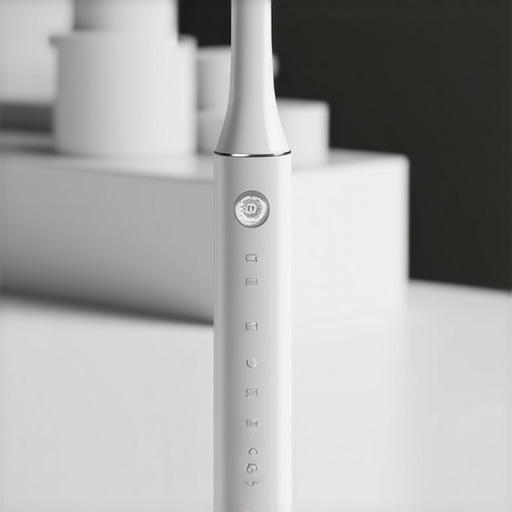
The Hardest Lesson I Learned About Invisalign and Smile Makeovers
- Never underestimate the complexity of bite issues; addressing aesthetic concerns without correcting foundational problems can lead to future discomfort and costly corrections.
- Quick fixes aren’t always permanent—consistency and proper maintenance are key for long-lasting results with cosmetic treatments.
- Rushing into aesthetic procedures because of societal pressure often results in regret; patience and expert guidance make all the difference.
Tools I Swear By for Lasting Oral Confidence
- A high-quality electric toothbrush with pressure sensors ensures gentle yet effective cleaning, a must for preserving both your natural teeth and any cosmetic work.
- Professional-grade water flossers keep hard-to-reach areas clean, preventing gum issues that can undermine your smile’s beauty and health.
- Digital monitoring apps for Invisalign allow me to stay on top of progress, boosting confidence and adhering to treatment plans effectively.
Your Next Steps Toward a Radiant Smile
Embarking on an oral health journey that includes Invisalign, cosmetic dentistry, or routine teeth cleaning is a form of self-investment that pays dividends in confidence and well-being. Every step I took revealed new nuances, and sharing this can help you navigate your own path with clarity and ease. Remember, understanding these hidden lessons can transform your approach from reactionary to proactive, ensuring your smile remains both beautiful and healthy for years to come. Ready to take the next step? I’d love to hear about your experiences or plans for enhancing your smile—share below and let’s grow together.