
It was a morning like any other, until I opened my toddler’s bedroom door and was hit with an overwhelming smell that seemed to come out of nowhere. Not just your typical kid-related odor, but something foul, persistent, and honestly concerning. I remember thinking, “Is this normal? Should I worry about this?” That lightbulb moment—when I realized that my child’s bad breath might be a sign of something more serious—prompted me to dig deeper and seek solutions.
Understanding Why Toddler Breath Can Smell Unusually Bad
Many parents brush off foul morning breath as just part of childhood—after all, kids are notorious for getting into things, and their bodies are still learning to regulate bacteria levels in the mouth. But recurring bad breath, especially in the morning, can sometimes indicate underlying issues like poor oral hygiene, dietary habits, or even health problems that need attention. Early on, I made the mistake of dismissing it as a phase, but I quickly learned that ignoring it could lead to more significant dental or health issues later.
Did you know that bacteria buildup in the mouth is a common cause of bad breath, but it can also be a red flag for other health concerns? According to a study published in the Journal of Dental Research, persistent halitosis in children might be linked to cavities, sinus infections, or even gastrointestinal issues if not properly addressed.
So, what can we do to help our little ones breathe easier—and smell fresher in the mornings? The good news is, with the right approach, you can turn this stinky problem into an opportunity for healthier habits. But first, let’s tackle one common skepticism.
Is Toddler Breath Really That Worrisome or Just Normal?
I used to think that bad morning breath was just cute or typical of young kids, but I learned early on that ignoring the signs might set the stage for more complicated problems. A misstep many parents make is assuming that kids will naturally outgrow it or that it’s harmless. However, establishing good dental habits early can prevent future issues and keep your child’s smile bright and healthy.
If you’re facing similar worries or wondering whether this is just a phase, stay tuned. We’re about to explore practical, expert-backed steps to improve your child’s oral health and banish that morning breath for good.
Prioritize Daily Oral Hygiene Routines
Establishing a consistent brushing routine is crucial. Use a soft-bristled toothbrush designed for toddlers and a smear of fluoride toothpaste. I once spent a messy Saturday morning teaching my little one how to brush, turning it into a fun game by demonstrating on my own teeth. Initially, it was chaotic, with toothpaste everywhere, but gradually, my child began to understand the importance. Regular brushing disrupts bacterial buildup, which is the primary cause of bad breath, and sets the foundation for healthy teeth.
Incorporate Flossing for Tiny Teeth
Flossing ensures removal of plaque between crowded or misaligned teeth that brushing alone might miss. For small fingers, using a floss pick makes the task easier. I remember carefully threading floss between my child’s molars, sometimes making funny faces to distract them. This added step not only reduces bacteria but also helps prevent cavities that emit foul odors. Incorporate flossing at least once daily, especially if your child’s teeth are close together, to maintain fresh breath and oral health.
Schedule Regular Dental Check-Ups
Routine visits to the dentist beyond just cleaning are vital. During one visit, my dentist identified early signs of minor cavities before they worsened, preventing further issues. A professional cleaning removes tartar and reduces bacteria, directly improving breath freshness. Dentists can also provide tailored advice and tips for maintaining oral hygiene at home. Aim for biannual check-ups and consult your dentist promptly if foul breath persists despite diligent care.
Adjust Diet to Combat Odor
Diet impacts oral bacteria and overall breath. Limit sugary snacks that promote bacterial growth. Instead, introduce crunchy fruits and vegetables like apples and carrots—they naturally clean teeth and freshen breath. I found switching to water and limiting juice reduced morning odor drastically. Avoiding processed foods and offering plenty of water helps wash away food particles, reducing foul smells and supporting a healthier mouth environment.
Explore Professional Cosmetic and Restorative Options
If structural issues or discoloration contribute to persistent bad breath, cosmetic dentistry offers solutions. Treatments like teeth whitening or veneers can enhance appearance and health. Many parents, including myself, have opted for cosmetic enhancements to boost confidence and oral hygiene. Modern procedures, such as cosmetic dentistry innovations, provide durable and less invasive options. For complex cases, restorative procedures like crowns or bridges may be necessary to restore function and aesthetics, indirectly improving breath by eliminating decay sources.
Use Specialized Dental Tools for Kids
Introduce fun, child-friendly tools like flavored floss or electric toothbrushes to encourage regular use. I found that electric brushes made the task engaging for my toddler, turning brushing into a game rather than a chore. This approach increases compliance and ensures thorough cleaning. Additionally, water flossers designed for children can reach hard-to-access areas and supplement traditional flossing, effectively reducing bacteria and odors.
Maintain Consistent Hygiene Habits Turning Routine Into Rituals
Consistency builds habit. Make toothbrushing and flossing a fun, unavoidable part of the morning and night routines. I created a reward chart that motivated my child to stick to the habits steadily. Over time, these rituals become natural, leading to fresher breath and healthier teeth. Remember, the key lies in making these habits enjoyable rather than a chore, which encourages cooperation and long-term adherence.
Stay Informed on New Dental Care Technologies
Advances in dental care continually emerge, offering safer and more effective methods. Techniques like modern teeth cleaning reduce sensitivity and enhance results, making visits less stressful. Keeping updated helps you choose the best products and protocols, ensuring optimal health for your child’s developing teeth and fresher mornings ahead.
Many people believe that opting for invisible aligners like Invisalign automatically means it’s a hassle-free, perfect solution. But professional braces like Invisalign require meticulous attention—overlooking specific nuances can compromise results. For example, some think that Invisalign is suitable for all malocclusions, but more complex cases might necessitate traditional braces or even combined treatments. According to experts at https://smilezdentist.com/enhance-your-look-cosmetic-dentistry-innovations-2025, choosing the right cosmetic approach depends on detailed assessment. A common mistake is underestimating the importance of adhering strictly to wearing schedules; skipping trays or misaligning wear time can extend treatment duration unnecessarily. Additionally, many assume that teeth cleaning is just about removing plaque; however, modern innovations like laser-assisted cleaning, discussed at https://smilezdentist.com/modern-teeth-cleaning-innovations-that-reduce-sensitivity-and-boost-results, can significantly reduce sensitivity and improve long-term health. Overcleaning or aggressive brushing, on the other hand, can damage gums and enamel—highlighting that technique and equipment are critical. When it comes to selecting a dentist, some patients believe that experience alone guarantees quality, but the real hidden nuance is ongoing education on latest technologies and personalized care plans. For instance, cosmetic dentistry isn’t just about whitening; it encompasses a spectrum of treatments from veneers to smile makeovers, which should be tailored to individual needs. The myth that all dental treatments are equally durable is debunked by understanding material science and procedural protocols, as explained in https://smilezdentist.com/cosmetic-dentistry-trends-that-transform-smiles-today. Are you falling into any of these misconceptions? Let me know in the comments below! Understanding these hidden nuances can transform how you approach oral health, ensuring results that go beyond just superficial fixes.Achieving a radiant smile isn’t just about the initial treatments; it’s about consistent, effective maintenance using the right tools. Over the years, I’ve refined my kit to include equipment that genuinely makes a difference, combining professional-grade technology with everyday practicality. One essential is the Philips Sonicare ProtectiveClean electric toothbrush. I chose it because of its superior plaque removal, gentle gum care, and built-in pressure sensor that prevents overbrushing—crucial for preserving delicate gum tissue. Its Quadpacer feature ensures even cleaning of all mouth areas, which I’ve found boosts overall oral health
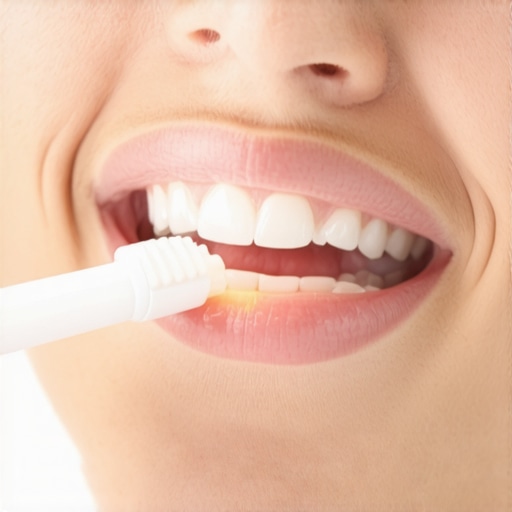
Prompt: Close-up of a person using a Philips Sonicare electric toothbrush with visible plaque removal on teeth, soft lighting emphasizing clean, healthy teeth.|imageTitle|Alt: A person cleaning their teeth with an electric toothbrush, showcasing plaque removal benefits.|imageAlt|The Philips Sonicare ProtectiveClean electric toothbrush in action, highlighting its effectiveness in maintaining oral health.Reflecting on the journey of caring for my child’s dental health revealed some surprising insights that even seasoned parents might overlook. One pivotal moment was realizing that persistent morning breath isn’t just a fleeting phase but could signal deeper issues that need attention. By embracing regular routines, bespoke tools, and staying informed about innovative treatments, I learned that we have the power to turn dental challenges into opportunities for lifelong health and confidence.
The Hardest Lessons About Smiles and Breath in Childhood
- Never dismiss persistent bad breath as merely ‘childhood colds’—it can be a sign of cavities or sinus issues that benefit from early intervention. My mistake was waiting too long before consulting specialists, which allowed problems to escalate.
- Investing in quality tools like electric toothbrushes and flavored floss made my child’s oral hygiene routine engaging and effective. I discovered that making brush time fun encourages consistency, which is the real key to reducing odors and bacteria.
- Regular visits to a trusted dentist who stays updated with modern techniques, such as laser cleaning, have profoundly impacted my child’s oral health. These approaches are less invasive and more precise, leading to better long-term results.
- Diet plays a subtle yet significant role—limiting sugary snacks and introducing crunchy vegetables can naturally freshen breath and prevent bacterial buildup that causes odor.
- Exploring cosmetic options like teeth whitening or veneers can boost confidence if structural issues contribute to persistent bad breath or appearance concerns. Understanding when and how to consider these treatments is vital, as discussed in dedicated articles on cosmetic dentistry innovations.
My Essential Toolkit for Nurturing Bright, Fresh Smiles
- Philips Sonicare ProtectiveClean: Its gentle yet powerful technology keeps plaque at bay while protecting delicate gums—crucial for little mouths.
- Child-Friendly Flavored Floss Picks: Turning flossing into a game turned my child’s routine into a bonding activity, ensuring no plaque hideouts between teeth.
- Regular Dental Check-Ups: Building a rapport with a knowledgeable dentist who understands the latest advancements has been transformative, especially with techniques like modern teeth cleaning.
- Healthy Snacks and Clear Hydration: Replacing sugary treats with crunchy fruits and water significantly improved breath freshness and oral health.
- Educational Resources: Books and trusted websites tailored for parents help me stay ahead of emerging trends and solutions, ensuring I make informed decisions for my child’s smile.
Your Child’s Bright Future Starts Today
Embracing proactive, personalized dental care can open doors to healthier, happier smiles and fresher mornings. Remember, small daily actions compounded over time yield extraordinary benefits. Whether it’s mastering the perfect brushing technique or exploring advanced cosmetic options, your efforts shape your child’s confidence and well-being. Don’t wait—your child’s radiant smile and fresh breath are worth it. What step will you take today to elevate your child’s dental health? Share your thoughts below and join our community of proactive parents.