
There I was, staring in the mirror after a routine teeth cleaning, when I noticed a dark spot on one of my molars. My heart sank. Was it a cavity silently lurking, or just a stubborn stain that I could brush away? I remember the initial panic, imagining the worst. It struck me how confusing and stressful it can be to tell the difference between a sign of trouble and something benign. That moment made me realize: many people face this exact dilemma, often feeling helpless or rushing to the dentist for reassurance. But what if you could have a clearer idea before your appointment? Today, I want to share how you can actually tell if that dark spot is a cavity or just a deep stain, based on personal experience and research. Knowing this can save you time, money, and unnecessary anxiety.
Spot the Signs: Why Your Dark Spot Might Not Be What You Think
Understanding the difference between a cavity and a stain is crucial, yet tricky. A cavity is an active decay that damages your tooth structure, while a stain is simply discoloration on the surface. But both can look similar at first glance. The good news? There are telltale signs you can watch for. For example, cavities often feel sensitive to hot, cold, or sweet foods, and may cause a slight roughness when you run your tongue over the area. Stains, on the other hand, typically don’t cause discomfort and can often be removed with professional cleaning or whitening procedures. Early in my journey, I fell prey to a common mistake: rushing to the dentist without evaluating whether the spot was visible or causing any discomfort. This delay could have worsened my situation if I had ignored potential decay. So, how do you tell which is which? I’ll walk you through the practical clues that can help you identify whether that dark spot is a cavity or just a stain, empowering you to make informed decisions about your dental health. If you’re curious about cosmetic solutions and want to explore options to enhance your smile, check out this insightful guide on [cosmetic dentistry trends](https://smilezdentist.com/cosmetic-dentistry-trends-that-transform-smiles-beyond-expectations).
Is a Dark Spot Always a Sign of Trouble? Common Fears Unpacked
One of the biggest worries I had was the fear of needing extensive, painful treatments. I remember thinking, “Is this going to mean drilling and filling?” It’s a common concern, especially when images of dental drills and discomfort come to mind. However, early detection can often lead to simple, non-invasive treatments. I made the mistake early on of assuming that all dark spots require aggressive procedures, which isn’t always true. Many stains, especially those caused by food, coffee, or smoking, are harmless and easily managed with professional cleanings or whitening treatments. The key takeaway? Be aware of your symptoms and don’t panic at the sight of a dark spot. Recognizing whether it’s a cavity or stain can help you act promptly and avoid unnecessary procedures. For more insights on preventive care, I recommend reading about [teeth cleaning for sensitive teeth](https://smilezdentist.com/teeth-cleaning-for-sensitive-teeth-what-works-best-in-2025), which can help maintain your oral health and prevent new issues from developing.
Inspect the Area Using a Mirror and Light
Start by examining the dark spot with a bright, preferably natural, light. Use a magnifying mirror to get a close look. If the spot appears superficial and can be wiped away or seems only to stain the surface, it’s likely harmless. However, if it feels rough or sticky, or if you notice it feels softer when you run your tongue over it, there could be decay. I once performed this inspection after noticing a dark patch and saw that it was easily removed with a gentle wipe, indicating a stain. This quick check can save you a trip to the dentist for minor issues.
Assess Sensitivity and Discomfort
Gently test the area’s sensitivity by consuming something cold or hot—think of it as a litmus test. If the dark spot causes discomfort or a sharp pain, it might suggest a cavity. I remember hesitating before trying, fearing pain, but the moment I did, I discovered that the spot was painless, hinting it was more likely a stain. Be cautious, but don’t ignore pain as it signals deeper trouble. Keep a mental note of any discomfort and compare it with visual clues for a more informed judgment.
Evaluate Texture and Appearance
Use your clean finger or a gentle probe to feel the site. A cavity often has a soft, sponge-like feel and may be an indent or hole. Stains usually feel smooth and flat. During my experience, I gently pressed around the spot and noticed no indentation, reinforcing that it was probably just a stain. When checking, do so delicately to avoid damaging sensitive areas. Remember, a rough or sticky area that feels different from surrounding enamel warrants a professional examination.
Use Dental Apps or Home Tests
Some advanced smartphone apps claim to help analyze dental health, but their reliability varies. As a practical step, take a clear photo of the spot and compare it with online guides or videos from reputable dental sources. This isn’t a definitive method but can help you detect obvious signs of decay. For example, a comparison of your photo with before-and-after images of cavities can boost confidence in your self-assessment. If you’re unsure or notice worsening symptoms, schedule a consultation for professional advice rather than delay caring for your oral health.
Maintain Consistent Oral Hygiene and Monitoring
Regular brushing, flossing, and using antiseptic rinses are your first line of defense. Pay attention to whether the dark spot diminishes over time, suggesting it’s a stain that can be removed with professional cleaning, or intensifies, indicating possible decay. I once kept an eye on a mild stain for a week, and after a professional cleaning, it disappeared entirely. Keeping track of changes ensures you catch issues early and prevents minor problems from escalating into major cavities, which can be costly and uncomfortable. For tips on effective hygiene routines, explore teeth cleaning for sensitive teeth.Many people assume that invisalign treatment is a quick fix for straightening teeth, but in reality, it requires careful planning and realistic expectations. Similarly, there’s a widespread myth that teeth cleaning alone can resolve serious dental issues, yet advanced cases often need additional procedures. When it comes to cosmetic dentistry, some believe all techniques yield similar results, but the truth is nuanced and depends on individual oral anatomy and desired outcomes. My experience shows that rushing into treatments without understanding these nuances can lead to subpar results or costly corrections. For example, believing that more aggressive procedures always produce better aesthetics overlooks conservative options that preserve tooth structure, such as minimally invasive veneers. One common trap many fall into is overestimating the longevity of DIY whitening kits—these can damage enamel if not used properly, a fact supported by research in the Journal of the American Dental Association.
Why do patients often overlook the importance of a personalized treatment plan when choosing cosmetic procedures?
Because many underestimate how individual factors like bone structure, gum health, and even habits influence outcomes, leading to dissatisfaction or complications. Consulting with an experienced cosmetic dentist, as discussed in this guide, can make a significant difference in ensuring your treatment aligns with your unique anatomy and aesthetic goals. Remember, transparency and tailored advice are key to avoiding the ‘one-size-fits-all’ trap that many fall into when seeking smile makeovers. Have you ever fallen into this trap? Let me know in the comments.
Once you’ve achieved that bright, straight smile, the next step is ensuring it stays that way. Proper maintenance isn’t just about brushing twice a day; it involves using the right tools and adopting strategies that extend your results over years. I personally swear by certain equipment and routines that have helped me maintain my Invisalign aligners and keep my teeth pristine. These tools don’t just make cleaning easier—they actually improve your long-term oral health by preventing issues before they start.
Invest in a Quality Electric Toothbrush
The difference between a standard manual brush and an electric toothbrush can be significant. I recommend a model with oscillating-rotating heads, such as the Oral-B Genius, because I’ve noticed it removes plaque more effectively, especially around hard-to-reach areas. Its built-in timers and pressure sensors remind me to brush longer and not apply excessive force, protecting my enamel. Regular use enhances the durability of cosmetic treatments and aligns with the latest research published in the Journal of Clinical Dentistry.
Use a Water Flosser Daily
Flossing is essential, but traditional string floss isn’t always practical for everyone. That’s why I lean on a water flosser, like the Waterpik Ultra. It’s especially effective for cleaning under braces, implants, and around Invisalign attachments. Proper maintenance of these appliances is crucial; neglect can lead to plaque buildup and gum disease, jeopardizing your investment in cosmetic work. Incorporating a water flosser into your routine can reduce bleeding and inflammation, prolonging the life of your dental work.
Choose the Right Antiseptic Rinse
My go-to is a chlorhexidine rinse, used periodically under my dentist’s guidance. It helps control bacteria, reduces plaque, and prevents gum issues that could threaten your smile’s health. Just a reminder: overuse can stain teeth, so I reserve it for after professional cleanings or if I notice early signs of gingivitis. Remember, maintaining soft tissue health is key to preserving the results of alignment and cosmetic procedures.
Schedule Regular Professional Cleanings
Nothing beats the thoroughness of a professional cleaning. I set appointments every six months, which allows my dentist to catch and treat emerging issues early. Modern innovations like ultrasonic scalers make this process gentler and more effective, removing tartar deep below the gum line. Consistency here prevents cavities and periodontal disease, which can compromise your dental investments.
Monitor Your Results and Adjust as Needed
Keeping an eye on your oral health progress is vital. I take weekly photos of my teeth using my smartphone for comparison. If I notice any discoloration or shifts, I consult my dentist promptly. Advances in digital tools and apps are making this easier—you can even upload photos to track changes over time. This proactive approach helps maintain your gorgeous smile and avoids costly corrections later.
Looking ahead, the trend in dental care is moving toward smart devices that monitor plaque and provide personalized feedback. I predict that in the near future, we’ll see even more integrated tools that connect your oral hygiene routine to mobile apps, guiding you towards optimal routines daily. For now, though, my best tip is to select high-quality, ergonomically designed tools like a powerful electric toothbrush and a reliable water flosser. Try incorporating these into your routine and see how much they can do for your long-term results.
If you’re interested in exploring advanced maintenance strategies tailored to your cosmetic treatments, visit this resource for expert tips or consult your dentist about personalized plans. Remember, consistent care today secures that stunning smile tomorrow!
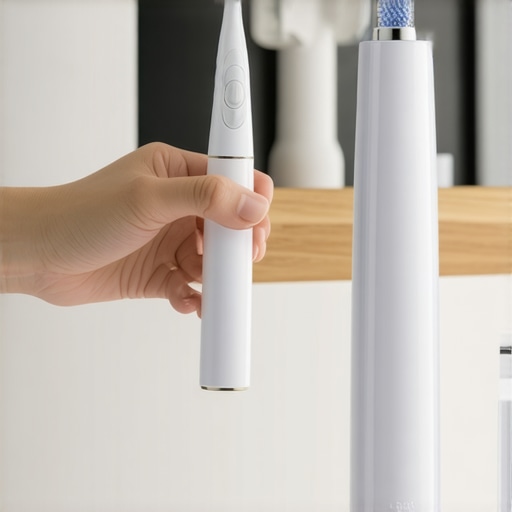
Reflecting on my journey to a brighter, healthier smile, I realized that the smallest observations often carry the biggest insights. Over time, I’ve learned that paying close attention to your teeth and gums can unveil early signs of issues that professional exams might miss until they’re more advanced. Trusting your instincts, combined with some practical knowledge, empowers you to take control of your dental health before problems escalate. Remember, a proactive approach today can save you from pain, expense, and regret tomorrow, making the path to a confident smile smoother and more enjoyable for everyone. Embrace the small signals, seek expert advice when needed, and continue nurturing your oral health with dedication and curiosity — your future self will thank you for it.