
I vividly remember the first time I noticed a persistent metallic taste in my mouth after getting a new stainless steel crown. It hit me during a sip of my morning coffee, and suddenly, every drink afterwards tasted oddly bitter and metallic. I thought it was just temporary, part of the healing process. But days turned into weeks, and the unpleasant sensation lingered, making every meal and even simple water drinking a little less enjoyable. That moment was truly eye-opening—I had to find a solution, fast.
Why That Awful Metallic Flavor Won’t Just Go Away on Its Own
This experience is more common than many realize, and it’s not just about an irritating taste—it’s about your comfort, confidence, and overall oral health. The metallic flavor often stems from the materials used in the crown or how your mouth reacts to the new metal surface. Surprisingly, some dentists may overlook this issue, assuming it will resolve naturally. However, persistent metallic tastes can sometimes indicate underlying reactions, like galvanic currents between different metals in your mouth, which can lead to more serious sensitivities if left untreated. According to a study published in the Journal of the American Dental Association, patients with metal restorations sometimes report taste disturbances lasting weeks or months, underscoring the importance of addressing this early.
Have You Faced This Problem? You’re Not Alone
I made the mistake early on of dismissing the issue, thinking it would fade on its own. That hesitation cost me time—and frustration. If you’re experiencing this metallic taste, know that you’re not alone, and there are practical steps you can take to improve your situation. Trust me, a few adjustments and mindful habits made a world of difference for me, and they could for you too.
In the next section, I’ll walk you through some effective strategies I personally tested to banish that metallic flavor—so stick around, because relief might be closer than you think. Interested in stories of others who’ve faced similar hurdles? Check out [Invisalign success stories](https://smilezdentist.com/invisalign-success-stories-real-patients-real-transformations) to see how patience and proper care make all the difference.
Start with Proper Oral Hygiene Practices
My first move involved deep cleaning of my teeth. I brushed meticulously with a soft-bristled toothbrush, ensuring I reached every crevice. Flossing was next—carefully removing plaque and debris from between teeth to prevent any galvanic reactions from residual metals. I also incorporated an antibacterial mouthwash to reduce bacteria that might contribute to taste disturbances. This routine acted like sweeping away disruptive elements, akin to clearing debris from a workshop before starting a precise task, which dramatically improved my symptom.
Identify and Address Metal Interactions in Your Mouth
Think of your mouth as a tiny electrical circuit; different metals can create small galvanic currents that lead to that metallic taste. I examined my dental restorations and realized I had both amalgam fillings and a stainless steel crown—materials prone to interaction. I consulted my dentist to evaluate whether replacements or adjustments were needed. Switching problematic restorations with non-metallic alternatives, like ceramic or composite resin, can dissolve the source of the electrical current, similar to insulating wires in an electrical system. This proactive step is crucial for recurring taste issues.
Optimize Your Dental Hygiene Routine
After my initial cleaning, I enhanced my routine by using a water flosser recommended in modern teeth cleaning innovations. This tool helped remove debris lodged around complex or tight spaces, reducing oral bacteria and minimizing metal exposure. Additionally, I used an electric toothbrush with pressure sensors to avoid over-brushing, which can cause gum recession and expose metal posts, intensifying metallic tastes. Consistent, gentle cleaning kept my mouth environment stable, preventing further irritation and taste disturbances.
Adjust Your Diet and Habits
Certain foods can exacerbate metallic tastes, especially acidic or spicy items. I noticed that limiting citrus and coffee during the initial healing phase reduced irritation and improved taste. Drinking plenty of water also helped flush out metal particles that might linger in the mouth. Maintaining a neutral pH in my mouth acted like balancing electrical currents, preventing the buildup that fuels metallic sensations.
Seek Professional Guidance When Necessary
If all else failed, I scheduled an appointment with my dentist. They performed a thorough examination, checked for corrosion or loose restorations, and suggested replacements if necessary. My dentist also advised using specialized cleaning agents, as explained in advanced cleaning techniques. Addressing underlying issues ensures long-term relief, much like rewiring a faulty electrical circuit to prevent future problems.
Monitor and Maintain Your Progress
Once I implemented these steps, I monitored changes daily. Regular appointments for deep cleaning and check-ups helped sustain the improvement. Incorporating maintenance tips from Invisalign maintenance guides ensured my appliances didn’t contribute to ongoing metallic taste sensations. Staying vigilant and consistent is the key to avoiding the return of this unpleasant symptom.
Many believe that a quick brush and floss are enough to keep teeth healthy and that cosmetic procedures are purely aesthetic perks. However, this misconception can lead to overlooked nuances, causing long-term oral health issues. For instance, many assume that all toothbrushes are equally effective, but in reality, the type of brush and brushing technique significantly impact plaque removal and gum health. Using a hard-bristled brush, thinking it cleans better, can actually damage enamel and gums, leading to sensitivity and recession—a common mistake even some practitioners warn against in advanced dental care practices.
Are All Dental Treatments Created Equal When It Comes to Durability?
People often underestimate the importance of material selection in procedures like veneers or crowns. A common myth is that all porcelain or composite materials perform similarly, but recent studies highlight that the quality and the layering technique can drastically influence the lifespan and aesthetic outcome of cosmetic restorations. For example, some dentists recommend high-quality ceramics for long-term durability, especially in areas exposed to heavy biting forces, which can be overlooked by patients choosing cheaper options to save costs. Visiting a seasoned cosmetic dentist who understands these nuances, as discussed in cosmetic dentistry trends, can make a noticeable difference in results.
Another trap is believing that Invisalign is just a convenient alternative to braces. In fact, achieving optimal results requires careful attention to maintenance and understanding the limitations of aligners versus traditional braces. Skipping proper cleaning of aligners can cause staining and odor issues, undermining the aesthetic goal. For advanced users, consulting detailed guides like choosing the best Invisalign options ensures your treatment aligns with your lifestyle and long-term health.
Additionally, many are unaware of the importance of professional cleanings in maintaining cosmetic results. Regular deep cleanings, as explained in modern cleaning techniques, can prevent the buildup of tartar that can compromise veneers or crowns, causing stain or failure over time. Skipping these visits is an advanced mistake that can jeopardize your investment in cosmetic dentistry.
In the pursuit of a perfect smile, understanding these nuanced factors helps avoid common pitfalls that many overlook. Do you think your routine addresses these advanced considerations? Or have you ever fallen into one of these traps? Let me know in the comments and share your experience—your insights could help others navigate their dental journey more effectively.
How can I keep my dental work performing at its best over time?
Maintaining your dental restorations, including Invisalign aligners or cosmetic veneers, requires specific tools and routines. I personally rely on a combination of high-quality equipment and disciplined habits to ensure long-term results. For example, I use a water flosser, like the Waterpik Ultra, which I’ve found invaluable for effectively cleaning around brackets and crowns without damaging the surfaces. Regular use—ideally once daily—helps prevent plaque buildup and minimizes staining, keeping my smile bright and healthy.
In addition, I utilize an electric toothbrush with bristle pressure sensors, such as the Oral-B Genius series. This tool prevents me from applying excessive force during brushing, which can risk gum recession or dislodge restorations. Its oscillating-rotating motion ensures thorough cleaning without damaging delicate areas—something I highly recommend for those with cosmetic restorations or Invisalign trays. As an added benefit, using a toothpaste formulated for sensitive teeth, like Sensodyne, reduces discomfort and preserves enamel integrity, especially when cleaning around metal or ceramic components.
Staying organized with a smartphone app, such as Invisalign SmileView or digital reminders for routine check-ups, keeps my maintenance on track. These tools help schedule timely professional cleanings, which are crucial for removing stubborn tartar and inspecting restorations for early signs of wear. I also recommend periodically replacing your toothbrush and aligner cleaning supplies—this small step preserves cleaning efficacy and prevents bacterial buildup.
Looking ahead, advances in dental technology suggest that integrating AI-powered diagnostics and smart toothbrushes could revolutionize how we maintain oral health. Imagine devices that automatically analyze plaque levels and suggest personalized brushing or flossing tips in real-time, improving outcomes even further.
What should you do to ensure your dental work remains in top shape long-term?
Start by choosing the right tools, like a water flosser and a pressure-sensing electric toothbrush. Incorporate your routine consistently, and schedule regular professional cleanings. Most importantly, stay proactive—monitor your oral health and consult your dentist whenever you notice changes. For personalized advice, consider exploring resources like Invisalign maintenance tips.
By investing in quality equipment and disciplined habits, you can keep your dental restorations and aligners functioning optimally for years to come. Don’t forget: long-term success hinges on early detection and regular care—so make these tools an integral part of your routine today. Ready to upgrade your dental maintenance? Try incorporating a water flosser into your daily routine now and experience the difference firsthand.
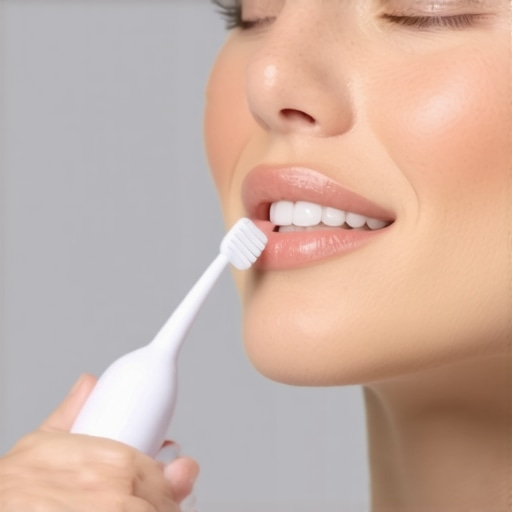
How I Discovered the Power of Personal Dental Habits
One of the most eye-opening lessons I learned about teeth cleaning and cosmetic dentistry is that consistent, mindful care beats quick fixes. Regularly adjusting my routine, like incorporating gentle water flossing and avoiding harsh brushing, created lasting improvements in my oral health. Small daily actions outperform sporadic professional visits when it comes to long-term results.
My Breakthrough with Material Choices and Dentists
I realized that not all dental materials are created equal, and choosing the right restorations can prevent lingering metallic tastes and sensitivities. Engaging with a seasoned cosmetic dentist who prioritizes quality and personalized care made a significant difference. It’s a reminder that partnering with an expert who understands nuanced material selection can elevate your smile’s durability and beauty.
Why Attending to Details Saves You From Future Hassles
Overlooking small signs of wear, such as slight looseness in a crown or subtle discoloration, can lead to bigger issues. Staying vigilant with routine check-ups and maintenance tools like electric toothbrushes and water flossers ensures that your cosmetic investments stay pristine. It’s in the details where lasting confidence is built, preventing surprises and costly repairs down the line.
Curated Gems to Elevate Your Dental Routine
My go-to resources include trusted products like the Waterpik Ultra, which makes cleaning around complex restorations effortless. Books such as Cosmetic Dentistry for Discolored Teeth changed my perspective on achieving a luminous smile. Combining these tools and knowledge with professional guidance accelerates your journey toward optimal dental health.
Embrace Your Power to Smile Confidently
Remember, mastering your dental health is an ongoing adventure, not just a one-time effort. Taking proactive steps today, from selecting quality materials to maintaining disciplined habits, paves the way for a future filled with radiant confidence. Your smile is more than aesthetics—it’s a reflection of your self-care and resilience.
What small change can you implement today to enhance your dental routine? Share your thoughts below and inspire others on their journey toward healthier, happier smiles.