
It happened again yesterday. I was finishing up my intense gym session when I felt that peculiar, throbbing ache shooting through my gums. At first, I brushed it off — maybe I bit down too hard during my last set, or perhaps I was just imagining things. But as the hours passed, the discomfort persisted, making me wonder: what on earth is going on? That moment of realization struck me hard — why does my gums throb after a workout, and is it something I should be worried about?
Unraveling the Mystery of Post-Workout Gum Throbbing
In my journey to understand this weird sensation, I discovered that many fitness enthusiasts experience similar issues. It’s a surprisingly common problem that often gets overlooked. The connection between exercise and oral health is more intricate than most realize, involving factors like dehydration, increased blood flow, and even mouth breathing during workouts. Recognizing this, I promised myself I’d find practical solutions to ease this discomfort and prevent it from ruining my workouts. If you’ve ever faced this nagging gum throbbing after physical activity, you’re not alone — and there are ways to address it effectively.
Are You Skeptical About the Link Between Exercise and Gum Pain?
Honestly, I was at first. I thought, “Could my workout really be affecting my gums?” Seems unbelievable, right? Well, I made the mistake early on of ignoring the signs and not paying attention to my hydration or oral hygiene routines. That was a rookie error I learned from quickly. According to dental experts, dehydration reduces saliva production, leading to dry mouth which can cause gum sensitivity and discomfort. Plus, vigorous activity can increase blood flow to the head and neck, making gums feel more tender or throbbing. If you want to dive deeper into innovative cosmetic solutions and learn about trendy procedures that can enhance your smile, check out this guide on [cosmetic dentistry trends that transform smiles today](https://smilezdentist.com/cosmetic-dentistry-trends-that-transform-smiles-today).
This revelation about the role of hydration and exercise was eye-opening for me. But understanding the cause is just the first step. Next, I needed practical steps to prevent this from happening and to soothe my gums when the throbbing struck. Stay tuned — I’ll share real tips that have worked for me and can help you maintain healthy, pain-free gums, no matter how intense your workouts get.
Master Your Oral Hygiene Routine
Brush with Precision and Timing
An effective brushing technique is vital. I remember rushing through my brush, missing the gum line, which led to irritation. Instead, I adopted the Bass method—holding my toothbrush at a 45-degree angle to gently sweep away plaque—much like sweeping debris from a corner. Do this twice daily, making sure to reach right where your gums meet your teeth. Use a soft-bristled toothbrush to avoid aggravating sensitive gums, especially if you’re prone to throbbing after workouts.
Floss Correctly and Consistently
Flossing isn’t just for cleaning between teeth; it stimulates gums and removes unseen debris. I used to skip it, but after watching a quick tutorial where I mimicked the gentle zigzag motion, I saw improvements. Slide the floss carefully between teeth, curving it into a C-shape around each tooth, and give a gentle vertical movement—like peeling a sticker without tearing. Regular flossing prevents build-up that can cause sore, tender gums post-exercise.
Post-Workout Hydration and Mouth Care
Drink Water Strategically
Dehydration intensifies dry mouth, leading to gum sensitivity. I started drinking a glass of water immediately after lifting weights, akin to watering a plant to settle the roots. Sipping water slowly helps maintain saliva production—your mouth’s natural lubricant—which flushes out bacteria and reduces dryness-induced pain. Keep a water bottle handy during workouts, and don’t wait until you’re thirsty; hydration is your armor.
Use Gentle Rinses and Mouthwash
After hydration, I rinse with a pH-balanced mouthwash, similar to how a delicate cleanser works without stripping natural oils. Avoid alcohol-based rinses that can dry out your gums further. Look for ones with soothing ingredients like aloe vera or chamomile. Rinsing not only cleanses but also reduces inflammation, combatting gum throbbing caused by increased blood flow from exercise.
Incorporate Regular Dental Checks
Schedule Professional Cleanings
I now visit my dentist every six months, like clockwork—think of it as servicing your car to ensure smooth rides. During visits, I get professional cleanings that remove stubborn tartar hiding under gums, which could exacerbate post-exercise soreness. Dentists can also catch early signs of gum disease, some of which mimic or worsen with physical activity.
Ask About Cosmetic and Preventive Procedures
If gum sensitivity persists, I discuss options like sealing or laser treatments. These procedures can strengthen gum tissue, much like reinforcing a fence to withstand storms. For those interested in enhancing their smile alongside health, exploring cosmetic dentistry innovations can offer both function and aesthetics benefits.
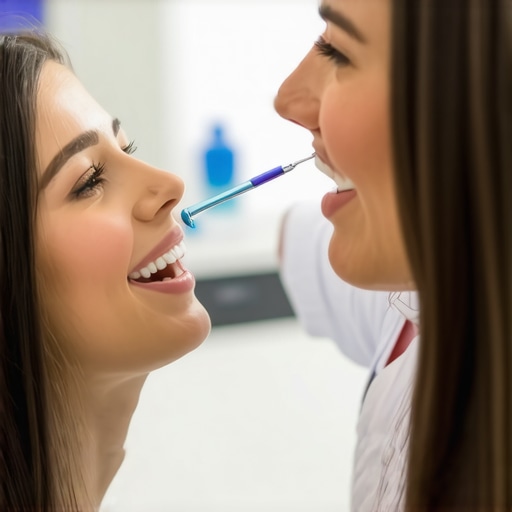 Many people believe that regular teeth cleaning is just about removing surface stains or plaque, but in reality, there’s a lot more beneath the surface that many overlook. For example, the misconception that all dental cleanings are the same can lead to choosing ineffective treatments, especially if you have sensitive teeth. Modern innovations have introduced techniques like ultrasonic scaling and air abrasion, which are gentler and more effective—learn more about teeth cleaning for sensitive teeth in 2025. Moreover, a common myth is that cosmetic dentistry is purely aesthetic. In truth, procedures like veneers and Invisalign can also improve functional aspects like bite alignment and gum health, as explained in latest trends in cosmetic dentistry. Interestingly, many believe Invisalign is just a cosmetic fix, but it also offers sophisticated benefits like custom treatment plans that are tailored to your unique dental anatomy, which you can explore in real Invisalign success stories. A critical nuance often missed is the importance of maintenance. Even the best Invisalign aligners require proper cleaning to prevent bacteria buildup, as detailed in Invisalign maintenance tips. Additionally, many patients overlook the significance of choosing the right dentist—one with specialization in cosmetic procedures ensures results that last longer and look more natural. Poor selection can lead to issues like uneven gum lines or even damage, which could be avoided with the tips in how to select the right Invisalign dentist.
Did you know that frequent, unprofessional teeth whitening can actually cause permanent damage to enamel and increase sensitivity? This is a hidden trap many fall into, believing that whitening is always safe, but as explained in cosmetic dentistry insights, proper supervision and treatment planning are essential. Finally, the allure of quick fixes can be tempting, but true dental health requires thoughtful, consistent care, not shortcuts. Making the effort to understand these nuanced aspects can significantly enhance your oral health and cosmetic results. Remember, not all treatments are suitable for everyone, and personalized advice from a trusted professional is invaluable. If you want to see the real impact of tailored treatments, check out myths about teeth cleaning debunked. Have you ever fallen into this trap? Let me know in the comments.
Maintaining a radiant smile and healthy teeth over the years demands more than just routine brushing and flossing. It involves leveraging the right tools and adopting strategic methods that align with your unique dental needs. In this segment, I’ll share the specific equipment and practices I rely on for sustained oral health, especially after undergoing cosmetic procedures like Invisalign or professional cleanings. Embracing these tools ensures your investments in cosmetic dentistry continue to pay off long-term.
Why I Trust Sonic Toothbrushes for Daily Maintenance
When it comes to gentle yet effective plaque removal, I prefer high-frequency sonic toothbrushes like the Philips Sonicare series. Unlike manual brushes, their vibration technology reaches areas I might miss, especially around orthodontic aligners or veneers. I set mine on the ‘gum health’ mode, which balances cleaning power with gum sensitivity, crucial after procedures where gums might be more vulnerable. Using a sonic brush regularly not only keeps stains at bay but also stimulates gum tissue, enhancing circulation and reducing sensitivity over time.
Investing in Ultrasonic Scaling Devices for At-Home Care
While professional cleanings are irreplaceable, I utilize ultrasonic plaque removers designed for home use. These devices emit ultrasonic waves that dislodge tartar and plaque without damaging enamel—akin to what dental hygienists use during visits. I recommend this only if your dentist approves, especially for patients with sensitive gums or those prone to tartar buildup. Regular at-home ultrasound treatments can significantly extend the interval between professional cleanings and help maintain the results achieved with cosmetic treatments.
Smart Whitening Kits for Touch-Up Nears
Over time, diet and lifestyle can dull even the brightest smiles. I use custom-fitted whitening trays with carbamide peroxide gels for maintenance whitening. These kits are far superior to over-the-counter strips, allowing me to target specific areas and avoid uneven results—a common complaint. Applying whitening products occasionally ensures my teeth stay as close to their post-treatment brilliance as possible, preventing the need for more invasive procedures later.
Digital Management of Oral Hygiene and App Support
To stay consistent, I rely on smartphone apps linked to my dental care devices. From reminders for replacing toothbrush heads to tracking whitening routines, apps like Philips Sonicare’s own help me stay committed. Staying digitally connected to your routine enhances accountability and provides data-driven insights into your progress. Looking ahead, I predict that smart dental care devices integrated with AI will become more sophisticated, customizing treatments based on individual oral health trends—making maintenance even more personalized and effective.
How do I maintain my dental tools for maximum effectiveness?
Proper cleaning and storage of your dental tools are vital. I rinse my sonic toothbrush heads thoroughly after each use and store them upright in a dry, ventilated holder to prevent bacterial growth. For electronic devices, I follow the manufacturer’s cleaning instructions meticulously—usually mild soap and water or specialized cleaning wipes. Regular maintenance prevents device buildup that can compromise hygiene and device longevity. An interesting insight from teeth cleaning secrets emphasizes that neglecting maintenance can undo years of careful care. I urge you to adopt a regular cleaning schedule for your tools—set a monthly reminder to perform deep cleaning and replace consumables like brush heads as recommended. This proactive approach guarantees your tools remain sources of effective care, not bacteria reservoirs. Don’t forget, consistent use paired with proper maintenance enhances long-term results, making your investment in cosmetic dentistry truly worthwhile. Try incorporating a sonic toothbrush into your daily routine today and see the difference—even if you’re just doing it for ordinary maintenance, it will boost your oral health significantly.
Having navigated the world of cosmetic dentistry and Invisalign myself, I can honestly say that the journey reveals unexpected truths—lessons that often escape conventional wisdom. These insights have transformed not just my smile but my entire approach to oral health, making me appreciate the nuanced layers that stand behind a radiant, healthy smile.
The Hidden Lessons That Changed My Dental Game
- Patience is Golden: Rushing to see instant results with whitening or veneers can backfire. True beauty arises from consistent care and understanding that dental transformations take time. I learned to trust the process, which made my final results more natural and enduring.
- Not all Tools Are Equal: Investing in high-quality devices like ultrasonic plaque removers and sonic toothbrushes made a profound difference. These aren’t just luxuries—they’re essential allies in maintaining long-term health, especially after cosmetic procedures, as discussed in teeth cleaning secrets.
- Interdisciplinary Approach Matters: Combining cosmetic treatments with preventive care, like regular check-ups and tailored cleaning routines, ensures longevity. The synergy between aesthetic enhancements and health strategies prevents costly setbacks down the line.
- Personalized Care Is Non-Negotiable: Every smile is unique, and cookie-cutter solutions fall short. Working closely with a knowledgeable dentist—perhaps one exploring the latest cosmetic dentistry trends—enabled me to craft a plan that fit my lifestyle and expectations precisely.
- Mindset Shapes Results: Believing that dental health is a form of self-investment rather than just necessity made me more diligent. The consistent effort, from meticulous brushing to adhering to my Invisalign maintenance routine, reinforced my commitment to a better smile.
Tools and Resources That Elevated My Smile Journey
- Sonicare DiamondClean: Its gentle yet powerful cleaning keeps my veneers pristine—trust me, quality equipment pays dividends.
- Ultrasonic Plaque Removers: A game-changer I personally recommend (after professional approval). They keep tartar at bay between appointments.
- Customized Whitening Kits: Achieve touch-ups safely—over-the-counter options pale in comparison to professional-grade trays.
- Expert Blogs and Trusted Dentist Links: Staying informed through reputable sources like Invisalign success stories and cutting-edge cosmetic trends helped me make educated choices.
Seize Your Smile Potential Today
Remember, your smile isn’t just about aesthetics—it’s a reflection of your confidence and well-being. By embracing expert insights, investing in quality tools, and cultivating a patient mindset, you set the stage for lifelong oral health and radiant confidence. Your journey to a perfect smile begins now—why wait for tomorrow what you can start today? What’s your next step toward achieving the smile you’ve always dreamed of? Share your thoughts below and let’s navigate this transformative journey together.
,