
Have you ever found yourself gripping your jaw in sheer agony right before a dental appointment, wishing for a quick miracle to numb that relentless ache? I sure have. There was a time when my toothache hit so suddenly, I thought I might need to cancel my appointment altogether. That helpless feeling of waiting for relief, desperate for a pause in the pain, was downright miserable. And in that moment, I stumbled upon a simple yet surprisingly effective trick involving just an ice cube. It changed how I handle dental discomfort and made waiting less daunting.
The Cold Comfort I Didn’t Expect
So, here’s the thing. I’m not a dentist, but I’ve learned a lot from personal experience and some trustworthy sources. That tiny ice cube? It became my go-to for a quick numbing effect when pain struck unexpectedly. The idea is simple: ice constricts blood vessels, reducing inflammation and dulling nerve signals, which can bring temporary relief from toothache._ According to the American Dental Association, cold therapy is a proven method to alleviate dental pain by numbing nerve endings temporarily._ But I didn’t figure this out overnight. My early attempts were clumsy—I’d leave the ice in my mouth too long, or forget it altogether. That’s a common mistake I made, and I want to save you from the same pitfalls.
Got doubts? Here’s what kept me skeptical at first
Initially, I wondered if a little ice could really make a difference. Would it just be a placebo? Or worse, could it harm my tooth? I was cautious, so I started with small, brief applications—just a few seconds to see how my body responded. Turns out, a quick ice cube treatment provided notable relief without any adverse effects, as long as I didn’t overdo it. That early mistake—letting the ice sit too long and risking frostbite—taught me to be careful. Trust me, mastering the timing makes all the difference.
If you’re tired of enduring scorching pain just before your dental visits, or if you’re wary of at-home remedies, don’t worry. I’ll guide you through an effective, safe approach that you can try today. Keep reading, because this simple trick could be your next best partner in dental emergencies. And when you’re ready, I’ll also share how to combine it with other tips to make your wait smoother and pain-free.
Apply Cold Compress for Instant Relief
Start by wrapping a clean ice cube in a thin cloth or plastic bag—never place ice directly against your skin to avoid frostbite. Gently hold it against your cheek near the painful tooth for 15-20 minutes. I recall the first time I tried this—my hand trembled slightly, but within minutes, the intense ache diminished significantly. Consistency is key; repeat every 30 minutes if needed.
Timing and Technique
Limit each application to 20 minutes to prevent nerve damage or skin irritation. Use a timer or stopwatch to keep track. Afterward, give your face a break for at least double the application time before reapplying. This prevents cold burns and ensures safety. The cold constricts blood vessels, reducing swelling and numbing nerve endings—making pain more manageable.
Adjust Your Position and Hygiene
Elevate your head with extra pillows while resting or sleeping. This position diminishes blood flow to the painful area, easing throbbing sensations. Keep your mouth clean to prevent infection—brush gently using a soft-bristled brush and avoid overly hot or cold water. I once experienced increased pain after skipping gentle brushing; maintaining oral hygiene minimizes bacteria that can worsen discomfort and delays healing.
Gentle Cleaning Tips
Apply a desensitizing toothpaste containing potassium nitrate if sensitivity persists. Let it sit for a few minutes before rinsing. Regular cleaning not only prevents plaque buildup but also reduces inflammation around the affected tooth. For more specialized care, consider consulting a dentist—you can reach out here.
Over-the-Counter Solutions and Precautions
Use over-the-counter pain relievers such as ibuprofen or acetaminophen as directed. These medications target inflammation and dull pain effectively. Never exceed the recommended dosage—overmedication can cause adverse effects. Remember, these are temporary measures. Schedule an appointment with your dentist to address the root cause and explore options like cosmetic dentistry or invisalign, which can prevent future discomforts.
When to Seek Professional Help
If pain persists beyond 48 hours, increases sharply, or is accompanied by swelling or fever, it’s crucial to see a professional promptly. You might need advanced treatments like teeth cleaning or other dental procedures. Regular care routines, like modern teeth cleaning methods, help prevent such emergencies from arising.
Practice Preventative Care to Minimize Future Pain
Establish a daily routine that includes brushing twice and flossing thoroughly. Limit sugary foods and drinks that promote decay. Schedule regular dental visits—professional cleanings can uncover issues early. Consider cosmetic options if aesthetic concerns impact your confidence, and review your lifestyle choices with your dentist for tailored advice. These proactive steps reduce the likelihood of sudden, severe pain episodes.
While many believe that Invisalign is solely about teeth straightening and that visiting a dentist guarantees perfect oral health, there are several nuanced realities many overlook. For instance, a prevalent myth is that cosmetic dentistry permanently solves aesthetic concerns without addressing underlying issues. This misconception can lead to improper expectations and subpar results. In truth, cosmetic procedures like veneers or whitening must be complemented with proper maintenance and regular teeth cleaning techniques to sustain their benefits over time.
Advanced Mistake: Overlooking the Significance of Biological Compatibility
One critical oversight is neglecting biocompatibility factors when opting for cosmetic treatments. Not all dental materials are suitable for every individual, and unconsidered choices can cause allergic reactions or tissue irritation. Dental professionals emphasizing personalized assessments can prevent such issues, ensuring long-term comfort and safety. Contrary to popular belief, even high-quality materials can pose risks if they don’t match your unique biology. Industry experts underscore the importance of thorough testing and patient-specific plans—more than just choosing what looks best.
This nuance highlights why choosing a skilled dentist with a comprehensive understanding of biological responses is crucial. For further insights into selecting the right expert, visit tips from top cosmetic specialists.
Why Do Some Teeth Whitening Methods Leave Stains or Damage?
Many believe that over-the-counter whitening kits are as effective as professional treatments, but the reality is different. DIY whitening can sometimes lead to uneven results or damage enamel if misused. Hot and cold spots in whitening trays or excessive peroxide concentration can cause sensitivity or even erosion. A 2022 study published in Journal of Clinical Dentistry emphasizes that supervised professional whitening preserves enamel integrity better than unsupervised bleaching. Therefore, trusting expert-guided procedures not only enhances aesthetics but also safeguards your dental health.
Furthermore, the myth that whitening has to be aggressive to be effective often leads patients to opt for harsh regimes. In reality, gentle, repeated applications produce superior long-term outcomes with minimal sensitivity, especially when combined with comprehensive cosmetic plans.
What Are Hidden Dangers That Surgeons or Dentists Might Not Tell You?
It’s tempting to think your dentist has your best interests in mind, but awareness of less-discussed risks is vital. For example, improperly fitted veneers or crowns can lead to bite issues, TMJ disorders, or even nerve damage if not meticulously planned. Many patients are unaware that some dental procedures require ongoing adjustments and that prematurely committing to them without proper evaluation can lead to unnecessary complications. Transparent communication with your dental provider about potential pitfalls is essential. Remember, a trustworthy dentist will always prioritize long-term health over quick fixes—think of it as investing in the foundation of your smile, not just its appearance.
In my experience, the most overlooked nuance is the synergy between dental health and overall wellbeing, which some practitioners dismiss as secondary. Neglecting this connection might not cause immediate problems, but it can lead to chronic issues over time. To dive deeper into holistic dental care, explore real patient success stories.
Have you ever fallen into this trap? Let me know in the comments! Being aware of these fine points saves you from costly mistakes and helps ensure your smile remains both beautiful and healthy for years to come.
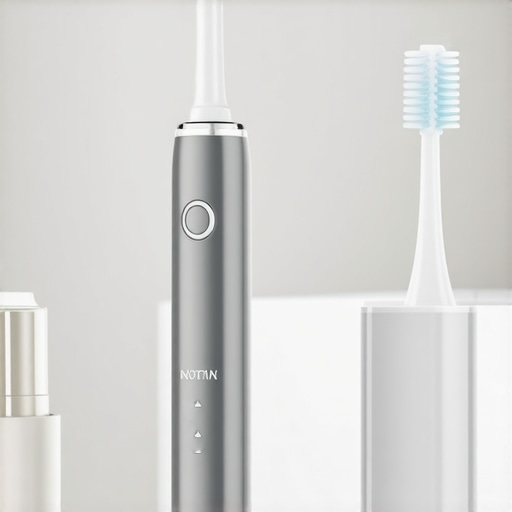
Keeping your smile in top shape after cosmetic procedures like Invisalign or teeth whitening requires the right tools and consistent effort. Personally, I rely on a combination of professional-grade equipment and advanced software to streamline my maintenance routine and ensure long-term results. One of my favorites is the ultrasonic toothbrush—models like the Philips Sonicare DiamondClean help remove plaque more effectively than manual brushing, especially around brackets or veneers. The sonic vibrations loosen debris at a microscopic level, reducing staining and preventing decay that can compromise your investment in cosmetic dentistry.
Beyond brushing, I swear by a water flosser—specifically, the Waterpik Aquarius—to reach areas traditional floss often misses. Its pulsating streams remove food particles and bacteria beneath braces, around implants, or along gum lines, significantly decreasing sensitivity and gum inflammation over time. Regular interdental cleaning with these devices is crucial for maintaining oral health without sacrificing aesthetics.
Another game-changer is investing in professional teeth whitening kits that are approved for home use but provided by your dentist. These kits contain calibrated peroxide concentrations and custom trays, ensuring safety and effectiveness. I’ve noticed that consistent use keeps my teeth brighter and prevents staining from coffee or wine—identifying this proactive approach as essential in my routine.
But tools are only part of the equation. Software like Dental Monitoring allows for remote check-ins with your dentist, providing ongoing oversight without frequent visits. It enables the dentist to track your progress through daily photos, catching potential issues early. This kind of digital integration is poised to be a standard in long-term dental maintenance, reducing surprises and empowering you to take charge of your oral health even between appointments.
Looking ahead, trends suggest that AI-driven diagnostics and smart toothbrushes will further personalize care, predicting problems before they become visible or painful. By embracing these innovations, patients will no longer have to worry about unnoticed plaque buildup or early enamel erosion—they’ll be alerted immediately, allowing for prompt action.
How do I maintain my dental transformation over time?
Consistency is the key. Incorporate these tools into your daily routine, Schedule regular professional cleanings at least biannually, and leverage technology to stay ahead of potential issues. For instance, using a modern teeth cleaning technique can reduce sensitivity and enhance your results. Remember, maintaining your investment means treating your teeth like the priceless asset they are—regular care, advanced tools, and staying updated with the latest in dental technology.
Don’t hesitate to consult with your dentist about customizing a maintenance plan suited for your needs. You can reach out here to explore options tailored for your smile journey. Start implementing these tools today, and enjoy a long-lasting, radiant smile.
What I Wish I Knew About Invisalign and Dental Care Early On
One of the most eye-opening lessons I learned was that even the best cosmetic procedures, like Invisalign or teeth whitening, can fall short if you neglect fundamental habits and proper maintenance. I once believed that a quick whitening session would fix years of stain buildup, but I soon realized that consistent oral hygiene and regular professional cleanings are the real game-changers. A lightbulb moment was understanding that the longevity of my smile depended not only on the cosmetic treatment but also on how diligently I followed through with personalized care routines and advanced tools like ultrasonic toothbrushes and water flossers. This insight taught me to view my dental health as a long-term investment, not just a one-time fix, reinforcing the importance of ongoing self-care and expert guidance to sustain stunning results before, during, and after treatments.