
I’ll never forget the moment I first noticed the whistling. I was mid-sentence, about to greet a friend, when suddenly, an unexpected high-pitched noise escaped my mouth. Talk about embarrassing! It was as if my dentures were trying to communicate in their own secret language. That lightbulb moment made me realize how much this seemingly minor issue can impact your confidence and daily comfort.
Why That Whistling Happens and Why It Matters
If you’re like me, you might have assumed that new dentures would settle in quickly without any fuss. But often, that little whistling sound is a sign that something isn’t quite perfect with the fit. When dentures don’t sit snugly or the seal around the mouth isn’t optimal, it can cause air to escape during speech or eating, resulting in that irritating whistle. Not only is it embarrassing, but it can also interfere with your speech clarity and make you hesitant in social situations.
Skeptical? Here’s What You Might Be Missing
I used to think that once my dentures felt comfortable, the whistling would disappear on its own. Turns out, I made an early mistake of assuming that adjustment periods would resolve everything. It’s a common misconception. Proper fixation and sometimes simple adjustments are necessary to eliminate the noise entirely. Interestingly, the quality of the initial fit plays a huge role, and many people overlook this detail, leading to prolonged frustration. Want to avoid this mistake? You might check out why Invisalign is the future for alternatives that offer a better fit and comfort.
Understanding the root cause of the whistle is key to addressing it effectively. In the next sections, I’ll share proven tips and techniques that helped me silence that pesky noise and regain my confidence. So, if that whistling sound has been driving你crazy, keep reading—you’re not alone, and there’s a solution waiting for you.
Identify the Cause of the Whistling
First, determine if the whistle is due to gaps, uneven trays, or residual adhesive. Recall a time I noticed a slight gap after a week of wearing, which caused a high-pitched sound during speech. I gently examined my trays in front of a mirror, looking for uneven edges or spaces. Recognizing the precise issue helps tailor your next move.
Consult Your Dentist Quickly
Schedule a Fitting Check
Book an appointment with your dentist for a professional assessment. During my visit, the dentist inspected my trays and found a slight misalignment on one side. This step is crucial; do not ignore persistent issues, as they can worsen. For tips on choosing the right professional, see how to choose a dentist.
Adjust or Replace Your Trays
If the dentist confirms fit issues, they may recommend adjustments or a new set. I was surprised to learn that a simple tray re-fitting could resolve the whistle. This process involves minor modifications to tray edges or a new aligner, which can be done quickly in the clinic. Remember, matching the color and fit precisely enhances comfort and reduces noise. For further insights, visit Invisalign vs. braces comparison.
Practice Proper Tray Insertion and Removal
Apply consistent technique: insert trays slowly from front to back, pressing firmly but gently to ensure complete seating. When removing, use both hands to gently peel from the sides. I once hurried and didn’t seat my tray fully, which caused a slight gap and the whistle. Correcting my method improved the fit immediately. Consistency here is key; it prevents creating unnecessary air gaps that cause noise. For more tips, check Invisalign maintenance tips.
Enhance the Seal with Chewies or Similar Accessories
Using chewies—a small silicone tool—helps seat the aligners snugly. I used them after each tray insertion, pressing firmly to eliminate gaps. This micro-action ensures a better fit and reduces chances of whistling during speech. Implementing regular use of such tools can significantly improve your Invisalign experience. To understand more about innovations, see Invisalign innovations 2025.
Maintain Consistent Hygiene and Tray Cleanliness
Dirty or sticky trays can cause fit issues and noise. I learned to clean my trays carefully with a soft toothbrush and gentle soap, avoiding harsh chemicals. Keeping trays clear prevents residue build-up that might interfere with their fit. Regular cleaning not only improves fit but also reduces bacteria that can cause odors or discomfort. For effective cleaning routines, see modern teeth cleaning methods.
Stay Patient and Consistent
Improving fit might take several days of diligent effort. I once found that wearing trays for the recommended hours and practicing proper insertion helped eliminate the whistle faster. Don’t rush adjustments; give your mouth time to adapt, and follow your dentist’s advice closely. Small, consistent actions build toward a confident, silent smile.
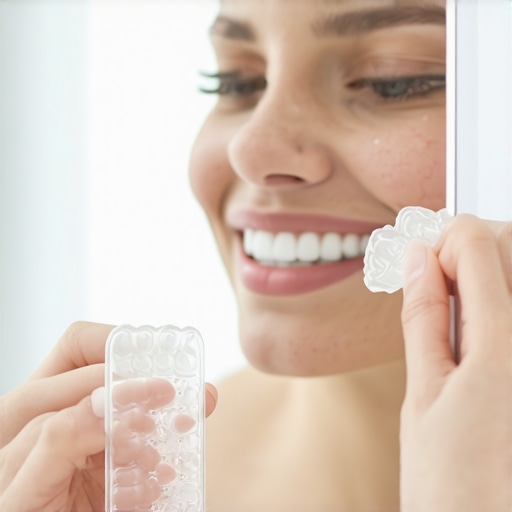
While many believe they understand the basics of Invisalign and dental care, the reality is that some pervasive myths and oversimplifications can lead to costly mistakes. For instance, a common misconception is that Invisalign trays are just about straightening teeth and don’t require ongoing attention—this overlooks the importance of precise adjustments and patient compliance for optimal results. Moreover, many assume that brushing well alone is enough to maintain oral health, neglecting the significance of expert cleanings and understanding the subtle signs of gum disease.
Are You Missing the Deep Details Behind Cosmetic Enhancements?
Often, patients focus solely on the immediate aesthetic results but underestimate how critical proper maintenance and realistic expectations are. For example, whitening procedures can fade faster if post-treatment care isn’t followed meticulously, including avoiding staining foods and maintaining good oral hygiene. Additionally, advanced cosmetic techniques like veneers or bonding require precise application and follow-up care—a nuance many overlook, leading to premature failure or dissatisfaction.
One of the most overlooked aspects is the importance of finding a dentist who truly experts in modern techniques. Not all practitioners are equally versed in the latest innovations, such as the breakthroughs expected in Invisalign 2025 updates or groundbreaking cosmetic options. Choosing a dentist with sophisticated knowledge can make a real difference in your treatment outcome.
Similarly, there’s a trap that many fall into: assuming that routine teeth cleaning is just about fresh breath. In truth, professional cleanings remove tartar and plaque that regular brushing may leave behind, preventing gum disease and even systemic health problems, as highlighted by recent research from the American Dental Association.
What Advanced Warning Signs Do Smiling Experts Watch For?
Skilled dentists can detect subtle indicators of underlying problems during routine exams, such as slight gum recession or discoloration that signals early decay—nuances that casual brushing often misses. Recognizing these signs early can save you from invasive procedures later and ensure your cosmetic investments last longer. For example, if your gums are bleeding slightly during flossing, that’s an early signal of periodontal issues needing prompt attention—something a seasoned dentist will identify before it becomes a major concern.
Many patients are unaware that certain habits—like overusing whitening gels or neglecting flossing—can be counterproductive, leading to enamel erosion or gum sensitivity. Learning to navigate these hidden pitfalls with the help of an expert ensures not only a dazzling smile but also lasting oral health.
Do you feel confident that you’re avoiding these common mistakes? If not, consider consulting with a top-rated cosmetic or general dentist who keeps up with ongoing innovations. Maintaining awareness of these nuanced details can be the difference between a smile that looks good today and one that remains healthy and radiant for years to come. Have you ever fallen into this trap? Let me know in the comments.
To keep your smile radiant and your dental work in top shape, harnessing the right tools is essential. First, invest in a high-quality electric toothbrush like the Oral-B Genius X, which offers real-time tracking through its app to ensure thorough cleaning. This technology not only helps remove plaque effectively but also encourages consistent technique, leading to longer-lasting results from your cosmetic treatments. For those with aligners, using soft, silicone-based chewies can significantly improve tray fit by seating aligners snugly, reducing issues like whistling or discomfort. I personally use the OrthoCare Chewies, as their firmness is just right to apply gentle pressure without damaging the trays. Furthermore, maintaining your Invisalign trays with a specialized cleaning crystal like Invisalign Cleaning Crystal ensures they remain clear and free from bacterial buildup—this prolongs their transparency and hygiene. Beyond physical tools, digital resources like the ADA-approved Invisalign 2025 updates provide insight into upcoming innovations that can optimize your long-term results. In the future, expect smart, connected devices to become standard, offering even more personalized care and reminders to keep your dental health on track.
How do I maintain long-term results and scaling my smile?
Regular professional cleanings combined with home-care routines using these advanced tools can preserve your investment. Scheduling biannual visits ensures subtle issues are addressed early, preventing costly repairs or adjustments later. If you’re serious about making your cosmetic enhancements last, try integrating daily use of a sonic toothbrush and a dedicated tray cleaner—these small but effective steps can drastically enhance your ongoing dental success. Remember, the key is consistency, supported by the right technology and expert guidance, as outlined in the teeth cleaning secrets guide. Equip yourself with these tools today and watch your smile thrive over time.
Lessons Only the Lightbulb Moments Can Teach
- My biggest realization was that a perfect Invisalign fit isn’t about the number of visits but about paying attention to the details—like tray insertion angles and using chewies correctly. Small adjustments made all the difference in silencing the whistle.
- Ignoring early signs of a poorly fitting tray cost me time and confidence. Recognizing gaps or uneven edges immediately can save you from extended discomfort and embarrassment.
- Understanding that not all dentists are equally equipped with the latest techniques pushed me to seek specialists who stay ahead with innovations, including the upcoming Invisalign improvements in 2025. It made a huge difference.
Tools and Resources That Transformed My Journey
- Oral-B Genius X Electric Toothbrush: Its smart technology ensures thorough cleaning, which is essential for maintaining tray fit and overall oral health. I trust it because it guides me to improve my technique every day.
- Invisalign Cleaning Crystals: These kept my trays clear and bacteria-free, prolonging their effectiveness. I found that consistent cleaning with specialized products genuinely extended the lifespan of my aligners.
- Educational Websites and Expert Blogs: Resources like Smilez Dental’s Invisalign innovations page offer insights into future updates, allowing me to stay informed and proactively manage my treatment. Staying educated empowers better choices.
- Professional Consultations: Regular check-ins with a skilled dentist who’s up-to-date on cosmetic dentistry trends, including the 2025 Invisalign advancements, helped me make timely adjustments and avoid common pitfalls.
Your Future Smiles Are Worth It—Act Now
Taking charge of your Invisalign experience with the right knowledge, tools, and professional support can turn a frustrating whistling into a confident, radiant smile. Remember, the key lies in attention to detail and ongoing care. Your best smile is just a few strategic steps away—don’t wait to make it happen.
What small adjustment has made the biggest difference in your Invisalign journey? Share your experience below and let’s help others smile with confidence!
,