
I remember the exact moment I realized my gums were bleeding every time I flossed. It was after a routine cleaning, and I confidently started my new flossing habit, optimistic about healthier gums. But much to my dismay, the bleeding persisted—my reflection in the mirror looked the same, yet my gums seemed more irritated. That lightbulb moment hit me hard: sometimes, good intentions can backfire if we’re not doing things quite right.
Understanding Why Your Gums Are Bleeding Despite Flossing
If you’ve recently ramped up your flossing and noticed more bleeding, you’re not alone. Many folks think that bleeding gums automatically mean something’s terribly wrong, but often, it’s a sign that your gums are adjusting or that there’s an underlying issue needing attention. The key is to understand what’s really happening in your mouth and how to support it properly.
Initially, I made the mistake of thinking that flossing more meant I was doing the right thing, but I overlooked a crucial detail: improper technique or overzealous flossing can cause tiny cuts and inflammation, leading to bleeding. Think of your gums like delicate garden plants—they’re resilient but need gentle care. When inflamed or irritated, they bleed more easily. This is actually quite common, especially when you suddenly increase your flossing frequency, or if your gums are already sensitive due to plaque buildup or early signs of gum disease.
Research shows that bleeding gums are often linked to periodontal inflammation, which, if left unchecked, can escalate into more serious issues. So, while it might seem frustrating, bleeding isn’t necessarily a sign of failure—it’s a signal that your gums may be in distress and need some extra love and proper care.
Have You Faced This Problem?
If you’ve started flossing diligently and noticed bleeding, you’re probably wondering whether you’re doing more harm than good. Don’t worry—there are simple steps to get your gums back to health, and I’ll cover them soon. But first, let’s address the biggest concerns people have about bleeding gums, so you can stop worrying and start fixing the problem instead.
Is Flossing Actually Worth the Hype?
Many skeptics question whether flossing truly makes a difference, especially if it causes bleeding at first. In my early days, I wondered if I should just give up. It’s important to realize that proper flossing technique matters greatly, and it might take some time for your gums to adapt. It’s like working out—the first few sessions might leave you sore or sore spots, but that’s part of the process.
One common mistake I made early on was flossing too aggressively, which only worsened the bleeding. The right approach is gentle, enough to clean but not to traumatize your gums. If you want to improve your technique, I recommend reviewing [how to floss correctly](https://smilezdentist.com/teeth-cleaning-secrets-how-regular-care-boosts-oral-health-at-any-age). That way, you can turn the process into a friend, not an enemy.
Remember, consistent and gentle flossing can significantly lower your risk of gum disease and tooth loss down the line. So, yes, flossing is worth the hype—if done correctly. Now, let’s explore how you can make sure your dental routine supports your oral health rather than sabotages it.
Be Gentle and Correct Your Flossing Technique
Start by flossing with care—think of your gums like delicate petals; they need a gentle touch. I once hurried through flossing, tugging aggressively, which worsened my bleeding. Instead, slide the floss gently along the gum line in a C-shape, cleaning just below the surface without forcing it. This method prevents tiny tears that cause bleeding and promotes healthier gums over time. Consistency and patience are key; I found that sticking to a gentle routine reduced bleeding noticeably within a week.
Use Antibacterial Rinses to Reduce Inflammation
Incorporate an antibacterial mouthwash into your daily routine. These rinses help reduce bacterial buildup that inflames gums, accelerating healing. I added a gentle rinse after brushing, which I learned from modern cleaning techniques. The result was a calmer, less inflamed gum tissue, and the bleeding became less frequent. Be sure to choose a rinse that targets bacteria without harsh chemicals that can irritate sensitive gums.
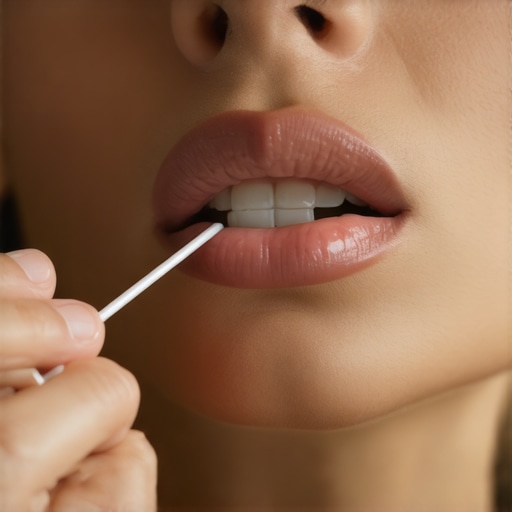
Maintain Consistent Oral Hygiene Practices
Consistent brushing and flossing reinforce gum health. I set a reminder to brush twice daily with a soft-bristled toothbrush, and replaced my old brush every three months to keep it effective. I also avoided over-brushing, which can wear down enamel and exacerbate sensitivity—similar to how over-watering plants can drown them. Regular cleaning removes plaque and bacteria that cause irritation, essential for healing and preventing future bleeding episodes.
Address Underlying Issues with Professional Care
If bleeding persists beyond a week despite good habits, visit a dentist. They can assess for gum disease or other underlying conditions that simple routines can’t resolve. I scheduled a checkup with my dentist, who advised a professional cleaning to remove stubborn tartar that was inflaming my gums. This step is crucial because neglecting persistent bleeding can lead to more serious problems like periodontitis. Once treated professionally, my gums responded well to improved home care.
Seek Guidance for Effective Flossing and Cleaning
Learn proper flossing and brushing techniques, possibly with the help of your dentist or dental hygienist. Watching tutorials or reading guides, like spring cleaning tips, can ensure you’re doing it right. I personally watched a demonstration from my hygienist, which corrected my flawed method and reduced bleeding significantly. Remember, proper technique maximizes benefits while minimizing damage.
Invest in Advanced Dental Products
Consider using a powered toothbrush or dental aids like interdental brushes, which can be gentler yet more effective. During my trial with an electric toothbrush, I noticed improved plaque removal without added gum irritation. These tools mimic professional cleaning motions, making routine care more efficient and less traumatic. Additionally, specialized floss or water flossers can help clean hard-to-reach areas with less risk of injury.
Focus on Overall Lifestyle Adjustments
Limit sugary and acidic foods that can aggravate gum inflammation. Drinking plenty of water and maintaining a balanced diet rich in vitamin C supports tissue repair. I started including more leafy greens and citrus, which sped up healing and strengthened my immune response against oral infections. Avoid smoking, as it impairs healing and worsens periodontal issues, directly impacting gum health and bleeding risk.
By applying these clear, actionable steps, you create a nurturing environment for your gums to heal and regain strength. Consistent, gentle care combined with professional guidance ensures long-term oral health improvements, making bleeding gums a thing of the past.
While Invisalign has revolutionized orthodontic treatment, many still harbor misconceptions about its effectiveness and limitations. Contrary to common belief, Invisalign isn’t just a cosmetic fix for mild cases; advancements up to 2025 have expanded its capabilities, making it suitable for complex alignments. However, many patients underestimate the importance of choosing a skilled provider—failing to do so can lead to subpar results or prolonged treatment times. A key nuance often overlooked is the necessity of diligent wear and proper maintenance; even the best aligners can’t work if not used as directed. Additionally, some assume that cosmetic dentistry offers instant results—yet procedures like veneers or whitening demand careful planning and realistic expectations, especially regarding longevity and natural appearance. Interestingly, myths persist that all professional teeth cleaning methods are the same, but recent innovations target sensitivity reduction and long-term health, as detailed in modern cleaning techniques. An advanced concern for modern patients is understanding that cosmetic enhancements should complement oral health; aesthetic improvements without addressing underlying issues risk future complications. Protect yourself by not just rushing into treatments but researching and consulting experienced professionals. Have you ever fallen into this trap? Let me know in the comments.
How do I keep my dental routine working effectively over time
Maintaining a healthy smile requires more than just daily brushing and flossing; it involves deploying the right tools and embracing evolving methods to ensure longevity. As someone who has navigated various dental innovations, I can confidently recommend specific equipment that has proved indispensable in my journey towards long-term oral health.
First, I swear by the Philips Sonicare DiamondClean Smart electric toothbrush. Its adaptive cleaning modes and real-time feedback help me maintain proper technique—something crucial when trying to prevent issues like gum bleeding or enamel wear. Unlike manual brushes, which can vary in effectiveness, this device ensures consistency, especially when paired with their smartphone app for personalized coaching. Using an electric toothbrush like this is predicted to become standard as dental technology advances toward smarter, AI-driven cleaning solutions by 2025.
Next, for interdental cleaning, I highly recommend Waterpik’s Whitening Water Flosser. It’s gentle on gums but powerful enough to remove plaque from hard-to-reach spaces. I’ve noticed a significant reduction in bleeding episodes since incorporating this device into my routine, aligning with modern cleaning innovations that reduce sensitivity and boost results. Plus, its reservoir alerts me when it’s time for a refill, ensuring I don’t skip this vital step.
When it comes to ensuring my aligners stay in top condition, I rely on the Invisalign Cleaning System. It’s specifically designed to disinfect and remove stains from aligners without damaging the material. Proper cleaning not only keeps transparency but also prevents bacterial buildup that can irritate gums or cause bleeding. Regular maintenance with specialized solutions like this is essential, especially as Invisalign’s capabilities expand and become more sophisticated to support complex cases.
My routine wouldn’t be complete without a good-quality magnifying mirror with adjustable lighting—like the IlluMask LED Magnification Mirror. This allows me to inspect hard-to-see areas, ensuring I catch any potential problems early. As the trend leans toward more personalized and tech-enabled dental care, tools like this will become even more prevalent for at-home maintenance.
Looking ahead, I predict that AI-powered dental devices will revolutionize home care. Imagine toothbrushes that analyze your plaque levels or detect early signs of issues, prompting timely consultation. Digital records and apps will further customize routines, making maintenance more efficient than ever.
What about maintaining these tools over time?
It’s vital to keep devices like electric toothbrushes and water flossers clean and replace parts as recommended—brush heads every three months, for example. Proper storage and regular disinfecting prevent bacterial buildup, ensuring your tools continue to serve you well. Staying updated on new innovations through reputable sources like modern techniques can also keep your routine both effective and inspiring.
Try integrating a high-quality water flosser today; it’s a game-changer for comprehensive, gentle cleaning—especially if you have sensitive gums. Investing in the right tools now sets your foundation for a radiant, healthy smile for years to come.
What I Wish I Knew When Starting My Invisalign Journey
One of the biggest lessons I learned was that patience and proper technique are everything. Skipping professional guidance or rushing through routine care can compromise results—that’s something I underestimated for too long. Embracing the latest Invisalign innovations and staying consistent made all the difference in my cosmetic transformation. Remember, real progress happens when you combine proven tools with a dedicated mindset.
Tools That Revolutionized My Dental Routine
From my experience, investing in an advanced Invisalign cleaning system to ensure clarity, to a trusted dentist who understands these innovations, I discovered that the right resources make all the difference. Moreover, incorporating tools like a high-quality electric toothbrush and gentle water flossers helped maintain long-term results—saving me from the pitfalls of neglect and poor technique.
Keep Moving Toward Your Best Smile
The journey to a radiant smile is ongoing, and it’s about more than just appearances—it’s an investment in self-esteem and health. Whether you’re considering cosmetic options, like teeth whitening, or embracing advanced aligner technology, ensure your approach is informed and proactive. Remember, consistent home care combined with professional guidance, grounded in latest innovations, creates the foundation for lasting confidence. So, take that first step today, and don’t shy away from seeking expert advice—the smile of your dreams might be closer than you think.
Insider Wisdom: Lessons I Learned in My Confidence-Boosting Dental Transformation
- Overzealous flossing can do more harm than good—gentle technique rules. I once caused minor bleeding by trying to rush through my routine, but learning the correct C-shape method, as shown in professional cleaning tips, turned things around.
- Investing in aesthetic yet functional tools resulted in better outcomes. My electric toothbrush, coupled with a sleek magnifying mirror, allowed me to spot and address issues early, aligning with trends predicted to develop by 2025.
- It’s not just about whitening or straightening—address underlying issues like gum health with professional care. Regular checkups prevented minor irritations from becoming serious concerns.
Curated Recommendations for Lasting Results
- Philips Sonicare DiamondClean Smart: This smart toothbrush’s adaptive modes and feedback made a noticeable difference in my routine, ensuring I didn’t miss spots. It’s a game-changer in maintaining results achieved through Invisalign.
- Waterpik Whitening Water Flosser: Gentle yet effective at cleaning interdental spaces, it prevented gum bleeding and kept my smile bright. Plus, it fits seamlessly into my daily routine, making oral care effortless.
- Invisalign Cleaning System: Proper aligner maintenance is crucial. As Invisalign’s capabilities expand, using dedicated cleaning solutions preserves transparency and hygiene, prolonging treatment benefits.
- IlluMask LED Magnification Mirror: Visual clarity lets me monitor my progress and catch issues early, ensuring my routine stays on track.
Empower Your Smile Transformation Today
The road to a healthy, bright smile is a personal journey, and every step is worth it. With the right tools, knowledge, and professional support, you can confidently embrace the innovations in dental care and cosmetic dentistry. Remember, your best smile starts with a decision to prioritize your health and happiness. Don’t wait—take that first step now toward the confident, radiant smile you deserve.
Have you faced challenges with maintaining your Invisalign or teeth cleaning routine? Share your experiences below and let’s support each other in achieving our brightest smiles.