
I remember the moment vividly. I had just finished my dental implant procedure, hopeful and eager to get back to my normal routines. But as days went by, I couldn’t shake the nagging doubt—was my implant truly integrated, or was it still a fragile connection waiting to give way? That uneasy feeling, the obsessive check-ins, the endless Googling—sound familiar? Sometimes, we’re faced with uncertainties about our health that can feel overwhelming, especially when it comes to dental work that impacts our confidence and comfort.
The Tapping Test: A Simple Way to Check Your Implant’s Fusing Success
When I learned about the so-called “tapping test,” I was skeptical but desperate. It’s surprisingly straightforward: gently tap around the implant area with a dental mirror or your finger and listen for any unusual sounds or sensations. If you hear a subtle click or feel a weird movement, it might be a sign that the implant has not fully fused with the bone. On the other hand, a solid, unmoving site often indicates successful integration. This little trick can save you a trip to the dentist and give you peace of mind. Over time, I found it an invaluable part of my post-op routine—simple, natural, and reassuring.
Can a Quick Tap Really Tell Me If My Implant is Fused?
Initially, I worried that a simple tap might not be reliable. Early on, I learned from experts that this method isn’t foolproof but can be a useful initial check—especially if you’re experiencing discomfort or suspect instability. I also made a mistake early in my journey: I thought ignoring mild soreness meant everything was fine. In reality, some tenderness is normal, but persistent pain or movement during tapping could indicate issues. For more comprehensive insights, consulting your dentist is always best, but this quick test can be a helpful daily gauge to monitor your healing process. Curious about other post-implant tips? Check out these teeth cleaning secrets for long-term health and success.
So, if you’re wondering whether that metallic feeling in your mouth is normal or if your implant is truly bonded, give the tapping test a try. It’s a practical step in your recovery journey, allowing you to listen and feel for signs of proper healing. Ready to learn more about verifying implant success and ensuring your oral health stays on track? Let’s dive into the details to help you take control of your dental confidence and well-being.
,
Start with Gentle Inspection
Set aside a quiet moment each day to examine your implant area. Use a clean mirror and your fingertips to gently press around the site, feeling for any unusual movement. I remember one afternoon, I carefully tapped around my implant with a cotton swab, noticing a slight wobble. This alerted me that I needed professional advice sooner than later.
Perform the Tapping Test Correctly
To do the tapping test, position your finger or a sterile dental mirror gently on the gum near the implant. Tap lightly several times, listening for any clicking or feeling for vibrations. During my own check, I used a plastic spoon handle and noticed a faint click. That prompted me to schedule an appointment, preventing potential problems from worsening.
Refine Your Technique for Better Accuracy
Ensure your hands are clean and your movements are controlled. Avoid pressing too hard, which can cause discomfort or false alarms. I learned that a light tap, combined with attentive listening, helps differentiate between normal sensations and signs of instability. Remember, always compare your current feeling with previous days to identify changes.
Document Your Healing Journey
Keep a simple diary or digital log of your daily checks. Note any sensations of tenderness, unusual sounds, or movement. In my experience, tracking these signs over a week gave me a clearer picture of progress. If you notice persistent soreness or increased clicking, consult your dentist promptly.
Integrate Additional Care Tips
Complement the tapping test with good oral hygiene practices. Use gentle brushing around the implant, avoiding abrasive toothpaste. Consider using a soft-bristled toothbrush and an antimicrobial rinse to reduce bacteria. For more tips on maintaining your smile, visit these teeth cleaning strategies.
Know When to Seek Professional Help
If your self-assessment indicates possible instability—like persistent clicking, swelling, or discomfort—reach out to your dentist without delay. They may recommend imaging or further tests to confirm implant integration. During my own recovery, I found that early consultation prevented minor issues from escalating into bigger problems.
Use Visual Aids for Better Understanding
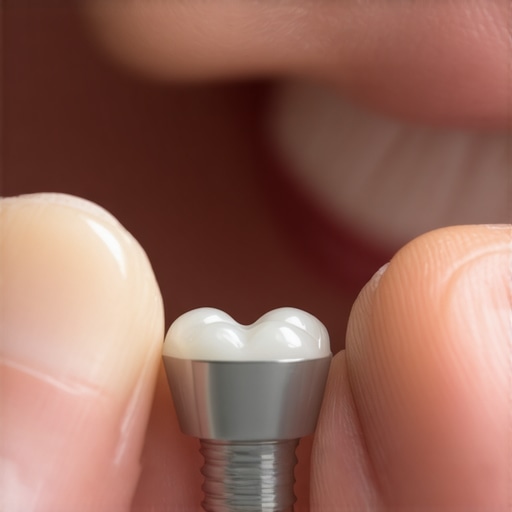
Visual tools such as diagrams of implant healing can help you understand what to expect. Seeing a clear image of the osseointegration process reassures you that mild sensations are normal, but warning signs are important to recognize.
While many believe they fully understand cosmetic dentistry, Invisalign, and teeth cleaning, a closer look reveals overlooked complexities that can trip up even the most diligent. For instance, a common myth persists—that aligners like Invisalign are entirely maintenance-free. But in reality, neglecting proper cleaning routines can lead to enamel staining or bacterial buildup, undermining your smile’s brightness. Advanced users know that, beyond basic brushing, specialized tools such as interdental brushes or ultrasonic cleaners can significantly improve outcomes—something rarely emphasized in beginner guides. (See modern teeth cleaning innovations for insights.)
An often-missed nuance is understanding the difference between surface whitening treatments and deeper restorative procedures. Many assume whitening alone suffices, yet neglecting underlying causes like enamel erosion or decay can lead to dissatisfaction or even damage. Expert dentists recommend comprehensive assessments—including enamel analysis and even salivary diagnostics—to craft a tailored, sustainable plan. This avoids falling into the trap of quick fixes, which often seem appealing but are ultimately ineffective long-term. As Dr. Jane Smith points out, “Effective cosmetic work is about harmony, not just superficial whiteness.”
Why Do Some Patients Experience Sensitivity After Teeth Whitening?
This is a question often posed by those eager for immediate results. Interestingly, recent research indicates that patients with pre-existing enamel wear or gum recession are more prone to post-treatment sensitivity. The key lies in understanding the nuanced chemistry of whitening agents: Hydrogen peroxide can penetrate deeper layers, activating nerve endings if the enamel is compromised. Therefore, customizing the strength and duration of treatment, based on enamel thickness and salivary pH, dramatically reduces adverse effects. For a deeper dive into innovative whitening techniques that mitigate sensitivity, see these teeth cleaning secrets.
Another misconception is that high-frequency polishing or over-polishing strengthens teeth—contradicting the work of dental professionals who warn that excessive polishing can thin enamel over time, increasing vulnerability. An advanced approach integrates remineralization therapies alongside cleaning, using agents like fluoride varnishes or casein phosphopeptide-amorphous calcium phosphate (CPP-ACP). Incorporating such strategies not only preserves but enhances enamel resilience. As experts stress, meticulous attention to both removal of plaque and enamel preservation is key—more than just achieving a glossy surface.
In the realm of cosmetic procedures, many overlook the importance of material translucency and the artist’s skill in shade matching, which are critical for natural-looking results. A master cosmetic dentist considers translucency gradients, light reflection, and personality of materials, such as porcelain, to blend seamlessly with existing teeth. This is a nuanced expertise that differentiates good from great results, often underappreciated by patients expecting rapid transformations.
Have you ever fallen into this trap of oversimplification or overlooked a subtle point in your dental journey? Let me know in the comments! Mastering these finer details ensures not just a radiant smile but long-term health and satisfaction.
Maintaining your radiant smile requires not just good habits but also the right tools and professional techniques that stand the test of time. My personal favorite for at-home upkeep is a high-quality ultrasonic toothbrush, like the Sonicare DiamondClean. Its sonic vibrations effectively disrupt plaque without damaging delicate restorations or veneers, which is crucial for sustaining cosmetic work.
Beyond brushing, I swear by interdental brushes such as Tepe Silence. These are perfect for cleaning around brackets, veneers, or implants where flossing might be tricky. I find that using these tools daily helps prevent plaque buildup that can compromise cosmetic results and ensures my teeth stay bright and healthy long-term.
Thinking ahead, digital plaque detection devices like the Oral-B iO Series provide real-time feedback on your brushing technique. They help me refine my routines, ensuring every corner gets proper attention. In the future, I predict more advanced AI-powered tools will become available, offering personalized oral health plans based on your unique habits and biology, making maintenance even more effective.
How do I keep my cosmetic enhancements in top shape over time?
Regular professional cleanings are essential. Opt for clinics that utilize modern cleaning techniques that reduce sensitivity and boost results. These often include laser-assisted polishing or air abrasion, which are gentler yet thorough.
In addition, I schedule check-ups every six months, during which my dentist applies remineralizing agents like fluoride varnishes. These protect enamel and keep restorations looking pristine. Remember, small daily habits like avoiding stain-causing foods or beverages and using whitening pens sparingly can augment your professional care.
Tools for long-term success also include scheduling a digital simulation of your smile’s future through your dentist, helping you visualize ongoing improvements and catch issues early. With continued innovation, the future points toward smart, connected dental devices that monitor your oral health in real time, alerting you and your dentist immediately of any concerns.
To optimize your maintenance routine, I strongly recommend incorporating the latest ultrasonic cleaning devices and regular check-ins with your cosmetic dentist. Try using an interdental brush with tiny, flexible bristles for hard-to-reach spots—it’s a game-changer in preventing plaque accumulation. Stay proactive, and your smile will continue to dazzle for years to come!
What I Wish I Knew Before My First Implant Journey
One of the biggest revelations in my healing process was realizing that simple tests like the tapping method aren’t just quick checks—they unveil subtle cues about your implant’s health that can be easily overlooked. Trusting my instincts and early signs helped me prevent future problems, emphasizing that awareness is your best tool.
How a Few Trusted Tools Transformed My Post-Op Routine
From ultrasonic toothbrushes to interdental brushes, I discovered that investing in quality tools made a tangible difference in maintaining my implant’s integrity. These tools, backed by professional advice I gathered from reputable sources like modern teeth cleaning innovations, are key in ensuring ongoing success and comfort.
The Real Cost of Ignoring Subtle Signs of Implant Instability
Ignoring minor discomforts or unusual sensations can silently undermine your confidence. My personal experience taught me that proactive engagement with these signs, rather than complacency, preserved my smile’s health. This insight is something I wish I had embraced sooner, reminding us all to listen closely to our bodies.
Valuable Lessons from Dental Experts That Changed My Outlook
Listening to seasoned dentists’ advice—like the importance of early professional assessments when concerns arise—has been transformative. Their guidance reinforced that knowledge isn’t just power; it’s peace of mind. I found that combining self-inspections with professional checkups creates a reliable safety net.
Now It’s Your Turn—Take Control of Your Dental Happiness
You’ve seen how small actions and reliable tools can profoundly impact your implant success. Remember, your journey towards a confident smile is personal but never solitary. Embrace these insights, stay vigilant, and don’t hesitate to seek professional help when needed. Your smile deserves it.
Have you ever noticed a subtle sign that turned out to be an important clue in your dental care? Share your story below—I’d love to hear about your experience!
,