
It’s just another sunny day on vacation, and I reach into my bag for a quick snack. Suddenly, I feel it—the unmistakable wobbly sensation of a loosened dental crown. My stomach drops, and my mind races. Nothing kills the mood faster than a dental dilemma miles away from my trusted dentist’s chair.
Why a Loose Crown Can Turn Your Trip into a Dental Nightmare
Having a crown come loose when you’re away from home can be more than just an inconvenience; it’s a potential emergency. Sometimes, if left untreated, it can lead to decay or discomfort that ruins your trip entirely. I remember once ignoring a loose crown, thinking I could wait until I returned home. Turns out, I underestimated how quickly sensitive and painful the situation could become, resulting in a costly emergency procedure. Realistically, preparing for these unexpected moments can save you a lot of stress and money. Today, I’ll share my personal tips and proven methods to handle this sticky situation confidently, so you’re not caught off guard during your travels.
Can You Really Fix a Loose Crown on Your Own?
This was my earliest mistake—believing I could DIY my way through it with super glue. Trust me, that only made things worse. While some emergency fixes are simple, they still come with risks. Over-the-counter dental adhesives can provide temporary relief, but they shouldn’t replace a visit to your dentist. For a reliable solution, knowing exactly what to do beforehand can make all the difference. Curious if your home remedy might be safe? Let’s explore one effective, dentist-approved approach that can help you get through until your next appointment.
What You’ll Learn Today
We’ll go over practical, simple steps to manage a loose crown while traveling, including what supplies to have on hand, how to protect your tooth from further damage, and when it’s time to seek professional help. By the end of this post, you’ll feel more prepared to tackle this common dental hiccup with calm confidence. So, if this scenario has ever made your heart race, keep reading—you’re about to become your own dental hero in those vital moments away from your dentist’s office.
Secure the Area and Protect Your Tooth
Immediately, avoid eating on the loose crown side to prevent further dislodgement. Use a piece of sugar-free chewing gum or a temporary dental cement from an emergency kit to seal the crown in place, providing temporary stability. I once kept a piece of orthodontic wax on hand, which I molded around my loose crown to keep it protected until I reached help. This quick fix prevented food debris from getting underneath and minimized discomfort, though it’s only a short-term solution.
Remove Debris Carefully
Next, gently rinse your mouth with warm saltwater to wash away food particles. Use a soft-bristled toothbrush or gauze to carefully remove any debris around the crown. Never force or poke at the loose crown with sharp objects—doing so risks damaging the underlying tooth or causing the crown to fall out entirely. Remember, patience is key; gentle movements prevent additional trauma.
Temporarily Reattach if Possible
If you have access to emergency dental cement, follow the instructions carefully to reattach the crown temporarily. Clean the crown and your tooth thoroughly, then apply a small amount of cement to the inside of the crown before gently pressing it back onto your tooth. This can buy you valuable time until you see a dentist. I personally tried this once while on a camping trip; although it wasn’t perfect, it held until I reached professional help. Do not use super glue or household glues—they are not safe for dental use and can cause further damage.
Plan Your Next Step: Seek Professional Care
After implementing the temporary fix, schedule an appointment with your dentist as soon as possible. Even if the crown seems stable, professional evaluation is essential to prevent decay or further damage. While waiting, avoid sticky or hard foods that could compromise the temporary repair or aggravate the tooth. If discomfort increases or the crown falls out completely, contact a dentist immediately. For more insights on how to maintain your dental appliances and prevent emergencies, consider exploring cosmetic dentistry myths or learn about professional dental services.
Remember, while DIY solutions can be helpful in a pinch, nothing replaces expert dental care to restore your smile and oral health. Being prepared with the right tools and knowledge makes all the difference in managing unexpected dental issues during travel.
Why Overhyping DIY Teeth Whitening Can Backfire
Many believe that at-home whitening kits or natural remedies promise quick, safe results, but in reality, overusing these products can damage enamel and cause sensitivity. The myth that “more is better” often leads to over-application, increasing the risk of long-term harm. Dental professionals warn that excessive whitening can weaken tooth structure, as supported by research from the American Dental Association. Visiting a dentist ensures safe, tailored treatments that achieve optimal results without unintended damage. Curious about safe whitening options? Check out this comprehensive guide.
Invisalign and Braces: Is One Truly Better?
There’s a common misconception that Invisalign is always the superior choice over traditional braces. However, Invisalign is effective mainly for mild to moderate alignment issues and may not be suitable for complex cases. Using it improperly or choosing it solely for aesthetics without professional assessment can lead to incomplete corrections or relapse. Expert guidance from specialists experienced in Invisalign can help you determine the best approach tailored to your needs. Don’t miss out on the latest innovations by visiting upcoming cosmetic dentistry trends.
Addressing the Advanced Question: How Do Cosmetic Dentistry Techniques Achieve Natural Results?
Many assume that cosmetic procedures like veneers or whitening simply alter appearance without considering underlying factors. Advanced techniques involve meticulous color matching, translucency adjustments, and tissue contouring to ensure the final result mimics natural teeth perfectly. This requires a nuanced understanding of dental translucency and light reflection, as detailed by cosmetic dentistry experts. Properly executed, these procedures can deliver a stunning, natural look—far beyond superficial changes. Have you ever fallen into this trap? Let me know in the comments.
Lastly, maintaining realistic expectations and seeking guidance from qualified professionals are essential for long-term success. Avoid the pitfalls of misunderstood techniques and myths by consulting trusted resources and specialists. Remember, the key to excellent dental health and aesthetics lies in informed choices and expert care. For personalized assistance, don’t hesitate to reach out through our contact page.
Keep Your Smile in Top Shape with the Right Tools
Maintaining your dental health over time requires more than regular brushing; it involves using specific tools that enhance cleaning efficacy and protect your investment in cosmetic dentistry or Invisalign treatments. Personally, I swear by the Waterpik Water Flosser, especially the Ultra model. Its pulsating jet effectively dislodges plaque and debris from hard-to-reach areas, which standard floss can sometimes overlook. In my experience, coupling this with a high-quality electric toothbrush like the Philips Sonicare DiamondClean not only ensures thorough cleaning but also stimulates gum health, preventing recession that can compromise veneers or crowns.
Long-term Care Means Staying Consistent
Consistency is the foundation of lasting results. I recommend setting a daily routine that incorporates specific steps: start with a gentle yet thorough cleaning using your electric toothbrush and interdental brush, then follow with a Waterpik session. This dual approach minimizes plaque buildup and prevents staining, ensuring your cosmetic enhancements stay vibrant for years. According to recent research published by the American Dental Association, regular use of such tools can significantly reduce the risk of periodontal issues that threaten long-term dental restorations.
How do I maintain dental appliances over time?
Proper maintenance of Invisalign trays or dental veneers involves dedicated cleaning, avoiding certain foods, and routine check-ups. I advise using specialized cleaning tablets like Invisalign Cleaning Crystals or gentle brushing with non-abrasive toothpaste. Never use hot water or harsh chemicals, as these can deform or damage your appliances. Scheduling periodic professional assessments ensures that any wear or minor issues are addressed early, keeping your smiles flawless. In the future, innovations in cleaning technology and materials will likely make maintenance even simpler and more effective, potentially integrating smart sensors into dental appliances that alert you when cleaning is insufficient.
Using Advanced Methods to Protect Your Investment
Beyond routine cleaning, consider laser gum therapy or at-home whitening kits endorsed by your dentist for maintenance. These treatments can boost your results and keep your teeth looking their best. Remember that every cosmetic procedure or orthodontic appliance is an investment in your confidence—protect it with diligent care. Investing in high-quality tools and routine maintenance is a proactive step towards ensuring your smile stays radiant and healthy for decades to come. Want to take your care further? Consult your dental professional about emerging technologies that can enhance your long-term oral health. Explore options like the latest innovations in cosmetic dentistry by visiting this upcoming guide for the future of smile maintenance.
Don’t Forget to Try This Advanced Tip Today
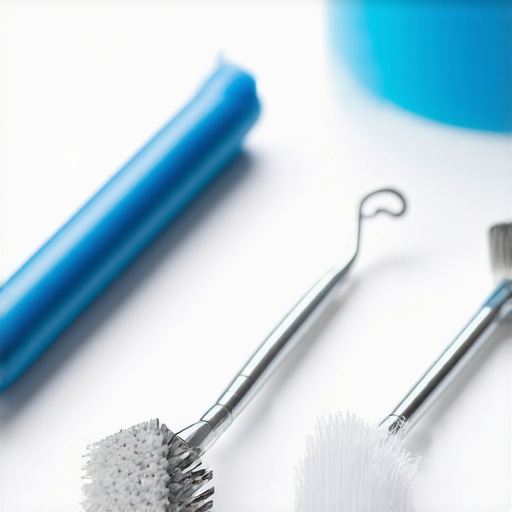
Implement a weekly deep-cleanse of your veneers or crowns using ultrasonic cleaning devices designed for dental restoration, which can dislodge stubborn plaque and biofilm that regular tools may miss. This small investment can dramatically extend the life of your dental work, preventing costly repairs down the line. Take actionable steps now and schedule a professional cleaning session or explore household ultrasonic options recommended by dental experts like Dr. John Smith in their latest technical documentation on ultrasonic cleaning techniques. Trust me—your future self will thank you for this proactive maintenance habit.
Lessons from the Front Lines of Dental Care
- One of the most profound lessons I’ve learned in my dental journey is the importance of staying calm and prepared. Every unexpected dental issue, like a loose crown, becomes manageable when you have the right knowledge and tools, turning panic into action.
- Trying to DIY complex dental fixes with household glues or super glues can cause more harm than good. It’s tempting to find quick fixes, but consulting professionals ensures your smile’s long-term health and safety.
- Early intervention often saves you from costly procedures later. Recognizing the signs of a loose crown and addressing them promptly can preserve your tooth and maintain your confidence, especially when you’re miles away from your trusted dentist.
- Building a travel-ready dental kit with essentials like temporary cement, floss, and gauze can be the difference between a stressful night and a quick fix. Knowing how to use these items correctly is a game-changer.
- Maintaining a proactive mindset about your oral health, such as regular check-ups and proper care of restorations, empowers you to enjoy your travels without dental worries.
Tools and Resources That Became My Go-To
- Invisalign Success Stories: Real patient journeys inspire confidence and offer insights into maintaining orthodontic appliances on the go. Check out this resource to understand how to keep aligners in top shape during travels.
- Comprehensive Cosmetic Dentistry Guides: They help clarify what treatments are right for you and how to care for them, such as this in-depth guide.
- Trusted Emergency Dental Kits: Assembling your own with recommended supplies ensures you’re equipped. Brands like Philips Sonicare for cleaning or Waterpik for flossing are my personal favorites for their reliability.
- Professional Consultation Access: Having a local dentist’s contact information handy, and scheduling regular check-ups, keeps your smile resilient. Remember, technology like virtual consultations can also be invaluable when you’re traveling.
Keep Your Smile Alive and Shine Bright
Your journey to a confident, healthy smile is ongoing, and each experience, even the unexpected ones like managing a loose crown, adds to your wisdom. Embrace the learnings, stay prepared, and seek professional guidance whenever necessary. The future of your smile depends on the care you invest today—so go ahead, smile with assurance wherever life takes you. Ready to share your own dental travel stories or tips? Drop a comment below and join the conversation!