
Picture this: you’re sitting quietly, maybe enjoying a cup of coffee, when suddenly, you notice something weird — your old filling feels icy cold whenever you breathe in deeply. It’s unexpected, startling even. I remember the first time it happened to me; I thought it was a glitch in my imagination or maybe a sign of a more serious problem. Turns out, I was wrong, but that initial shock made me realize how little we often understand about our dental health, especially those odd sensations that creep up unexpectedly.
The Little Cold Shock That Could Signal Big Problems
Could a Cold Sensation Really Be Dangerous?
Here’s the thing: that little chilly feeling isn’t just a harmless quirk. It often indicates underlying issues with your dental restoration or even nerve health. I’ve learned through personal experience and plenty of research that such sensations can be early signs of decay, nerve exposure, or sensitivity that, if not addressed promptly, could lead to more serious problems. Early intervention makes all the difference, which is why understanding the cause is so crucial. Wondering whether that ice-cold feeling points to a major concern? You’re not alone—and we’ll get to how you can effectively tackle it in a moment.
What You’ll Learn Today
In the next sections, I’ll share my insights from real-life cases and research, helping you understand why this sensation happens and what you can do about it. I promise, you won’t have to live in fear of that strange feeling anymore. Instead, you’ll learn practical steps to soothe your teeth, prevent further issues, and make your smile stronger than ever. If you’ve faced this weird cold sensation with your fillings, stay tuned—it’s more common than you think, and there’s a real solution waiting for you.
Assess Your Oral Health Regularly
Start by inspecting the affected tooth closely. Use a mirror and good lighting to see if there’s visible decay, a crack, or exposed dentin. I once noticed a tiny crack after a particularly hard piece of toast, which explained the cold sensitivity. Regular examinations help catch issues early and prevent discomfort from worsening. Consider scheduling an appointment with your dentist to get a professional evaluation, especially if the sensation persists or worsens.
Adopt Gentle Dental Hygiene Practices
Use a soft-bristled toothbrush and gentle strokes to clean around the affected area. Avoid aggressive scrubbing, which can irritate sensitive tissues. Incorporate toothpaste designed for sensitivity, which contains compounds that block nerve signals. I found that switching to a sensitivity toothpaste reduced my discomfort significantly within days. Proper flossing without aggravating the area is also crucial—be careful around the problematic tooth. Regular cleaning reduces plaque buildup and minimizes further decay risks, as detailed here.
Modify Your Diet Temporarily
Avoid consuming very cold, hot, sweet, or acidic foods that trigger the sensation. Opt for lukewarm or room-temperature meals and drinks until the issue resolves. I remember sampling a soup that was a bit too hot and feeling a sharp twinge afterward—ducking into a cooler sip helped me maintain comfort. This simple step prevents exacerbating nerve irritation and gives your tooth time to recover. Staying mindful of your diet can make a noticeable difference in reducing sensitivity.
Utilize Desensitizing Gels and Products
Apply over-the-counter desensitizing gels directly to the affected tooth as instructed. These gels contain compounds like potassium nitrate, which block nerve signals. For example, I gently dabbed the gel on my tooth before bed, which provided relief overnight. Consistent use can diminish sensitivity over several days. Be sure to check product reviews or consult your dentist for recommendations tailored to your needs. Using these products correctly is a critical step in managing discomfort and preventing further nerve exposure.
Seek Professional Dental Intervention
If the sensation persists beyond a week or worsens, schedule an appointment promptly. Your dentist may perform treatments such as applying a dental sealant, filling a crack, or performing root canal therapy if nerves are affected. I once let a small crack go untreated, and it developed into a painful infection that required a root canal—timely intervention saved me from more complex procedures. Trusting professionals ensures an accurate diagnosis and effective treatment plan, especially for issues that self-care can’t resolve.
Monitor for Related Symptoms
Keep an eye on additional signs like swelling, persistent pain, or a bad taste. These symptoms indicate the need for urgent dental help. Recording when the cold sensation occurs can help your dentist identify its cause. I kept a simple journal noting when discomfort arose, which greatly assisted my dentist in pinpointing the problem—sometimes, simple observations point to complex issues.
Explore Cosmetic Solutions When Appropriate
If damage or decay affects your confidence or causes ongoing sensitivity, cosmetic dentistry options like bonding or veneers may be suitable. They can seal exposed areas and restore function. Discover the latest trends in cosmetic dentistry that can redefine your smile here. These solutions not only provide relief but also improve aesthetics, making you feel more comfortable in your skin.
Commit to Long-Term Maintenance
Maintain a rigorous oral hygiene routine, schedule regular dental check-ups, and avoid habits that strain your teeth. Consistency today prevents future issues. Brushing twice daily, flossing, and attending biannual cleanings are your best defenses. I integrated gentle flossing techniques I learned from experts into my routine, preventing recurring sensitivity episodes. Long-term care ensures your teeth stay healthy and resistant to problems that cause sensations like the icy feeling you’re experiencing.
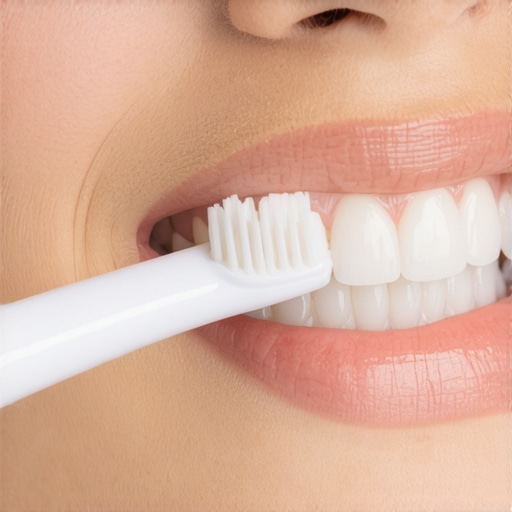 Many people believe that regular teeth cleaning alone keeps their smile perfectly healthy, but this oversimplification can lead to overlooked issues. For instance, some assume that all dental restorations, like crowns or veneers, require no special maintenance, yet neglecting proper care can result in early failures. Additionally, there’s a misconception that cosmetic procedures are purely vanity projects; in reality, they often protect oral health by addressing structural issues that cause sensitivity or damage.
Are Cheap Whitening Kits Worth the Risk to Your Dental Health?
These myths can trap unwary patients into making costly mistakes. For example, abusing over-the-counter whitening products without professional guidance can damage tooth enamel or worsen sensitivity. Expert consensus emphasizes that tailored treatments from qualified dentists not only produce safer, more natural-looking results but also prevent unintended harm. According to a study published in the Journal of American Dental Association, improper whitening procedures increase the risk of enamel erosion and gum irritation, underscoring the importance of expert supervision. Moreover, many underestimate the importance of choosing the right dental professional for specialized treatments like Invisalign. Factors such as experience, technology used, and personalized care plans significantly impact results and long-term satisfaction. For advanced orthodontic solutions, it’s advisable to research and select a dentist experienced in Invisalign and other clear aligner therapies—details you can find in guides on [how to choose a dentist for your Invisalign transformation](https://smilezdentist.com/how-to-choose-a-dentist-for-your-invisalign-transformation). Remember, cutting corners or ignoring nuances in your dental care can lead to surprises you’d rather avoid. Always seek professional advice tailored to your unique needs and stay informed about evolving best practices. Before booking any cosmetic procedure, consider consulting with a specialist who can evaluate your oral health comprehensively. Trust me, it’s better to invest in proper care now than to fix preventable problems later. Have you ever fallen into this trap? Let me know in the comments, and stay vigilant in protecting your smile.Maintaining your dental health investments requires the right tools and disciplined routines. I personally rely on a high-quality electric toothbrush, like the Oral-B Genius X, which features smart sensors that ensure I brush for the recommended two minutes, covering every surface thoroughly. Its built-in timer and position detection help prevent missed spots, especially around sensitive areas or recent restorations, reducing the risk of decay or damage. Alongside, I use a water flosser such as Waterpik Sonic-Fusion, which seamlessly combines flossing and brushing into one step, ensuring debris removal in hard-to-reach areas, particularly around braces or implants. Regularly replacing my brush head every three months, as recommended by dental professionals, keeps my cleaning effective and minimizes bacterial buildup. Personal experience has shown that discarding worn brushes prevents micro-damage to enamel and gums, preserving the longevity of my dental work. Additionally, I incorporate an oral irrigator with adjustable pressure settings, which helps clean around Invisalign aligners or veneers without causing discomfort. As technology advances, I predict that AI-powered oral health devices will soon personalize at-home maintenance routines even further, adapting to individual needs and habits. To stay ahead, I perform weekly self-assessments with a dentist-purchased intraoral camera, like the DENTALSCANNER PRO, enabling me to monitor areas prone to plaque accumulation or wear. This proactive approach aligns with findings from the American Dental Association, emphasizing that early detection and consistent care extend the lifespan of dental restorations. How do I maintain cosmetic dentistry and Invisalign over time? The key lies in meticulous hygiene with specialized tools, regular professional check-ups, and staying informed about the latest innovations. For example, I make it a point to attend semiannual dental visits, where my hygienist uses laser cavity detection to catch early issues. I also schedule clear aligner check-ins according to my dentist’s calendar, ensuring my Invisalign treatment proceeds smoothly without setbacks. Remember, investing in smart tools like ultrasonic scalers or 3D imaging can offer even more precise maintenance—sometimes, side-effects like sensitivity issues can be traced back to overlooked plaque buildup or misaligned appliances, which advanced diagnostics can identify and resolve. Ultimately, consistent, informed care with the right equipment protects your dental investment, ensuring your smile stays flawless long-term. I encourage you to try upgrading your daily routine with an electric toothbrush equipped with pressure sensors—modern design and intelligent feedback can dramatically improve your oral hygiene game and prolong your restorations.
What I Wish I Knew Before Ignoring Small Symptoms
- Realized that minor sensations like a chilly feeling can be signs of underlying issues that need prompt attention, saving me from bigger problems later.
- Discovered that daily habits and diet greatly influence the longevity of dental restorations, emphasizing the value of gentle care and proper maintenance.
- Learned that trusting a professional isn’t just about fixing immediate problems but about building a foundation for lifelong oral health.
Tools That Took My Smile to the Next Level
- The latest toothbrush technology with pressure sensors, which helped me brush effectively without damaging sensitive areas—making a noticeable difference in comfort and cleanliness.
- High-quality desensitizing gels recommended by my dentist, which provided relief and prevented escalation of discomfort.
- Regular dental check-up schedules that caught potential issues early, proving that proactive visits save money and pain in the long run.
Your Smile’s Future Starts Today
Remember, your dental health is a journey, not a destination. Taking small, consistent steps—like using the right tools and listening to your body—can make all the difference in maintaining that confident grin. If you’re noticing strange sensations like an icy cold feeling from a filling, don’t delay seeking professional advice. Your smile deserves the best care, and every effort you make now can prevent headaches and costly procedures down the line. Why not start today with a quick consultation or a better home care routine? Your future self will thank you for it.