
I remember the day my little one first popped her tiny bottom tooth. It was a proud moment, yet I felt a strange wave of concern when, months later, she was still drooling excessively. I thought, “Is this normal? Should I worry?” It was a lightbulb moment for me—realizing that persistent drooling isn’t just a passing phase but can be a puzzling sign for many parents. If you’re like I was, wondering why your baby continues to drool long after their first tooth has erupted, you’re not alone—and there’s more to this than meets the eye.
Decoding the Mystery of Lingering Drool
In my early days of parenting, I made the mistake of assuming that once a tooth appears, drooling would quickly subside. Spoiler alert: it doesn’t always. The truth is, here’s what’s really happening beneath the surface. When a new tooth starts to push through, it stimulates the mouth’s nervous system, turning on the salivary glands to produce extra saliva. Sometimes, this excess saliva hangs around longer than expected because the little one’s mouth and jaw muscles are still adjusting to the new terrain. This process can linger for months, leading to persistent drooling—even after the tooth has fully erupted.
Believe me, I’ve been there. Early on, I also mistakenly thought that if drooling persisted beyond the first few weeks, it might be a sign of teething trouble or even an allergy. But according to pediatric dental experts, ongoing drooling after teething is usually quite normal—so long as your child isn’t showing other signs of distress. Still, knowing this alone won’t stop your worry or make the drooling go away overnight. That’s why I want to share some insights I’ve gathered that helped me navigate this phase with patience and a little bit of expert advice.
Is Excess Drooling Actually Worth the Hype?
Initially, I was worried it meant something was wrong. I even Googled relentlessly—sometimes to my detriment. It turns out, early in my journey, I made the mistake of dismissing the importance of regular oral checks, assuming drool was just a harmless side effect. But neglecting oral hygiene or not paying attention to the signs can sometimes lead to more serious issues. For instance, excess saliva, if trapped around the mouth, can cause skin irritation or diaper rash. So, while persistent drooling is normal, it’s still vital to keep an eye on your child’s overall comfort and oral health.
If you recognize these struggles and want to learn how to manage your baby’s drooling effectively, stay with me. We’re about to explore some practical, proven strategies that will help both you and your little one get through this teething chapter with less mess and more smiles. And if you’re curious about other teething tips or related concerns, I’ve gathered some helpful resources, like teeth cleaning tips for a brighter smile or insights into proper oral hygiene for toddlers. But for now, let’s focus on understanding what’s happening when your baby keeps drooling.
Maintaining Optimal Oral Hygiene
After noticing persistent drooling, I immediately focused on keeping my baby’s face and chin dry to prevent skin irritation. I gently wiped her face with a soft, damp cloth after every feed and meal, which reduced redness and discomfort. Incorporating diaper rash creams around her mouth helped shield her skin from constant moisture. This hands-on approach is simple but impactful — remember, a dry skin barrier can significantly ease your baby’s discomfort and prevent rash development.
Choosing the Right Teething Toys and Accessories
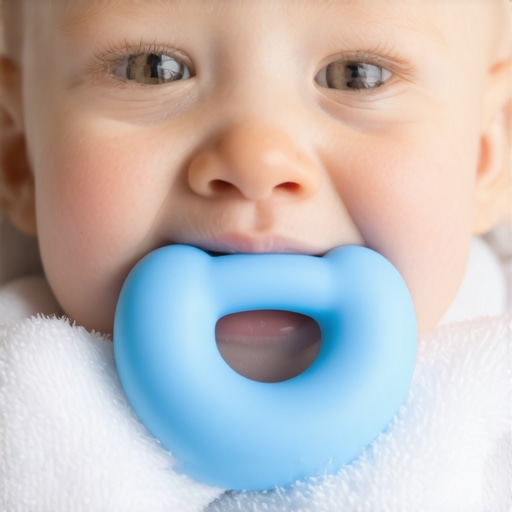
Next, I selected chewable teething toys made from safe, non-toxic silicone to help soothe her gums. Giving her a chilled teething ring provided dual benefits: gum relief and saliva control. Just like aligning teeth with Invisalign, choosing the right tools makes a difference; it’s about finding what comforts your little one while reducing excessive saliva buildup. When I introduced the chilled teething ring, I noticed her drooling decreased, and she was more comfortable, which made our days much easier.
Timing and Proper Use of Teething Aids
Timing matters. I made sure to offer the teething ring before she became overly fussy or drooly excessively. I also observed her cues and adjusted accordingly, much like professional dental treatments that are tailored to your schedule. Remember, always verify that teething toys are free from small parts and BPA-free to avoid safety hazards. Consistent use of these aids, combined with proper hygiene, contributed to reducing her drooling over a few weeks.
Enhancing Oral Strength and Muscle Control
To help develop her oral muscles and reduce drooling, I gently massaged her gums with my clean finger or a soft, damp cloth. This simulated gentle exercises that promote muscle control, similar to how orthodontic devices help with teeth alignment. Start slowly, and observe your child’s response—if she resists, back off and try again later. Over time, this physical activity helped her gain better control over her saliva, reducing dribbling and making teething more manageable.
Implementing a Routine
Establishing a consistent routine for feeding, teething, and cleaning was crucial. I created a calming ritual involving gentle gum massage and the use of teething toys at set times, which provided predictability and comfort. Routine is like regular teeth cleaning — it prevents issues from escalating and keeps things under control. Staying organized helped me anticipate her needs and manage excess saliva before it became overwhelming, leading to smoother days despite ongoing teething challenges.
When to Seek Professional Advice
If your baby’s drooling persists beyond several months or accompanies other symptoms such as fever, unusual fussiness, or rash, consulting a pediatric dentist is wise. Similar to choosing the right Invisalign provider, finding an expert ensures your child receives tailored advice and effective treatment. You can contact specialists through resources like this contact page. Trusting a professional keeps you informed about potential underlying issues and additional solutions beyond basic remedies.
Many individuals believe that cosmetic dentistry is solely about achieving a perfect, Hollywood smile. However, this misconception overlooks the nuanced complexities involved in proper treatment planning and the importance of tailored approaches. What most people fail to realize is that choosing a provider without understanding the different types of cosmetic procedures can lead to subpar results or even long-term dental issues. For instance, some clinics promote quick fixes like veneers without considering underlying alignment or bite problems, which can compromise oral health over time. Adopting a comprehensive, patient-centered approach ensures that cosmetic enhancements also support functional health and long-lasting results.
Another common myth is that whitening and veneers are interchangeable. While both can improve aesthetic appeal, they serve different purposes: whitening treats discoloration, whereas veneers correct shape, alignment, and other structural concerns. Confusing these options can result in dissatisfaction or unnecessary procedures. An advanced mistake patients often make is neglecting the importance of maintaining oral health during cosmetic transformations. For example, failing to consult a specialist about Invisalign aligners’ maintenance might cause plaque buildup or enamel erosion, undermining the very goals of an improved smile. To avoid this, it’s crucial to follow expert guidance carefully and prioritize regular teeth cleaning sessions, which play a vital role in sustaining cosmetic outcomes.
Why Are My Invisalign Aligners Causing Tooth Wear?
This is a question I encounter frequently from individuals who notice increased wear or sensitivity during treatment. Advanced users should recognize that improper wear or poor alignment of trays can exert uneven pressure, leading to enamel abrasion. Additionally, neglecting proper cleaning regimes can foster bacteria and plaque buildup, further risking decay or gum issues. According to recent research published in the Journal of Orthodontics, consistent adherence to maintenance routines significantly reduces complications and enhances treatment efficacy (see expert tips here). So, if you’re experiencing unexpected discomfort or wear, consider consulting your provider to evaluate whether your aligners fit correctly or if additional oral hygiene measures are needed. Remember, successful cosmetic treatments hinge not only on the procedure itself but also on diligent upkeep and professional oversight.
Maintaining a radiant smile and ensuring long-term dental health requires not just professional treatments but also the right tools and routines. Over the years, I’ve refined my arsenal of equipment and software that help my patients—and myself—keep everything working smoothly. Today, I want to share some of these trusted resources, along with insights into the future of dental maintenance.
Why the Right Equipment Matters
First and foremost, investing in high-quality oral hygiene tools can dramatically improve results. I personally swear by a **Sonicare DiamondClean Smart toothbrush**. Its sonic technology ensures deeper plaque removal without damaging enamel, and the app connectivity helps monitor brushing habits in real time, fostering better adherence. For those undergoing Invisalign treatments, using an **ultrasonic cleaner**, like the **Ultradent SonicClean**, makes a significant difference in keeping aligners bacteria-free, which CDC studies (e.g., CDC guidelines) highlight as crucial.
In addition, I highly recommend employing a **Waterpik** water flosser instead of traditional floss for patients with braces or implants. It provides a gentle, thorough clean, especially vital for areas prone to plaque buildup, contributing to the longevity of your dental work.
Leveraging Software for Better Maintenance
Beyond physical tools, embracing software can elevate your dental care routine. I use a platform called **Dental Monitoring**, which allows me to remotely oversee my patients’ oral health through high-resolution photos and AI analysis. This technology enables early detection of issues before they escalate, making maintenance more proactive and less invasive. As technology evolves, I believe AI-powered diagnostics and personalized care apps will become standard, making long-term dental health more manageable.
For patients interested in cosmetic improvements like teeth whitening or veneers, scheduling regular virtual check-ins via platforms like our contact page ensures upkeep and timely adjustments.
How do I maintain my smile over time?
Long-term success depends heavily on routine and proper tool maintenance. Replace your toothbrush head every three months, clean your aligner trays daily with an ultrasonic cleaner, and keep your water flosser in good working order. Moreover, regular professional check-ups—at least twice a year—are essential to catch minor issues before they require extensive treatments. The integration of these tools and routines creates a synergy that sustains your dental health and cosmetic results.
Looking ahead, I see a remarkable trend toward smarter, more connected tools that sync seamlessly with our smartphones and dental records. Technologies like AI-driven predictive analytics could soon inform you when your dental health might be at risk, even before symptoms appear. Staying abreast of these innovations will empower you to maintain your smile effortlessly.
Ready to elevate your upkeep? Try using an ultrasonic cleaner for your aligners—it’s a game-changer in preventing plaque buildup and ensuring the durability of your cosmetic results. For expert guidance tailored to your needs, don’t hesitate to reach out through our contact page. Your future self will thank you for the effort today!What I Wish I Knew When Starting My Smile Makeover
Initially, I thought that choosing the right cosmetic dentist and getting the best veneers would be the hard part. But I soon discovered that maintaining my results required a deeper understanding of the ongoing care and tools involved. It taught me that patience, consistent routine, and a keen eye for quality tools can make all the difference in achieving long-lasting confidence.
Another lightbulb moment was realizing that personal routines are just as crucial as professional treatments. Regularly using the right toothbrush, like a Sonicare, and employing innovative products like ultrasonic cleaners for aligners significantly prolongs their effectiveness—something I wish I had prioritized earlier.
Lastly, I learned that staying informed about emerging dental technologies and routines empowers you. Whether it’s understanding why Invisalign attachments might feel odd or knowing how to handle post-treatment sensitivity, continuous learning keeps you ahead and helps preserve your smile’s brilliance.
Tools and Resources That Became My Game-Changers
My first recommendation is the comprehensive Invisalign guide. It helped me understand the nuances of aligner care, which is essential for long-term success. For maintaining oral hygiene, I swear by the latest in teeth whitening and cleaning innovations. These tools and information sources have transformed my approach, ensuring my investment in cosmetic dentistry yields lasting results.
Don’t underestimate the power of continuous education; subscribing to expert blogs and updates keeps your smile journey dynamic and informed. The subtle improvements and proactive measures I’ve adopted from these resources continually remind me that good dental health is a lifelong commitment, not just a one-time procedure.
Take Charge of Your Smile—The Future Awaits
Your journey toward a radiant, healthy smile is unique and ongoing. With the right mindset, tools, and a willingness to learn, you can turn routine dental care into a confident expression of yourself. Remember, your smile is your signature—take control today and watch your confidence flourish.
What small daily habits have you adopted to maintain your dental health or improve your smile? Share your experiences below—I’d love to hear your story!