
I still remember the heart-sink feeling when my seven-year-old finally lost those two front teeth and the “big kid” ones started poking through. I’d spent years obsessing over his brushing habits, but these new arrivals didn’t look like the pearly whites I expected. They looked… dingy. I actually accused him of skipping his nighttime routine! It was a total “bad parent” moment where I convinced myself I’d already failed his oral health before he even hit middle school. If you’re standing in your bathroom right now, staring at your kid’s mouth and wondering if those new teeth are stained, take a deep breath. You aren’t doing anything wrong, and your child isn’t doomed to a lifetime of dull smiles. Today, I’m going to break down why this happens and when you actually need to call the professional for a formal evaluation.
Stop Panicking Over That Yellowish Tint in New Adult Teeth
When I first saw that contrast between the tiny, milky-white baby teeth and the larger, cream-colored adult teeth, I made a classic mistake: I tried to scrub the color away. I bought every “whitening” toothpaste on the shelf, which was a huge error because young enamel is sensitive. The truth is that baby teeth are often called “milk teeth” for a reason—they are incredibly white and opaque. Adult teeth, however, are packed with much more dentin. Dentin is the layer under the enamel, and it’s naturally yellow. Because the enamel on permanent teeth is more translucent, that yellow dentin shines right through. According to the American Academy of Pediatric Dentistry, this structural difference is exactly why permanent teeth never quite match the “refrigerator white” of the teeth they replace. It’s a biological quirk, not a hygiene failure. Have you ever caught yourself scrubbing your kid’s teeth a little too hard just because they didn’t look bright enough?
Is it actually possible for new teeth to be born “stained”?
It’s the biggest fear we have as parents—that something went wrong during development. While most of what you’re seeing is just the natural color of dentin, it’s worth checking if your child is actually brushing effectively or if they are just wetting the bristles to trick you. Sometimes, what looks like a permanent yellow hue is actually just plaque buildup that hasn’t been disturbed in days. I also used to worry about those weird ridges on the edges, but as it turns out, new adult teeth often look jagged at first, which is another totally normal part of the process. We’re going to look at the “optical illusion” of dental contrast and why professional teeth cleaning is usually the only “fix” you’ll ever need to bring back that confidence.
The Layered Paint Trick Your Mouth Plays on You
Think of a baby tooth like a solid white picket fence—it’s opaque and bright from front to back. Now, think of an adult tooth like a glass window with a yellow curtain behind it. The enamel is that glass, and the dentin is the yellow curtain. When those first permanent molars or front teeth erupt, they are coming in with a much thicker layer of dentin than the tiny teeth they are replacing. This isn’t a defect; it’s structural integrity. I actually made the mistake of buying a high-abrasion charcoal paste for my son, thinking I could “buff out” the yellow. Within three days, his gums were red, and he was complaining that cold water hurt. I was literally scrubbing away the protective glass to get to the curtain. This is why teeth cleaning secrets for kids usually involve soft bristles and patience, not aggressive whitening.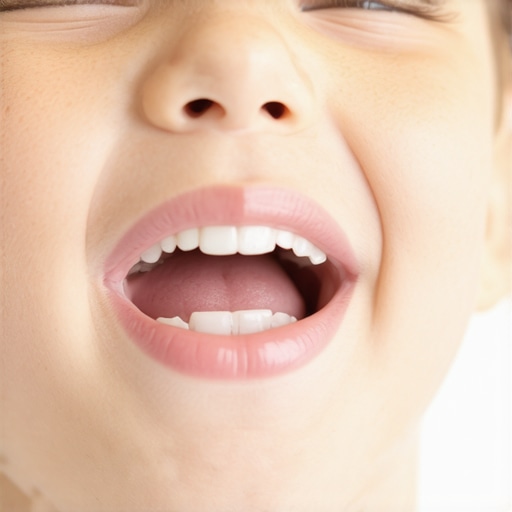
Run the Fingernail Test for Plaque Staining
If you’re still convinced it’s a hygiene issue, here is a trick my dentist showed me. Gently run a clean fingernail or a soft toothpick over the yellow area. If a soft, white, “cream-cheese-like” substance comes off, that’s plaque. That is a cleaning issue, and you can fix it tonight. However, if the tooth stays yellow and feels as smooth as a dinner plate, that color is inside the tooth. You might notice that your teeth look yellow near the gumline more than at the tips because the enamel is thinnest near the gums, letting more dentin show through. If your child is struggling with the physical act of brushing, they might just be wetting the bristles to satisfy you without actually removing the biofilm.
Wait for the Rest of the Smile to Catch Up
The most striking yellowing usually happens when a child has a “mixed dentition”—a mouthful of both baby and adult teeth. The contrast is an optical illusion that makes the permanent teeth look darker than they actually are. Once the rest of the milk teeth fall out and the permanent ones take over, the “yellow” look often disappears because there’s no ultra-white tooth nearby to compare it to. This is much like how matching one single veneer to existing teeth requires looking at the surrounding shades; context is everything in dental aesthetics. Give it a year or two before you decide their smile is “off.”
Schedule a Prophy to Clear the Fog
Sometimes, the yellowing is actually external staining from juice, vitamins, or minerals in your water. This is where regular teeth cleaning saves the day. A professional hygienist uses a high-speed polishing tool that removes “pellicle” stains that a regular toothbrush can’t touch. When I finally took my son in, the hygienist spent five minutes polishing those two front teeth, and about 40% of the “dinginess” vanished instantly. It turned out he was a “mouth breather” at night, which dried out the saliva and allowed surface stains to bake onto the enamel. Before you dive into teeth whitening and cosmetic enhancements, give the professional cleaning a chance to reveal the true shade beneath the daily grime.Building on the idea of structural differences, I see many parents fall into the trap of thinking cleaner means whiter. This leads to one of the most common cosmetic dentistry myths debunked by experts: the belief that you can scrub away the natural color of dentin. In fact, if you try to whiten these teeth too early, you might be doing more harm than good.
Why your toothbrush might be acting like a sandblaster
I have seen a massive surge in parents using charcoal or extra whitening pastes on their kids. If you are not sure about your current paste, you need to perform the grit test to see if you are literally sanding down that precious, thin enamel. Unlike adult teeth that have had decades to mineralize, new permanent teeth are still somewhat porous. When you use abrasive materials, you are not just removing stains; you are thinning the glass window of enamel, which actually makes the yellow dentin underneath look even more prominent. It is a self-defeating cycle. Have you ever fallen into this trap? Let me know in the comments. 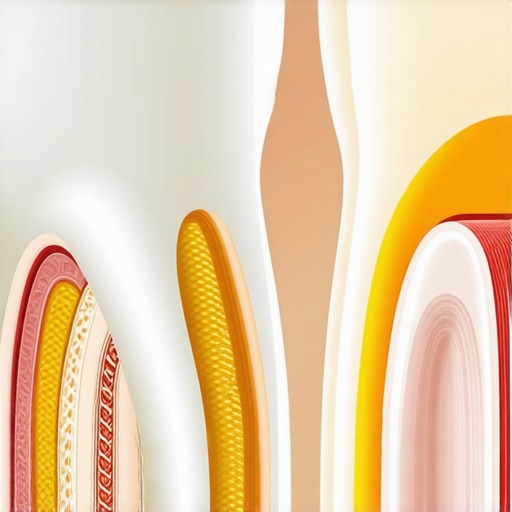
Do whitening strips cause permanent damage to young roots?
This is a sophisticated concern that most parents do not consider until it is too late. The pulp or nerve chamber in a newly erupted tooth is relatively large compared to an older tooth. A study in the Journal of the American Dental Association (JADA) highlights that the chemicals found in whitening strips and how they affect sensitive roots can penetrate much deeper in young teeth, causing intense pulpal inflammation. Instead of reaching for a box at the pharmacy, look into modern teeth cleaning innovations that focus on removing the biofilm without the chemical burn. If the yellowing is truly bothering your child’s confidence, talk to your dentist about professional options that are specifically calibrated for young enamel. Do not risk the health of the nerve just for a temporary shade shift.
Stop the Scrubbing and Let the Motor Do the Work
I mentioned before that I used to act like a human sandblaster on my son’s teeth. The biggest game-changer for us was switching to an electric toothbrush with a built-in pressure sensor. Specifically, we use models that flash a red light the moment you press too hard. This is vital because it teaches kids (and us!) that hygiene is about frequency and coverage, not force. When dealing with teeth cleaning for sensitive teeth what works best in 2025 is a gentle, oscillating motion that breaks up biofilm without eroding that precious new enamel. I personally use the Oral-B iO series because of the micro-vibrations, which feel less like a jackhammer and more like a gentle massage for the gums.
How do I maintain my family’s oral health over time?
The secret is a combination of high-tech tools and a rigid schedule that treats brushing like an unbreakable appointment. We have found that maintaining your teeth cleaning routine for long-term health requires more than just a brush; it requires a hydration strategy. If your mouth is dry, bacteria thrive. I keep a dedicated water bottle for my son to ensure his saliva remains thin and effective at washing away food particles. According to the Cochrane Library’s systematic reviews on oral health, powered toothbrushes provide a statistically significant reduction in plaque and gingivitis compared to manual brushing over both short and long terms. It isn’t just marketing; it is science. 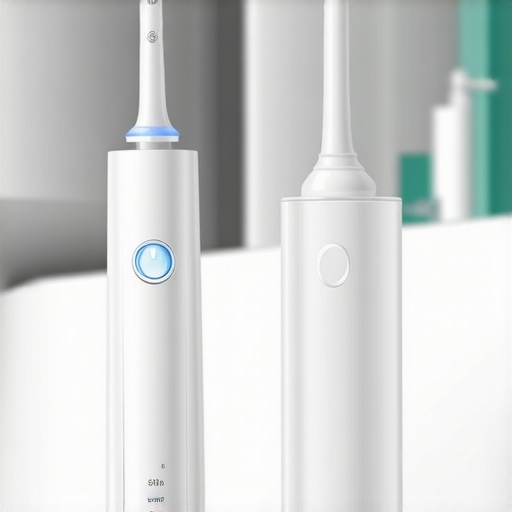
The Water Flosser Hack for Stubborn Gaps
If you have a child who treats traditional floss like a torture device, you need a water flosser. I started using one because my own gums used to bleed every time I tried to reach my back molars. Learning how to stop your gums from bleeding when you use a water flosser is mostly about starting on the lowest pressure setting and using lukewarm water. For kids with those jagged new adult teeth, the water stream can get into the “mamelon” ridges that a brush might miss. This tool has significantly reduced our time in the dentist’s chair because how regular teeth cleaning can prevent major dental issues starts with preventing interproximal (between the teeth) decay at home.
What the Future of Home Dental Care Looks Like
I predict that within the next three years, we will see AI-integrated cameras built into our toothbrushes that sync to our phones. These won’t just track where you brushed, but will use spectral imaging to flag early-stage demineralization before it even becomes a cavity. We are already seeing modern teeth cleaning innovations that reduce sensitivity and boost results through laser-guided diagnostics in clinics, and that technology is shrinking fast. My advice? Invest in a high-quality electric brush today and stop worrying about the natural yellow tint of healthy dentin. Go check your toothpaste’s RDA (Relative Dentin Abrasion) score right now—if it’s over 100, swap it for something gentler tonight!
Why Context Is Everything for Your Child’s New Smile
Looking back on my initial panic, I realized I was comparing apples to oranges—or rather, translucent permanent teeth to opaque milk teeth. The biggest lightbulb moment for me was understanding that a healthy tooth isn’t always a bleach-white tooth. I’ve learned that regular teeth cleaning is about health first and aesthetics second. Don’t let the ‘refrigerator white’ standard of social media dictate your child’s dental self-esteem. Often, what looks like a flaw is actually just a sign of strong, dense dentin that will last them a lifetime. I also learned that teeth cleaning myths debunked by top dentists often point to our own misconceptions about what ‘clean’ really looks like.
The Essentials That Changed Our Bathroom Routine
If you’re ready to stop the scrubbing and start supporting, these are the tools I personally swear by. First, a pressure-sensing electric brush is a non-negotiable for protecting new enamel. It takes the guesswork out of force and ensures your child isn’t causing micro-abrasions. Second, I recommend bookmarking the American Academy of Pediatric Dentistry website for evidence-based care tips. For those tricky gaps, we’ve found that a water flosser is much more effective than traditional string at keeping the gumline clean without the struggle. Finally, if you are still feeling anxious about discoloration, checking out cosmetic dentistry myths debunked can help you distinguish between a natural tooth shade and an actual dental issue.
Trust the Process and Keep Brushing
Your child’s smile is a work in progress, and those ‘yellow’ adult teeth are just the foundation of a strong, mature mouth. Focus on the habits that matter, like consistent brushing and staying hydrated, and let nature do the rest. If the color still concerns you after all the baby teeth are gone, you can always explore teeth whitening and cosmetic enhancements later in their teenage years. For now, celebrate those big kid teeth for the milestones they are. If you have questions about specific stains or want a professional cleaning, don’t hesitate to contact us for a formal evaluation. Have you noticed a big color difference between your child’s baby teeth and their new permanent ones? Let me know in the comments below!