
It started with a simple piece of sourdough toast. One crunch, a faint ‘snap,’ and suddenly my mouth felt like it was housing a broken shard of glass. Every time I swallowed, it was a stinging pain that radiated through my jaw. My tongue, being the curious organ it is, couldn’t stop investigating the new jagged edge, making the irritation worse by the second. I spent three hours obsessively rubbing my tongue against it, which—spoiler alert—made things ten times worse. I thought I could just wait it out until my Monday morning appointment, but by Sunday night, I couldn’t even speak without a lisp because of the swelling and a developing ulcer. I learned quickly that what happens if you ignore the tiny crack in your molar is a recipe for a very painful, sleepless weekend. If you are currently dealing with a tooth that feels like a razor blade, I feel your pain. This isn’t just about a broken tooth; it’s about reclaiming your ability to eat and speak without wincing every three seconds.
When Your Tongue Becomes a Target
The relationship between your tongue and your teeth is usually one of perfect harmony, but the moment a chip or a break occurs, that harmony turns into a hostage situation. I’ve been there, staring in the mirror with a flashlight, trying to see the culprit. I even made the mistake early on of trying to use a piece of sugar-free gum to cover the tooth. It didn’t stick, and the artificial sweetener irritated the raw spot on my tongue even more. If you’ve ever noticed the specific reason your teeth feel sharp after a professional cleaning, you know that even the slightest change in texture is incredibly noticeable to your brain. When it’s a legitimate fracture, your tongue will not stop ‘exploring’ the area until you give it a physical barrier. Today, I’m going to show you exactly how to create that barrier safely without making a trip to the emergency room or damaging your enamel further. [image placeholder]
Are Those Over-the-Counter Wax Kits Actually Worth the Risk?
You might be skeptical about whether a little bit of wax or a temporary filling kit can actually hold up against a hot cup of coffee or a sandwich. The fear is always that you’ll swallow the fix or that it will make the tooth feel even bulkier and more annoying. I used to think these kits were just a gimmick for people who couldn’t find a good local clinic, but after a few desperate nights, I realized they are essential tools for your first-aid kit. While you are choosing the right dentist for a long-term fix, these temporary solutions prevent your tongue from being shredded. According to the American Association of Endodontists, while a cracked tooth is a dental priority, the primary goal of home care is comfort and the prevention of soft tissue infection until a professional can evaluate the structural integrity of the tooth.
The Mistake That Turned My Minor Chip Into a Major Sore
Early in my ‘dental journey,’ I assumed that if I just chewed on the other side of my mouth, I’d be fine. I didn’t realize that your tongue moves constantly, even when you aren’t eating. By ignoring the sharp edge for forty-eight hours, I developed a traumatic ulcer that took a week to heal, even after the dentist smoothed the tooth down. I should have been proactive about protection. We often talk about how we use bonding to fix a chipped tooth in under 45 minutes, and it really is that fast once you get into the chair, but the gap between the break and the appointment is where the real struggle happens. Have you ever had a tooth chip at the worst possible moment, like right before a big presentation or a holiday dinner? I’d love to hear how you managed the discomfort in the comments below. Let’s dive into the step-by-step methods to get you some immediate relief.
Dry the Surface or Your Fix Won’t Stick
Saliva is the ultimate enemy of any temporary dental repair. When I first tried to cover my sharp molar, I just shoved a glob of wax in there while my mouth was still watering from the pain. It slid off in less than three minutes, and I nearly swallowed it. You must use a piece of sterile gauze or even a clean paper towel to blot the tooth and the surrounding gum area bone-dry. Think of it like trying to put a sticker on a wet window; without a dry surface, there is zero adhesion. While you are drying the area, take a moment to look for other red flags; knowing how to handle a loose silver filling that hasn’t fallen out yet is vital, as these sharp edges often appear because an old restoration has finally given up the ghost.
Shape and Apply the Protective Barrier
Take a pea-sized amount of orthodontic wax—it’s usually available in the dental aisle of any pharmacy. Roll it between your thumb and forefinger for about thirty seconds. The heat from your skin makes the wax pliable, turning it from a hard lump into something that feels like modeling clay. Once it is soft, press it firmly over the jagged edge, ensuring it overlaps slightly onto the flat, stable parts of the tooth. I remember one particularly desperate Friday night when I tried to use a tiny bit of red candle wax because I didn’t want to drive to the store. It was a disaster; it didn’t stick, it tasted like ‘seasonal spice,’ and it crumbled immediately. Don’t be me. Stick to the medical-grade stuff. This barrier acts as a literal shield for your tongue, allowing the raw spots to finally start healing while you focus on maintaining your teeth cleaning routine for long-term health. 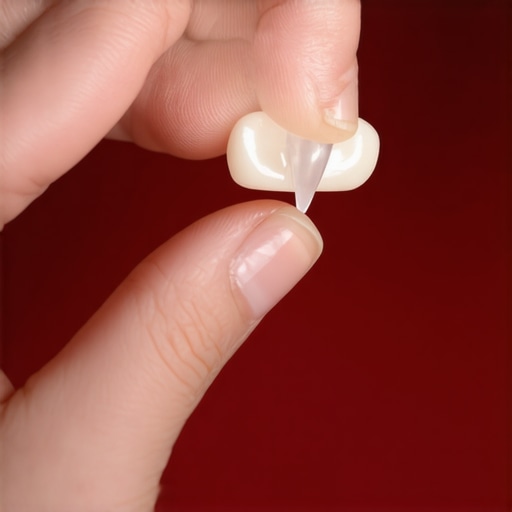
Watch Out for These Quick-Fix Traps
Avoid the temptation to play amateur dentist with household tools. I once heard a story about a guy who tried to use a metal nail file to ‘sand down’ his tooth. He didn’t just smooth the edge; he cracked the enamel so deeply he ended up needing a root canal. If you feel like something is caught in the fracture, resist the urge to dig at it with a safety pin. Instead, focus on the safest way to remove a stuck piece of dental floss or use a gentle water flosser. Using sharp metal objects near an already compromised tooth is a fast track to an emergency extraction.
Identify the Source of the Ache
A sharp edge is often the symptom, not the root cause. If the tooth isn’t just sharp but is also throbbing or sensitive to temperature, the structural failure might be due to an internal cavity. Learning how to tell if your jaw pain is actually a cavity can help you determine if you’re dealing with a simple chip or a significant infection. When I finally got into the chair after my sourdough disaster, the dentist pointed out that the tooth had been weakened by an old, microscopic fracture I’d ignored for months. The wax is your bandage, but the underlying health of the tooth is what determines if that bandage stays a temporary fix or becomes a major medical event.Understanding the difference between a temporary patch and a structural fix is just the beginning. Once you’ve secured that jagged edge with wax, it’s time to confront a common dental myth: the idea that a ‘squeaky clean’ feeling always equals a healthy mouth. In my experience, patients often over-scrub in an attempt to fix a problem, not realizing that teeth cleaning myths debunked by top dentists often point to over-aggressive habits as a leading cause of enamel erosion. We’ve been conditioned to think that more pressure and harsher abrasives lead to better results, but that is a dangerous ‘oops’ factor that can lead to permanent damage.
The Cleanliness Trap Most Patients Fall Into
While you might love that feeling of your teeth being completely smooth, there is a hidden nuance to that texture. There is a specific sensation where why your teeth feel like polished glass after a professional prophy cleaning, which is perfectly normal in a clinical setting. However, when people try to replicate this at home using DIY methods, they often strip away the pellicle—a thin, protective film of proteins—which actually leaves the tooth more vulnerable to staining and acid attacks. I’ve seen countless patients try to ‘sand down’ their own stains, leading to a cycle of sensitivity that no amount of wax can fix. Using modern teeth cleaning innovations that reduce sensitivity and boost results is always a better path than the ‘brute force’ approach of the past.
Is Your Quest for Whiter Teeth Actually Thinning Your Enamel?
This is the question that separates the beginners from the experts. Many believe that if a little whitening is good, more must be better. But here is the nuance: if you have naturally thin enamel, whitening agents can penetrate too deeply, causing internal inflammation. A study published in the Journal of the American Dental Association (JADA) highlights that excessive use of highly abrasive toothpastes can increase dentin hypersensitivity by up to 50%. This is why I always tell people to check the truth about using baking soda to scrub away surface stains before they start a kitchen-cabinet dental routine. Baking soda is effective, but without the right fluoride balance, you’re essentially using liquid sandpaper on your smile.
Stop Chasing the Hollywood White if Your Enamel is Thin
If your teeth look yellow near the gumline but white at the tips, that yellow isn’t a stain—it’s your dentin showing through thinned enamel. In this case, standard cleaning or whitening won’t help; you need to look into cosmetic dentistry myths debunked what you really need to know to understand how bonding or veneers can provide a protective layer rather than just a chemical bleach. I’ve fallen into the trap of thinking I could just ‘brush away’ the yellowing, only to realize I was making my teeth more transparent. Have you ever fallen into this trap of over-cleaning or using a product that made your sensitivity skyrocket? Let me know in the comments—I’d love to help you navigate the confusing world of dental labels. Reclaiming your smile isn’t about how hard you scrub; it’s about how smart you protect the structure you have left.Once you’ve successfully shielded that sharp edge, the conversation shifts from survival to strategy. The reality is that most dental emergencies are actually the culmination of small maintenance failures. For those of us using aligners, the maintenance hurdle is unique. I used to spend twenty minutes every morning scrubbing my trays with a soft brush, only to realize I was creating micro-scratches that actually trapped bacteria. This is why I finally invested in a small ultrasonic cleaner. It’s a tool often used in professional labs, but having one on your bathroom counter changes the game. If you’ve ever wondered how to get the morning breath smell out of your invisalign case for good, a three-minute ultrasonic cycle is the answer. It uses high-frequency sound waves to create cavitation bubbles that blast away debris without the abrasive damage of a brush. This level of care is especially important if you are looking at invisalign innovations why 2025 is the year for a perfect smile. The newer materials are more resilient, but they still require a disciplined routine. I’ve found that invisalign maintenance expert tips for clear confident smiles often come down to the tools you use when nobody is watching. For example, if your trays feel loose, it might not be the plastic; it could be the way you’re seating them. Understanding the honest reason your invisalign trays keep popping off your back teeth can save you weeks of tracking issues. 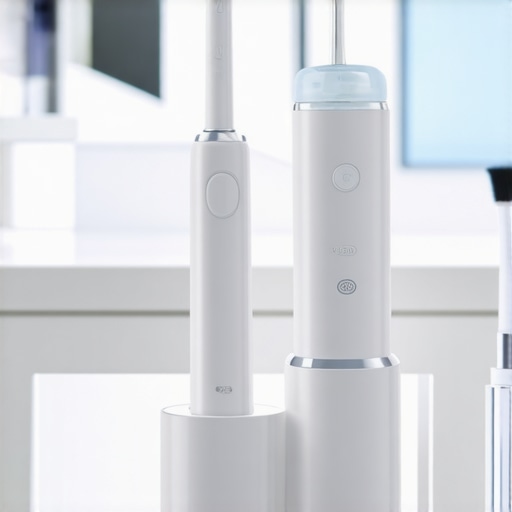
Stop Using Brute Force and Start Using Pressure Sensors
If you’re dealing with the aftermath of a chip or worn enamel, your choice of an electric toothbrush is the most critical decision you’ll make this year. I personally switched to a model with a visible pressure sensor because I realized I was a heavy-handed brusher. This habit was literally filing down my gum line. How regular teeth cleaning can prevent major dental issues isn’t just about the frequency of your visits, but the quality of your daily mechanical action.
How Do I Keep My Smile Investment from Fading Over Time?
Maintenance is the difference between a five-year fix and a twenty-year transformation. A study in the Clinical Oral Investigations journal notes that patients who utilize a water flosser in conjunction with manual brushing see a significant reduction in plaque compared to those who only use traditional string floss. This is particularly true for those with dental work like bonding or crowns where the margins are prone to accumulation. Following the secret to keeping your invisalign trays perfectly clear for two weeks requires more than just water; it requires a pH-neutral cleaning solution. I predict that in the next few years, we’ll see smart-syncing dental tools that send real-time data to your clinic so they can catch those tiny fractures long before they become painful. For now, my best advice is to stop guessing. If you feel even the slightest catch when you floss, use the cold water test for identifying a hidden cavity at home and book an evaluation before the sharp edge appears. I want you to try this today: next time you are flossing, slow down and feel for a shred. If your floss catches in the same spot twice, don’t wait for the snap—call your dentist and mention that specific location.
What My Most Painful Chip Taught Me About Dental Hubris
Reflecting on that sourdough disaster, I realized that the biggest mistake isn’t the accident itself, but the ego that tells us we can ‘tough it out.’ Waiting just forty-eight hours transformed a simple smoothing procedure into a week of treating a traumatic ulcer. I learned that your mouth doesn’t forgive procrastination; a small snag today is a massive headache tomorrow. Another lightbulb moment was realizing that over-cleaning can be just as damaging as neglecting your routine. I’ve seen how teeth cleaning secrets how regular care boosts oral health at any age often involve doing less pressure, but with more precision. Finally, I discovered that even the best DIY wax job is only a temporary bridge to professional help. When you look at cosmetic dentistry trends that transform smiles beyond expectations, you see that modern materials are designed to mimic the bio-mechanics of your natural teeth, something wax can never do long-term.
The Non-Negotiable Kit for Your Bathroom Cabinet
To avoid a midnight panic, I keep a specific set of tools ready at all times. First, medical-grade orthodontic wax is a lifesaver for sharp edges that threaten to shred your tongue. Second, a water flosser is essential, especially for teeth cleaning for sensitive teeth what works best in 2025, as it clears debris around a fracture without the painful friction of traditional string. I also swear by ultrasonic cleaners for anyone using aligners or retainers. These tools are the foundation of what I call ‘preventative peace of mind.’ If you are currently in the process of finding a dentist who gets your smile tips from top cosmetic pros, having these tools at home will make your transition into professional care much more comfortable.
Take the First Step Toward a Pain-Free Smile
Don’t let a small chip or a bit of sensitivity steal your confidence or your sleep. Whether you are inspired by invisalign success stories real patients real transformations or you just want to eat a piece of toast without fear, your journey starts with one proactive choice. Take care of that jagged edge today, protect your enamel, and remember that a healthy smile is a marathon, not a sprint. You deserve to speak and eat without winching. Have you ever had a dental ’emergency’ happen at the absolute worst possible time, like right before a vacation? Let me know in the comments below!