
I remember standing in my bathroom last Tuesday, gripping the edge of the sink and staring at my reflection in total disbelief. I had just finished a routine dental visit, yet my teeth looked like old, weathered piano keys under those harsh vanity lights. I felt a pit in my stomach. I even started googling cosmetic dentistry for discolored teeth right there on the rug. But then, ten minutes later, I caught my reflection in the side-view mirror of my car—bathed in glorious, natural morning sunlight—and they looked like a million bucks. They were bright, white, and healthy. I wasn’t losing my mind, and neither are you. There is a specific reason your teeth look yellow in sunlight but white indoors (or vice versa), and it usually has more to do with physics than your hygiene. Today, I want to help you stop the mirror-induced panic and explain why your lighting is likely playing tricks on your confidence.
The Bathroom Mirror Is a Total Liar
Most of us judge our smiles under the worst possible conditions. My biggest mistake early on was trusting those warm-toned incandescent bulbs in my master bath. I panicked so hard once that I went on a week-long bender of over-the-counter products, only to realize the truth about whitening strips is that they can’t fix a lighting problem, but they can definitely make your roots scream in pain. According to the Lighting Research Center, artificial lights often have a low Color Rendering Index (CRI), which fails to show the full spectrum of color, often emphasizing the yellow-toned dentin that lives naturally beneath your translucent enamel. In contrast, the sun provides a full, balanced spectrum that highlights the white surface of the enamel rather than the shadows within.
Is it possible I am just imagining the yellow tint?
You aren’t imagining it, but you are likely misinterpreting it. Have you ever done a double-take at your reflection and wondered if you were seeing things? That shift in color is a phenomenon where different light sources change how we perceive the same object. It is one of those cosmetic dentistry myths that you need professional bleaching just because your 3000K LED bulb makes you look like a heavy smoker. We are going to dive into how you can actually test your true tooth shade without spending a dime at the clinic, because your peace of mind is worth more than a poorly placed light fixture. You’ve probably spent years thinking you need more teeth cleaning secrets to get that glow, when in reality, you just need to step outside.
How to Find Your True Shade Without the Lighting Mind Games
To get a real baseline for your smile, you need to conduct what I call the Sidewalk Audit. Last spring, I was so convinced my front teeth were failing that I almost booked an emergency appointment because they looked ghostly grey under my office’s flickering fluorescent lights. I genuinely thought I was witnessing the reason your silver fillings make your teeth look grey in the mirror, even though I don’t have a single silver filling in my mouth! I stepped out onto my patio with a handheld mirror at 10:00 AM, and the transformation was instant. The grey vanished, replaced by a healthy, creamy white. The trick is to find indirect, natural light—think of a shaded porch or a north-facing window. Direct, high-noon sun is too harsh and will blow out the details, while indoor LEDs are often too heavy on the blue or yellow spectrum.
Step Outside for the Real Verdict
Grab a plain white piece of printer paper and hold it up next to your mouth while standing in that indirect natural light. This provides a neutral reference point. If your teeth look significantly more yellow than the paper, it might be time to look into the ultimate guide to teeth whitening and cosmetic enhancements. However, if they look relatively close to the white of the paper but still feel ‘off’ indoors, your problem is 100% architectural. You are likely seeing the natural color of your dentin through the enamel. If you’ve been scrubbing aggressively to fix this, stop immediately and run the grit test to tell if your charcoal toothpaste is destroying your enamel. Thinning your enamel will only make that internal yellow dentin more visible, creating a cycle of damage that no amount of light can fix. 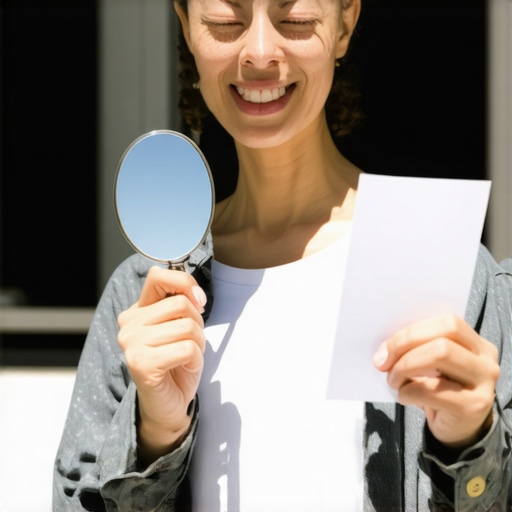
Why Your Dental Work Reacts Differently to the Sun
If you have existing dental work, the sunlight is even more of a truth-teller. Porcelain and composite materials don’t always reflect light the same way natural biological tissue does. This is why pros spend so much time on how we match porcelain veneers to your specific complexion; they have to account for how those materials will behave in the wild. I once had a friend who got a single crown that looked perfect in the dental chair but turned a strange opaque ‘refrigerator white’ the moment she went to a beach party. It lacked the translucency of her natural teeth. If you are currently navigating choosing the best invisalign options for your lifestyle or looking at new restorations, always ask to see the material samples near a window, not just under the exam light. Modern cosmetic dentistry trends that transform smiles beyond expectations now use layered ceramics that mimic the way light travels through a real tooth, preventing that ‘glow-in-the-dark’ effect when you step into the sun. Even the texture matters; a perfectly smooth crown can look fake, which is why matching the texture of a crown is vital for diffusing light naturally rather than reflecting it like a mirror.
Most people treat a professional dental visit like a high-pressure car wash—you go in, they scrub, and you expect to come out with a blindingly white radiator. But here is the nuance that many beginners miss: teeth cleaning secrets often reveal that “over-polishing” or aggressive scaling can actually backfire. If you are constantly chasing that “squeaky clean” feeling with abrasive home kits, you might be creating microscopic scratches where coffee and red wine tannins love to take up permanent residence. In my experience, focusing on the health of your biofilm is far more effective for long-term radiance than simply trying to sand off the top layer of your tooth.
Pure White Is Often a Sign of Weak Enamel
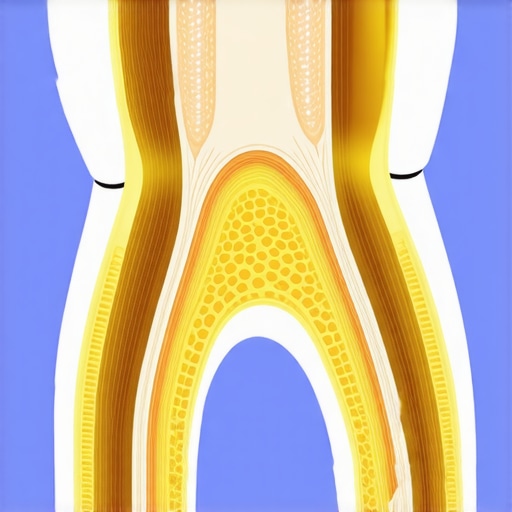
Everyone tells you that whiter is better, but I’m going to challenge that belief. In the world of high-end aesthetics, a “refrigerator white” smile is actually a red flag. A study published in the Journal of Dentistry highlights that tooth color perception is primarily determined by how light interacts with the thickness of your enamel. When your enamel is healthy and thick, it scatters light, giving your teeth that youthful, opalescent glow. When you over-whiten, you are often just dehydrating the tooth, which makes it look temporarily bright but chalky and brittle. This is one of the most common cosmetic dentistry myths: that bleaching is a one-size-fits-all solution for beauty. In reality, maintaining enamel density is the real secret to a smile that looks good in every light.
The “Oops” Factor you need to avoid involves DIY whitening while you are in the middle of orthodontic work. I see this all the time with people who realize why invisalign is the future of clear braces and get excited about their new look. They start using charcoal pastes or heavy peroxide strips while their attachments are still on. This is a massive mistake. You risk creating a “stencil effect” where the area under the attachment remains one color while the rest of the tooth changes, leading to a splotchy mess once the treatment is over. If you want a comprehensive upgrade, stick to the ultimate guide to teeth whitening and cosmetic enhancements only after your alignment is complete.
Why do my front teeth feel slightly mobile when I change my aligner trays?
It is an unsettling sensation to feel your teeth wiggle, but for an advanced orthodontic patient, this shouldn’t cause panic. What you are feeling is the biological process of bone remodeling. The truth about why your front teeth feel loose on invisalign tray swap days is that your periodontal ligaments are being stretched to allow for movement. If they weren’t slightly mobile, they wouldn’t be moving at all! To manage the transition, I always suggest looking into modern teeth cleaning innovations that reduce sensitivity and boost results, which can help soothe the gums during these high-pressure shifts. Have you ever fallen into the trap of over-whitening or panicking during a tray swap? Let me know in the comments.
I used to think that a standard manual brush was enough until I realized I was essentially cleaning a Ferrari with a kitchen sponge. Once you invest in your smile through professional care, the maintenance gear becomes your best friend. My ride-or-die tool is my high-frequency sonic toothbrush with a built-in pressure sensor. I learned the hard way that maintaining your teeth cleaning routine for long term health isn’t just about showing up for appointments; it is about what you do at 11 PM when you are exhausted. I personally switched to a specialized water flosser because I noticed the hidden reason your floss keeps shredding between two specific teeth was a tiny bit of bonding that needed a gentler touch. According to a study in the Journal of Clinical Periodontology, water flossing can be up to 29% more effective than traditional string floss for plaque removal in difficult-to-reach areas—which is a lifesaver if you are currently navigating invisalign maintenance expert tips for clear confident smiles. 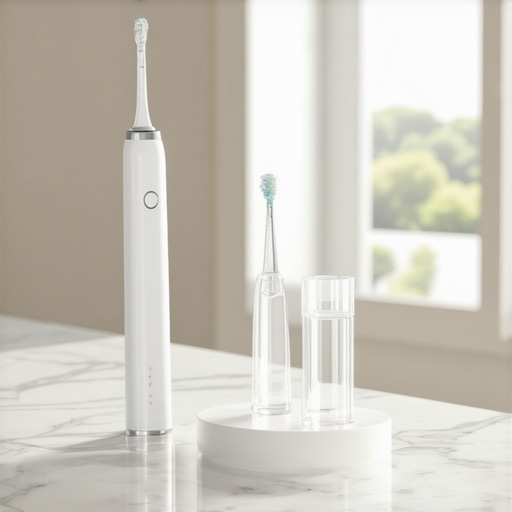
The Gear That Actually Earns Its Spot on My Counter
If you are wearing aligners, you know the struggle of the ‘cloudy case.’ I finally figured out how to get the morning breath smell out of your invisalign case for good by using a specific pH-balanced ultrasonic cleaner rather than just rinsing with tap water. It is these tiny, consistent habits that prevent cosmetic dentistry myths debunked by top dentists from ruining your financial and emotional investment. I also swear by a tongue scraper; if you aren’t using one, you are basically leaving half the bacteria in your mouth to throw a party on your fresh enamel.
How can I keep this glow for the next ten years?
Maintenance is a game of millimeters and consistency. The secret is to stop treating teeth cleaning secrets as a chore and start seeing it as a preservation of your confidence. I make sure to swap my toothbrush head every twelve weeks—no exceptions—because frayed bristles are about as effective as a wet paper towel. Furthermore, if you’ve had work done, you need to be aware of cosmetic dentistry trends that transform smiles today, which often involve using bioactive pastes that actually help remineralize the edges of your veneers or crowns.
Why Your Next Toothbrush Might Be Smarter Than Your Phone
Looking ahead, I see a massive shift toward ‘Bio-Synchronous’ dentistry. We are moving away from just ‘fixing’ things to using AI-driven sensors in our toothbrushes that sync with our dentist’s office in real-time. I predict that by 2027, your bathroom mirror will be able to scan your mouth and tell you exactly where you are missing plaque before you even spit. This kind of tech will make choosing the best invisalign options for your lifestyle even easier, as we will have 3D data on our progress every single morning. If you want a pro tip to try tonight: set a timer for exactly 20 seconds after you finish brushing to just massage your gum line with a soft, dry brush. It stimulates blood flow and helps prevent that ‘recession gap’ that often haunts long-term orthodontic patients. Give it a shot—your gums will thank you in a decade.
The Realities of Enamel I Wish I Knew Sooner
After years of obsessing over every tint change in my reflection, I’ve realized that 100% paper-white isn’t just rare—it’s often a sign of over-treatment. Here are the lightbulb moments that finally saved my sanity:
- Nature intended for teeth to have a creamy hue because the dentin beneath your enamel is naturally yellowish. If they were solid white, they would look like porcelain tiles rather than living tissue.
- Aggressive scrubbing is your smile’s worst enemy. I learned through cosmetic dentistry myths debunked by top dentists that you cannot “clean” your way to a new shade if the issue is actually thinning, translucent enamel.
- Environment is everything. Your bathroom wall color, the temperature of your lightbulbs, and even the shirt you are wearing can cast a hue onto your smile that has nothing to do with your hygiene.
The Items That Actually Live in My Medicine Cabinet
I don’t believe in bathroom clutter, but I do believe in high-performance tools that protect my investment. To keep my smile consistent across all lighting conditions, I rely on a few specific essentials. First, a high-quality sonic brush is non-negotiable for maintaining your teeth cleaning routine for long term health. Second, I completely stopped fighting with traditional string and moved to a high-powered water flosser after discovering the hidden reason your floss keeps shredding between two specific teeth was a tight contact point that needed a gentler approach. Finally, I only work with professionals who prioritize enamel density over “the bleach look,” which is why choosing the right dentist is the most important decision you will make for your long-term confidence.
Stop Chasing Shadows and Start Smiling
At the end of the day, your teeth are a living, breathing part of your body, not a static accessory. Whether you are currently exploring cosmetic dentistry for discolored teeth or just trying to perfect your morning ritual, remember that health shines brighter than any artificial whitening ever could. Don’t let a poorly placed LED bulb or a harsh dressing room mirror dictate how you feel about yourself. Step into the natural morning sun, take a deep breath, and appreciate the healthy, functional smile you have worked so hard to maintain. Have you ever had a “mirror-panic” moment where your teeth looked completely yellow in one room but bright white in another? Let’s talk about your lighting horror stories in the comments below!