
I stood there, staring at my reflection with a three-thousand-dollar piece of titanium in my jaw and a piece of spinach that might as well have been cemented to it. My right hand, stiff from a flare-up of arthritis, felt like a clumsy oven mitt as I tried to thread traditional floss. I’d spent months choosing the right dentist to get this smile back, and here I was, potentially ruining it because my fingers wouldn’t follow orders. It is a visceral kind of frustration—knowing you have to maintain your health but lacking the mechanical skill to pull it off. If you are dealing with joint pain, a temporary injury, or just the natural loss of fine motor skills that comes with time, you know exactly what I mean. But here is the secret: I’ve spent the last year figuring out how to cheat. Not the bad kind of cheating, but the kind that keeps your gums healthy without requiring the precision of a watchmaker. Today, I am pulling back the curtain on the limited dexterity toolkit. We are going to cover the specific gadgets that actually work and why the standard advice you get at the office is often designed for people with twenty-year-old hands.
You Don’t Need Ninja Reflexes to Protect Your Investment
One of the biggest mistakes I made early on was trying to power through the pain. I thought if I just gripped the toothbrush harder or spent more time struggling with the floss, I would get the job done. I was wrong. All I did was make my gums bleed only in the back of my mouth. You have to realize that your dental implant feels slightly different than a natural tooth, and the way it connects to your gums makes it even more susceptible to bacterial buildup if you aren’t thorough. The stakes are higher than you might think. According to the American Academy of Periodontology, peri-implantitis is an inflammatory condition that can lead to bone loss and total implant failure if you do not stay on top of the biofilm. That is the scary professional talk for: if you do not clean it, you lose it. Have you ever found yourself staring at a piece of floss like it is a puzzle you just can’t solve? Tell me about your biggest struggle with your dental routine—I am curious if we are fighting the same battles.
Is it actually worth the extra effort?
Let’s be real for a second. Sometimes it feels easier to just skip the deep cleaning for a night when your hands are aching. But when you consider why a single dental implant costs more than a bridge, you realize you are protecting a significant financial and personal investment. I have learned that the teeth cleaning secrets for folks like us aren’t about trying harder; they are about using the right leverage. We aren’t just cleaning teeth; we are preserving the ability to eat, talk, and smile without worry.
Swap the Tiny Grip for Something You Can Actually Hold
The first thing I had to accept was that standard toothbrush handles are designed for people with the finger strength of a rock climber. If your hands are stiff, you are fighting the brush before it even touches your teeth. I solved this by sliding a foam pool noodle or a tennis ball over the handle of my electric toothbrush. It looks ridiculous, but it turns a precision instrument into a tool I can actually control. This kind of leverage is exactly what modern teeth cleaning innovations that reduce sensitivity and boost results are all about—making the process work for your body, not against it. When you have a larger surface area to grip, you can focus on the angle of the bristles rather than just trying not to drop the damn thing.
Let a Power Washer Do the Heavy Lifting
Traditional flossing is a nightmare when your fingers won’t cooperate. I remember the first time I tried a water flosser after my surgery; I leaned over the sink, hit the ‘high’ button, and promptly sprayed my bathroom mirror, my shirt, and the cat. It was a disaster. But even through the puddle, my gums felt cleaner in thirty seconds than they had after ten minutes of wrestling with string. Think of a water flosser like a power washer for your mouth. It blasts away the biofilm around those expensive titanium posts without requiring you to thread a needle. If you are struggling, this is the single most important tool in your kit. It’s one of the most effective teeth cleaning myths debunked by top dentists that string is the only way to go; for those of us with limited mobility, the water flosser is a literal lifesaver. 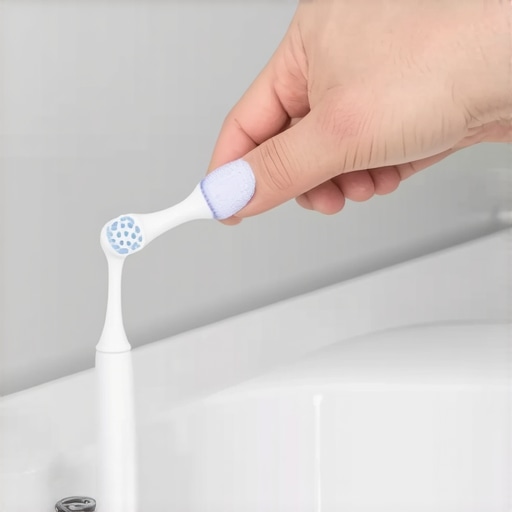
Reach the Tight Spots Without the Finger Gymnastics
Sometimes a water flosser isn’t enough, especially if you have a bridge or very tight contacts. This is where interdental brushes come in. They look like tiny little pipe cleaners. Instead of trying to wrap floss around your fingers and reaching into the dark corners of your mouth, you just hold the small handle and slide the brush through the gap. If you are wondering how to clean under a fixed dental bridge without using a needle threader, this is your answer. I keep a pack in my car and my nightstand because they are so much easier to use while watching TV than standing over a sink.
Keeping Your Aligners Clear Without the Hassle
If you have opted for clear aligners to fix your bite, the maintenance can feel like a full-time job. I found that the same dexterity issues that made brushing hard made cleaning trays impossible. The secret here is using an ultrasonic cleaner. You drop the trays in, hit a button, and the sound waves do the scrubbing for you. This is a game-changer for invisalign maintenance expert tips for clear confident smiles. It removes the need for fine-motor scrubbing and ensures you aren’t putting bacteria back into your mouth every time you snap the trays back in. It is all about removing the friction from the routine so you actually stay consistent.However, there is a nuanced trap many of us fall into once we finally have the right tools: the ‘squeaky clean’ obsession. We think that if a little pressure is good, a lot of pressure must be better. That is one of the most common teeth cleaning myths debunked by top dentists. When you have a modified grip on your brush, it is easy to over-leverage and apply too much force without realizing it.
Stop scrubbing so hard before you lose your gum line
Most people believe that vigorous brushing is the only way to remove stubborn plaque. In reality, plaque is soft and film-like; it does not require a jackhammer to remove. If you use too much force, especially around titanium posts, you risk wearing down the delicate tissue. This is not just my opinion—a report by the American Dental Association (ADA) emphasizes that high-pressure brushing is a leading cause of gum recession. You want to let the bristles do the work, not your biceps. This is particularly vital for maintaining your teeth cleaning routine for long-term health without causing accidental damage.
The hidden danger of ‘natural’ whitening hacks
Then there is the trap of trying to ‘fix’ discoloration at home. I see so many people reaching for baking soda or charcoal, thinking they are being healthier by avoiding chemicals. But the truth about using baking soda to scrub away surface stains is that it is incredibly abrasive. It might make your teeth look brighter for a week, but you are essentially sandpapering your enamel. For those of us with work done, these abrasives can scratch the surface of our restorations, making them pick up stains even faster. If you are worried about your look, it is better to look at cosmetic dentistry myths debunked to see what actually works without ruining your foundation. 
Why do my front teeth feel loose on tray swap days?
This is the question that keeps people up at night when they start clear aligners. You wake up, pop in a new tray, and suddenly it feels like your teeth are pivoting in your jaw. Don’t panic. This is actually a sign of the ‘remodeling’ process where bone is breaking down and rebuilding to allow movement. The truth about why your front teeth feel loose on invisalign tray swap days is that it is a controlled physiological response. However, the ‘oops’ factor here is trying to eat hard foods during those first 24 hours of a new tray. You can actually cause minor ligament trauma if you are not careful. Stick to softer foods when the pressure is at its peak to protect that delicate process. Have you ever fallen into this trap of being a bit too aggressive with your new smile? Let me know in the comments—I would love to hear how you handled that ‘loose’ feeling.
Put your hygiene on autopilot with smart sensors
I finally stopped guessing if I was brushing correctly when I upgraded to a brush with adaptive technology. The specific tool I use is the Philips Sonicare Prestige 9900, and for a very technical reason: SenseIQ. This isn’t just marketing fluff; it senses your pressure, motion, and coverage up to 100 times per second. When my arthritis flares up and I accidentally start scrubbing too hard, the brush automatically pulls back the intensity before I can damage my gum line. It’s the ultimate safety net for maintaining your teeth cleaning routine for long-term health. If you are investing in cosmetic dentistry innovations 2025, you cannot afford to rely on manual precision that your hands might not be able to provide every single day.
Why your retainer is the most important piece of plastic you own
The biggest heartbreak in dentistry is ‘orthodontic relapse.’ You spend eighteen months in clear aligners only to have your teeth migrate back because you got lazy with the retention phase. I’ve found that the standard ‘boil and bite’ or thin plastic retainers just don’t cut it. I switched to Vivera retainers because they are made from a proprietary material that is 30% stronger and twice as durable as other leading clear retainer materials. This is one of the most vital invisalign maintenance expert tips for clear confident smiles. Without that rigid support, the bone remodeling we talked about earlier can actually work against you, pulling your teeth back to their original, crooked homes. 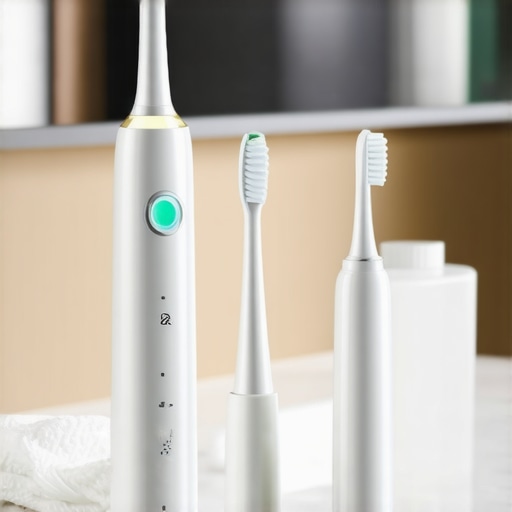
How do I keep my dental work looking brand new for ten years?
The secret to longevity isn’t just the tools; it’s the chemistry. I started using a pH-neutralizing mouthburst instead of the alcohol-heavy stuff that dries out your tissue. Dry mouth is the enemy of dental work because saliva is your mouth’s natural defense against acid. According to a study published in the Journal of the Mechanical Behavior of Biomedical Materials, the longevity of porcelain and zirconia restorations is significantly compromised when exposed to highly acidic environments over time. By keeping your mouth’s pH balanced, you are essentially protecting the bond between your tooth and the restoration. This is how regular teeth cleaning can prevent major dental issues from ever starting.
Look into the future of at-home diagnostics
I predict that within the next five years, we won’t just be ‘cleaning’ our teeth; we will be ‘monitoring’ them with AI-integrated mirrors. We are already seeing the first wave of smart mirrors that use specialized light frequencies to highlight plaque and early-stage demineralization that isn’t visible to the naked eye. This kind of tech will make invisalign innovations why 2025 is the year for a perfect smile look like the tip of the iceberg. You’ll be able to catch a cavity when it’s still just a faint shadow, long before a drill is ever needed. It’s the ultimate way of how regular care boosts oral health at any age. My challenge to you: pick one ‘smart’ tool this week—whether it’s a water flosser or a sensor-based brush—and see how much of the ‘manual’ stress it removes from your morning. Your smile (and your hands) will thank you.
The Hard Lessons My Stiff Hands Taught Me
Looking back at my struggle, the biggest shift wasn’t just buying new gear; it was changing my mindset. I realized that teeth cleaning secrets aren’t reserved for the young and nimble. First, if it hurts, you’re doing it wrong—pain is a signal to adapt, not to push through. Second, consistency beats perfection every single time; five minutes with a water flosser is infinitely better than ten minutes of failed string flossing once a week. Finally, don’t be afraid to ask for help when choosing the right dentist—you need a professional who understands that mobility issues aren’t a lack of effort.
Tools That Finally Made My Routine Feel Easy
If you are ready to stop the morning struggle, there are a few things I swear by. I recommend starting with a high-quality water flosser; it’s the gold standard for how regular teeth cleaning can prevent major dental issues without the finger gymnastics. For those using clear aligners, look into choosing the best invisalign options for your lifestyle that include durable materials like Vivera. Also, consider an ultrasonic cleaner for your trays; it removes the need for fine-motor scrubbing entirely. These modern teeth cleaning innovations that reduce sensitivity and boost results are the real heroes for anyone with joint pain.
#IMAGE_PLACE_HOLDER_E#
Reclaim Your Smile Without the Pain
Your dental health is a lifelong journey, and a few physical limitations shouldn’t stand in the way of your confidence. Whether you are maintaining a new set of veneers or just trying to keep your natural teeth healthy, maintaining your teeth cleaning routine for long-term health is possible with the right adaptations. Don’t let a stiff joint steal your joy or your investment. Take it one gadget at a time, and remember that a healthy smile is within your reach, regardless of your grip strength. Have you ever found a specific tool that made your dental routine easier when your hands were acting up? Share your ‘cheats’ in the comments below!