
I’ll never forget the time I spent nearly an hour with my mouth propped open like a garage door, trying to be the ‘perfect patient’ while my hygienist worked her magic. By the time I walked out to my car, my jaw was literally trembling. I tried to take a sip of water, and my facial muscles just… quit. It’s that weird, dull ache that makes you wonder if something actually went wrong during the scaling and polishing. If you’ve ever felt like your face was made of lead after leaving the clinic, trust me, you are not alone in that struggle. Today, I’m going to break down why this happens and how you can stop that ‘heavy jaw’ feeling before it even starts.
Why your facial muscles are actually screaming at you right now
Most of us think a dental cleaning is just about the teeth, but your temporomandibular joint (TMJ) is the unsung hero doing all the heavy lifting. When you hold your mouth open for an extended period, those muscles are under constant tension. It’s basically an endurance workout for your face. One big mistake I made early on was trying to ‘tough it out’ instead of asking for a break or a bite block. I thought moving at all would annoy the dentist, but staying frozen in place actually caused more inflammation. It’s similar to how the reason your jaw clicks can often be traced back to overextending those same delicate tissues. According to the American Dental Association, muscle fatigue is one of the most common reasons for post-appointment discomfort, especially during deep cleanings that take a bit longer than usual.
Is this kind of soreness actually worth the hype of a clean smile?
You might be sitting there thinking, ‘If it hurts this much, maybe I’ll just skip the next one.’ I get it. The skepticism is real. But honestly, the trade-off is huge. When you consider how regular teeth cleaning can prevent major dental issues down the road, a few hours of a tired jaw is a small price to pay. The key isn’t avoiding the chair; it’s learning the tricks to make the experience less of a physical strain. We’re going to look at how modern teeth cleaning innovations are making this whole process a lot easier on our bodies, but first, let’s talk about why your specific anatomy might be working against you. Have you ever had to cut a cleaning short because your jaw started cramping up? Drop a comment or let me know—I’ve been there, and it’s surprisingly common.
Give your jaw a literal break during the appointment
Think of your jaw like a bicep holding a ten-pound weight. For the first five minutes, it is no big deal. But as the clock ticks toward forty-five minutes, those fibers start to fray and scream. One of the best teeth cleaning secrets for a comfortable visit is simply knowing when to call a timeout. You do not have to keep your mouth at maximum extension the entire time. I used to think that closing my mouth for even ten seconds would ruin the hygienist’s flow, but it actually helps them by preventing your muscles from twitching involuntarily.
Set up a stop signal before the tools come out
Before the cleaning begins, establish a non-verbal cue—like raising your left hand—to signal that you need a thirty-second rest. This is especially vital when finding a dentist who gets your smile and respects your physical limits. When you take these micro-breaks, you allow the blood to flow back into the temporomandibular joint, preventing that localized ‘lockjaw’ feeling that usually sets in halfway through.
Use a bite block to do the heavy lifting for you
If you have never used a bite block, you are essentially doing a facial marathon without any support. A bite block is a small, soft rubber wedge that sits between your upper and lower teeth on one side. It allows you to literally rest your teeth on the prop so your muscles can go limp while the dentist works on the opposite side.  Using this tool is one of the most effective modern teeth cleaning innovations for people with smaller mouths or existing jaw tension.
The specific reason my jaw felt stuck for two days
I’ll be honest: I used to be ‘too proud’ for a bite block. Last year, during a particularly deep scaling, I refused the prop because I thought I could handle it. By the time I got home, my jaw was so fatigued I couldn’t even manage to eat a bowl of soup without my face trembling. It felt exactly like the pressure you experience when your Invisalign trays feel tighter on some days, only it was centered in the joint rather than the teeth. Now, I ask for the block the second I sit down. It is a game-changer for avoiding that post-appointment leaden feeling.
Manage the inflammation as soon as you get to the car
The work doesn’t stop when you leave the clinic. Muscle soreness is essentially minor inflammation. Applying a warm compress to the side of your face for fifteen minutes can stimulate circulation and relax those cramped fibers. If your teeth are also feeling the heat, looking into teeth cleaning for sensitive teeth protocols can help you identify if the pain is purely muscular or related to nerve sensitivity.
Watch for signs of chronic TMJ issues
Sometimes, that heavy jaw is telling you something more serious than just ‘I’m tired.’ If the aching persists for more than forty-eight hours, or if you notice a new clicking sound, it might be time to investigate further. A 3D CBCT scan reveals about your jaw health things that standard X-rays often miss, specifically regarding the alignment of the joint itself. Do not ignore a jaw that refuses to bounce back; it could be the difference between a simple muscle strain and a long-term alignment issue.While we often blame the hygienist’s heavy hand for our post-visit aches, there is a much deeper nuance that most patients miss. We have been conditioned to believe that if a cleaning does not feel ‘intense’ or leave our teeth feeling physically stripped, it isn’t working. In reality, some of the most effective modern teeth cleaning innovations are designed to be minimally invasive. Pushing your jaw to its absolute limit isn’t a badge of honor; it is actually a recipe for chronic inflammation. When you insist on that ‘squeaky’ feeling, you might be encouraging more aggressive scaling than necessary, which taxes the ligaments around your teeth and your jaw joint simultaneously.
Stop trying to be the ‘Perfect Patient’
One of the biggest ‘oops’ factors I see—and I have been guilty of this myself—is the trap of over-compliance. We stay so perfectly still and keep our mouths so wide that we actually stop swallowing and breathing naturally. This creates a dry, high-friction environment that makes the cleaning harder for the professional and more straining for your muscles. According to a study published in the Journal of Oral Rehabilitation, there is a direct correlation between the duration of static mouth opening and the onset of transient myofascial pain. By trying to be the ‘best’ patient by never moving, you are actually fighting your own biology and increasing the likelihood of a multi-day recovery.
Can your standard dental X-ray miss the source of your jaw pain?
Most patients assume that if their annual X-rays look good, their jaw health is perfect. This is a common misconception among even seasoned dental goers. Standard bitewing X-rays are excellent for spotting cavities, but they are almost entirely useless for diagnosing soft tissue issues or joint disc displacement. This is where understanding what a 3D CBCT scan reveals about your jaw health becomes vital. It provides a three-dimensional roadmap of the joint’s movement. If you have ever wondered why the reason your jaw clicks persists despite ‘perfect’ checkups, the answer usually lies in mechanical misalignments that a 2D image simply cannot capture. 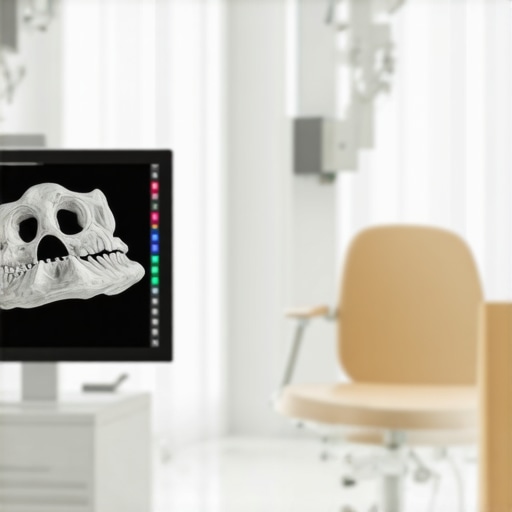
The truth about alignment and muscle fatigue
We also need to look at how your overall bite structure contributes to that ‘lead jaw’ feeling. Many people believe cosmetic dentistry myths debunked by top dentists only apply to those seeking a ‘Hollywood’ look. However, functional alignment is the foundation of comfort. If your bite is off, your jaw muscles are already operating at a deficit. This is why why your Invisalign trays feel tighter on some days than others is often more about your facial muscles being stressed than the actual plastic moving. When your teeth are aligned correctly, your jaw can finally find a true resting position, making those hour-long cleaning appointments far less taxing on your system.
Avoid the DIY ‘prep’ trap
I have seen patients try to ‘prepare’ for their cleaning by over-brushing or even experimenting with the truth about oil pulling and its effect on your dental implants or natural teeth right before their visit. They think it makes the hygienist’s job easier, but it often does the opposite. Oil pulling, for instance, can leave a microscopic film that makes it harder for scaling tools to grip tartar efficiently. This ‘oops’ factor leads to the hygienist having to use more manual pressure and taking longer to finish, which directly translates to more time with your jaw locked open. The real secret to a pain-free visit is maintaining your teeth cleaning routine for long-term health consistently so the professional doesn’t have to work as hard. Have you ever fallen into the trap of being a ‘perfect’—and then perfectly sore—patient? Let me know in the comments.I’ve found that the best way to avoid the trauma of a heavy jaw is to make sure the hygienist has less work to do during your visit. My secret weapon isn’t a manual brush—it’s an ultrasonic toothbrush with a built-in pressure sensor. I personally use the Philips Sonicare ProtectiveClean series because it mimics the high-frequency vibrations of professional scaling tools. According to a study published in the Journal of Clinical Periodontology, these ultrasonic vibrations are significantly more effective at disrupting biofilm in hard-to-reach areas than manual scrubbing alone. When I use this consistently, I notice that the reason your teeth feel furry only hours after a professional cleaning starts to disappear because I am actually managing the plaque at a microscopic level every morning. 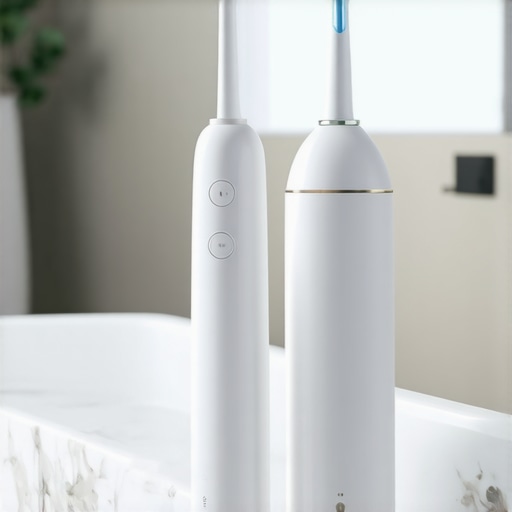
How do I maintain a bright smile over time?
Consistency is the boring answer, but it is the only one that actually works. I have started carrying a dedicated maintenance kit for whenever I am out of the house. If you are a caffeine addict like me, you absolutely need the coffee lover’s secret to preventing deep enamel stains, which is essentially a quick water rinse immediately after your last sip to neutralize acidity. For those of us who have finished aligner treatment, invisalign maintenance expert tips for clear confident smiles are non-negotiable. I now use a dedicated ultrasonic pod for my retainers—the same technology dentists use for cleaning dentures—to blast away the calcified bacteria that a standard toothbrush simply cannot reach. It completely stops that weird ‘old plastic’ smell that usually develops after a few weeks of wear. Looking toward 2025 and beyond, I suspect we are going to see a massive shift toward AI-integrated remote monitoring. We are already seeing modern teeth cleaning innovations that allow you to scan your teeth with a smartphone attachment to check for gum recession or plaque buildup before it becomes a painful cavity. In the near future, your maintenance won’t just be a twice-a-year visit; it will be a constant digital feedback loop with your clinic. When you are choosing the right dentist for your journey, ask them if they support teledentistry apps. It saves your jaw the unnecessary stress of ‘check-in’ appointments that could have been handled from your couch. If you really want to level up your routine today, stop using standard string floss and switch to a high-powered water flosser. It reaches the deep pockets where regular teeth cleaning can prevent major dental issues, but it does so without the physical strain on your gums. Try filling yours with lukewarm water and a splash of antiseptic mouthwash tonight—your gums will feel the difference by morning.
I Spent Years Suffering in Silence Before Realizing This
Looking back at my years of dental anxiety, the biggest shift wasn’t the technology—it was my own mindset. I used to think that being a ‘good’ patient meant staying perfectly still and silent while my face throbbed. Here is the lesson I learned the hard way: that silence is exactly what leads to that lead-jaw sensation. When you realize that maintaining your teeth cleaning routine for long-term health is a collaborative partnership rather than an endurance test, the physical toll drops drastically. I have also learned that ‘deep’ doesn’t have to mean ‘painful.’ Buying into teeth cleaning myths debunked by top dentists—like the idea that it has to hurt to work—is what kept me from asking for the breaks I actually needed.
The Only Gear I Trust for a Pain-Free Smile
If you’re tired of the post-appointment ache, you have to change your home-care strategy to ensure your hygienist has a smoother path. My daily kit revolves around making the professional’s job effortless by minimizing tartar before I ever sit in the chair. #IMAGE_PLACEHOLDER_E# I swear by high-frequency vibrations to handle the heavy lifting of biofilm. To keep things bright without using abrasive grits, I always use the coffee lover’s secret to preventing deep enamel stains, which is simply neutralizing the acidity with water immediately after drinking. Finally, I never neglect invisalign maintenance expert tips for clear confident smiles, because a clean retainer means less bacteria for the dentist to fight during your hour in the chair.
Your Next Appointment Can Actually Be Relaxing
It might sound like a stretch, but when you take control of your physical comfort, the dentist’s office stops being a place you dread. It all starts with finding a dentist who gets your smile and respects your need for a bit of jaw rest. When you prioritize your joint health just as much as your white enamel, you aren’t just protecting your teeth—you’re protecting your quality of life. Your teeth cleaning experience should be the refreshing reset your oral health deserves, not a muscle-straining ordeal. Have you ever felt like your jaw was ‘locked’ for hours after a visit, or have you found a specific trick that helps you relax in the chair? Let me know below!