
I remember the exact moment I decided I was done with my whistle gap. It was at a summer barbecue, and someone told a joke that had me laughing until I practically choked. In the group photo afterwards, all I could see was that dark sliver of space between my two front teeth. I felt like a cartoon character. I had spent years telling myself it was character, but honestly, it was just a nuisance that made me self-conscious every time I opened my mouth. I wanted it gone, but I did not want the two-year commitment of metal braces or the high cost of veneers. That is when I stumbled onto the world of dental bonding, and let me tell you, it changed everything for me without the drama of a major surgery. Today, I am going to walk you through how we use composite resin to bridge that gap and give you the smile you have been practicing in the mirror.
The Simple Magic of Sculpting Your Smile
In my early days of worrying about my teeth, I made a massive mistake: I tried those DIY gap-bands I saw on a late-night forum. I thought I could just force the teeth together myself. Spoiler alert: do not ever do that. It is dangerous and can cause permanent damage to your roots. When I finally sat in a proper chair, I learned about cosmetic dentistry trends that are way more effective and safe. Composite resin is basically a high-tech, tooth-colored putty that your dentist shapes right onto your enamel. It is an incredible way to handle how we close the gap between your front teeth in a single visit. No drills, no numbing needles in most cases, just some clever artistry. According to the American Dental Association, composite resins are uniquely beneficial because they bond directly to the tooth structure, allowing your dentist to preserve almost all of your natural enamel while still creating a seamless look. It is the ultimate neighborly advice for your mouth: why over-complicate things when a bit of resin can do the trick?
Does this material really stay put?
A huge fear of mine was that I would take one bite of a crisp apple and my new smile would just snap off. I was also worried about how to know if your dental bonding is stained or actually decaying over time. The reality is that while resin is not as bulletproof as porcelain, it is incredibly resilient if you treat it right. By maintaining your teeth cleaning routine and avoiding using your teeth as tools—no opening chip bags with your mouth!—that bond can look fresh for years. Have you ever caught yourself hiding your smile in photos because of a tiny gap you wish would just disappear? Let’s dive into what the actual process looks like so you can decide if it’s right for you.
The Step-by-Step Road to a Gapless Smile
Before the magic happens, your dentist has to play color match. I remember sitting in the chair while my dentist held up a fan of tiny porcelain teeth against my own. I pointed to the brightest, whitest one, thinking I’d get a ‘Hollywood’ upgrade, but she gently laughed and told me it would look like I had a piece of white gum stuck to my front teeth. We eventually found a shade that matched my slightly-off-white natural enamel perfectly. This is crucial because, unlike cosmetic dentistry for discolored teeth which often treats the whole smile, bonding has to blend into what is already there to look convincing.
Get the Canvas Ready First
To ensure the resin sticks, the surface of your tooth must be immaculate. This usually starts with a quick cleaning. While maintaining your teeth cleaning routine at home is vital for general health, the dentist needs to remove every microscopic bit of plaque where the resin will go during this specific visit. If you are currently comparing Invisalign vs traditional braces, you’re looking at months of movement, but with bonding, the preparation and execution happen in less than an hour. No heavy machinery is required—just a clean surface and a steady hand.
Why Etching is Like Liquid Velcro
Once the tooth is clean, the dentist applies a mild acidic gel to the sides of the teeth facing the gap. This sounds scary, but it doesn’t hurt; it simply roughens the surface on a microscopic level. Think of it like sanding a smooth piece of wood before applying glue; it creates tiny ‘hooks’ for the bonding agent to grab onto. This etching is what prevents your new smile from just sliding off the first time you bite into a sandwich. After the gel is rinsed away, a liquid bonding agent is brushed on, acting as the ultimate primer. I remember the air hitting those etched spots felt a little cold, but it was over in seconds.
Shaping the Resin Like a Master Artist
Now comes the core technique: the application of the composite resin itself. The dentist applies the putty-like material in thin layers, slowly building it out from the sides of your two front teeth until they meet in the middle. 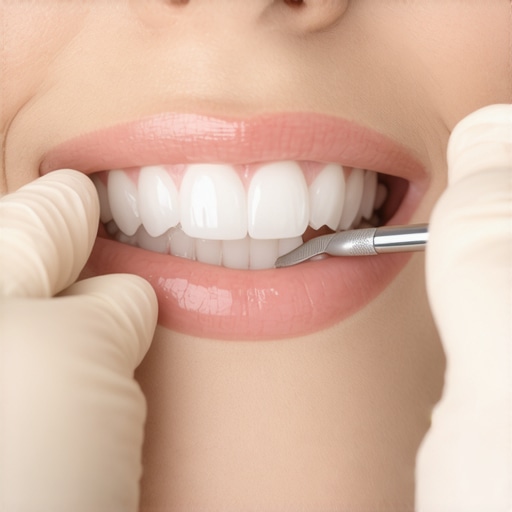 This is where the artistry really kicks in. They aren’t just filling a hole; they are recreating the natural curves and light-reflecting properties of a real tooth. This same technique is used for how we fix black triangles between your teeth without bulky crowns, ensuring the gums look natural and healthy. After the shape is perfect, a high-intensity blue light ‘cures’ or hardens the resin in seconds. I found the clicking sound of the curing light to be the most satisfying part—every click meant my gap was becoming a permanent part of my history. To finish, they use fine polishing discs to make sure the texture feels smooth to your tongue. The goal is how we match the exact texture of your natural teeth with a porcelain veneer, making the transition between your tooth and the resin completely invisible to the naked eye.
While that one-hour transformation feels like magic, there is a nuance most dentists do not spend enough time explaining: bonding is not a ‘fix and forget’ solution. In fact, I would argue that maintaining bonded teeth actually requires a more tactical approach than natural enamel. Most people think that once the gap is closed, they can go back to their old habits. However, resin is porous in a way that natural enamel is not. If you are not careful, that beautiful new smile can become a magnet for stains that a regular toothbrush simply cannot reach. This is where modern teeth cleaning innovations become your best friend, as they are designed to manage the biofilm that tends to accumulate right at the seam where the tooth meets the resin.
Don’t Bleach Your Way Into a Two-Tone Smile
One of the biggest ‘oops’ factors I see involves the DIY whitening trap. Imagine this: you get your gap bonded, it looks perfect, but six months later you decide your whole smile could be a few shades whiter. You grab a high-strength whitening kit, but here is the catch—composite resin does not bleach. While your natural teeth get brighter, your bonding stays the exact same color, leaving you with a mismatched, patchy look. This is one of the most common cosmetic dentistry myths; the idea that ‘white is white’ regardless of the material. If you want to brighten your smile, you must do it before the bonding appointment or be prepared to have the resin replaced to match your new shade. This is a crucial step in the ultimate guide to teeth whitening that many people miss until it is too late.
How do you tell if your bond is just stained or actually failing?
It is a question that keeps a lot of patients up at night. You notice a tiny dark line at the edge of your bonding. Is it just a bit of coffee from this morning, or is the material pulling away? This is where ‘marginal integrity’ comes into play. According to a 2021 study in the Journal of Conservative Dentistry, the primary cause of aesthetic failure in composite restorations is the breakdown of the seal between the resin and the tooth. This microscopic gap allows bacteria and food particles to seep underneath. If you are wondering how to know if your dental bonding is stained or actually decaying, look at the color and the location. Surface stains from tea or red wine usually sit on top of the material, whereas decay often looks like a dark, grayish shadow creeping from underneath the edge. 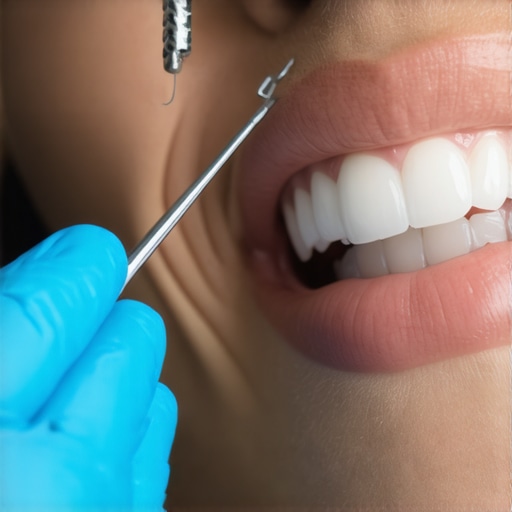
The One Habit That Actually Keeps Resin From Popping Off
Most patients believe that avoidng ‘hard foods’ is the only rule. But the real danger isn’t a carrot; it’s the ‘shear force’ of how you use your mouth. While choosing the best Invisalign options might be better for structural bite issues, bonding is purely aesthetic and lacks the same structural support. If you have a habit of biting your nails or holding pens in your teeth, you are applying lateral pressure that composite resin was never designed to handle. I have seen bonds that lasted ten years and bonds that lasted ten days, and the difference is almost always found in maintaining your teeth cleaning routine while eliminating these micro-stressors. Have you ever fallen into the trap of thinking a cosmetic fix meant you could slack on your oral hygiene or use your teeth as tools? Let me know in the comments below! It’s a common pitfall, but one that is easily avoided with a little awareness.
The Gear That Actually Protects Your Resin
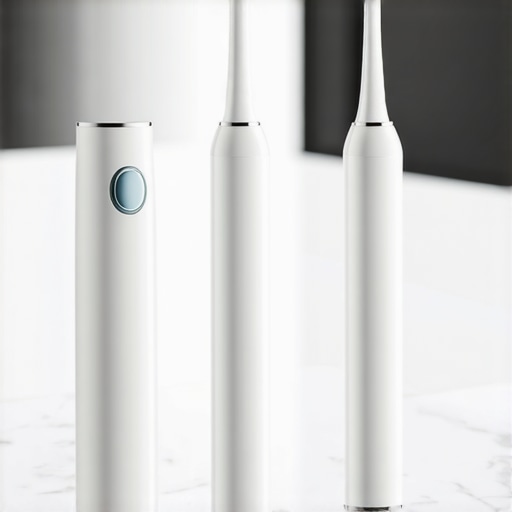
I learned the hard way that not all toothbrushes are created equal once you have composite resin in your mouth. If you are using a medium or hard-bristled brush, you are essentially taking sandpaper to your investment every single morning. I personally switched to a high-end sonic toothbrush with a built-in pressure sensor. Why? Because resin, while incredibly strong, is still slightly softer than natural enamel. A 2022 report in the Journal of Dentistry highlighted that the surface gloss of nano-filled composites—the high-tech material we use for bonding—is significantly better preserved when using oscillating-rotating power toothbrushes with soft bristles compared to aggressive manual scrubbing. When you utilize modern teeth cleaning innovations, you are not just cleaning; you are preserving the specific light-reflecting quality of the tooth.
Another tool I swear by is the water flosser. While standard string flossing is non-negotiable for general health, it can occasionally snag on the microscopic edge of the resin if the bond isn’t perfectly flush. Over time, that constant tugging can create a tiny ‘ledge’ where bacteria hide. A water flosser clears out debris using hydraulic pressure, which is far gentler on the bonded interface. This approach mirrors many Invisalign maintenance expert tips that focus on avoiding mechanical stress. If you are already managing teeth cleaning for sensitive teeth, this setup is a double win: it keeps your gums from receding while protecting the bond from premature wear.
How do I maintain my dental bonding for the next decade?
The real secret to longevity is the ‘re-polish’ appointment. Most people think their dental check-ups are just for cavity hunting, but for someone with bonding, it is about surface management. Every six months, ask your hygienist to use a non-abrasive aluminum oxide polishing paste. This specific grit is designed to buff out the micro-scratches that make resin look dull over time. By how regular teeth cleaning can prevent major dental issues, you are essentially giving your dentist a chance to perform a ‘clear-coat’ refresh. If they spot a tiny stain or a minor rough patch early, they can smooth it out in seconds. If you wait three years, that stain might penetrate too deep, forcing a full replacement. You should also be wary of certain products; the truth about charcoal toothpaste is that it is far too abrasive for resin and will strip the shine off your bonding in a matter of weeks.
Smart Composites are the Next Big Thing
I am closely watching the development of ‘bio-active’ composites. I predict that by 2026, cosmetic dentistry trends that transform smiles beyond expectations will feature resins that can actually release minerals to help protect the surrounding enamel. We might even see materials that subtly change shade to warn you if your mouth’s pH level is too acidic. This level of technology will elevate the secret to a Hollywood smile from a purely aesthetic fix to a functional health booster. We are moving away from ‘static’ fillings and toward materials that interact with your biology to stay cleaner and stronger for longer.
My advanced tip for you today is simple but transformative: swap your current mouthwash for a pH-neutral, alcohol-free version. Alcohol is a solvent; over years of use, it can slightly plasticize the surface of composite resin, making it more porous and prone to picking up coffee or wine stains. Switching to a xylitol-based, alcohol-free rinse is a tiny habit that adds years of vibrancy to your smile. Check the labels in your bathroom tonight—you might be surprised by what’s in there!
The Realities of Bonding I Wish Someone Had Shared Sooner
First, your tongue is a creature of habit. For the first two days after your procedure, it will feel like there is a foreign object in your mouth simply because that gap is gone. Don’t panic; this is just your brain recalibrating to your new anatomy. Second, you have to be mindful of shear force. While natural teeth can handle a bit of twisting, composite resin is most vulnerable to sideways pressure. I always tell people to slice their apples or corn instead of biting directly into them to keep that bond secure. Finally, remember that bonding is a living restoration that picks up the character of your lifestyle. If you are a heavy red wine drinker, your bonding will reflect that faster than your enamel will, making how regular teeth cleaning can prevent major dental issues a vital part of your long-term success.
My Go-To Tools for Protecting Your Investment
If you want to keep that Hollywood shine, I highly recommend investing in a high-quality water flosser. It provides deep cleaning without the mechanical tugging that can sometimes snag on the microscopic edge of the resin. I also swear by pH-neutral mouthwashes. Many people do not realize that acidic or alcohol-based rinses can slowly degrade the luster of the resin over years. Lastly, before you commit, I suggest looking through the ultimate guide to teeth whitening to ensure your base tooth color is exactly where you want it before the resin is applied, as the material will not change color once it is set.
It Is Time to Stop Hiding Behind Your Hand
Choosing to fix my gap was not just about the aesthetics; it was about the relief of not having to think twice before I laughed or spoke. Whether you decide that how we close the gap with bonding is right for you, or you are still choosing the best Invisalign options, the goal is a smile that feels authentically like you. You deserve to walk into a room with the confidence that your teeth are reflecting the best version of yourself. Have you ever felt held back by a small dental imperfection, and what is the one thing stopping you from fixing it today? Let me know in the comments below!