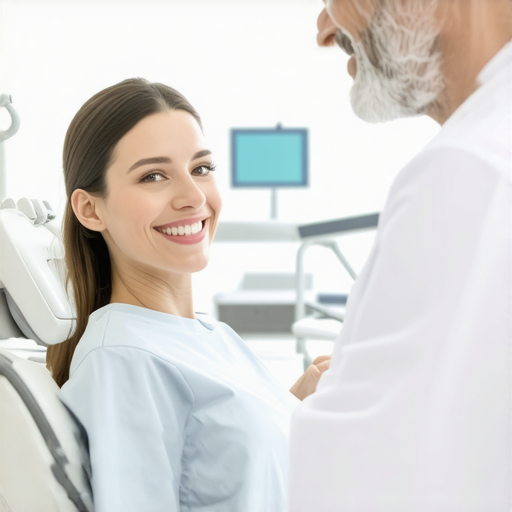

I’ll never forget the day I sat in the dental chair, eagerly awaiting my routine cleaning, only to realize I hadn’t truly understood what was lurking beneath the surface of my gums. The dentist casually mentioned, “There are new bacteria tests we can perform that might reveal hidden issues you didn’t even know were there.” That lightbulb moment hit me hard—been ignoring the silent culprits all along! Since then, I’ve become obsessed with staying ahead of dental health risks, especially with 2026 approaching and new testing methods evolving rapidly.
Why You Need to Know About These Cutting-Edge Bacteria Tests
As someone passionate about maintaining a healthy, radiant smile, I can tell you firsthand that traditional teeth cleanings aren’t enough anymore. These innovative bacteria tests are game-changers—they allow your dentist to detect hidden bacterial strains that can cause cavities, gum disease, and even impact your overall health. Particularly as we head into 2026, dental technology is taking giant leaps, and avoiding these tests could mean missing early warning signs of trouble. In fact, recent studies show that undetected bacteria can contribute to systemic issues, linking oral health directly to heart disease and diabetes (source). Curious whether your upcoming teeth cleaning includes these vital tests? Let’s explore what they are and why they matter so much.
Is the Hype About Bacteria Testing Overblown?
I’ll admit, I was skeptical at first. I wondered if these advanced tests were just a marketing gimmick, or if they truly offered significant benefits over standard procedures. I made the mistake early on of dismissing them, assuming a good cleaning was enough. But after experiencing a slight gum sensitivity that went unnoticed, I realized how crucial early detection is. Failures like this taught me to be more proactive. So, if you’ve ever questioned whether all these new tests are worth the effort, I understand. The truth is, they can reveal what your eyes and regular exams might miss—leading to targeted treatments that save you time, discomfort, and money in the long run.
Before heading to the dentist, jot down any symptoms, even minor gum sensitivities or unusual taste changes. This prepares you to discuss potential issues that bacteria tests might reveal. For example, during my last visit, I remembered a recent episode of persistent bad breath, which prompted my dentist to perform advanced bacteria testing, leading to early detection of harmful bacterial buildup.
When in the chair, don’t hesitate to ask, “Will you be performing bacteria testing today?” If not, inquire about the benefits of scheduling such tests. I learned that some practices skip them due to time constraints, but understanding their value helped me advocate for comprehensive care. Know that these tests detect dangerous bacterial strains causing gum disease and other health issues, making them worth requesting.
Request a clear explanation of how the bacteriological analysis is conducted. Typically, a small swab is taken from your gums or teeth surfaces, then sent to a lab for analysis, which can take a few days. Recognizing this process helped me set realistic expectations and plan follow-up visits accordingly. This step is crucial to ensure your dentist is actively monitoring for bacteria linked to systemic diseases.
While waiting for results, reinforce daily habits like brushing twice, flossing, and using antimicrobial mouthwash. I found that incorporating an antibacterial rinse with chlorhexidine reduced bacterial load even before test results, complementing the dentist’s efforts. Consistency here enhances the accuracy of results and helps prevent bacterial proliferation.
Once your results are in, review them with your dentist carefully. Ask, “What do these bacteria levels mean for my overall health?” and request tailored recommendations. In my case, the analysis showed early signs of periodontal bacteria, prompting me to upgrade my cleaning schedule and consider cosmetic options like whitening or veneers, per cosmetic dentistry innovations. This proactive approach allows targeted interventions that preserve your smile and health.
Schedule regular bacteria testing as part of your routine assessments, especially since new tech promises faster, more accurate results. I now set reminders to ensure I don’t skip my biannual checkups, integrating advances that might include next-generation saliva tests or biofilm assessments, as highlighted in future orthodontic tech. Staying ahead with these steps helps maintain a resilient, healthy smile for years to come.
Many people assume that any dentist can handle cosmetic procedures or that a straightforward teeth cleaning is all that’s needed for a dazzling smile. However, in my experience, misconceptions and superficial approaches often lead to subpar results. A common myth is that all whitening treatments are the same; in reality, various techniques like laser whitening or custom trays can make a significant difference in longevity and safety (source). Even within cosmetic dentistry, the subtle nuances—such as tooth translucency and gum line symmetry—play a crucial role in achieving that natural, Hollywood-like result. Overlooking these details can leave you with an artificially perfect look that doesn’t match your facial features, which is counterproductive. When it comes to teeth cleaning, many believe more aggressive cleaning equals better hygiene. But, aggressive scaling can damage enamel if not performed with precision. Recent advancements emphasize minimally invasive techniques that preserve tooth structure while removing plaque and biofilm effectively. For instance, air polishing can be a gentler yet deeper cleaning alternative (see how this tech is revolutionizing cleanings). Now, let’s challenge a popular misconception about Invisalign that many think is just for teens or that it’s too slow to be effective.
Streamlining Maintenance with the Right Technology
Maintaining a healthy smile over the years demands more than routine brushing and flossing. Investing in advanced tools can make a significant difference. Personally, I rely on the AirFloss by Philips, which uses micro-droplet technology to remove plaque from hard-to-reach areas with minimal discomfort. Its efficiency encourages consistent use, leading to better long-term results. Beyond that, I incorporate electric toothbrushes equipped with timers and pressure sensors, such as the Oral-B Genius series, to ensure proper brushing technique and duration. These devices provide real-time feedback, helping me avoid common mistakes like brushing too vigorously or uneven coverage.
Tech-Driven Monitoring for Optimal Results
Another game-changer is the use of saliva testing kits at home, which analyze bacterial DNA to identify potential risks before symptoms appear. Although traditionally limited to professional settings, newer FDA-approved kits now allow patients to monitor their oral microbiome and share data with their dentist for tailored treatment plans. This proactive approach aligns well with the future of dentistry, where personalized care becomes routine.
How do I maintain these tools over time?
Regular cleaning and timely replacement are crucial. For instance, electric toothbrush heads should be replaced every three months, as recommended by privacy policies. Similarly, air floss nozzles need periodic disinfection to prevent bacterial buildup. I also schedule biannual check-ins with my dental professional to assess the condition of my tools and receive updated recommendations, especially as new innovations emerge. Staying on top of maintenance ensures these devices continue to function optimally, supporting your dental health goals. As technology advances, integration of AI-powered apps for tracking oral health metrics is poised to become standard, making long-term maintenance even more intuitive.
For example, apps like MySmileCheck analyze photos of your teeth to monitor alignment progress, especially useful for Invisalign users (source). Early data suggests these tools may reduce appointment frequency and improve outcomes by enabling dentists to intervene promptly if issues arise. I highly recommend trying out a smart brushing system or saliva kit to take your maintenance routine to the next level — small investments with big rewards.
The Hardest Lesson I Learned About Dental Tech and Preventive Care
One of the most profound lessons I uncovered was the importance of embracing innovative testing methods early. Initially, I believed that routine cleanings sufficed, but overlooked the silent bacterial threats lurking beneath the surface. When I started requesting detailed bacterial analyses, I realized that proactive detection could save me from bigger issues down the line—something I wish I had prioritized sooner.
My Eye-Opening Experience with At-Home Saliva Testing
Discovering home saliva kits that analyze my oral microbiome was a game-changer. They not only empowered me to monitor bacterial levels but also allowed my dentist to tailor treatments precisely. This personalized approach underscored how integrating technology into daily routines dramatically enhances long-term dental health, especially as new tools become widely accessible in 2026.
Challenging My Assumptions About Cosmetic Enhancements
I once thought that all whitening treatments or veneers were equally effective. However, understanding the nuances—like laser versus tray whitening—revealed that informed choices can vastly improve results and longevity. Recognizing the subtle intricacies, such as gum line symmetry and translucency, helped me achieve a natural, Hollywood-ready smile without overdoing it.
Learning to Advocate for My Dental Needs with Confidence
Early on, I hesitated to ask detailed questions about testing procedures or advanced techniques. But empowering myself to inquire about biofilm assessments or AI-integrated treatments resulted in more comprehensive care. This lesson in advocacy reminded me that being well-informed enables better decision-making and optimal outcomes in cosmetic and general dentistry.
Investing in Tools and Habits That Support My Oral Health Journey
From electric toothbrushes with smart sensors to antibacterial rinses, choosing the right tools made a tangible difference. These investments, coupled with scheduled maintenance and regular check-ins, created a strong foundation for ongoing dental wellness. As technology continues to evolve, staying proactive with these habits ensures I maximize every innovation for a radiant smile.