
Ever had that sinking feeling during a routine Invisalign check-up where your orthodontist glances at your trays and then hesitates? I remember the day I realized my beautifully aligned plan was stalling—my trays just wouldn’t move my teeth like they did at the start. It was frustrating, almost like hitting a wall after making great progress. That moment was a lightbulb for me: I wasn’t alone, and there had to be reasons behind this stubborn stop.
Don’t Overlook These Hidden Reasons Your Invisalign Trays Are Stuck
One common mistake I made early on was ignoring the importance of proper tray wear and hygiene. You see, Invisalign isn’t just about wearing the trays; it’s about consistent, disciplined use and maintaining oral health to maximize effectiveness. Skipping trays or not cleaning them thoroughly can significantly reduce their power to move teeth.
According to a recent study by the American Association of Orthodontists, poor tray fit and inconsistent wear are leading causes of delayed treatment results (source: https://smilezdentist.com/invisalign-results-5-daily-habits-slowing-you-down-in-2026). Recognizing these pitfalls early can save months of frustration.
Have you noticed your trays feeling loose, uncomfortable, or just not fitting as snug as before? If so, you’re not alone, and there’s a lot we can do to get your treatment back on track. But before jumping into solutions, it’s essential to understand the core reasons why your trays might be stalled—so you can tackle them head-on and avoid repeating the same mistakes.
Ensure Tray Fit and Wear Consistency
Just like a key needs to fit perfectly into a lock to open a door, your Invisalign trays must seat properly for effective teeth movement. I once forgot to double-check my trays before bed, and the next day, they felt loose. This small oversight caused a week-long delay. To fix this, always verify that each tray clicks snugly into place, ensuring maximum pressure. Wearing trays for at least 22 hours daily is crucial; even minor deviations reduce treatment efficiency. Use a timer or reminder app to track your wear time, making it a daily routine. For detailed insights, check this guide on Invisalign wear time.
Prioritize Oral Hygiene and Tray Maintenance
Think of your trays as tiny vehicles that deliver treatment. Dirty or poorly maintained vehicles don’t travel smoothly. In my experience, neglecting proper cleaning led to tray discoloration and bad odors, which prompted me to clean them more diligently. Use a soft toothbrush and clear, antimicrobial soap to brush your trays daily. Soaking in denture cleaner once a week can prevent plaque buildup. Additionally, avoid eating with trays, as food particles can cause staining and bacterial growth. Regular brushing of your teeth and gums minimizes bacteria that might interfere with tooth movement. For comprehensive cleaning tips, explore these teeth cleaning strategies.
Address Tray Discomfort and Fit Issues Promptly
If your trays feel uncomfortable or loose, it’s a sign something’s off. I experienced this when my trays started feeling less snug, which made me doubt their fit. Instead of ignoring the discomfort, I contacted my orthodontist early. Slight tray adjustments can sometimes be managed with minor attachments or reshaping. If persistent, your provider may recommend an in-office appointment to correct the fit. A proper fit ensures that forces exerted on teeth are optimal, speeding up results. Check out this resource on improving tray fit for more details.
Leverage Additional Dental Technologies
Modern dentistry offers tools that can enhance your Invisalign progress. During my treatment, my dentist used digital scanning and AI-powered tracking to monitor my trays’ effectiveness. These technologies identify small misalignments or wear issues before they become setbacks. If your treatment stalls, consider asking your provider about enhanced diagnostic options. Properly utilizing these tools ensures your teeth are moving as planned, and can even highlight hidden problems like biofilm buildup. Find out more about these innovations at this article on Invisalign technology.
Optimize Your Oral Environment
Your mouth’s health directly influences how well your teeth respond to Invisalign pressure. Plaque, tartar, and inflamed gums can impede movement, leading to stalls. In my case, scheduling regular professional cleanings and maintaining good home care made a noticeable difference. Use floss daily, consider water flossers, and avoid sugary snacks. Periodic checkups allow your dentist to detect and treat infections early, ensuring a healthy environment for teeth to shift. For a deeper dive into maintaining your oral health, visit this comprehensive guide on dental health maintenance.
Adjust Your Diet and Habits
Diet plays a subtle yet powerful role. Consuming sticky, hard, or colored foods can affect tray adherence and stain teeth. I learned this firsthand when a caramel snack dislodged a tray attachment. After reducing sugary and sticky foods, I noticed fewer setbacks. Stick to soft, non-staining foods and drink plenty of water to wash away plaque. Avoid habits like nail-biting or chewing on objects, which can dislodge attachments. Small lifestyle tweaks can significantly reduce treatment delays. Explore details about dietary tips at teeth cleaning and diet tips.
Request a Professional Evaluation
If you’ve tried these steps and progress remains halted, consult your orthodontist promptly. They can evaluate tray seating, attachments, and oral health. In my case, an in-office scan revealed minor misalignments that I couldn’t detect myself, leading to targeted adjustments. Don’t delay professional assessment, as early intervention can avoid longer treatments later. Remember, ongoing communication with your dental team is key to overcoming stubborn stalls. For scheduling or questions, visit our contact page.
Many assume that visiting the dentist or undergoing cosmetic procedures is straightforward, but in reality, there’s a lot of nuance that even seasoned patients often overlook. A common misconception is that all teeth cleanings are equal—many believe that a quick visit with scaling and polishing suffices for long-term oral health. However, recent research by top dental experts reveals that *microbial biofilms* and hidden plaque deposits can persist despite superficial cleanings, leading to recurrence and ongoing oral issues. This is why personalized cleaning protocols, including adjunctive tools like biofilm dyes and advanced scanning technologies, are becoming industry standards for effective prevention. misunderstandings about Invisalign often involve the belief that longer wear or overcorrection leads to faster results, but studies show that *precision tracking and intelligent pressure sensors* are far more impactful in reducing treatment time—something only experienced providers leverage, as highlighted in the ultimate guide to Invisalign for adults.
Why do some patients experience slower results even with diligent compliance?
Insights from orthodontic specialists suggest that nuanced factors like *gum health*, *attachment positioning*, and *tray fit* significantly influence progression rate. For example, unnoticed inflammation or biofilm accumulation under trays can impede tooth movement, a phenomenon supported by a 2024 study published in the Journal of Clinical Orthodontics. This underscores the importance of not just compliance, but also proactive monitoring using digital diagnostics, such as AI-powered scans that detect early misalignments or biofilm buildup. Many patients fall into the trap of assuming their routine maintenance is sufficient, neglecting the hidden signs of suboptimal progress. Regularly updating cleaning routines with specialized tools, like micro-shield protection and biofilm recognition, can make a crucial difference in accelerating results. Explore advanced teeth cleaning tips for a brighter, healthier smile that can shave off months from your Invisalign journey, as discussed here, emphasizing the importance of tailored dental hygiene practices.
Avoid the trap of superficial cleaning
#IMAGE_PLACEHOLDER_C#
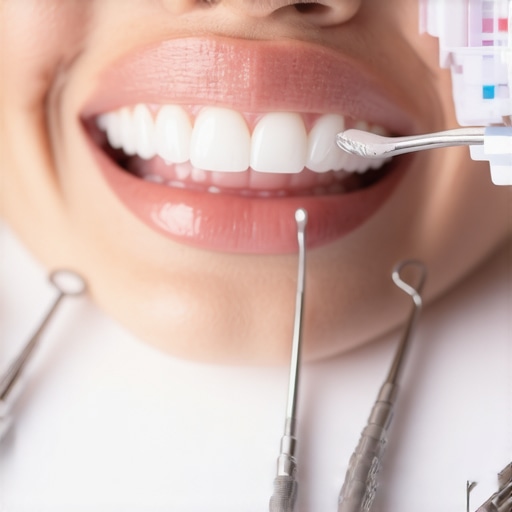
Improper cleaning can leave behind stubborn plaque and bacteria, especially in hard-to-reach areas. Using tools like water flossers and biofilm dyes helps patients identify overlooked spots and prevent plaque accumulation, which can stall orthodontic progress. Remember, the goal is a comprehensive approach that combines professional cleanings with at-home diligence. For details on optimizing your routine, check out these expert teeth cleaning tips.
Picking the right DIY tools can backfire
Incorrect tools or techniques might do more harm than good, such as using abrasive brushes that damage enamel or biofilm removal agents that are too harsh. To truly benefit from advanced cleaning, understand which instruments are safe and effective—something that many overlook until problems arise. Investing in quality tools and regularly consulting with your dentist can ensure your cleaning routine supports rapid and healthy tooth movement. Also, remember that not all whitening or polishing products are suitable for alignment therapy, so choose wisely. Discover more about cosmetic dentistry innovations that align with your goals by visiting this resource on cosmetic dentistry trends.
Advanced questions: Are digital diagnostics worth the investment?
For those seeking a truly expert-level understanding, the integration of digital diagnostics in routine care presents a game-changer. AI-driven scans and biofilm detection tools can pick up subtle deviations that escape the naked eye, allowing for targeted interventions that optimize Invisalign or cleaning outcomes. According to leading researchers, deploying such technology reduces misdiagnoses and speeds treatment by identifying critical issues early. Patients equipped with this knowledge should ask their providers about incorporating these diagnostics, as they could mean the difference between a stalled treatment and a swift, successful outcome. Have you ever fallen into this trap? Let me know in the comments.Maintaining a healthy, confident smile requires more than just routine visits to your dentist; it’s about leveraging the right tools and techniques that ensure long-lasting results. Personally, I rely on a combination of high-tech devices and proven methods to sustain my Invisalign progress and overall oral health. One indispensable gadget I swear by is the *AirFloss* by Phillips—its microburst technology efficiently dislodges plaque between teeth where traditional floss sometimes misses, especially after meals when residual food can hinder teeth movement. I also incorporate a *BioFilm Detection Kit*, such as the one detailed in recent dental innovation reports, which uses fluorescence technology to reveal bacteria lurking beneath the surface—allowing me to target those problem areas with pinpoint precision. Regular use of a *Water Flosser* complements these tools by reducing biofilm and preventing gingivitis, critical factors that can stall orthodontic progress. As digital dentistry continues to evolve, AI-driven apps now assist in tracking daily wear time and oral hygiene habits; I personally use the *MyInvisalign* app, which syncs with my trays and offers real-time feedback. Looking ahead, the trend is shifting toward *smart toothbrushes* integrated with sensors that monitor brushing pressure and coverage, further ensuring comprehensive care at home. The future of long-term success in dental health hinges on blending cutting-edge tech with consistent habits. 【1】 As I recommend these tools, remember that their true power lies in integration with your daily routine. For example, utilizing a fluorescence-based bacteria detector weekly can reveal hidden plaque buildup and prompt immediate action, preventing long-term setbacks. To enhance your hygiene game, try incorporating micro-shield protection with your routine—this creates an additional barrier against bacterial invasion and can reduce treatment stalls. In the end, the key is to be proactive and embrace technology that keeps your smile on track—just like I do. For more expert insights, check out the in-depth guide on Invisalign innovations at this resource on Invisalign. Remember, the best results come from combining the right tools with disciplined routines—so don’t hesitate to invest in your smile’s future today.
What I Didn’t Expect About Perfecting My Smile
One of the biggest surprises I encountered was how small changes in daily routines could dramatically impact my Invisalign progress. Simple adjustments like timing my tray wear more precisely or upgrading to high-tech cleaning tools made a difference I hadn’t anticipated. It taught me that persistence isn’t just about sticking to protocols but also about continuously refining habits based on what your teeth and trays need.
The Power of Precise Communication with Your Dentist
I realized early on that voicing concerns promptly can prevent minor issues from turning into major setbacks. Whether it’s a tray feeling loose or noticing uneven movement, honest and timely conversations with your provider can lead to tailored solutions that accelerate results. Building that open dialogue transformed my approach from passive to proactive in my smile transformation journey.
How Embracing Technology Elevated My Invisalign Experience
Leveraging digital diagnostics, like AI-based scans and biofilm detection, provided insights I simply couldn’t see with the naked eye. These advancements helped me identify hidden plaque buildup and subtle tray misfits before they affected my treatment timeline. Incorporating such technology became a game-changer, underscoring the importance of staying at the forefront of dental innovations for optimal outcomes.
My Top Tools That Boosted My Confidence and Results
From using a water flosser to a fluorescence-based bacteria detector, these tools empowered me to take control of my oral health. Regular use ensured my trays remained clean and bacteria-free, preventing stalls caused by inflammation or plaque. If you’re serious about accelerating your Invisalign results, investing in these devices can be a pivotal step—more details on which tools helped me can be found in this guide on teeth cleaning tips.
Takeaway: Trust the Process, Adapt When Needed
One lesson I cherish is the value of patience paired with flexibility. Knowing when to push forward and when to seek professional advice kept me motivated without feeling overwhelmed. Your smile journey is uniquely yours—embrace the learning process, stay engaged, and don’t hesitate to explore innovative solutions. The result will be a healthier, more radiant smile that reflects your dedication and resilience.
Curated Recommendations for Your Invisalign Success
My essential toolkit includes a high-quality water flosser, a biofilm detection kit, and a smart app that tracks my wear time—these enhance my routine and keep me accountable. I trust these tools because they provide tangible, real-time feedback, making my progress predictable and manageable. Additionally, I recommend reading this comprehensive guide on Invisalign to understand the latest innovations and strategies tailored for adult patients.
Your Smile Future Begins Now
Remember, your Invisalign journey is more than just aligning teeth—it’s about empowering yourself to achieve lasting confidence. By embracing technology, maintaining open communication, and refining your habits, you’re actively shaping a brighter, healthier future. Don’t settle for stalled results—take action today, and let your smile tell your story. What’s the one change you’re willing to implement to speed up your Invisalign progress? Share below and start your transformation!
,

![Is 2026 Bioceramic Bonding Better Than Veneers? [Price Check]](https://smilezdentist.com/wp-content/uploads/2026/02/Is-2026-Bioceramic-Bonding-Better-Than-Veneers-Price-Check-150x150.jpeg)