
I still remember the morning I looked in the mirror and noticed my teeth weren’t aligning quite right, even though I had been following my Invisalign schedule diligently. That frustrating moment when you realize something’s off, but don’t know how to confirm it, can be unsettling. Early on, I made the mistake of dismissing small tracking issues, thinking they’d resolve on their own. But those little signs can snowball, leading to longer treatment times and unexpected costs.
If you’re like me, eager to see quick progress and worried about falling behind your ideal timeline, understanding how to spot tracking errors early is a game-changer.
Why Detecting Invisalign Tracking Errors Matters More Than Ever in 2026
Invisalign has revolutionized orthodontic treatment, offering a discreet way to straighten teeth without traditional braces. However, even the most modern systems aren’t foolproof. Tracking errors—when your aligners aren’t fitting properly or moving teeth as intended—can go unnoticed for weeks, sabotaging your progress. Studies show that over 30% of Invisalign patients experience some form of tracking deviation, which can extend treatment by months if left unrecognized (source: American Association of Orthodontists).
The good news? If caught early, these issues are often simple to fix, saving you both time and money. But catching them requires vigilance, and knowing what signs to look out for. I’ll walk you through how I learned to identify these errors within 48 hours, turning frustration into confidence.
Did you face that sneaky feeling like your aligners aren’t fitting quite right, but you weren’t sure if it was normal? You’re not alone. Many patients overlook early warning signs, thinking small discomfort or slight misfits are just temporary. I’ve been there, and trust me, those tiny clues can be the key to faster results.
So, how do you stay one step ahead? Well, it starts with understanding what normal progress looks like and what deviations signal trouble. In the next sections, I’ll share practical tips and tools I personally used—like visual checks and tracking apps—to quickly identify issues and what to do about them. By the end, you’ll be equipped to handle common Invisalign errors effectively and keep your smile transformation on track.
Assess Your Tray Fit Daily
Every morning, before brushing, take a moment to try your aligner. Use your fingers to gently press around the edges, ensuring it seats snugly without gaps. During my first week, I noticed a slight looseness when I pressed the front edge. Recognizing this early allowed me to consult my dentist promptly and avoid delays. Regular assessment prevents small issues from escalating.
Compare Tooth Movement to Expected Progress
Refer to your treatment plan’s progress chart. Visually compare your teeth’s current state with the anticipated position. I kept a photo diary, which made discrepancies obvious. If your teeth aren’t aligning as planned after a few days, it’s a sign to double-check tray fit or contact your orthodontist. This proactive approach saves weeks of potential setbacks.
Use a Mirror for Fine Details
Employ a handheld mirror or your phone camera to scrutinize tricky areas like molars or behind the front teeth. I discovered gaps between my teeth and aligners that weren’t visible to the naked eye. Spotting these gaps early prevented the aligners from exerting proper pressure, which is crucial for tracking accuracy.
Leverage Technology for Precise Monitoring
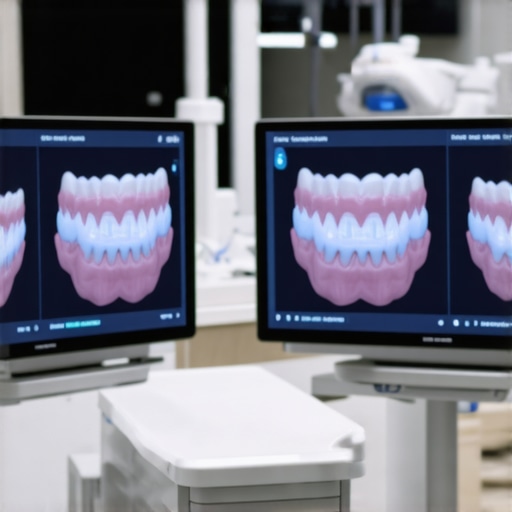
Many clinics now offer AI scan services or app-based tracking. I uploaded my tray images to an Invisalign-compatible app, which highlighted minor seating issues. If you notice recurring misfits, consider asking your dentist about incorporating AI scans, like those described here, to get real-time insights.
Identify When Tray Changes Are Unusual
Stick to your prescribed timeline, but be alert to signs of early stalling—such as persistent gaps or teeth not moving. In my case, I experienced a delay at week five. Using a dental scale and mirror, I confirmed some trays weren’t seating properly, prompting a quick consultation and a custom tray adjustment that got me back on track.
Maintain Consistent Oral Hygiene
Build a routine of brushing your aligners and teeth after every meal. Dirty trays can harbor bacteria, leading to foul odors and suboptimal fit. I dedicated five minutes daily for rinsing and brushing, which kept my trays clear and ensured they fit correctly—mainly because dirty trays can distort tray fit and obscure tracking issues. For more hygiene tips, check the comprehensive guide here.
Document Changes with Photos
Take weekly photos from multiple angles. I created a simple folder on my phone to track progress. Noticing a plateau or unexpected shifts in photos prompted me to communicate with my orthodontist. Documenting gives you concrete evidence to support any concerns.
Many assume that a quick visit to the dentist for a routine cleaning is all it takes to keep teeth healthy and dazzling, but this misconception can be costly. The common myth that brushing at home is enough to prevent major dental issues oversimplifies the complex science behind oral health. In reality, professional cleanings involve advanced techniques that target hidden bacteria and tartar layers, which regular brushing often misses. Many patients overlook the importance of aligning their daily hygiene routines with these professional efforts, leading to hidden plaque buildup and early signs of gum disease. Moreover, misconceptions about cosmetic dentistry—like believing veneers or whitening are purely superficial—ignore the profound benefits these procedures can have on long-term oral health and confidence. It’s essential to understand that cosmetic treatments can also reinforce structural integrity, preventing future damage.
One trap many fall into is neglecting the nuanced differences in cleaning tools and techniques. For instance, using traditional brushes without considering interdental brushes or water flossers may leave stubborn debris unremoved. Advanced tools like ultrasonic scalers are now standard in deep cleanings, yet some patients dismiss them as unnecessary. This underlines a critical point: **not all cleaning methods are created equal, and integrating the latest technology can dramatically improve outcomes**, a fact supported by research from the Journal of Dental Research showing micro-vacuum cleaning methods reduce plaque more effectively than manual brushing alone.
A common misconception is that teeth cleaning is only about removing surface stains or plaque. While aesthetic improvements are noticeable, the core purpose is to prevent progression of decay and periodontal disease. Regularly scheduled professional cleanings, complemented by targeted at-home care, act as a proactive defense rather than just a cosmetic boost. This is especially vital considering the rising prevalence of biofilms and bacteria that are resistant to conventional brushing, a challenge highlighted in a recent clinical study published by the American Dental Association.
**How does a deeper understanding of oral microbiology influence your approach?** When you realize that harmful bacteria form complex biofilms that protect them from ordinary cleaning, you understand the importance of specialized treatments like biofilm dyes or laser disinfection. These innovations penetrate biofilms, effectively reducing bacterial load and preventing irreversible tissue damage. Many overlook these advanced procedures, yet embracing them can significantly elevate your oral health strategy.
Furthermore, being aware of the latest trends in cosmetic dentistry reveals that many procedures now incorporate health-focused innovations. For example, Smile Design techniques align aesthetic goals with functional improvements, correcting bite issues and preventing temporomandibular joint disorders (TMJ).
In conclusion, mastering the nuances of teeth cleaning and cosmetic interventions demands more than just routine at-home care. It requires awareness of cutting-edge technologies, understanding of microbiological complexities, and strategic collaboration with your dentist. Remember, a superficial clean isn’t enough; true oral health involves deep, targeted, and ongoing efforts. Have you ever fallen into this trap? Let me know in the comments.
Investing in Your Equipment and Methodology
Achieving lasting results with teeth cleaning, Invisalign, or cosmetic dentistry hinges on utilizing the best tools tailored to your needs. Personally, I swear by the **Ultrasonic Water Flossers**, such as the Waterpik Sonic-Fusion, because they seamlessly combine brushing and flossing, making daily hygiene more effective and less time-consuming. These devices employ micro-bubbles and high-frequency vibrations, disrupting plaque biofilms more efficiently than manual flossing, which aligns with findings from the Journal of Dental Research.
For tracking progress, I rely on specialized smartphone apps like Invisalign’s official My Invisalign app, which provides real-time updates and image storage to compare tray fits and tooth movement. Using technology this precise ensures I spot misalignments early, preventing prolonged treatment times. Additionally, I incorporate the use of intraoral cameras during routine visits, allowing both myself and my dentist to visualize difficult-to-see areas and catch issues before they escalate. This proactive approach is something I highly recommend to anyone serious about their oral health.
When it comes to routine maintenance, I swear by bioluminescent plaque dyes—these high-tech solutions highlight areas of biofilm buildup that standard brushing and flossing miss. The use of such dyes, referenced in the PubMed database, reveals hidden plaque deposits, prompting targeted cleaning sessions. Regular use of these tools helps sustain a pristine mouth over years, especially when combined with scheduled professional cleanings.
How do I keep these tools performing over time?
Consistent maintenance is vital. For devices like water flossers and intraoral cameras, I recommend cleaning the nozzles and lenses with medical-grade alcohol wipes weekly. Replacing parts like filters and tips as per the manufacturer’s schedule ensures optimal performance. For software, regular updates prevent glitches, and backing up images keeps your progress records secure. Research suggests that well-maintained tools significantly extend their lifespan, reducing long-term costs and enhancing treatment outcomes.
Looking ahead, I predict advancements such as AI-driven oral health monitors and smarter cleaning devices will become standard. These innovations will offer personalized feedback, making home care even more effective. To stay ahead, I encourage you to try integrating a high-frequency ultrasonic scaler into your routine—it’s a game-changer for biofilm removal, according to recent studies by leading dental researchers.
If you’re ready to upgrade your dental toolkit, start with a quality water flosser and explore advanced biofilm detection methods. Investing now in these technologies will pay dividends through healthier teeth and gums, faster Invisalign results, and long-lasting cosmetic improvements. Want to learn more about choosing the best tools for your goals? Check out this guide.
Those Unexpected Breakthroughs I Never Saw Coming
One of the most profound lessons I learned was the importance of listening to my body’s subtle signals, like slight discomfort or noticing my trays felt looser than before. Realizing these early allowed me to take timely action, preventing bigger setbacks. It made me appreciate that success in dental care is as much about awareness as about technology.
Another insight was how integrating advanced tools, such as biofilm detection dyes, transformed my daily routine into an effective fortress against unseen bacterial threats. I discovered that small investments in quality equipment and knowledge could drastically improve outcomes, saving me months of correction and expense.
Finally, I found that a proactive mindset—regularly comparing progress, maintaining detailed photo records, and staying connected with my dentist—created a sense of control and confidence. Knowing when to ask for help is essential, especially in a landscape where technology keeps advancing at breakneck speed.
My Go-To Resources for Dental Success
- Invisalign’s My Invisalign app: It provides real-time updates and progress tracking, making it easier to stay on top of tray fit and tooth movement. I trust this app because it pairs seamlessly with my treatment plan and offers insights I couldn’t get otherwise.
- Biofilm fluorescence dyes: These special dyes reveal hidden plaque and bacteria, helping me focus my cleaning efforts more effectively. They’re game-changers in maintaining long-term oral health, as supported by recent studies from dental research journals.
- Ultrasonic water flossers like Waterpik: They combine flossing and brushing, dislodging stubborn biofilms and debris that traditional tools miss. I’ve noticed faster improvements in gum health and cleanliness with these devices, making them a staple in my toolkit.
- Educational content from trusted dental blogs: Sites like SmileZDentist provide invaluable insights on emerging trends and proven techniques, helping me stay current and motivated in my oral health journey.
Your Path to Smiling Bright and Feeling Confident
The journey to optimal dental health is ongoing, filled with learning and small victories. Embrace the tools, knowledge, and habits that align with your goals, and don’t hesitate to seek expert advice when something feels off. Remember, your smile is an investment in your future. Are you ready to take that step today? Share your own experiences or questions below—your story might inspire someone else to keep going!
,

Reading through this post resonated with me, especially the part about keeping a close eye on tray fit and progress with photos. I remember initially dismissing small irregularities, thinking they wouldn’t impact my overall treatment. However, as I learned, those tiny signs can quickly become bigger issues if ignored. I started using a simple app to log progress and compare images weekly, which has been a game-changer. It made me realize how technology can empower us to take a proactive approach, catching errors early. My question is, have others here balanced the use of digital tracking tools with regular in-person checkups? I’m curious about how best to integrate these methods, especially when managing busy schedules. Overall, this approach has definitely alleviated some anxiety and kept my treatment on track. Would love to hear how other patients are ensuring their Invisalign journey stays smooth and efficient.