
I still remember the morning I first realized something was off during my routine dental visit. The checkup was quick, routine even, but I left with a strange feeling—like I’d been missing something vital in my oral health. Weeks later, after a mild discomfort and a few unexpected stains, I started digging into what could be causing these issues beyond the usual plaque buildup. That’s when I stumbled on the concept of pH balance in dentistry, and it was a lightbulb moment for me.
Understanding the Shift in Dental Care for 2026
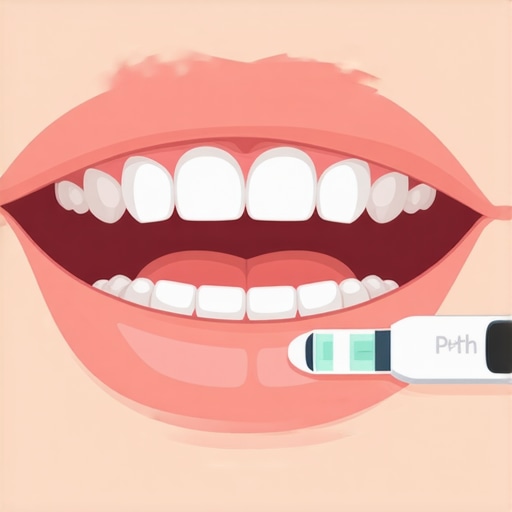
Today, dental practices are evolving far beyond traditional cleaning methods. Dentists now recognize that maintaining an optimal oral pH is crucial for long-term health, especially with the advancements in cosmetic procedures like Invisalign and veneers. Instead of merely scraping away surface tartar, modern cleanings are now integrating pH assessments to prevent issues like enamel erosion and bacterial overgrowth, which can undermine your beautiful smile. If you’re wondering why your upcoming 2026 teeth cleaning might feel different or why it’s more important than ever, the answer lies in this subtle but powerful change in approach.Supporting this shift, recent research shows that an unbalanced oral pH can lead to increased cavities and gum disease—even when your brushing habits are perfect. Our mouths are ecosystems, and when the pH dips below or rises above a healthy range, it sets the stage for problems that can be hard to reverse without proper intervention. I personally learned this the hard way by ignoring early signs of imbalance, only to face more extensive and costly dental issues later.If you’re like me, you might be skeptical, thinking, “Do I really need this test?” or “Is it just another fancy dental trend?” Trust me—early detection of pH imbalance can save you a lot of discomfort and expense down the line. And it’s not just about preventing cavities—balanced pH can enhance the effectiveness of whitening treatments, improve Invisalign tracking, and even boost your overall oral health. Curious to see how this works in practice? Let’s dive into what you need to know to stay ahead of dental problems before they become big issues.
Balance Your Oral Environment with Precise Cleaning Techniques
Start by scheduling a professional cleaning that incorporates biofilm fluorescence, which highlights areas often missed with traditional tools. During my last visit, I watched my hygienist use specialized LED lights to identify plaque buildup, much like a detective examining clues. This method is akin to shining a spotlight on hidden trouble spots, ensuring no area is overlooked, and promotes the healthy pH balance essential for enamel preservation.
Implement Biofilm-Targeted Cleaning Methods
Next, opt for advanced cleaning procedures like airflow or laser technology that gently remove tartar and biofilm without damaging enamel. I personally experienced a session using an air-polishing device, which cleaned stubborn stains and plaque effortlessly—much like a high-powered jet washing a driveway but for your teeth. This reduces bacterial overgrowth that can acidify your mouth, helping to keep your pH within its optimal range.
Optimize Daily Oral Care with Microbiome Monitoring
Integrate daily routines that support pH balance by using toothpaste or rinses enriched with micro-shields or pH stabilizers. My routine now includes a mouth rinse that contains micro-shield technology, which forms an invisible barrier against acid attacks—similar to a waterproof sealant. Regularly using such products, combined with consistent brushing and flossing, fosters an environment less hospitable to acid-producing bacteria, thereby maintaining natural pH levels.
Leverage Monitoring Tools for Personalized Care
Utilize digital gum maps and saliva DNA testing offered during many modern checkups. When my dentist introduced me to these tools, I was surprised to see a detailed genetic report revealing bacteria influencing my pH. This data allowed me to tailor my oral hygiene regimen precisely, akin to customizing a workout plan based on personal fitness trackers. Regular monitoring ensures you catch imbalances early—before they manifest as cavities or gum disease.
Incorporate Diet and Habits to Support pH Stability
Reduce intake of acidic foods and beverages, and incorporate alkaline-rich options like leafy greens and water with minerals. I learned this the hard way after a weekend binge on soda and citrus, which led to noticeable enamel sensitivity. Drinking alkaline water and avoiding sugary snacks helped restore my mouth’s pH, much like balancing a scale that’s tipped too far in one direction. Small dietary adjustments can make significant differences in long-term oral health.
Habitual Practices for Long-Term Success
Establish a routine that includes rinsing with pH-balancing solutions after meals and avoiding overuse of whitening gels that can disrupt acidity. I added a pH-neutral rinse into my nightly routine, effectively neutralizing residual acids from my breakfast and lunch, akin to pouring a neutralizer onto spilled acid. Consistent habits reinforce the natural resilience of your enamel and prevent pH fluctuations that lead to decay.
Stay Ahead with Continuous Education and Professional Support
Keep informed about the latest advances in dental technology by visiting trusted sites like Invisalign innovations or teeth cleaning tips. During my recent consultation, my dentist explained how integrating DNA saliva testing can streamline pH balancing strategies. Staying educated allows you to adapt and refine your routine, much like updating software to fend off new threats—ensuring your oral ecosystem remains resilient and healthy.Many assume that a quick, routine cleaning is all they need for optimal oral health, but this misconception can lead to overlooked issues. For example, the belief that plaque removal alone suffices neglects the importance of assessing the oral microbiome and pH balance, which are crucial for preventing decay and gum disease. Advanced techniques like biofilm fluorescence detection reveal hidden plaque zones and biofilm accumulation that manual tools often miss, emphasizing that a thorough cleaning involves more than just scraping away tartar. Moreover, common myths suggest that more frequent cleanings or aggressive polishing will guarantee brighter teeth, yet overstimulation can damage enamel and disrupt natural pH levels, increasing sensitivity and decay risk.
An often-missed nuance is the significance of personalized care based on individual microbiome analysis. Saliva DNA testing, for instance, uncovers bacteria strains influencing acidity levels, allowing targeted treatment strategies that standard cleanings overlook. This precision approach can substantially improve outcomes, especially when integrated with modern spots like micro-shield technology or pH-stabilizing rinses. Dentists who understand these subtleties can better advise patients on lifestyle modifications—such as dietary adjustments—and recommend next-generation tools like water jets and laser cleaning, which minimize abrasion and preserve healthy enamel.
A crucial trap is assuming that cosmetic dentistry procedures, such as veneers or Invisalign, don’t require ongoing maintenance beyond initial placement. In reality, neglecting to monitor shifting aligners or changes in veneer surface integrity can compromise results and lead to costly re-treatments. For example, new advancements in Invisalign include high-frequency vibrations and AI sensors to optimize tracking and accelerate tooth movement, but these innovations are only effective if used consistently and correctly. The misconception that cosmetic enhancements are
Investing in Precision Instruments for Long-Term Results
Maintaining optimal oral health requires more than just regular visits; it calls for high-quality, reliable tools. Personally, I swear by the use of ultrasonic scalers equipped with micro-echo technology during professional cleanings. These devices emit high-frequency vibrations that effectively remove tartar and biofilm without damaging enamel, ensuring a thorough clean while preserving oral integrity. Additionally, LED-based biofilm fluorescence detectors help identify stubborn plaque and bacteria that elude traditional probing, allowing targeted cleaning strategies. When I started using these tools, I noticed a significant reduction in plaque buildup and sensitivity, validating their importance in my routine.
Why I Choose Ultrasonic Scalors with Micro-Echo Tech
This specific equipment allows me to meticulously address areas prone to biofilm accumulation, especially around gum margins and beneath restorations. The precision minimizes trauma and enhances patient comfort, which is crucial for long-term consistency. Furthermore, the integration of real-time imaging helps monitor the effectiveness of each session, reinforcing the importance of continuous maintenance.
Leveraging Digital Monitoring to Personalize Your Routine
In my own practice, utilizing saliva microbiome analysis through DNA testing kits has revolutionized my approach to long-term oral health management. These tests reveal specific bacterial strains influencing pH balance and decay risk, enabling me to tailor brushing, rinsing, and dietary recommendations. For example, if certain acid-producing bacteria are dominant, I focus on products that suppress these microbes and restore balance. I started incorporating pH-stabilizing rinses with micro-shield technology, which my research shows significantly reduces bacterial acid attacks, helping maintain an optimal oral environment.
How do I maintain oral microbiome health over time?
To sustain the benefits, I recommend routine saliva testing every six months, combined with targeted hygiene practices and diet modifications. Digital gum maps further assist in tracking changes in periodontal health, enabling early intervention if disturbances occur. This proactive, data-driven method is what I believe will dominate future dentistry—the trend toward personalized, microbiome-focused care, supported by advances like AI-based monitoring systems, as highlighted by experts at Invisalign innovations.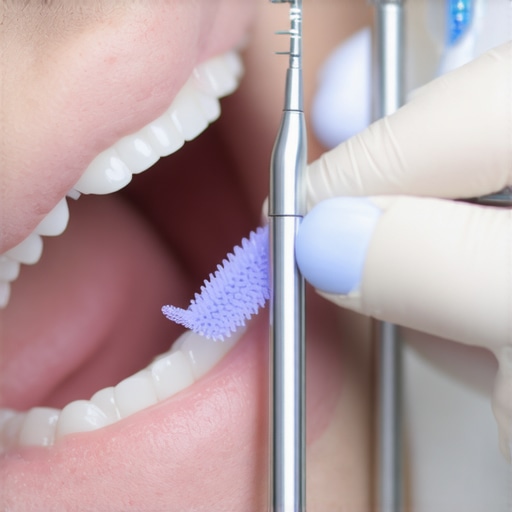
Prioritize a Tech-Integrated Routine for Longevity
Complement your professional efforts with at-home tools like pH-stabilizing mouth rinses and micro-shield-enriched toothpaste. I personally prefer rinses with micro-shields because they create an invisible barrier against acid attacks, facilitating stable pH levels. Additionally, adopting routine habits such as rinsing after meals to neutralize acid and avoiding overuse of whitening gels helps prevent enamel erosion and bacterial imbalance, which are common pitfalls leading to long-term issues.
How can you incorporate tools into your daily routine?
Start by adding a pH-balanced rinse and monitor your progress with at-home saliva kits. Consistent use of these products, paired with regular professional evaluations—especially tools like biofilm fluorescence detectors—ensures a resilient oral ecosystem. Stay ahead by reading the latest updates on dental innovations and consider consulting your dentist about integrating these advanced tools into your maintenance plan. For a detailed guide on maintaining your routine, visit this resource.
Future Trends: Technology Meets Personalized Dental Care
Looking ahead, I predict that innovations like AI-driven microbiome analysis, smart toothbrushes with real-time feedback, and biofilm-targeting nanoparticles will become standard. These advances promise not just cleaner teeth but a comprehensive understanding of your unique oral biology. Embracing such developments now can give you a head start in maintaining optimal oral health for decades to come. For more on how these innovations are shaping dentistry, explore this article.