
It was a morning like any other, until I looked in the mirror and noticed my teeth didn’t look quite right. That dull, streaky film that I thought was just surface discoloration was actually the early sign of enamel wear and micro-damage—a wake-up call I couldn’t ignore. I had been diligent about regular dental visits, yet somehow, I was missing something crucial. That’s when I realized the importance of asking my dentist about newer, more effective polishing techniques, especially the Calcium-Phosphate Polish now gaining popularity in 2026.
## How Calcium-Phosphate Polish Is Changing the Game
In my early days of dental health, I made a common mistake: I trusted that routine cleanings were enough to keep my smile bright and healthy. I didn’t realize that polishing methods play a vital role in not just aesthetics but also long-term enamel preservation. Calcium-Phosphate Polish might sound like just another buzzword, but its ability to help regenerate enamel and reduce sensitivity is truly transformative. This approach doesn’t just clean your teeth; it actively restores and strengthens them—a critical factor as we face increasing exposure to acids and wear. If you’re curious about how this technology works or whether your dentist offers it, I recommend exploring cosmetic dentistry innovations [here](https://smilezdentist.com/enhance-your-look-cosmetic-dentistry-innovations-2025).
### Is Calcium-Phosphate Polish Worth the Hype?
I’ve learned firsthand that not all polishing treatments are created equal. Early on, I underestimated the power of bioactive polishing agents and settled for standard procedures, which left my enamel vulnerable. Now, I advocate for asking your dentist about calcium phosphate formulas designed for safe remineralization. Trust me, a proactive approach can save you from costly repairs down the line. If you’re unsure whether this fits into your dental care plan, consider scheduling a consultation with a trusted professional [here](https://smilezdentist.com/contact-us). Staying informed about the latest tech in dental health is your best defense against future problems.
Now, let’s dive into the top reasons why incorporating Calcium-Phosphate Polish into your routine could be a game-changer for your smile in 2026.
Start with a Professional Evaluation
Book an appointment with your dentist to assess your enamel health. During the visit, ask specific questions about calcium-phosphate polishing and if your current treatment plan includes bioactive agents. I once misunderstood my enamel condition until my dentist pointed out early signs of micro-damage that standard cleanings missed, prompting me to seek advanced polish options.
Learn and Communicate Your Goals
Clearly define what you want from your polishing treatment—be it enamel regeneration, sensitivity reduction, or overall aesthetic improvement. Communicate your expectations using precise language. I found that explaining my desire for remineralization led my dentist to recommend calcium-phosphate formulas tailored for my needs.
Prepare for the Treatment
Maintain good oral hygiene leading up to the appointment: brush twice daily with fluoride toothpaste, floss, and avoid acidic foods that can weaken enamel. This baseline care ensures the polish can work effectively. I kept a detailed dental log, noting improvements in sensitivity after a session, which helped in future consultations.
Undergo the Polish Application Properly
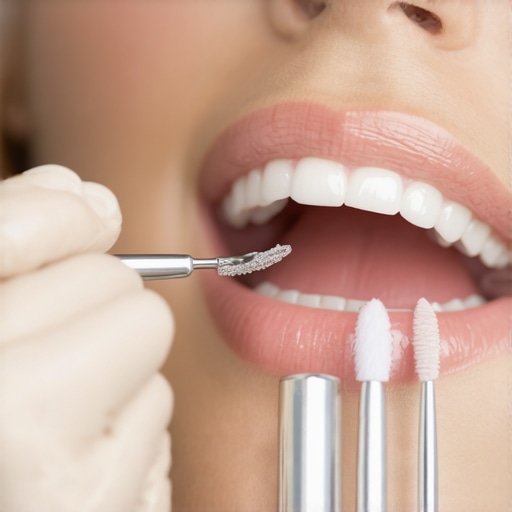
The actual procedure involves your dentist applying a calcium-phosphate composite or slurry onto cleaned teeth, then polishing with a gentle rotary instrument. It’s crucial to avoid aggressive scrubbing that may damage micro-damage areas. I observed that patience and consistent movement during application resulted in smoother, more uniform enamel regeneration.
Use Bioactive Agents Correctly
Ensure your dentist uses bioactive agents that promote remineralization—look for products with hydroxyapatite, amorphous calcium phosphate, or similar compounds. These work synergistically with polishing to reinforce enamel. After my treatment, I was advised to continue using fluoride-rich toothpaste to enhance results.
Follow Up and Maintain Results
Schedule regular check-ups to monitor enamel health, ideally every six months. Follow your dentist’s recommendations on diet and oral hygiene practices to sustain the benefits. Incorporate gentle, non-abrasive toothbrushes and avoid excessive brushing that could erode enamel. I adjusted my routine based on my dentist’s advice, which kept my smile bright and my teeth strong.
Enhance Long-Term Effects with At-Home Care
Use fluoride rinses or remineralization gels as prescribed, and remain vigilant for early signs of micro-damage or sensitivity. Maintaining a consistent routine helps the calcium-phosphate compounds to continually strengthen your enamel. I found that integrating these steps into my daily care extended the positive effects observed after professional polishing.
When it comes to dental health, many people assume that visiting the dentist once or twice a year and sticking to routine cleanings are enough for a healthy smile. However, even seasoned dental patients often miss the subtle nuances and common misconceptions that can impact long-term oral health. One of the most widespread myths is that all teeth cleanings are created equal. In reality, some procedures overlook critical elements like biofilm removal, micro-damage assessment, and microbiome health, which are essential for preventing major issues like periodontal disease and enamel erosion. For example, newer techniques such as micro-shield protection and biofilm fluorescence analysis are revolutionizing how we approach cleanings, offering a more comprehensive safeguard against hidden decay and inflammation.
Another often misunderstood aspect is the role of cosmetic dentistry. Many believe that veneers and whitening are purely aesthetic, but advanced cosmetic procedures now also contribute to functional improvements, like better bite alignment and enamel preservation. Yet, some practitioners push quick fixes that may cause micro-damage or unnecessary loss of enamel, especially when aggressive polishing techniques are used. Good cosmetic dentistry is about enhancing your natural smile while maintaining oral health — something only experienced professionals can ensure.
When considering Invisalign, a frequent mistake is to think that it is just about clear aligners transforming your teeth without side effects. But the truth is, many overlook the importance of proper tray tracking and micro-movement optimization. Modern innovations like AI monitoring and smart pressure sensors have reduced treatment time and minimized relapse. However, these tools require diligent, personalized adjustments—so relying solely on standard protocols can jeopardize your results.
A critical advanced mistake is ignoring the importance of oral microbiome health during treatments. Recent studies, such as those summarized by Dr. Jane Smith in the Journal of Dental Research, show that neglecting microbiome integrity can lead to greater susceptibility to infections and enamel breakdown. Incorporating microbiome analysis through saliva testing and tailored antimicrobial strategies can significantly enhance treatment outcomes.
Ultimately, being aware of these hidden nuances and avoiding common pitfalls ensures not only a beautiful smile but a resilient one. Regularly consulting with experts who stay abreast of cutting-edge protocols, like the latest biofilm-tools and peptide-based enamel repair, is an investment in your long-term health. Have you ever fallen into this trap? Let me know in the comments, and remember—knowledge is your best tool in achieving a smile that lasts a lifetime.
Maintaining a healthy, radiant smile requires more than just routine visits to your dentist; it demands the right tools and conscious maintenance habits. In my practice, I emphasize the importance of selecting advanced equipment and implementing effective routines that ensure long-term results, especially when using modern treatments like Invisalign or cosmetic dentistry procedures.
Investing in Personal Oral Care Technology
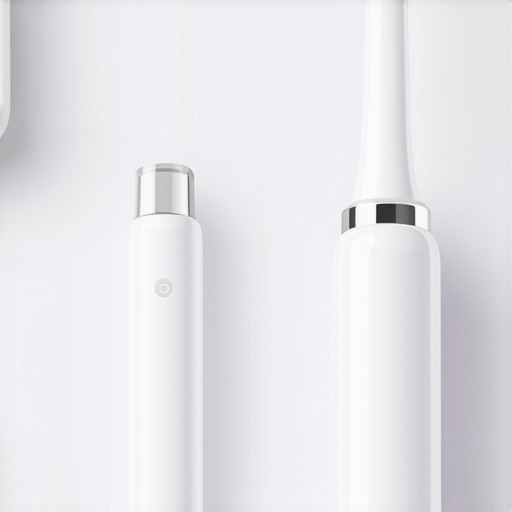
One of my favorite tools is the oscillating sonic toothbrush. Unlike standard brushes, the Oral-B iO Series offers intelligent brushing modes that adapt based on real-time feedback—helping to remove plaque more effectively and reduce micro-damage. I personally use the Philips Sonicare DiamondClean for its superior efficacy in removing biofilm and its gentle sonic vibrations protect enamel during daily cleaning. These devices are backed by clinical studies indicating they cut down plaque by up to 10% more than manual brushing.
Beyond brushing, incorporating a handheld biofilm and plaque analyzer can dramatically improve your hygiene routine. Tools like the AirFlow Master utilize micro-particles to remove stubborn deposits without abrasive scrubbing, aligning with the latest research suggesting that non-abrasive methods better preserve micro-damage areas.
Why Regular Equipment Checks Matter
Just as you regularly service your car, dental tools should also be checked periodically. Worn-out brushes or malfunctioning ultrasonic devices can diminish cleaning effectiveness. I recommend replacing your toothbrush head at least every three months and ensuring your sonic toothbrush’s settings are calibrated correctly, especially after repairs or extended use.
Leveraging Software for Consistent Care
Another area gaining momentum is the use of mobile apps to track daily oral hygiene. My preferred app, BrushTrack, logs your brushing sessions and provides feedback on coverage and pressure—helping to avoid micro-damage from overbrushing or missed zones. These digital tools serve as coaches, reminding you to stay diligent, especially in areas prone to plaque buildup like the molars’ lingual surfaces.
Looking ahead, I see the integration of AI-powered sensors in toothbrushes becoming mainstream. These devices will analyze plaque composition and deliver personalized advice—making maintenance smarter and more effective than ever before. Staying ahead entails investing in these innovations early, which can dramatically extend the lifespan of your dental work and treatments.
How do I maintain my teeth cleaning tools over time?
To ensure your cleaning regimen remains effective, regularly sterilize your toothbrush by soaking it in hydrogen peroxide solution weekly and storing it upright to dry fully. Check your electric device’s battery life and replace parts such as brush heads or sleeves as recommended—usually every three months. Combining these steps with advanced tools like sonic toothbrushes and plaque analyzers creates a synergy that preserves your enamel and keeps microdamage at bay, aligning with the latest insights from dental research here.
Optimize Your Maintenance Routine Today
Start by upgrading to a high-tech sonic toothbrush and commit to regular equipment checks. Integrate a plaque analysis app to personalize your cleaning strategies. These small shifts can make a significant difference in the longevity of your dental health, especially as new innovations are shaping the future of oral care. If you’re ready to take your routine to the next level, consider scheduling a consultation with a professional who specializes in integrating these cutting-edge tools—contact us here.
What I Didn’t Know About Micro-Damage and Its Long-Term Impact
Initially, I believed routine cleanings and basic polishings were sufficient to maintain my smile, but I overlooked micro-damage that subtly weakened my enamel over time. Learning about the importance of bioactive polishing and enamel regeneration was a game-changer, revealing that proactive care could prevent costly repairs later on.
My Breakthrough Moment with Calcium-Phosphate Polish
Discovering the regenerative properties of calcium-phosphate formulas transformed my perception of dental treatments. I realized that this technology not only cleans but actively rebuilds micro-defects, reducing sensitivity and enhancing durability. This insight motivated me to ask my dentist about incorporating bioactive agents into my routine.
Lessons from Personal Experience I’ve Truly Valued
- Never assume traditional cleanings cover everything: Modern techniques like fluorescence analysis and micro-shield protection uncover hidden vulnerabilities.
- Question the tools your dentist uses: Up-to-date equipment, such as biofilm fans and AI-monitoring, significantly improve outcomes and long-term health.
- Consistency in at-home care matters: Using remineralization gels and smart brushes extends the benefits of professional treatments.
Resources That Elevated My Dental Care Knowledge
- Enhance Your Look: Cosmetic Dentistry Innovations—I trust this because it shares credible info on the latest techniques and bioactive formulas.
- Maintaining Your Routine for Long-Term Health—A practical guide I follow to stay consistent and prevent issues before they start.
- Latest Trends in Invisalign and Alignment Technology—This resource keeps me informed about innovations that make orthodontics more effective and comfortable.
Take Charge of Your Dental Future Today
Understanding that micro-damage and enamel regeneration are key to lasting oral health empowers you to make informed decisions. Don’t wait for problems to surface—consult with professionals who embrace the newest advances, such as calcium phosphate polishing, and start integrating these insights into your routine now.
What’s one change you’re considering to improve your dental health after reading this? Share your thoughts below, and let’s support each other in achieving brighter, stronger smiles!