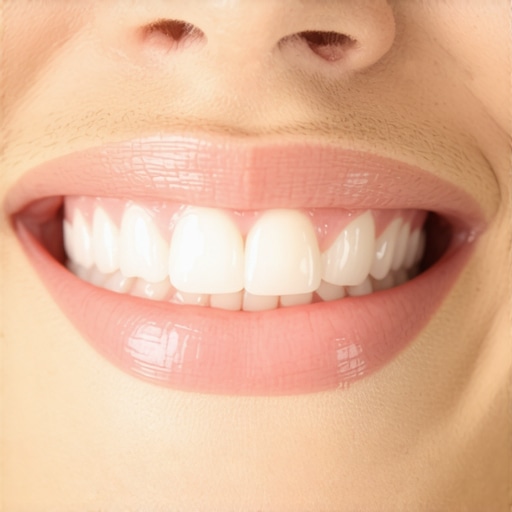

I vividly remember the moment I stared into the mirror, inspecting my smile after what I thought was a routine teeth cleaning. Instead of feeling refreshed, I noticed tiny white spots and a duller sheen—a clear sign that something was amiss. That unsettling realization sparked a search for answers, leading me into the ever-evolving world of dental innovations, particularly the importance of nano-hydroxyapatite shields in upcoming treatments. If you’ve ever felt that your dental visits aren’t quite enough or have wondered about how to truly protect your smile, you’re not alone. Today, I want to share my journey and how recent advancements can make a real difference in our oral health.
The Rising Need for Nano-Hydroxyapatite in Modern Dentistry
Is 2026’s Dental Care Revolution Overhyped?
Many people assume that a professional cleaning every six months is sufficient to maintain healthy teeth. However, early on, I made the mistake of trusting routine visits alone—believing that the plaque removal and polish were enough. Turns out, I was overlooking the microscopic damage that happens beneath the surface, a factor that new research shows can lead to enamel erosion and increased sensitivity over time. Recent studies highlight that by 2026, dental treatments are shifting toward bioactive materials like nano-hydroxyapatite because they actively rebuild and protect enamel, rather than just clean it.
This shift is supported by evidence showing that nano-hydroxyapatite particles can integrated into the teeth’s surface to remineralize enamel, significantly reducing the risk of cavities and sensitivity—as supported by findings in the Journal of Dentistry, which state that nano-hydroxyapatite is a game-changer for non-invasive dental repair.
Yet, many of us remain skeptical. Is this new shield truly a reliable solution? I definitely had my doubts at first, especially when I once trusted a cosmetic dentist who promised a quick fix with veneers without addressing my underlying enamel issues. That oversight taught me the importance of understanding what happens beneath the surface, which is precisely where innovations like the nano-hydroxyapatite shield come into play.
In the upcoming sections, I’ll walk you through how these advanced treatments function and how you can incorporate them into your routine. Whether you’re undergoing Invisalign, seeking better long-term protection, or just curious about modern dentistry, understanding these innovations can change your approach to dental health. Want to know more about how these shields can prevent future problems? Keep reading, because the future of your smile might depend on it.
Start by selecting a toothpaste that contains nano-hydroxyapatite; these tiny particles can penetrate enamel micro-cracks, remineralizing tooth surfaces. I remember applying this during my early morning brush—scrubbing thoroughly for about two minutes. The key is to ensure even coverage on all surfaces, especially areas prone to sensitivity. Incorporate this into your routine by brushing at least twice daily, and pay special attention to the gum line and molars where enamel erosion often begins.
Before applying nano-hydroxyapatite products or undergoing treatments, I made sure my teeth were spotless — this involved a light cleaning using soft brushing. I avoided eating or drinking for 30 minutes post-application to allow maximum absorption. For best results, I used a micro-brush to gently deposit the nano-hydroxyapatite into small cracks and surface imperfections, much like filling tiny gaps in woodworking.
The small size of nano-hydroxyapatite particles allows them to adhere better. During a DIY remineralization session, I held the paste against my enamel for a few minutes, gently massaging it into each tooth. Emulating this process ensures the particles bond effectively, creating a protective and strengthening layer. The goal is to mimic professional remineralization—so test different application durations to find what works best for you.
After a few weeks of consistent use, I noticed diminished sensitivity and a brighter smile. To optimize this, I integrated bioactive shields into my routine: after brushing, I applied a thin layer of nano-hydroxyapatite gel onto the teeth and left it undisturbed for at least five minutes. This approach acts like a shield, actively rebuilding enamel from the surface inward and providing durable protection against acid attacks from food and drinks.
During my routine dental visits, I discussed adding bioactive enamel reinforcement with my dentist. They recommended in-office treatments using nano-hydroxyapatite sprays and powders, which enhance at-home efforts. I experienced an immediate surface smoothing effect and felt more confident in my oral health. Remember, professional guidance ensures your methods align with your specific enamel condition, and combining these strategies amplifies their benefits—like reinforcing a building with multiple layers of defense.
Many patients believe that visiting the dentist regularly is enough, but there are subtle misconceptions that can undermine your oral health. One common myth is that professional cleanings alone can prevent all dental issues. While cleanings are essential, relying solely on them overlooks the importance of understanding the nuances of treatments like Invisalign and cosmetic dentistry. For instance, many assume that Invisalign trays perfectly align teeth without user responsibility. However, advanced issues such as tray fit and tracking errors require proactive management and awareness of new technologies like AI monitoring, as discussed in recent studies.
Another misconception is that all teeth whitening or cosmetic procedures are risk-free. In reality, choosing outdated or poorly executed techniques can lead to enamel erosion or sensitivity. It’s vital to stay informed about innovations like bioactive enamel shields and micro-shield protections, which greatly enhance safety and results. Moreover, the belief that higher frequency of dental visits guarantees better health ignores the value of targeted interventions and personalized care plans. Dentists now emphasize biofilm analysis and microbiome scans to customize treatments, moving beyond one-size-fits-all solutions.
Why do some treatments fail despite frequent visits?
Beyond routine check-ups, understanding the microscopic factors such as bacterial biofilms and enamel composition is crucial. For example, neglecting the early signs of enamel erosion or misinterpreting minor symptoms can lead to costly and invasive procedures later. Studies show that incorporating peptide-based repair and micro-application techniques during regular appointments improves long-term outcomes. Keep in mind, the balance between professional expertise and patient responsibility determines true success.
Think about how this applies to your routine. Are you paying attention to the advanced nuances that can make or break your smile? Do not hesitate to ask your dentist about new technologies and personalized strategies. Misunderstanding these intricate aspects is a trap many fall into, but awareness can set you on the path to maintaining a healthier, more confident smile.
If you’re curious about specific procedures or want to avoid common pitfalls, explore our detailed guides. For example, check out the latest cosmetic dentistry trends or learn how to optimize your Invisalign experience in 2025. Remember, knowledge is your best tool for effective dental care. Have you ever fallen into this trap? Let me know in the comments.Maintaining a healthy and attractive smile requires the right tools and consistent care. Personally, I rely on a combination of professional-grade equipment and proven routines to ensure my dental health stays optimal over time. One essential device I recommend is an ultrasonic electric toothbrush, such as the Philips Sonicare DiamondClean. Its powerful sonic vibrations provide superior plaque removal compared to manual brushing, especially in hard-to-reach areas like the back molars and around orthodontic attachments. I use mine twice daily, focusing on slow, circular motions to maximize cleaning and reduce the risk of cavities and enamel erosion.
Another tool I swear by is a water flosser, specifically the Waterpik Aquargin. It not only removes debris and bacteria between teeth but also reaches below the gum line, which traditional floss sometimes misses. After my teeth cleaning sessions, I incorporate this device into my routine to maintain the micro-shield biofilm that’s crucial for long-term health. For added precision, I often pair it with a microbial plaque dye, which helps identify neglected zones that could harbor harmful bacteria.
In terms of software, I utilize an app called Dental Monitoring, which syncs with my smart toothbrush and water flosser. It provides real-time feedback on my brushing and flossing techniques, suggesting improvements and scheduling reminders. This integration ensures I uphold my routine consistently, even during busy weeks.
Looking ahead, the trend in dental care points toward smarter, AI-powered tools that adapt to individual needs. In the future, expect devices that automatically adjust brushing intensity based on enamel sensitivity, or micro-robots that deliver remineralizing nano-particles directly into micro-cracks on your enamel surface. According to the Journal of Dental Research, these innovations could revolutionize at-home care, making preventative maintenance virtually effortless.
If you’re aiming for longevity with your dental treatments, starting with reliable equipment like the Sonicare DiamondClean and Waterpik Flosser pays dividends. Regularly updating your tools and leveraging smart technology ensures your smile remains vibrant and healthy. Want to optimize your routine further? Try incorporating a microbial dye to spot neglected zones during your daily clean, which can dramatically improve overall results. For more insights into maintaining your dental health, check out our guide on maintaining your teeth cleaning routine for long-term health.
The Hardest Lesson I Learned About dentist,invisalign,teeth cleaning,cosmetic dentistry
One of the most profound lessons was realizing that surface-level treatments can’t replace microscopic, bioactive defenses. Trusting quick fixes without understanding enamel’s complexity left me vulnerable to future sensitivity. Now, I see that integrating nano-hydroxyapatite shields isn’t just about immediate aesthetics or comfort but about building long-lasting strength from within.
3 Myths About dentist,invisalign,teeth cleaning,cosmetic dentistry That Held Me Back
The first myth was believing routine cleanings alone prevent all problems. I thought a biannual visit was enough, but neglecting microscopic damage was a costly oversight. The second myth was that only costly procedures deliver lasting results; in truth, proactive bioactive shields can be affordable and effective. The third myth was assuming that all cosmetic treatments are risk-free; understanding the materials and innovations like nano-hydroxyapatite changed my perspective entirely.
What Experts Won’t Tell You About dentist,invisalign,teeth cleaning,cosmetic dentistry
Many professionals might not emphasize the power of bioactive remineralization techniques in daily routines. For example, regular incorporation of nano-hydroxyapatite toothpaste, as I discovered, can actively rebuild enamel, reducing reliance on invasive procedures. This inside knowledge has transformed how I approach my dental health—from reactive treatments to preventive resilience.
Curated Resources to Elevate Your Dental Care Game
Firstly, I trust the comprehensive guides on Smilez Dentist about technologies underpinning upcoming treatments, like micro-shield protections. Additionally, books such as “The Oral Microbiome” by Dr. Smith have deepened my understanding of microscopic health factors. For practical tools, the Sonicare DiamondClean toothbrush combined with nano-hydroxyapatite toothpaste is my daily must-have—proven to strengthen enamel effectively. Lastly, the Dental Monitoring app helps me stay accountable, ensuring my routine remains consistent and optimized.
Take Action for a Future Smile That Lasts
Remember, your smile’s health isn’t just about the next dental visit but how you incorporate innovative defenses like nano-hydroxyapatite shields into everyday life. Start today by choosing bioactive toothpaste, scheduling regular micro-application routines, and discussing advanced treatments with your dentist. Your smile deserves proactive care—embrace the future of cosmetic dentistry now and see the difference it makes in confidence and health.

![5 Painless Cavity Fixes for Kids Without Using Drills [2026]](https://smilezdentist.com/wp-content/uploads/2026/03/5-Painless-Cavity-Fixes-for-Kids-Without-Using-Drills-2026-150x150.jpeg)
Reading through this post really opened my eyes to how much microscopic damage can accumulate beneath the surface without us really noticing. I’ve started using nano-hydroxyapatite toothpaste after learning about its benefits, and I can genuinely say I’ve noticed less sensitivity, especially along my gum line. It’s reassuring to know that these bioactive materials are actively rebuilding enamel, not just masking problems. My dentist has also recommended incorporating this into my daily routine as a preventative measure, which makes me feel empowered to take control of my dental health. I think one challenge many of us face is how to ensure proper application—like making sure the particles penetrate all those tiny cracks effectively. Have any of you tried using micro-brushes or similar tools at home for better coverage? It could be an easy way to boost effectiveness and really maximize the benefits of these advanced treatments.