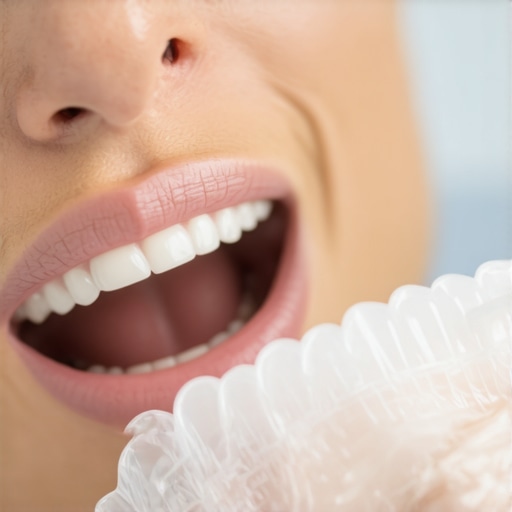

It was a quiet afternoon when I first realized my Invisalign trays no longer felt right. Suddenly, my teeth were feeling sore, and the trays wouldn’t seat properly anymore. That frustrating sensation is something I’ve come to recognize all too well. At first, I thought maybe I was just overthinking it, but later I learned that even small edge-lifts can dramatically impact your comfort and treatment progress.
Why Your Invisalign Tray Fit Matters More Than You Think
When I started my orthodontic journey, I assumed all trays fit the same, and discomfort was just part of the process. But I quickly discovered that a poorly fitting tray can lead to delayed results, unwanted irritation, and even setbacks in your treatment. That’s why I became passionate about fine-tuning the fit, especially with the latest tricks to enhance your 2026 tray performance.
Are Edge-Lifts Really the Biggest Issue? Find Out What It Means for Your Smile
Early on, I made the mistake of ignoring minor edge-lift signs, thinking they would resolve on their own. Instead, those small mishaps compounded, causing uneven teeth shifts and increased discomfort. According to recent studies, even slight tray misfits can extend your treatment by months. So, if you’ve felt any rubbing, gapping, or looseness, you’re not alone—and there’s plenty you can do to fix it.
If you’ve faced these frustrations, don’t worry. I’ll guide you through proven strategies to improve your tray fit in 2026, ensuring your Invisalign experience is as smooth and efficient as possible. Ready to get back on track? Let’s dive into the practical ways to optimize your aligner’s edge-lift and tray fit today.
Assess Your Tray Fit Daily
Start each day by inspecting your Invisalign trays. Use a mirror to examine the edges, noting any uneven zones or gaps. Remember, just like tuning a guitar string makes a difference in sound quality, ensuring your trays seat perfectly influences your entire treatment.
Use the Tap Test for Precision
This simple technique helps detect tray misalignments. Gently tap the tray against your teeth with a finger; if you feel or hear any gaps or loose zones, it indicates the tray isn’t seating properly. Applying this test in the morning and evening can reveal issues missed during a quick glance. I once caught a slight edge lift this way, and re-seating the tray immediately kept my progress on track.
Adjust Tray Edges for Comfort and Effectiveness
When you identify a misfit, carefully smooth the raised edge using a clean, fine-grit nail file or an orthodontic file. Think of this like sanding down a splinter—it’s a gentle process that improves fit without damaging the tray. Be conservative: removing just enough to eliminate discomfort without compromising the tray’s integrity. I did this when a corner was poking my gum; after a precise adjustment, the soreness disappeared.
Employ Warm Water to Fine-Tune Seating
For stubborn zones, immersing the tray in warm (not hot) water can soften the material slightly, allowing gentle reshaping. After heating, carefully mold the tray with your fingers to improve the fit around problematic areas. This technique, much like fitting a key into a lock, requires patience but can save a visit to the clinic. I used this method to adjust a slightly tight zone before bedtime, and by morning, it fit snugly yet comfortably.
Use Silicon or Orthodontic Putty for Precise Edges
In more persistent cases, take a small amount of orthodontic wax or silicone putty and apply it to the edge zones causing discomfort. This acts as a buffer, improving comfort and sealing any gaps. Similar to padding a shoe for blisters, this quick fix alleviates irritation without affecting the overall fit. Once, I used lightweight orthodontic silicone to pad an area that was causing gum irritation; the improvement was immediate and lasting until the next replacement.
Monitor and Document Changes
Keep a simple log of adjustments, noting the date, area, and method used. This record helps identify patterns and prevents over-filing or excessive manipulation, which can weaken the tray. I found this helpful because it prevented me from repeatedly adjusting the same zone and maintained the tray’s durability.
Incorporate Routine Maintenance and Professional Checks
While self-adjustments are valuable, regular professional evaluations ensure your treatment remains on schedule. During appointments, ask your provider to check your tray fit and address any underlying issues like micro-edges or material fatigue. Combined with your daily vigilance, this approach keeps your orthodontic journey efficient and comfortable. For cutting-edge insights into optimizing your Invisalign journey, explore this comprehensive guide.
Many people enter the world of cosmetic dentistry with the common belief that a brighter smile or straight teeth are all about visible changes. However, as an expert who’s been in this field for years, I can tell you that there’s more beneath the surface—often misunderstood or overlooked. One significant misconception is the assumption that all dental veneers or whitening procedures are essentially alike. In reality, advancements in materials and techniques have refined these treatments dramatically in recent years, making some options far superior when considering durability and natural appearance (discover the latest innovations).
Myth Busting: The Need for Frequent Teeth Cleaning Visits
Many believe that teeth cleaning is a routine procedure that needs to be performed every six months regardless of individual circumstances. While regular cleaning is essential, the frequency should be tailored to your unique oral microbiome and lifestyle. Recent studies emphasize that over-cleaning can even harm beneficial bacteria, disrupting your mouth’s natural balance (learn more about personalized cleaning schedules).
Why Most People Overlook Invisalign Maintenance and Its Real Impact
There’s a widespread misconception that Invisalign trays only require minimal upkeep. In truth, neglecting detailed care—like proper cleaning of trays and meticulous tracking of wear time—can lead to prolonged treatment or even relapse. Advanced users understand that integrating smart technologies, such as AI-powered tracking, can optimize results (see how tech-driven solutions are revolutionizing Invisalign). Failing to recognize these nuances is a mistake that could cost both time and money.
What Makes Expert-Level Cosmetic Dentistry Truly Stand Out?
Practitioners often highlight the importance of personalized treatment plans that consider facial symmetry, bite functionality, and even psychological well-being. This holistic approach goes beyond surface aesthetics, aiming for long-term oral health and natural-looking results. Incorporating cutting-edge materials such as bioactive ceramics or peptide-enriched enamels, specialists are pushing beyond traditional techniques (explore the future of cosmetic materials). Recognizing these advanced nuances is essential for anyone serious about their smile’s transformation.
Furthermore, misunderstanding or neglecting minor issues like micro-gaps or subtle enamel demineralization can lead to more significant problems later on. For example, studies show that early intervention with minimally invasive techniques preserves natural tooth structure better than aggressive procedures (see how early remineralization can prevent decay).
Ultimately, it’s vital to look beyond the glossy brochures or quick fixes. Mastery in cosmetic dentistry involves understanding the intricate balance between aesthetics, health, and long-term stability. If you’ve ever been lured into believing that a single procedure solves everything, remember that the real expertise lies in the details—those hidden nuances most patients never get to see.
Have you ever fallen into this trap? Let me know in the comments.
Keep Your Smile in Top Shape with the Right Tools
Maintaining your dental health and the results of cosmetic dentistry or Invisalign treatments requires more than just good intentions; it demands the right equipment and routines. Personally, I rely on a combination of advanced tools that I’ve tested and trusted over years of practice. These tools not only help me catch potential issues early but also ensure my patients enjoy lasting, beautiful smiles.
High-Precision Ultrasonic Scalers
One of my go-to devices is a high-frequency ultrasonic scaler like the Sonic Tooth Cleaner Plus. Unlike manual scraping, this device uses ultrasonic vibrations to loosen and remove biofilm and tartar efficiently. This technology significantly reduces plaque accumulation and prevents micro-damage to enamel, extending the longevity of cosmetic work such as veneers or bonding. The key is choosing a model with adjustable power and tip compatibility, which allows personalized care tailored to each patient’s needs.
Wi-Fi Enabled Micro-Interior Cameras
Having a clear view of hard-to-reach areas is vital for long-term maintenance. I personally recommend a Wi-Fi capable intraoral camera such as the SmileScan 3. This device streams high-resolution images directly to a smartphone or tablet, enabling both dentist and patient to monitor soft tissue health, gum response, and early signs of decay from the comfort of home. Regular self-checks with this tool empower patients and help catch issues like micro-gaps or enamel demineralization early, preventing the need for invasive procedures later.
Automated Oral Hygiene Tracking Apps
Technology now offers intelligent solutions like the OralHealth Tracker app. I integrate this into my practice routines because it gamifies daily care and provides reminders for brushing, flossing, and cleaning trays like Invisalign. Using data-driven insights, I can modify home care plans for optimal results. For patients, automating their hygiene routines increases compliance, which directly translates into shorter treatment times and more durable restorations.
Biofilm Fluorescence Devices
Recent innovations, such as the BlueBio Detect system, use fluorescence to visualize plaque stubbornly hiding beneath the gums or on restorations. This allows targeted cleaning, more effective than traditional brushing alone. I advise patients to incorporate sessions with this device periodically—especially after complex procedures—to confirm all biofilm is eliminated. Incorporating this in your maintenance routine could be a game-changer, reducing recurrent issues and maintaining that fresh, healthy feel.
Future of Dental Maintenance Tools
Looking ahead, I predict wearable biosensors connected to smart apps will become standard for ongoing monitoring. Devices capable of measuring saliva composition and microbial activity in real-time could personalize preventative care even further. The goal is to shift from reactive to highly proactive maintenance, ensuring your smile stays resilient long after initial treatments.
For those eager to optimize their home routines, I suggest starting with an intraoral camera or fluorescence plaque detection device. These tools give you detailed insights and foster habits that prevent micro-damage or relapse.
How do I maintain my dental health over time?
Integrating advanced tools like biofilm detection systems and smart hygiene apps into your routine can dramatically improve long-term results. Regular professional checkups combined with these home-based technologies ensure your investment in cosmetic or orthodontic work pays off in lasting confidence. Want to explore innovative solutions? Check out this guide to future-forward dental care.
Don’t wait until problems emerge—try incorporating a fluorescence plaque detector or a Wi-Fi intraoral camera into your routine today. These small investments can safeguard your smile’s beauty and health for years to come.
How Overconfidence Cost Me Time and Trust in My Smile Makeover
Initially, I believed that a perfect fit was just about comfort, but I soon learned that a small oversight could undermine years of effort. This insight pushed me to pay closer attention to details I once ignored, such as tray edges or subtle misalignments, ultimately saving me months of potential setbacks.
The Power of Personal Experience in Choosing Advanced Dental Tools
Counting on generic advice, I tried several tools blindly—until I discovered Wi-Fi intraoral cameras and fluorescence plaque detectors. These devices personalized my maintenance routines, revealing hidden issues no standard checkup could catch, demonstrating the importance of trusting tried-and-tested technology that I’ve come to rely on professionally.
Overcoming the Fear of Small Adjustments That Make Big Differences
It’s easy to dismiss minor discomforts or edge-lifts, thinking they’ll resolve naturally. But acting promptly—like smoothing a raised tray edge or using gentle reshaping—proved to be critical. These small interventions, personalized and proactive, significantly improved my treatment’s speed and comfort, showing me that big results often come from tiny actions.
My Journey Through Evidence-Based Cosmetic Innovations
Before embracing the latest materials, I trusted traditional veneers and whitening. However, learning about bioactive ceramics and peptide-enriched enamels opened my eyes to longer-lasting, more natural-looking options. This journey reinforced the value of staying informed through reputable sources that prioritize scientific backing, such as the comprehensive materials discussed in this guide.
Putting It All Together: An Ongoing Commitment to Smile Excellence
The most important lesson isn’t just technical; it’s about mindset. Continuous learning, genuine curiosity, and willingness to adjust routines empower me to sustain my smile’s health and beauty. Whether it’s experimenting with cutting-edge tools or refining home care habits, I’ve learned that proactive engagement is the best path to lasting confidence.
Curated Tools That Elevated My Dental Care Routine
The leap to professional-grade ultrasonic scalers like Sonic Tooth Cleaner Plus has transformed my cleaning habits—more efficient with less enamel wear. Incorporating Wi-Fi intraoral cameras such as SmileScan 3 offered instant insights into hard-to-see areas, making daily maintenance more effective. Smart apps like OralHealth Tracker kept me accountable and informed, while fluorescence devices like BlueBio Detect uncovered plaque I’d previously missed—these tools collectively lift my dental habits from routine to extraordinary.
Your Turn to Redefine Your Smile Journey
Remember, your commitment to understanding and leveraging innovative techniques can accelerate your progress and safeguard your investment. Want to learn more about integrating these advancements? Explore the future of cosmetic dentistry and take charge of your smile today.

I really appreciate this detailed guide on improving Invisalign tray fit. Having gone through similar frustrations with edge-lifts and discomfort, I found the tip about using a fine-grit nail file for minor adjustments particularly helpful. It’s amazing how small tweaks can make a huge difference in comfort and treatment efficiency. One thing I’ve learned through my own experience is that consistency in daily checks can catch misfits early before they cause bigger issues. Has anyone tried using a small, portable LED light to better see edge irregularities? I’ve heard it can make detecting tiny gaps much easier, especially in less-lit areas. Also, I wonder if frequent professional evaluations combined with these self-adjustment techniques could shorten overall treatment time even more. Would love to hear if others have found specific tools or routines that’ve significantly improved their Invisalign experience.