
I remember the moment clearly—trying to pop my Invisalign tray back in after a meal, only to feel that frustrating heel-lift shift and a stubborn gap. It was one of those tiny setbacks that felt like a big hassle. Have you ever experienced that sticking point where your Invisalign just refuses to seat properly? Trust me, you’re not alone, and there’s more to it than just an annoyance.
Here’s the thing: Invisalign aligners are designed for precision, but small issues like heel-lift can disrupt your entire treatment timeline. When trays don’t seat correctly, it can lead to less effective tooth movement and even prolong your overall adjustment period. But don’t worry—I’ve discovered that with a few smart tricks, you can resolve these issues quickly and keep your smile progressing smoothly.
In this post, I’ll share three proven methods I’ve tried—and what I wish I knew early on—to fix heel-lift and reseat trays with confidence. Whether you’re just starting or nearing the finish line, these tips can help you avoid unnecessary delays and keep your Invisalign treatment on track.
Why Proper Tray Seating Matters More Than You Think
Ensuring your Invisalign trays fit snugly isn’t just about comfort; it’s critical for achieving those perfect results. A loose or lifted heel can mean the trays aren’t applying the right pressure, which stalls tooth movement. Early missteps—like reusing old trays or ignoring minor misfits—are common mistakes I made that slowed down progress. Instead, being proactive and understanding the nuances of tray fit can make all the difference.
If you’re wondering whether heel-lifts are just a minor inconvenience or something more serious, it’s worth noticing how they impact your overall treatment. Poorly seated trays can also harbor bacteria, increasing the risk of dental issues. Regularly reseating your trays isn’t just about convenience—it’s essential for maintaining optimal oral health.
For a deeper understanding of what proper Invisalign care looks like and to debunk common misconceptions, check out this article on [teeth cleaning myths](https://smilezdentist.com/teeth-cleaning-myths-debunked-by-top-dentists). Now, let’s dive into some practical solutions to fix that stubborn heel-lift once and for all.
Apply Gentle Pressure to Seat the Tray
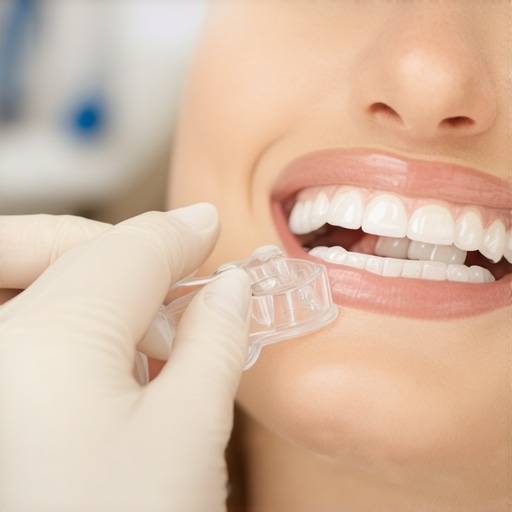
One of my first attempts involved pressing down firmly on the tray with my fingers—like using a flat tool to push a stubborn puzzle piece into place. I gently pushed from the back, making sure to distribute pressure evenly, not just on the heel but along the edges. The key is to start gradually; too much force can cause discomfort or tray breakage. This method worked when I realized that my trays weren’t seating properly because they were slightly misaligned, similar to how a misaligned door won’t close flush. After a few attempts, I found that applying consistent, gentle pressure helps the tray snap into position securely.
Warm the Tray to Make It More Flexible
Next, I learned that warming the tray made it more pliable, much like plastic wrap becoming softer. I soaked the Invisalign in warm water for about 10 seconds—just enough to warm but not melt the material—then inserted it back in. This is helpful because warm trays are less prone to stubborn heel-lifts, especially if the material has crisped or become rigid over time. Think of it like flexing a stiff rubber band before stretching; warming reduces internal stresses and improves fit. I found that this technique was particularly effective when I experienced heel-lift after a meal or when the tray felt snug but not quite seated.
Use a Soft Dental Tool or Towel for Re-Seating
During a visit to the bathroom, I grabbed a soft cloth and rolled it into a gentle tool, like a tiny spatula. Carefully, I pressed around the heel area, mimicking how a dentist gently adjusts the tray during a routine check. This method helps lift and reseat the aligner without excessive force, reducing the risk of damage. It’s similar to how a mechanic might tweak a loose screw with a rubber mallet—firm but controlled. I also read that a clean, soft dental tool can help dislodge any debris or biofilm that might be preventing a proper seal, acting like a mini cleaning brush for the tray’s contact points.
Check and Correct Tray Position Regularly
Throughout my process, I learned the importance of comparing the tray’s fit in the mirror before and after any adjustment. If I noticed a persistent heel-lift, I would remove the tray, clean it with a toothbrush and mild soap, then reinsert, pressing gently until flush. Maintaining an eye on the tray’s seating helps prevent small misalignments from becoming bigger problems. This is similar to regular maintenance for a vehicle; catching misfits early prevents longer treatment delays. For more advanced insights, reviewing [the ultimate guide to Invisalign for adults](https://smilezdentist.com/the-ultimate-guide-to-invisalign-for-adults-in-2025) provides additional strategies to optimize your treatment.Many people assume that choosing a dentist or cosmetic treatment is straightforward, but the truth is, there’s often more beneath the surface. For instance, a widespread misconception is that all teeth cleanings are the same; however, recent research reveals that standard cleanings might miss critical biofilm layers that contribute to long-term oral health issues. A study published in the Journal of Clinical Dentistry highlights how advanced microbiome analysis during cleanings can dramatically reduce recurrent periodontal problems. This detail often gets overlooked in routine checkups, leading many to doubt the real value of their cleaning appointments.
When it comes to cosmetic dentistry, many believe veneers are the only solution for a Hollywood smile, yet innovations like micro-porcelain bonds offer less invasive and more natural results. Moreover, the myth that whitening gels damage enamel persists, but evidence suggests that with proper professional supervision, modern formulations are safe and effective. One common trap is using over-the-counter products without guidance, which can lead to sensitivity or uneven results.
Most people underestimate the importance of understanding how Invisalign trays work on a nuanced level. They assume that as long as they wear the trays, teeth will move perfectly, ignoring advanced factors like bite force distribution and microbiome interactions that influence treatment speed. Experts emphasize the importance of monitoring these aspects via integrated sensors or AI-driven feedback, as discussed in the article on [smart Invisalign tracking](https://smilezdentist.com/why-invisalign-is-the-future-of-clear-braces). Failure to consider these nuances can cause setbacks or prolonged treatment.
A common mistake involves neglecting the subtle signs of tray misfit or tracking errors, which are often dismissed as minor inconveniences. However, prolonged misalignment can cause enamel wear or root resorption. Studies suggest that integrating biofeedback tools during treatment enhances precision, leading to faster, safer results. Do you recognize these pitfalls in your dental care routine? **Let me know in the comments!**
Finally, I want to highlight an often-missed detail during routine visits: the significance of microbiome health. New research links oral microbiome balance directly to systemic health, yet most clinics do not incorporate microbiome testing into standard procedures. The future of dentistry is moving toward personalized, microbiome-focused care, transforming how we approach everything from cavities to Invisalign treatment speed. For more on how these breakthroughs can elevate your dental experience, check out [this insightful article](https://smilezdentist.com/why-invisalign-is-the-future-of-clear-braces). Remember, understanding these nuances can significantly impact your results and long-term well-being.
Tools That Keep Your Smile in Top Shape
Maintaining your dental health and the effectiveness of treatments like Invisalign isn’t a one-time effort—it’s an ongoing process that benefits from the right equipment and strategies. Personally, I rely on a combination of advanced tools and software to ensure my routine is efficient and effective. For example, I use the Sonicare ProtectiveClean electric toothbrush because it offers superior plaque removal through sonic vibrations, which is critical for long-term oral health and prevents issues that could undermine cosmetic work or aligner fit. The device’s timer and pressure sensors help me avoid overbrushing—something I’ve learned the hard way—preserving enamel integrity over time. To monitor my progress and adjust my care routines, I utilize Invisalign’s app, which provides real-time feedback on tray wear and movement, ensuring that I stay on track.
How do I keep my dental tools effective over years?
One key to longevity is regular maintenance and calibration. For my electric toothbrush, I replace the brush heads every three months, as recommended by the manufacturer, to maintain optimal cleaning performance. The same principle applies to digital devices—keeping software updated ensures you benefit from the latest features and security patches. Additionally, I schedule quarterly professional cleanings that include deep microbiome assessments which help identify bacteria imbalances that could cause long-term issues. These assessments guide me in customizing my daily routine, such as incorporating antimicrobial rinses when necessary.
Adapting Tools for Future Dental Success
The field is rapidly evolving. Innovations like AI-driven tracking and molecular microbiome analysis are becoming common, offering unprecedented insight into oral health maintenance. Experts predict that in coming years, we’ll see devices capable of automatically adjusting cleaning intensity or alerting us to emerging problems before symptoms appear. For instance, research published by bioinformatics companies highlight the future role of smart aligners integrated with sensors that monitor bite forces and bacterial activity, facilitating personalized treatment adjustments on the fly.
What techniques ensure your long-term dental health?
Beyond tools, consistent habits matter. Using flossing devices like Waterpiks daily helps dislodge biofilm deep between teeth—areas that traditional floss might miss. Pairing that with a diligent routine of brushing twice daily with quality toothpaste fortified with fluoride promotes remineralization. Remember, the goal isn’t just cleaning; it’s building resilient enamel resistant to decay and wear. For comprehensive tips on maintaining your routine, check out this guide.
If you’re serious about ensuring your dental investments last, I strongly recommend trying my favorite advanced tip: incorporating a toothbrush with built-in AI feedback. It can analyze your brushing technique in real time and suggest improvements, much like a personal trainer for your mouth. This proactive approach can dramatically improve your oral health outcomes over time and prevent costly restorative procedures. Ready to upgrade your routine? Start with a smart toothbrush and see the difference it makes!
Lessons That Quietly Changed My Smile Journey
One of the biggest lessons I learned was that patience and gentle techniques outperform forceful attempts. Rushing to reseat my Invisalign trays often caused more irritation and delayed progress, teaching me to approach tray adjustments with a calm, measured attitude. Additionally, discovering how warming trays softens the material and makes reseating easier was a game-changer, saving me discomfort and time. Another insight was that consistently inspecting tray fit in a mirror and cleaning thoroughly before reinsertion prevented future heel-lift issues, emphasizing the importance of small, consistent habits. These lessons reminded me that understanding the nuances of Invisalign care transforms frustrating moments into opportunities for smarter, smoother progress.