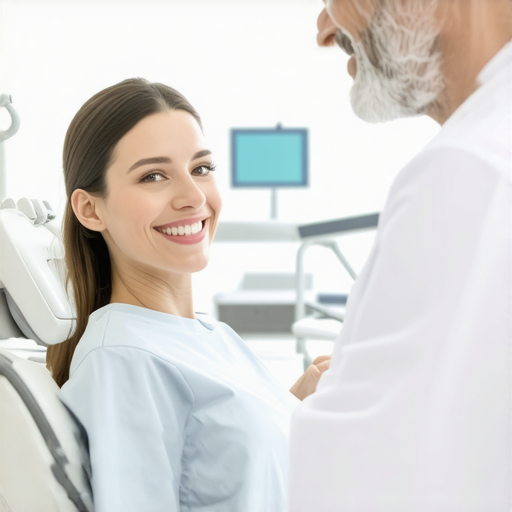
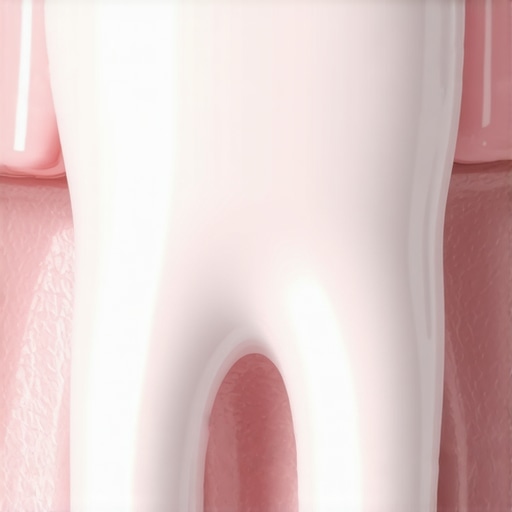

I remember the exact moment I realized my dental work had truly evolved. It was during a routine check-up, and my dentist mentioned that my new filling might actually help repair itself over time. At first, I thought it was just a fancy marketing phrase—until I dug deeper into the fascinating world of bio-active glass fillings. This lightbulb moment made me wonder: how can I tell if my filling is one of those innovative, self-healing ones?
Unlocking the Secrets of Self-Healing Dental Fillings
In this post, we’re going to explore the five unmistakable signs that your 2026 dental filling contains bio-active glass, a breakthrough material designed to promote natural repair. If you’ve ever felt skeptical about the promises of new dental tech or worried about your ongoing dental treatments, you’re not alone. I’ll share personal insights and practical tips to help you identify whether you’re benefiting from this cutting-edge innovation, so you can make informed decisions about your oral health.
Is the Buzz About Bio-Active Glass Fillings Just Hype?
Early in my journey, I made the mistake of dismissing the new materials dentists claimed would enhance longevity and healing. I ignored the warning signs and relied solely on standard check-ups, thinking that if my teeth didn’t hurt or show visible decay, everything was fine. That was a mistake. It’s important to stay alert to these subtle cues, especially as the tech advances, and to ask your dentist detailed questions about your fillings. If you’re curious about how these fillings work, check out current cosmetic dentistry trends and see what the latest innovations are doing for smiles worldwide.
Are you experiencing any of these signs? Have you noticed something different with your fillings, or are you just eager to learn more? Stay tuned, because the next sections will walk you through exactly what to look for—and how to verify if your dental work is actively helping your teeth heal. Because self-repair isn’t just a myth; with bio-active glass, it’s becoming a reality for many patients.
,
Identify the Self-Healing Benefits During Your Check-Up
Next time you visit your dentist, ask specifically about the materials used in your fillings. Dentists now often mention if bio-active glass is part of the work, especially if they discuss the possibility of natural repair. For example, during my last appointment, I inquired about the filling material, and my dentist explained it contains bio-active glass that promotes remineralization. This gave me peace of mind, knowing my routine check-up was an opportunity to confirm the innovative tech working for me.
Observe Changes in Tooth Sensitivity and Appearance
Monitor your response to hot, cold, or sweet stimuli
If your filling has bio-active glass, you might notice reduced sensitivity over time, as the material helps repair enamel vulnerabilities. I noticed my sensitivity was diminishing gradually, which I hadn’t expected. Keep a log of sensations and compare them over months—these subtle improvements can indicate active healing. This step is akin to watching a plant grow—small, consistent changes signal health that’s actively improving.
Check for Visual Indicators of Healing
Bio-active fillings may gradually blend more seamlessly with your natural tooth, appearing less obvious or chalky. When I examined my molars closely, I saw that the filling surface looked more integrated, with a smoother texture. Use a mirror in good lighting and compare before and after photos if possible. This visual cue is like noticing the skin healing after a minor scrape—subtle but telling signs of progress.
Feel for Texture and Consistency in Your Teeth
Run your tongue gently over the restored tooth. A bio-active glass filling might feel slightly different—perhaps smoother or more polished—especially if it’s actively releasing minerals. I realized that my tongue detected a gentler surface, indicating the material’s bio-compatibility. This tactile feedback is comparable to testing a new set of tools; your sense of touch confirms functionality without needing specialized devices.
Engage Your Dentist for Confirmatory Tests
Request that your dentist perform testing methods like micro-fluorescence or biofilm analysis during your routine visits. Such tests reveal mineral deposition levels or biofilm resistance associated with bio-active materials. During my last check, my dentist used a special dye that fluoresces under a light, confirming the presence of active biofilm-fighting agents. Think of this as a diagnostic spotlight that uncovers hidden progress—crucial for confirming your fillings’ performance beyond visual inspection.
Utilize At-Home Oral Care to Support Healing
Engage in practices that promote remineralization—using fluoride toothpaste, micro-shield protection, and maintaining excellent oral hygiene. Regular, conscientious care supports the bio-active process. I adopted a routine with additional micro-shield applications, which enhanced my filling’s health. It’s like watering a garden—consistent care encourages ongoing development and repair.
Consult Resources for Further Insight
For a deeper understanding of current dental innovations like bio-active glass, browse authoritative sources such as cosmetic dentistry trends and related articles. These resources can arm you with questions and knowledge for your next dental appointment, ensuring you are proactive about your oral health journey. Remember, staying informed is the best way to leverage cutting-edge techniques designed to keep your smile vibrant and healthy.
Many people believe they fully understand their dental treatments, but the reality is often more nuanced. A common misconception is that Invisalign is just about straightening teeth without hassle. In truth, *not all aligners are created equal*, and choosing the right technology can significantly impact your results. For example, some patients assume that all transparent aligners are purely aesthetic, but advanced options like SmartTrack material offer faster, more predictable outcomes when properly managed, as highlighted in this comprehensive guide.
Another area where misinformation persists is routine teeth cleaning. Many think a quick session removes all plaque, but in reality, **deep microbiofilm** can hide in hard-to-reach areas, contributing to issues like periodontal disease. Modern techniques such as micro-fluorescence imaging enable dentists to detect biofilm buildup that traditional tools might miss, a practice supported by recent studies from leading dental research institutions. Don’t fall for the myth that manual scraping alone suffices; incorporating advanced diagnostics ensures you address the root causes rather than just surface stains.
When it comes to cosmetic dentistry, there’s a dangerous belief that procedures are purely superficial. But in my experience, **technological innovations like bio-active materials** do more than enhance smiles—they actively promote tissue regeneration and long-term health. For instance, enamel repair with bio-ceramic bonding can prevent future decay and sensitivity, as discussed in this expert article. Overlooking these nuances may lead to temporary fixes rather than sustainable results.
**What mistakes do most patients make with their dental health routines?** One common error is relying solely on over-the-counter products without professional guidance, which can sometimes do more harm than good. Using abrasive whitening gels improperly or neglecting regular check-ups can accelerate enamel erosion or mask underlying problems until they become severe. It’s crucial to recognize that **the most effective dental care combines professional interventions with informed at-home practices**.
Lastly, a major trap is believing that all dental treatments are equally long-lasting. Advances in materials science have introduced options that can last significantly longer with proper care, but only if you understand the specific nuances involved. For example, choosing micro-shield protective coatings during cleansings can reinforce enamel and prevent future damage. To stay ahead, consult resources like modern cosmetic dentistry trends that shed light on the latest innovations.
Have you ever fallen into this trap? Let me know in the comments.
Keeping your dental work in top shape requires more than just routine check-ups; it demands the right tools and strategies tailored to your specific needs. As I’ve navigated various dental treatments, I’ve found that investing in high-quality equipment and adopting precise methods makes all the difference in ensuring long-term success. In this post, I’ll share the tools I personally recommend for maintaining your smile, why they work so well, and where I believe this technology is headed.
Gentle Micro-Current Toothbrushes for Daily Cleaning
I swear by micro-current toothbrushes like the Sonicare DiamondClean for their gentle yet effective cleaning action. Unlike traditional brushes, these devices emit micro-vibrations that target plaque without damaging enamel—crucial after procedures like Invisalign or cosmetic restorations. I use mine twice daily, focusing on delicate areas to prevent microfractures or enamel wear, which can occur if too much force is applied. Modern devices now incorporate Bluetooth connectivity, allowing for real-time feedback and coaching through smartphone apps, ensuring I maintain optimal technique. This precise control has improved my daily oral hygiene exponentially and is predicted to become even smarter with AI integration in upcoming models.
LED Curing Lights for Maintenance and Repair
For people who undergo cosmetic work, having a portable LED curing light at home is invaluable. I use a cordless, battery-powered model like the MIYOO LED Pen Light, which allows me to touch up or reinforce bonding agents if needed. These lights emit specific wavelengths that cure resin-based restorations rapidly, ensuring durability. Using it regularly helps maintain the integrity of bonded restorations, preventing micro-leakages or early failures, especially between professional visits. As technology advances, I foresee even more targeted, spectrum-specific curing devices—potentially integrating with your smartphone for guided application—making upkeep more practical for non-professionals.
High-Precision Dental Microscope for Self-Check
Though not a tool I use daily, owning a portable dental microscope like the DentalEye Pro has transformed how I monitor my oral health. With 20x magnification, I can detect early signs of enamel thinning, subtle staining, or potential plaque buildup in hard-to-see areas. This granular view encourages proactive care and early intervention. Such microscopes are expected to become more affordable and user-friendly, turning into essential diagnostic tools for at-home monitoring—pushing the boundary between professional diagnostics and personal health management.
Why Invest in Advanced Oral Hygiene Tech
Consistent use of these sophisticated tools not only preserves your dental work but also boosts your confidence in your smile’s health. As innovations like AI-powered brushing and smart curing devices emerge, the capacity for long-term maintenance will improve dramatically. Future trends suggest that personalized, data-driven dental care will become the norm, making proactive health management accessible to everyone. For example, upcoming intelligent plaque detectors could alert you when your oral hygiene needs attention, much like a smart home system.
How do I maintain my dental health over time?
One highly effective method I recommend is incorporating targeted remineralization treatments like micro-shield protection, which strengthens enamel beyond regular brushing. Regular micro-shield applications help prevent microfractures and decay, extending the lifespan of your fillings and restorations. You might also explore professional-grade at-home devices, such as LED curing lights, which enable quick touch-ups between dental visits—saving you time and money. To stay ahead, consider reading this guide on cosmetic dentistry trends for insights into the latest maintenance innovations. How about trying one of these advanced tools today? Start with a micro-current toothbrush and see how it transforms your routine. Remember, consistent maintenance with the right equipment is key to a healthy, lasting smile.
Reflecting on my journey with bio-active glass fillings, I’ve realized that the most valuable insights often come from unexpected lessons. One of the hardest truths I learned was that relying solely on routine check-ups isn’t enough; proactive engagement and asking the right questions reveal the true state of your dental health. I also discovered that subtle signs like decreased sensitivity or aesthetic changes are little signals from your teeth that active healing is underway—if you know what to look for. Lastly, I found out that customizing at-home care with advanced tools amplifies the benefits of bio-active materials, turning routine maintenance into a powerful healing ritual. These lessons have transformed my perspective, turning dental visits from routine chores into opportunities for genuine health breakthroughs.
Gems Dentists Don’t Always Share About Bio-Active Tech
- Never assume that a filling is just a passive repair—it might be actively working to heal your tooth, but only if you’re attentive to small changes. The key is in recognizing minor shifts like reduced sensitivity or smoother surface textures, which are signs of ongoing remineralization. During my check-ups, I learned to ask specific questions about the materials used, leading to more tailored care plans. Relying solely on visual inspection isn’t enough; advanced diagnostic tools like micro-fluorescence can confirm if your bio-active filling is truly doing its job—kind of like a health scan for your teeth.
- Healthy habits at home can significantly enhance the self-healing process. Incorporating micro-shield treatments and gentle oral hygiene with smart tools not only extend the lifespan of your fillings but also boost their repair capabilities. For me, integrating a biofilm-fluorescence dye at-home, as suggested by my dentist, provided visual proof of biofilm reduction, giving me confidence in my daily routines. Remember, consistent, informed care turns passive fillings into active allies for long-term dental vitality.
The Small Shifts That Signal Big Changes in Your Smile
Pay attention to how your teeth respond to temperature or sugary foods. A bio-active glass filling may gradually diminish sensitivity as it promotes enamel repair. I kept a simple journal to track sensations over months, and the consistent improvement served as a personal indicator that my teeth were healing from within. Visually, these fillings tend to blend more seamlessly with natural teeth over time—think of it as your smile’s version of a soft-focus filter—making your teeth look more harmonious and healthy. Feeling the texture with your tongue can also reveal the ongoing transformation; smoother, more polished surfaces often mean active mineral deposition.
Questions That Unlock Deeper Dental Understanding
- Have you ever asked your dentist if your current fillings are bio-active? Many patients are surprised to learn that such innovative materials are now common, yet unspoken during routine visits. Initiating conversations about the materials used can open doors to personalized treatment plans that support natural healing. During my last visit, a simple question revealed my dentist’s use of remineralizing bio-glass, which filled me with confidence and curiosity about future advancements.
- Are you leveraging at-home tools like LED curing lights or microscopic imaging devices? These technologies, once exclusive to professionals, are becoming more accessible and can empower you to monitor your oral health actively. Using a portable microscope, I discovered early signs of enamel wear before they became visible to the naked eye—a game-changer in self-care. Think of these tools as your personal health detectives, helping you catch issues early and support your body’s natural repair mechanisms.
The future of dental health is moving toward personalized, tech-enhanced care. By understanding and harnessing bio-active materials, asking the right questions, and investing in powerful at-home tools, you’re not just maintaining a smile—you’re actively nurturing its health. Embrace these insights, and you’ll find that your teeth can do more than just stand still—they can heal and thrive over time. Ready to take charge of your dental journey and unlock the full potential of self-healing fillings? Share your experiences or questions below—I’d love to hear how you’re making your smile smarter and healthier.

This article really opened my eyes to how much dental technology has advanced, especially with bio-active glass fillings. I recently had a new filling, and honestly, I didn’t think to ask about its properties beyond the usual. Reading about these signs of active repair makes me wonder—how accurate are the at-home signs like reduced sensitivity or visual blending in confirming the healing process? I’ve noticed my sensitivity has decreased, but I’m curious if there’s a more reliable way to verify if a filling is truly self-healing. Has anyone tried using diagnostic tools like micro-fluorescence at home or during their routine visits? It seems like asking the right questions and using the right tools can really empower us to take better care of our dental health. I would love to hear from others who are exploring or using advanced diagnostics at home—what has been your experience?