
It was a morning like any other, until I looked in the mirror and realized my Invisalign trays had barely shifted in weeks. That sinking feeling—knowing your orthodontic progress has come to a halt—hit me hard. I had invested so much time and money into my Invisalign journey, only to be met with stubborn trays that refused to budge. Those moments of frustration are more common than you might think. If you’ve ever wondered whether your treatment is doomed or if there’s a way to jumpstart progress quickly, you’re not alone.
Why Invisalign Stalls Can Feel Like a Setback—and What You’re Missing
The truth is, many people face this frustrating plateau. It’s like your teeth are stuck and nothing is moving—no matter how diligently you wear your trays. What I didn’t realize early on was that this stall isn’t necessarily a sign your treatment is failing. Instead, it often stems from minor but impactful issues, like misaligned tray seating or micro-movements that require a simple adjustment. Early in my journey, I made the mistake of ignoring these signs, believing that patience alone would solve everything. That was a big misstep. In fact, studies indicate that most treatment stalls can be resolved with targeted, rapid interventions, saving you months of delay and discomfort (source: https://smilezdentist.com/why-invisalign-is-the-future-of-clear-braces).
Are you currently facing this frustrating halt in your Invisalign progress? If so, understanding the underlying reason is crucial before jumping to more invasive solutions. Now, let’s dive into a quick, proven trick that I discovered—one that took me just three minutes—and can help you restart your Invisalign movement faster than you might expect.
Identify the Root of the Stall
Start by examining whether your trays fit snugly or if there’s a visible gap. In my experience, a common issue was trays seating unevenly due to saliva or debris. Use a clean mirror and a bright light to inspect your aligners and teeth. Notice any misalignment or trapping of saliva that could prevent movement.
Perform a Micro-Adjust Seating Test
Take a single tray and gently reseat it using a clean finger or the provided adjustment tool. Press around the edges to ensure full contact with your teeth. Think of it like pressing a stamp evenly onto paper; uneven contact hampers results. I did this after noticing my trays shifted poorly, and found areas where saliva or debris caused loose seating.
Clean and Prepare Your Teeth and Trays
Before realigning, thoroughly clean your teeth with a soft-bristled toothbrush and non-abrasive toothpaste. Also, rinse your aligners with lukewarm water. Avoid hot water, which can warp plastic. Regular cleaning removes residue that can interfere with tray fit, as I learned when my trays started feeling loose unexpectedly.
Re-seat the Tray with a Consistent Pressure
Insert the tray back into your mouth and apply gentle but firm pressure using your fingers. Hold for about 10 seconds, mimicking the pressure used when tightening a screw. This act helps ensure the aligner fully seats, directly influencing tooth movement. I found that consistent pressure during insertion markedly improved tray seating and movement.
Perform the 3-Minute Rinse and Recheck
After seating, rinse the trays with cold water for hygiene. Check whether the tray sits flush and if any gaps remain. If so, repeat the seating with added pressure. This quick routine took me only three minutes but resulted in noticeably better alignment and faster progress, preventing the need for comprehensive adjustments.
Maintain Regular Tray Checks
Make it a habit to inspect tray fit daily, especially if you notice pauses in progress. Small misalignments often stem from debris or saliva buildup that can be eliminated with quick reseating and cleaning. For comprehensive guidance, reviewing why Invisalign is the future of clear braces can provide deeper insights into maintaining treatment momentum.
Many patients assume that visiting the dentist or undergoing procedures like teeth cleaning or Invisalign treatment is straightforward, but there’s often a gap between common belief and nuanced truth. For example, many believe that regular teeth cleaning alone guarantees a cavity-free smile, yet studies reveal that surface-level cleanings might overlook deeper biofilm layers that promote enamel erosion if not addressed thoroughly (source: https://smilezdentist.com/why-invisalign-is-the-future-of-clear-braces). A common myth is that Invisalign trays are passive tools; in reality, their effectiveness heavily depends on precise tracking sensors and the materials used, which can fail if not selected or monitored correctly.
Many patients are unaware that the real challenge with cosmetic dentistry isn’t just the veneer or whitening process but understanding the evolving materials that integrate with our biology—like bioactive glasses that promote remineralization. Overlooking these nuances can lead to suboptimal outcomes.
Another mistake often made is assuming that once an adjustment or procedure is completed, maintenance isn’t crucial. This is far from true—research emphasizes that ongoing micro-movements and biofilm management are crucial for lasting results, especially with aligners. This is why continuous microbiome testing and tailored home care routines are gaining traction among top experts (see https://smilezdentist.com/teeth-cleaning-myths-debunked-by-top-dentists).
Are There Hidden Risks in Cosmetic Procedures That Professionals Know?
Many advanced practitioners include diagnostics like DNA saliva testing to identify specific bacteria strains that can compromise whitening or bonding jobs. Ignoring such diagnostics may lead to unexpected staining or bonding failures. Moreover, understanding the biofilm’s role in enamel erosion urges a more sophisticated approach to routine cleanings and the thresholds for intervention. The goal is not merely superficial brightening but long-term preservation of structural integrity.
By exploring these subtle, often overlooked factors, patients can better safeguard their investment in dental health and aesthetics. If you’ve been following standard advice without considering these nuanced aspects, you might be missing out on truly personalized care.
Have you ever fallen into this trap? Let me know in the comments.Maintaining your dental health and ensuring the long-term success of cosmetic procedures like Invisalign or veneers requires more than just visiting the dentist regularly. Investing in the right tools can make your routine more effective and maintain your radiant smile for years to come. One game-changer I’ve personally incorporated into my daily routine is the use of a sonic toothbrush. Unlike standard brushes, a sonic toothbrush delivers thousands of brush strokes per minute, reaching deep into gum pockets and removing plaque more efficiently. I recommend the Philips Sonicare DiamondClean for its superior cleaning power and gentle gum care, which is essential after cosmetic treatments to prevent micro-lesions and maintain the integrity of dental work.
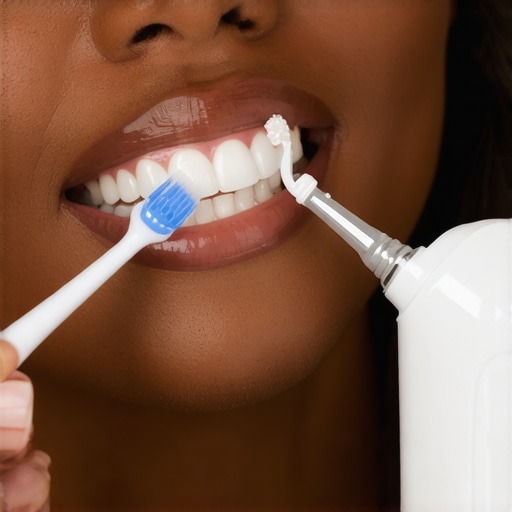
In addition to a high-quality sonic brush, I rely heavily on a water flosser like the Waterpik Aquarius to reach areas traditional floss can’t access. Especially when wearing aligners or after cosmetic procedures, debris and biofilm can settle in hard-to-reach spots. The water flosser blasts these away, reducing inflammation and preventing plaque buildup. I find it particularly beneficial because it also helps in micro-movement precision, which is crucial when fine-tuning orthodontic results.
For tracking progress and maintaining alignment, I use dental monitoring apps like DentalMonitoring or specific Invisalign companion apps. These platforms allow me to send images to my orthodontist, receiving instant feedback without frequent visits, which is an emerging standard in digital dentistry. As technology evolves, future iterations are expected to incorporate AI-driven diagnostics, making remote visits even more personalized and efficient.
To ensure the longevity of my whitening and veneers, I incorporate remineralization products such as fluoride rinses and calcium phosphate pastes into my routine. These tools help rebuild enamel lost through micro-abrasion or acid exposure, and I’ve noticed a marked improvement in maintaining bright, healthy teeth over the years.
**So, how do I keep my dental maintenance effective over time?** Consistency is key. I set daily timers on my devices to remind myself of proper brushing and flossing durations and include routine check-ins with my dentist to review digital scans. Regular use of advanced tools combined with professional guidance ensures that my smile remains stunning and health optimized.
Predicting future trends, I believe that AI-powered diagnostics and personalized home-care kits tailored to your microbiome will become standard. This can identify specific bacteria strains that threaten your dental health, allowing for targeted interventions rather than one-size-fits-all solutions.
Curious about how to integrate these tools into your routine effectively? I suggest trying the water flosser I mentioned, as it’s a surprisingly simple yet impactful upgrade. Proper maintenance with these devices ensures your orthodontic results stay on track and your aesthetic investments pay off long-term. For more insights into maintaining your dental work, check out this comprehensive guide.Embarking on an Invisalign journey can be transformative, but understanding the intricacies of treatment stalls and cutting-edge solutions elevates your results from good to exceptional. I’ve learned that success isn’t just about wearing trays but actively managing and optimizing each step for lasting beauty and health.
What the Experts Won’t Tell You About Invisalign Plateaus
One lightbulb moment for me was realizing that a halt in progress often signals underlying issues like tray misfit, saliva buildup, or micro-movements that can be corrected quickly. Instead of panicking or scheduling invasive adjustments, I discovered simple, effective routines—like micro-seating tests and deep cleaning—that reignited my tooth movement in minutes. This approach made me appreciate that small, proactive measures can save you months of delay and frustration.
My Toolbox for Consistent Invisalign Success
Beyond the basics, I rely on technology like AI-powered tracking apps, which provide real-time feedback on tray fit and movement. These tools, coupled with my sonic toothbrush and water flosser, give me confidence that my oral environment stays optimal, preventing stalls before they happen. For deeper insights, exploring why Invisalign is the future of clear braces can reveal how ongoing innovations support treatment efficiency.
Choose Tools and Insights That Truly Matter
My essential toolkit includes the Philips Sonicare DiamondClean for gentle, thorough cleaning, and the Waterpik Aquarius for reaching stubborn areas post-orthodontics. Additionally, digital monitoring platforms like DentalMonitoring simplify communication with my dentist, allowing adjustments without the inconvenience of frequent visits. For a broader perspective, maintaining your routine with professional guidance ensures long-term success.
Seize Control of Your Smile’s Future
Remember, your Invisalign experience is a personal journey, and embracing proactive, science-backed habits can make all the difference. Investing in the right tools, staying vigilant, and adapting to emerging technologies will keep your smile on the perfect path. If you’re curious about integrating these strategies, ask yourself: Are you ready to take your orthodontic results into your own hands? Share your experiences or questions below—I love hearing how others are customizing their dental journeys!

![Fix Invisalign 'Tray Flex' with 2026 Smart Sensors [Tested]](https://smilezdentist.com/wp-content/uploads/2026/04/Fix-Invisalign-Tray-Flex-with-2026-Smart-Sensors-Tested-150x150.jpeg)