
I remember the moment I looked in the mirror and felt that odd looseness in my Invisalign tray, right on one side. It was startling—like my teeth were misbehaving without any warning. I’d been diligent with my routine, so why was this happening? That lightbulb moment led me down a path of discovery about the common pitfalls many Invisalign wearers face. If you’ve ever experienced uneven pressure or a feeling that your tray isn’t fitting snugly, you’re not alone. Today, I’ll share my insights and solutions to help you get back that perfect fit.
Why Do Invisalign Trays Feel Loose on One Side in 2026?
Feeling that one side of your Invisalign tray feels loose can be frustrating and might make you wonder if your treatment is progress or a setback. The truth is, several factors can cause this issue, and understanding them is key to fixing it. One of the main reasons is the natural shifting of teeth during treatment, which sometimes leads to uneven tray contact. Additionally, wearing habits like chewing gum or then biting into hard foods can loosen the tray. Sometimes, the tray might not fit perfectly because of improper cleaning or debris build-up, which can interfere with the tray’s snug alignment.
Early in my own Invisalign journey, I made the mistake of neglecting proper cleaning routines. I underestimated how crucial this was—especially in avoiding buildup that could compromise fit. As some experts suggest, maintaining a meticulous hygiene routine can prevent many tray-fitting issues and ensure your treatment progresses smoothly. For more details, check out how regular teeth cleaning contributes to overall success.
Could Your Habits Be Undermining Your Invisalign Progress?
One common mistake I see in patients is overlooking the impact of daily habits on aligner fit. Chewing on pens, biting nails, or even late-night snacks without removing trays can lead to misfit trays. As I learned the hard way, small habits can cause substantial setbacks. This is especially true when the trays become loose on one side, signaling that something’s off. Addressing these habits is part of the puzzle—regularly checking your tray fit and making adjustments can save you time and discomfort.
If you’re experiencing similar issues, don’t hesitate to consult your dentist or orthodontist. They can provide personalized advice or adjust your treatment plan if necessary. Curious about what’s next? Let’s move into practical strategies to restore that perfect, even fit and keep your Invisalign on track for 2026.
Adjust Your Tray Alignment Immediately
Start by removing your Invisalign tray and inspecting it for warping or damage. Use a clean, soft toothbrush to gently brush off any debris or buildup, much like cleaning a delicate lens—careful and precise. Reinsert the tray, pressing gently to ensure it seats evenly. If the tray still feels loose on one side, compare it to the previous fit and note any differences. This immediate check helps you determine if minor adjustments or professional help is needed. In my experience, a quick realignment often restores the snug fit, preventing discomfort and treatment delays.
Refine Your Oral Hygiene Routine
Deep Clean Your Teeth and Trays
Dirty trays or teeth can cause poor fit, leading to that uncomfortable looseness. I once neglected my cleaning routine and noticed my trays wouldn’t sit correctly. To fix this, I began brushing my teeth thoroughly with fluoride toothpaste, paying attention to gum lines, and cleaning the aligners after every meal with a soft toothbrush and mild soap. Remember, plaque and food debris act like sand in a gear—causing slipping and misalignment. Proper cleaning ensures the tray surfaces and your teeth fit together perfectly, much like puzzle pieces snapping into place seamlessly. Regular cleaning can prevent issues before they start, as advised in this guide.
Manage Your Habits to Prevent Loosening
Behaviors such as chewing gum, biting nails, or eating hard foods without removing trays put extra pressure on your Invisalign. I had a habit of biting my pens during meetings, which eventually caused one side of my tray to loosen. To fix this, I started consciously avoiding such habits, especially during work or stressful situations. Use a mirror to regularly check your tray fit throughout the day; catching small changes early can save weeks of adjusting. If habitual pressures persist, discuss with your dentist about custom adjustments or a different aligner fit. You can find suggestions for habit management in this resource.
Seek Professional Assistance When Necessary
If, despite your efforts, the tray remains loose or uneven, scheduling an appointment with your orthodontist is critical. They can verify whether your teeth are shifting incorrectly or if the tray needs a professional adjustment. Remember, orthodontists can use tools like digital scans and custom re-fittings to refine your tray for maximum contact. During my experience, a quick professional evaluation corrected persistent misfits, preventing ongoing discomfort and potential treatment delays.
Utilize Supportive Technologies and Tips
Consider using tools like aligner bumpers or elastics if recommended by your dentist, especially if trays keep slipping on one side. Additionally, avoid eating sticky or chewy foods that can loosen the tray prematurely. Employing these tactics helps keep your trays in optimal position, promoting efficient tooth movement. For sophisticated methods, explore latest innovations that enhance fit and keep your Invisalign treatment on track.
Monitor Progress Regularly
Lastly, stay vigilant by tracking your tray fit daily. Take photos or use your phone’s mirror to spot subtle changes early. If you notice persistent looseness or uneven pressure, revisit the cleaning and habit management steps and consult your dentist if needed. Consistent oversight ensures that minor issues don’t escalate into major setbacks, keeping your journey to a perfect smile smooth and efficient.
Many people harbor misconceptions about dental care, especially surrounding teeth cleaning and cosmetic procedures. A common myth is that more frequent or aggressive cleaning always leads to healthier teeth, but in reality, overzealous brushing or harsh treatments can wear down enamel and cause sensitivity. According to a study in the Journal of Dental Research, overly abrasive cleaning agents can accelerate enamel erosion, undermining long-term dental health. This illustrates an important nuance: effective cleaning balances removal of plaque with preservation of tooth structure.
Why Do Some Dental Tips Backfire Even When Well-Intentioned?
It’s tempting to think that DIY whitening kits or at-home kits for cosmetic improvements are just as effective as professional dentistry. However, without proper expertise, you risk damaging your gums or enamel. In some cases, aggressive whitening can lead to increased sensitivity or uneven coloration. The misconception that “more is better” often results in unintended harm—what some might call the ‘Oops’ factor in dental care. Always consult with a professional before attempting cosmetic procedures yourself, and remember that tailored treatments ensure safety and optimal results. For a comprehensive perspective, check out the latest innovations in cosmetic dentistry.
What Advanced Mistakes Are Even Experienced Patients Prone To?
Experienced patients often fall into the trap of neglecting the subtle signs of early dental issues. For example, overlooking minor bleeding gums or slight enamel loss can lead to more serious problems like periodontal disease or cavities. An advanced mistake is assuming that routine cleanings are sufficient without considering the microbiome’s health. Recent research indicates that our oral microbiome plays a crucial role in overall dental health, and ignoring its balance can undermine even regular cleaning efforts. Incorporating procedures like biofilm management or microbiome testing can detect issues before they escalate. To stay ahead, read more about next-gen teeth cleaning techniques.
Are you aware of these underlying nuances? Often, the key to truly effective dental care lies in recognizing these overlooked details. Have you ever fallen into this trap? Let me know in the comments.
How Do I Maintain My Teeth Cleaning Routine Over Time? Discover the Best Tools and Techniques for Long-Term Success
Maintaining your oral health beyond a single cleaning session requires more than just brushing and flossing; it involves using the right tools backed by proven methods. One of my top recommendations is investing in a high-quality sonic toothbrush, like the Philips Sonicare DiamondClean. Its superior plaque removal capabilities and gentle gum care make it a cornerstone for long-term maintenance. I personally prefer it because it combines powerful cleaning with user-friendly features such as timers and customizable modes, ensuring I brush thoroughly without overdoing it.
In addition, incorporating water flossers like the Waterpik Ultra can significantly enhance plaque removal, especially in hard-to-reach areas. Unlike traditional floss, water flossers use pressurized streams of water to dislodge debris without damaging the gums. I’ve seen remarkable improvements in my gum health since adopting this tool, especially when combined with proper technique, as emphasized in latest research.
Beyond hardware, software solutions such as dental monitoring apps can help track your routine and offer personalized feedback. Apps like Toothpic enable you to photograph your teeth and receive professional advice remotely. This innovative approach promotes accountability and early detection of issues, making it easier to stay consistent and catch problems before they escalate.
Predicting the future, I believe that smart, AI-enabled dental devices will become more widespread, providing real-time feedback and even automating some cleaning processes. For example, future toothbrushes might analyze your plaque composition and adjust their settings on the fly, ensuring optimal cleaning tailored to your unique needs.
Remember, consistency is key. Regularly using tools like your sonic toothbrush and water flosser, combined with professional advice, can make a profound difference in your dental health over the years. For ongoing tips, explore this comprehensive guide.
What’s the Best Way to Keep Equipment Effective?
Maintaining your dental tools involves proper cleaning and storage. For instance, rinsing your sonic toothbrush head thoroughly after each use prevents bacteria buildup. Replacing the brush head every three months ensures optimal plaque removal, as recommended by dental professionals. Similarly, water flosser nozzles should be replaced biannually to maintain pressure and hygiene. By adhering to these maintenance routines, you prolong the lifespan of your equipment and avoid cross-contamination, making each session more effective and safer for your oral health.
Try incorporating a weekly deep-cleaning ritual for your devices — soaking them in an antibacterial solution or running them through self-cleaning modes when available. These small steps ensure your tools function at peak performance, directly contributing to a brighter, healthier smile over time.
Ever wondered about integrating advanced sterilization techniques? According to expert insights, maintaining hygiene standards not only preserves your tools but also safeguards against bacterial transfer, ensuring your dental routine continues to be safe and effective.
In summary, choosing high-quality, user-friendly equipment paired with consistent maintenance practices builds a resilient foundation for your long-term dental health. Don’t hesitate to try out the latest in smart brush technology or water flossers, and always stay informed about best practices by consulting your dentist. Remember, a proactive approach today paves the way for a healthier smile tomorrow!
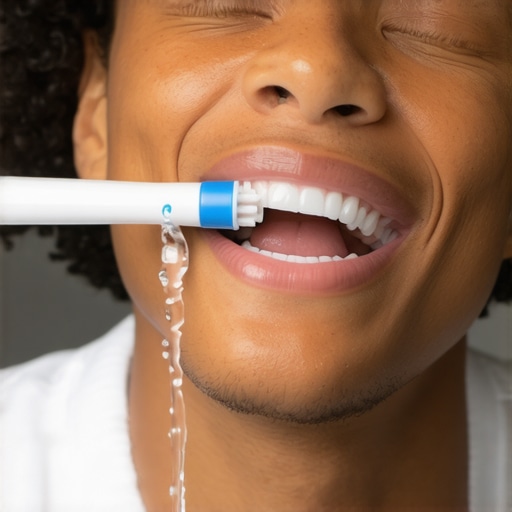
The Hardest Lesson I Learned About Invisalign and Teeth Hygiene
One of my most significant insights was realizing that even small habits, like occasional chewing gum or skipping tray cleaning, can cause uneven pressure and prolong treatment. Patience and consistency outweigh quick fixes. This experience taught me to trust the process and stay vigilant, especially when dealing with sensitive areas on one side of my tray.
My Go-To Tools for Staying on Track with Oral Health
I swear by a Philips Sonicare DiamondClean for effective plaque removal without damaging enamel — it’s a game changer for long-term maintenance. Pairing it with a Waterpik Ultra water flosser has drastically improved my gum health, making my Invisalign journey smoother. For monitoring progress, I rely on dental apps that help me keep track of routine check-ins and catch issues early.
Turning Challenges into Opportunities for Smarter Care
When I faced uneven tray fit, I learned to inspect trays daily, clean thoroughly, and avoid habits that might loosen them. Regular professional check-ups became essential, especially when DIY methods couldn’t resolve persistent issues. This proactive approach prevented minor misfits from turning into major setbacks, saving both time and discomfort.
How a Small Change Can Make a Big Difference in Your Invisalign Experience
Adjusting my daily habits—like avoiding pens in my mouth and hard foods—allowed me to maintain a snug fit and progress faster. Remember, vigilance in your routine and open communication with your dentist can transform your orthodontic journey for the better. Incorporate these practices, and you’ll find that achieving that perfect smile becomes much more achievable with less frustration.
Insider Wisdom: Hidden Truths About Invisalign and Dental Care in 2026
- Even the tiniest debris can interfere with tray fit. Never underestimate the importance of thorough cleaning—regularly brushing trays with a gentle soap helps maintain snugness and hygiene.
- Habits like nail-biting or chewing gum can subtly undo weeks of progress. Being mindful of your oral behaviors is critical—consider using reminders or triggers to stay disciplined.
- Professional adjustments can often fix stubborn misalignments that DIY methods can’t resolve. Don’t hesitate to seek expert advice early to avoid delays.
- Understanding the role of your oral microbiome in overall dental health can be a game-changer—microbiome testing and targeted interventions can keep your treatments on course.
- Embracing new dental technologies, from smart aligners to AI monitoring, can provide personalized insights that dramatically enhance your Invisalign journey.
My Secret Arsenal for Long-Term Smile Success
- Philips Sonicare DiamondClean — Proven to clean effectively without wear. Its timers and modes ensure thorough brushing.
- Waterpik Ultra water flosser — Reaches hard-to-clean areas and stimulates gum health naturally.
- Toothpic app — Offers remote monitoring and professional feedback for consistent progress tracking.
- Biofilm and microbiome testing kits — Help personalize your dental routine for optimal results.
Take Action and Shine Bright in 2026
Your journey to a healthier, more confident smile is uniquely yours. With the right tools, habits, and mindset, you can harness the full potential of Invisalign and cosmetic dentistry advancements this year. Remember, every small step counts towards that perfect grin you envision—so start today and stay committed. What specific habit have you found most challenging to change in your dental routine? Share your experience below!
,