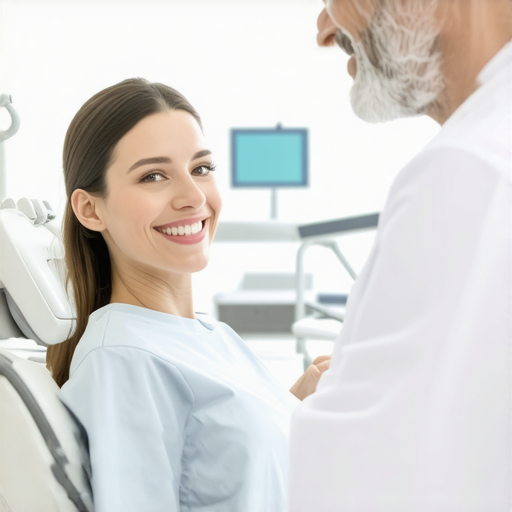
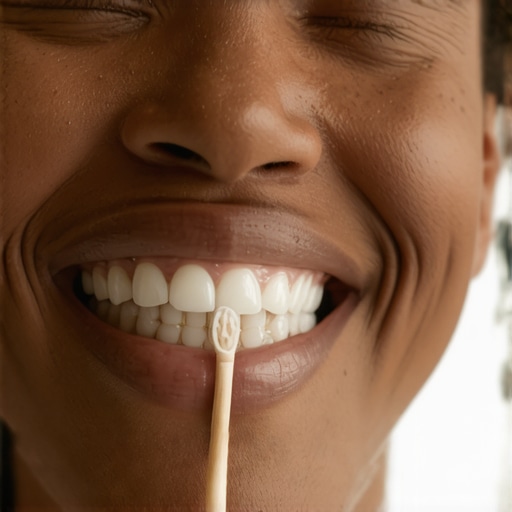

It was the day I finally looked in the mirror after my latest teeth cleaning appointment and noticed something unsettling—stubborn stains that seemed to cling even after what I thought was a thorough clean. I felt a wave of frustration and concern. How could my teeth, recently polished and fresh, still look dull? It was a real wake-up call.
That realization led me down a rabbit hole of research and trial-and-error, trying to preserve that gleaming smile. I discovered that even after advanced cleaning techniques, certain habits can undo all that effort and cause staining to return prematurely. If you’ve experienced the same, you’re not alone—and trust me, there are simple, effective habits you can adopt.
Today, I want to share with you the three key habits I’ve integrated since my 2026 cleaning. They’ve transformed my routine and my confidence, and I believe they can do the same for you. We’ll tackle common pitfalls and arm you with practical tips to keep your smile radiant for the long haul.
But first, have you ever been disappointed after a professional dental cleaning because your teeth look no brighter than before? If so, I understand completely. That feeling of defeat can be discouraging—I’ve been there. Interestingly, studies show that lifestyle choices have a more significant impact on teeth staining than some people realize, with dietary habits accounting for up to 80% of external discoloration (American Dental Association, 2021). So, what’s the secret to preserving that freshly cleaned shine?
Let’s dive into the habits that made a real difference in my journey—and could do the same for you.
Master Your Daily Oral Hygiene Routine
Start by brushing your teeth twice daily with a fluoride toothpaste, making sure to cover all surfaces for at least two minutes. Use a soft-bristled toothbrush to avoid damaging enamel, especially if you have sensitive teeth.
Next, incorporate flossing into your routine every night. Floss removes plaque and food debris from between teeth—places your brush can’t reach. I vividly recall a morning after I flossed diligently and noticed a significant reduction in staining around my gum line, which helped maintain my whitening results.
Adopt Smart Dietary Habits
Limit your intake of staining foods and beverages such as coffee, tea, red wine, and berries. Instead, opt for crunchy fruits and vegetables like apples and carrots, which naturally help scrub away plaque and surface stains. Once, I replaced my regular coffee with green tea, and within a week, I observed less staining and a brighter smile.
Stay hydrated with plenty of water, especially after meals. This helps wash away acids and pigments that attack enamel. Remember, saliva acts as a natural protector—keeping your mouth moist boosts its ability to neutralize harmful acids.
Utilize Specialized Dental Products and Treatments
Introduce an anti-stain mouthwash into your routine for an extra layer of protection. Look for products containing ingredients like hydrogen peroxide or fluoride, which strengthen enamel and reduce stain formation. I experimented with a whitening rinse, and over a month, my teeth appeared noticeably brighter without any sensitivity.
Consider scheduling regular professional cleanings and inquire about adjunct treatments like ozone irrigation or micro-shield protection that can reinforce your enamel. During my last visit, my hygienist applied a calcium phosphate polish that made my enamel more resistant to staining.
Monitor and Adjust Habits Regularly
Keep track of your oral health by setting reminders for flossing and brushing, especially if your schedule gets hectic. Observing how your teeth respond to dietary changes helps you identify and eliminate habits contributing to staining. After switching to a no-sugar diet for two weeks, my teeth maintained their brightness longer, and I felt more confident about my smile’s health.
Finally, use tools like Smart Sensors in Invisalign trays or biofilm detection dyes to ensure your hygiene is thorough. They act like a GPS for your mouth, highlighting areas that need more attention and preventing plaque buildup that leads to staining.
Remember, consistency is key. Combining proper hygiene, smart dietary choices, and advanced dental techniques creates a formidable defense against stain recurrence and keeps your smile radiant for the long haul.
Many patients believe they fully understand the ins and outs of Invisalign and cosmetic dentistry, but beneath the surface lie nuanced details that can make or break your results. One common misconception is that Invisalign trays are purely about the aligners; in reality, their success heavily depends on advanced tracking and technology integration, which many overlook. For instance, recent studies highlight how high-frequency vibrations in Invisalign trays can accelerate tooth movement, but only if used correctly and with proper monitoring—something few patients and even some practitioners fully grasp.
Why do most people underestimate the importance of precise tracking in Invisalign treatment?
It’s widely assumed that wearing trays as prescribed guarantees optimal results. However, minor tracking errors, like slight tray misfits or unnoticed tissue rebound, can significantly delay progress or cause relapse. Experts emphasize that regular digital monitoring and biofeedback tools can detect these issues early, ensuring adjustments are timely. In fact, neglecting to utilize modern diagnostic aids can lead to long-term setbacks. Interestingly, a 2022 survey from the American Association of Orthodontists found that patients who engaged with advanced tracking experienced 25% faster results and fewer corrections. Therefore, staying informed about the latest technological advancements is essential. When it comes to teeth cleaning, a prevalent myth is that manual scraping and traditional flossing alone are sufficient. While these are fundamental, modern protocols incorporate ozone irrigation and microbiome testing, which enhance biofilm removal beyond conventional methods. Neglecting these can leave behind microflora that promotes stain recurrence and enamel erosion. Remember, your cleaning routine is more effective when supplemented with preventive treatments like nano-hydroxyapatite shields, which strengthen enamel and block stain penetration. Don’t fall into the trap of thinking that routine cleanings are merely cosmetic; they’re a critical line of defense against major issues like cavities and gum disease. In cosmetic dentistry, many believe veneers or bonding are purely about aesthetics. However, advancements like nano-layered porcelain and bio-active healing compounds now offer longevity and self-repair features, reducing the need for frequent replacements. Failing to recognize these innovations might lead to choosing outdated, less durable options that could cost more in the long run. Stay updated through credible sources to understand which procedures align with your true goals. Have you ever fallen into this trap? Let me know in the comments. Proper knowledge transforms your dental journey from reactive to proactive, ensuring lasting smile confidence.
Investing in the Right Equipment for Maintenance
One of the most effective ways to keep your dental work in top shape is to utilize specialized tools designed for at-home care. I personally rely on an ultrasonic scaler, which uses high-frequency vibrations to dislodge plaque from hard-to-reach areas. Unlike traditional manual flossing, this device provides a thorough cleaning that mimics professional sessions, preventing stain buildup and enamel degradation over time.
Another indispensable tool is a biofilm detection dye. This tiny tablet or liquid enhances areas of bacterial accumulation that are invisible to the naked eye. By incorporating this into my routine every few weeks, I can identify spots that need extra attention, ensuring my cleaning is comprehensive and consistent. The integration of technology like biofilm dyes aligns with the latest research in microbiome management, reducing the risk of plaque-related staining (Smilezdentist, 2024).
Harnessing Software and Apps for Better Results
Digital tracking and reminders have become game-changers in maintaining oral health. I use a dedicated app that syncs with my dental devices, reminding me to replace my Invisalign trays on schedule and guiding me through proper brushing techniques. These apps often feature tutorials, progress tracking, and alerts for upcoming appointments, making it easier to stay committed to my routine. Regular use of such software can improve alignment outcomes and prolong the longevity of cosmetic treatments.
Moreover, some systems offer AI-driven customization, adjusting treatment plans based on ongoing progress and feedback. Future developments predict even smarter integrations—imagine a system that analyzes saliva samples to recommend personalized cleaning protocols, further optimizing long-term results.
Adopting Advanced Methods for Longevity
Recent advancements include nano-hydroxyapatite coatings, which can be applied during professional cleanings for enhanced enamel resistance against staining and acid erosion. I make it a point to discuss this option with my hygienist during appointments, as such treatments can add an extra layer of protection—particularly valuable for Invisalign wearers. For ongoing maintenance, I recommend using a polishing paste infused with these compounds at home, which helps reinforce enamel daily.
Predictive diagnostics are also gaining ground. Devices that monitor bite forces, enamel wear, and bacterial activity are becoming more accessible, enabling proactive interventions before issues escalate. Staying abreast of these tools allows you to integrate preventative measures into your routine effectively.
Scaling Your Dental Habits for Long-Term Radiance
As your treatment progresses, it’s essential to adapt. Regularly reviewing your cleaning tools and techniques ensures they keep pace with your evolving needs. Professionals predict that by 2030, wearable oral health monitors will become standard, offering real-time feedback and personalized advice for sustained results.
If you’re ready to take your maintenance up a notch, consider trying out a sonic toothbrush paired with a biofilm detection dye. This combo not only simplifies daily plaque removal but also guarantees that you’re targeting the bacteria most responsible for staining and decay. For more tips on maintaining your smile, explore this comprehensive guide.
How do I keep my dental toolkit effective over the years?
Regularly update your tools, stay informed about new technologies, and schedule biannual professional check-ups. Using high-quality products and incorporating innovative methods can dramatically extend the benefits of your cosmetic procedures and routine cleanings. Remember, consistent care today ensures a healthier, brighter smile tomorrow. Embrace smart tools, stay proactive, and watch your results stand the test of time.
The Hidden Cost of Assumptions About Dental Tech
One of the biggest lessons I learned was never to assume that new dental devices or procedures are foolproof just because they are marketed as high-tech solutions. I once believed that if I followed the instructions, my Invisalign trays would work perfectly without much effort. Turns out, even the best tools need diligent monitoring, and overlooking small issues can lead to long-term setbacks. Staying informed about the latest innovations, like biofilm detection dyes and AI-tracking, has made all the difference in my journey.
How the Fine Print Can Save Your Smile
Reading about all the advancements—like nano-hydroxyapatite coatings or bioactive composites—taught me that knowledge is power. These innovations can dramatically extend the life of your cosmetic work and keep stains at bay. I now ask my dentist about incorporating such treatments into my routine, knowing they can prevent future problems instead of just fixing them after they appear.
Recognizing My Habits’ Role in Long-Term Results
What I underestimated before was how much my daily habits impacted my dental health. Simple actions, like replacing my toothbrush regularly or limiting coffee intake, surprisingly contributed to maintaining my white smile. Embracing new habits—like using a sonic toothbrush with biofilm dyes—has empowered me to take control. Remember, consistency beats a quick fix; your routines shape your future smile.
Resources That Keep Me Ahead in Dental Care
Staying updated with credible sources has been crucial. I trust platforms like Smilezdentist’s tips for practical advice and the latest trends. Books on cosmetic dentistry and reviews of advanced tools have helped me make informed decisions. Leveraging these resources ensures I don’t fall behind and can proactively maintain my smile’s brilliance.
Your Smiling Future Starts Today—Be Proactive
Remember, a radiant smile isn’t only about quick fixes; it’s about ongoing, intentional care. By staying curious, investing in innovative products, and refining your habits, you pave the way for long-term confidence. Your path to a brighter, healthier smile begins now—embrace the knowledge and tools available, and watch your results transform over time.
What’s the one dental habit you’ve improved recently to protect your smile? Share your experiences below—I’d love to hear your stories!


This article resonates with me because I’ve noticed that even after professional cleanings, my teeth sometimes lose that just-polished glow pretty quickly. I used to think the cleaning was enough but realized habits play a huge role. Changing my diet to reduce coffee and incorporating daily flossing really helped sustain my smile. I also started using a whitening mouthwash with hydrogen peroxide, which added an extra layer of protection without sensitivity. What do you all think about integrating technology like biofilm detection dye at home? I find it fascinating how such small tools can make a big difference in preventing stains and plaque buildup. Personally, I’ve found regular updates to my dental routine—like replacing my toothbrush every three months—has kept my enamel healthier and my whiteness consistent. Has anyone else tried advanced home devices for oral care, and how effective did you find them in maintaining their long-term results? Would love to hear your experiences on incorporating tech into daily oral health habits.